
The fort foundations
A plan marked in the ground with panels.
Brucke-Osteuropa — CC0 · Martin Hahn — CC0 · Martin Hahn — CC0
The Roman fort at Bad Cannstatt is Stuttgart's true origin: the Romans established a cavalry camp here in the first century AD on the bank of the Neckar, and it was among their most important sites in the region centuries before Stuttgart itself existed. The modern city grew up later in the neighbouring valley rather than here. The reason for the Roman presence is the same as the reason for Bad Cannstatt: the mineral springs. The area holds the second largest concentration of mineral water springs in Europe after Hungary, and the Romans built their baths on them — the same springs that later made Bad Cannstatt a spa and gave it the prefix Bad, meaning bath. What survives today is modest: foundation remains and sections of wall marked out in the ground, with interpretive panels, and no standing building. This is not a destination in itself but a stop for anyone walking Bad Cannstatt — the older town that Stuttgart absorbed, holding its historic market and its spring gardens.
A plan marked in the ground with panels.
The older town Stuttgart absorbed.
Bad Cannstatt, 70372 Stuttgart
 Stuttgart Fire Brigade MuseumStuttgart's fire brigade museum documents two centuries of firefighting in the r12 minutes walk4.6
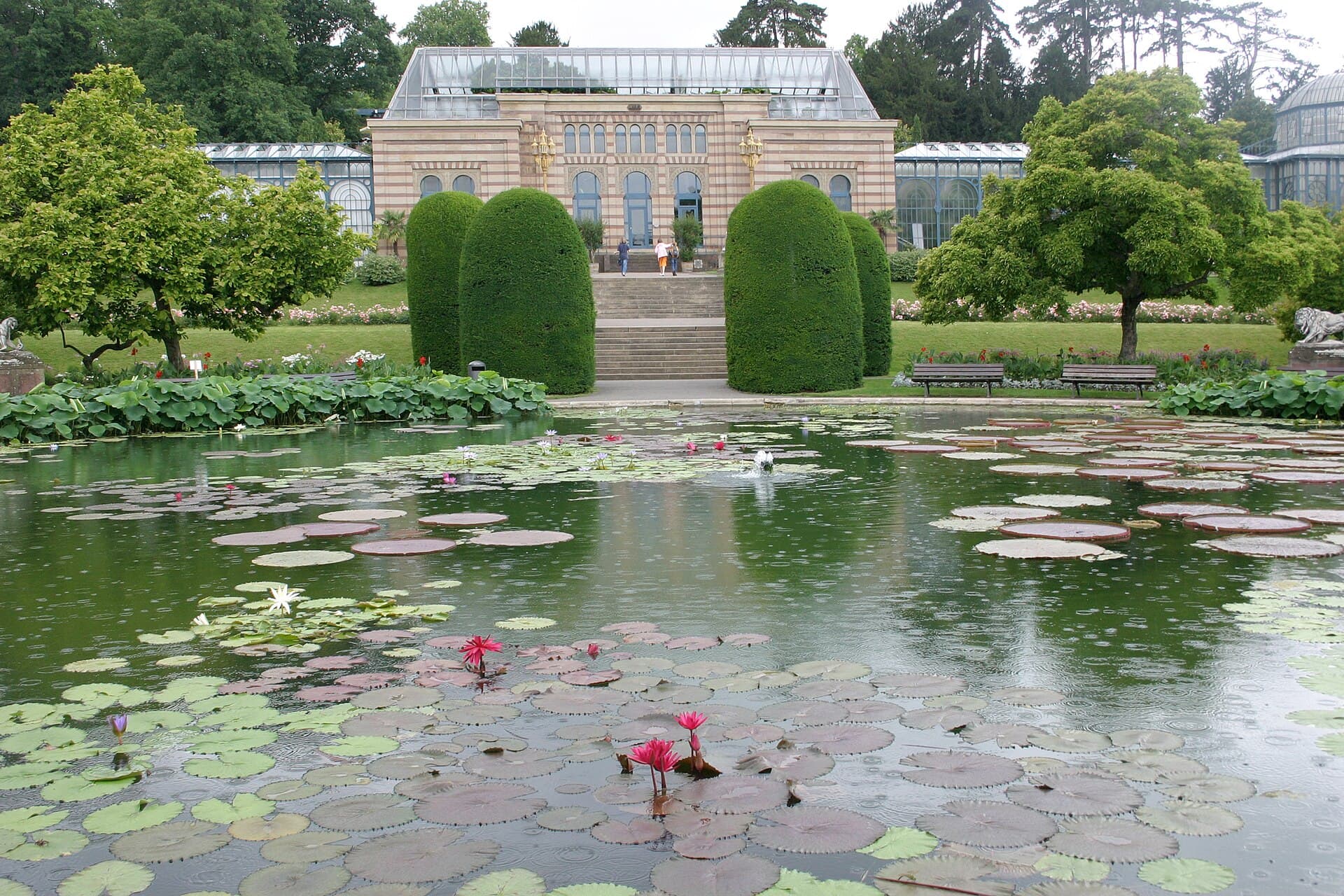 Wilhelma — Royal Zoological & Botanical GardenThe Wilhelma is a one-off: a combined zoo and botanical garden inside a royal pa13 minutes walk4.4
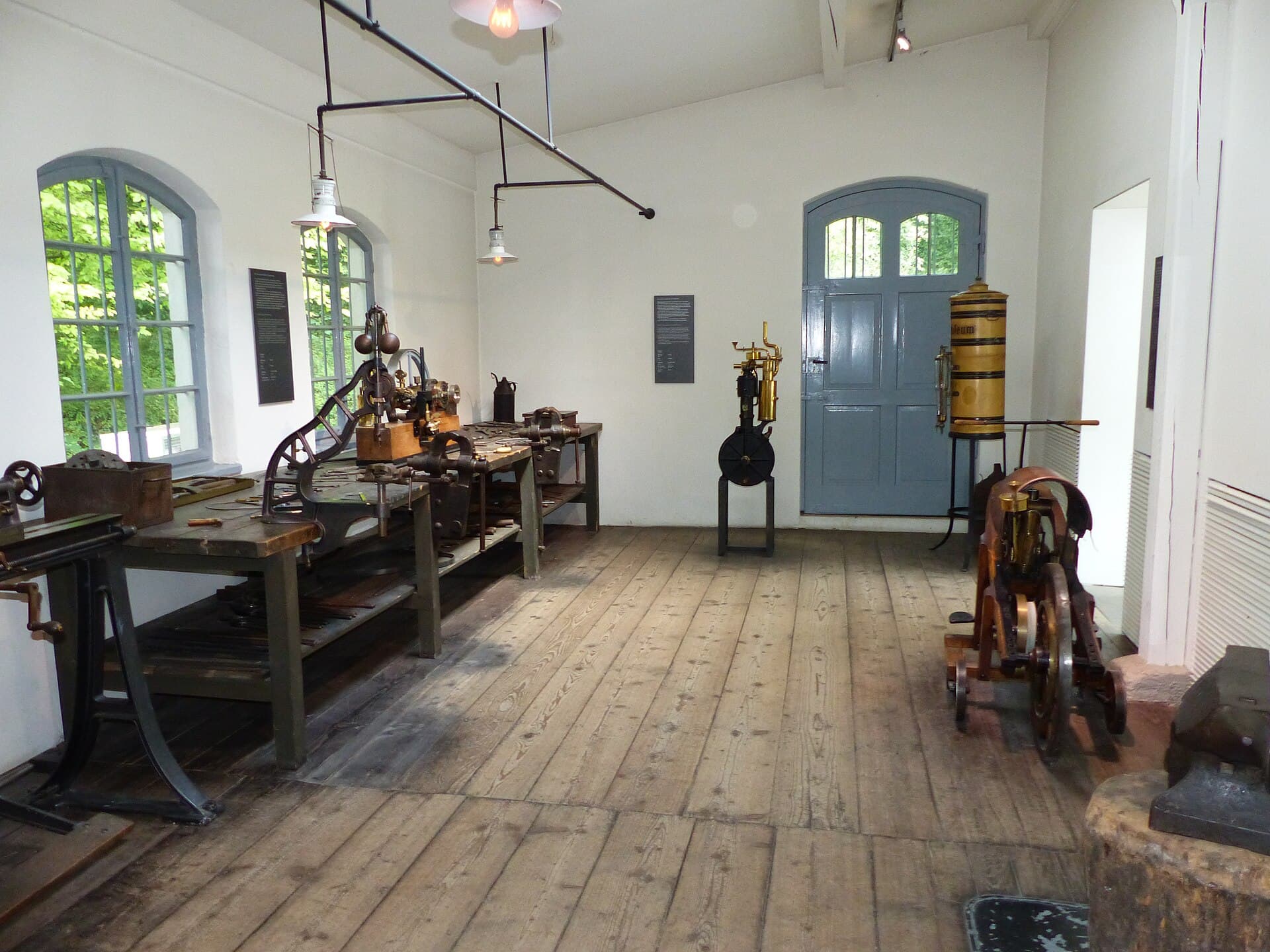 The Gottlieb Daimler MemorialThis small glasshouse in a garden in Bad Cannstatt is where the modern engine wa16 minutes walk4.7
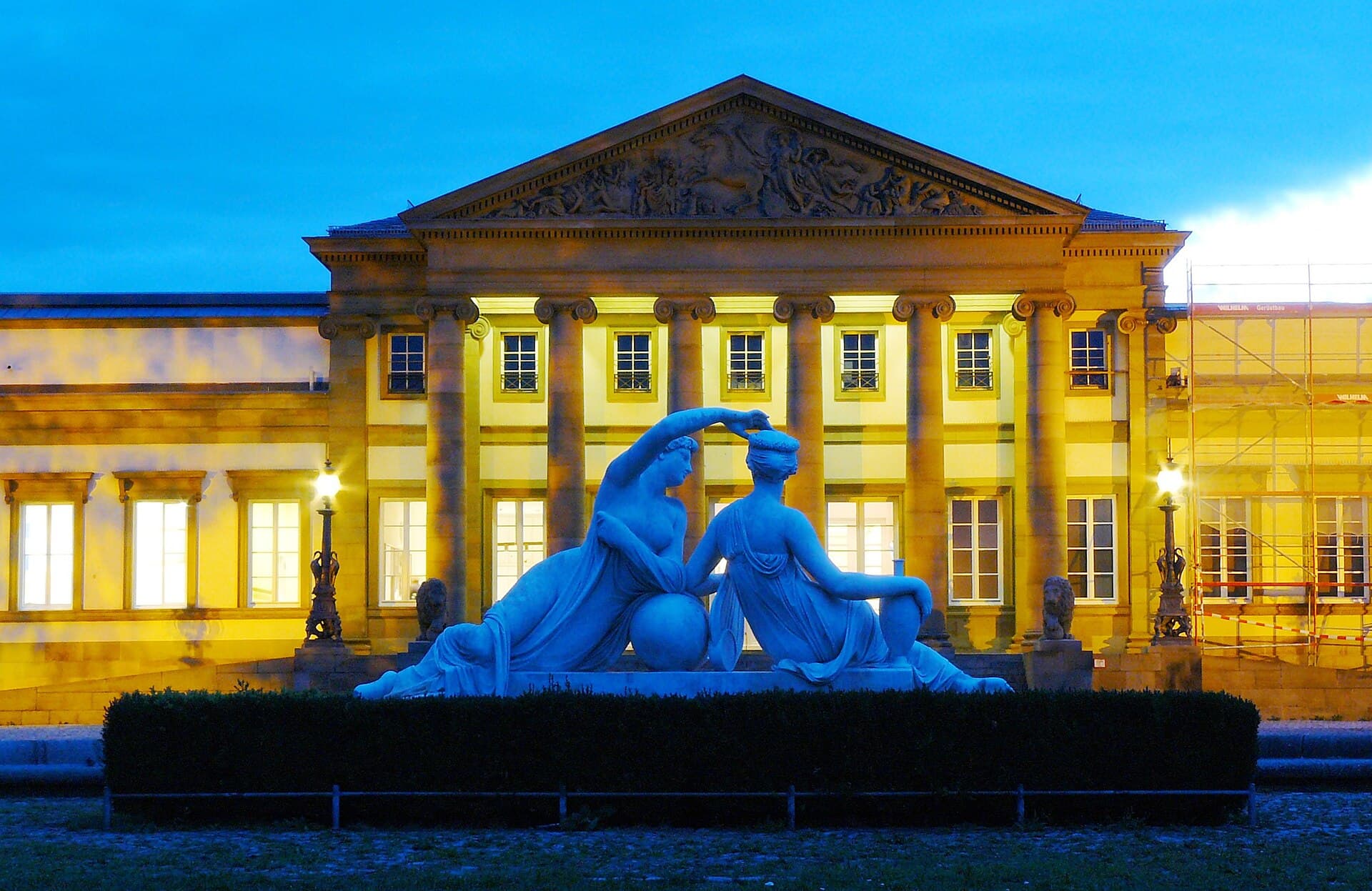 Rosenstein Castle Natural History MuseumRosenstein Castle is a nineteenth-century neoclassical building set in a large p18 minutes walk4.7
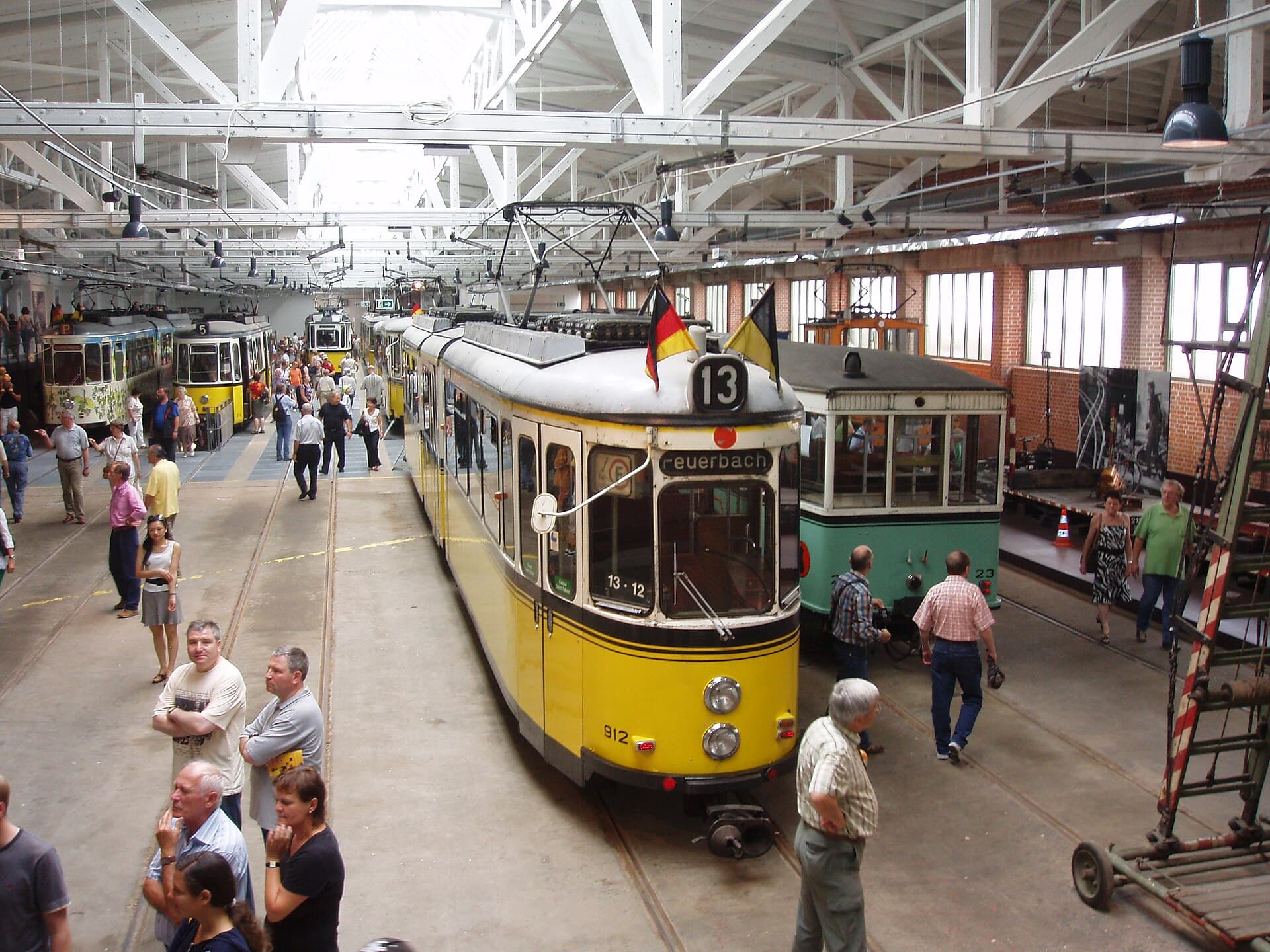 Stuttgart Tram WorldThe tram museum of the municipal transport company occupies the old Bad Cannstat21 minutes walk4.6
Because the modern city began as a stud farm founded by a duke of Swabia in the tenth century in the neighbouring valley — the name Stuttgart derives from Stutengarten, the mares' garden. The two sites are entirely distinct in origin: Bad Cannstatt an old Roman town, Stuttgart a medieval settlement that grew around it and absorbed it in 1905.