
Obelisk of Thutmose III
Egyptian granite from Karnak some 3,500 years old, raised by Theodosius in 390 AD on a marble base carved with him in the imperial box.
Maurice Flesier — CC BY-SA 4.0 · Antoine-François Andréossy — Public domain · współautor korporatywny: Strumper & Co adres wydawniczy: Hamburg : Strumper i Co., 1901 — Public domain · Agence Rol. Agence photographique (commanditaire) — Public domain
About two metres under your feet lies the chariot track where something like a hundred thousand people once roared, and where in 532 the Nika riots broke out, burned half of Constantinople and very nearly cost Justinian his throne. Do not come expecting terraces or grand ruins: what survives of the Hippodrome is essentially its shape, a long public garden stretched between Hagia Sophia and the Blue Mosque that still follows the course laid out by Septimius Severus and enlarged by Constantine in the fourth century; the only structural remains are the brick vaults of the curved end, visible from the street below the square's southern tip. The value here lies in knowing what you are walking over, not in what you can see. What you can see is not nothing, though. Three monuments that stood on the central barrier of the track are still exactly where they were. The pink-granite Egyptian obelisk was cut for Thutmose III at Karnak some three and a half thousand years ago and raised here by Theodosius in 390 AD, who set it on a carved marble base that shows him watching the races from the imperial box. The bronze Serpent Column was made as an offering at Delphi to celebrate the Greek victory over Persia in 479 BC; its three heads went missing around three centuries ago and a single upper jaw survives in the Istanbul Archaeology Museums. The rough stone Walled Obelisk lost its bronze plating to the Crusaders' looting in 1204. At the northern end, the green-domed German Fountain was Kaiser Wilhelm II's gift to Sultan Abdülhamid II, built in Germany and inaugurated here in 1901; look up inside for the gold mosaic. Under the Ottomans this became Atmeydanı, the Horse Square, used for javelin games and imperial festivities, and the Ibrahim Pasha Palace that still overlooks it from the west now houses the Museum of Turkish and Islamic Arts, the best thing to add to the visit if you have the time. The square is free and open at all hours, flat and easy with a pushchair, and in April the tulip beds come out. Summer daytime is hot and packed, and the fringe by the mosque is thick with people offering tours, carpets and restaurants, so come early in the morning or after sunset, when the obelisk and the minarets around it are lit. Tram T1 to the Sultanahmet stop.
Egyptian granite from Karnak some 3,500 years old, raised by Theodosius in 390 AD on a marble base carved with him in the imperial box.
Bronze offering made for Delphi after the defeat of Persia in 479 BC; one upper jaw of its three lost heads survives in the Archaeology Museums.
Kaiser Wilhelm II's gift, inaugurated in 1901; look up at the gold mosaic under the dome.
Sultanahmet Meydanı, Binbirdirek Mh., Fatih
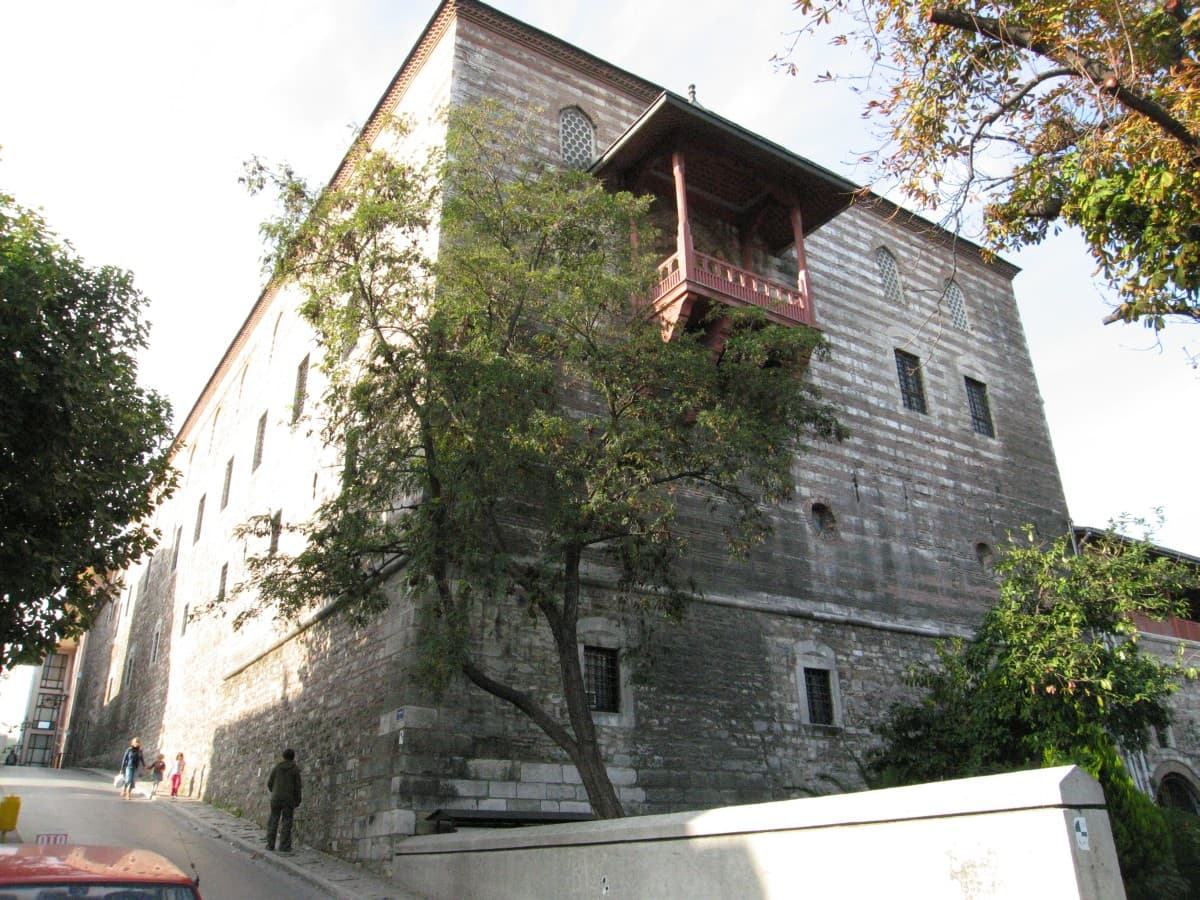 Turkish and Islamic Arts MuseumOne of the finest carpet collections on earth is not in Tehran or Cairo but in a1 min walk
 Blue MosqueAn early seventeenth-century mosque on Sultanahmet Square, standing directly opp2 min walk4.6
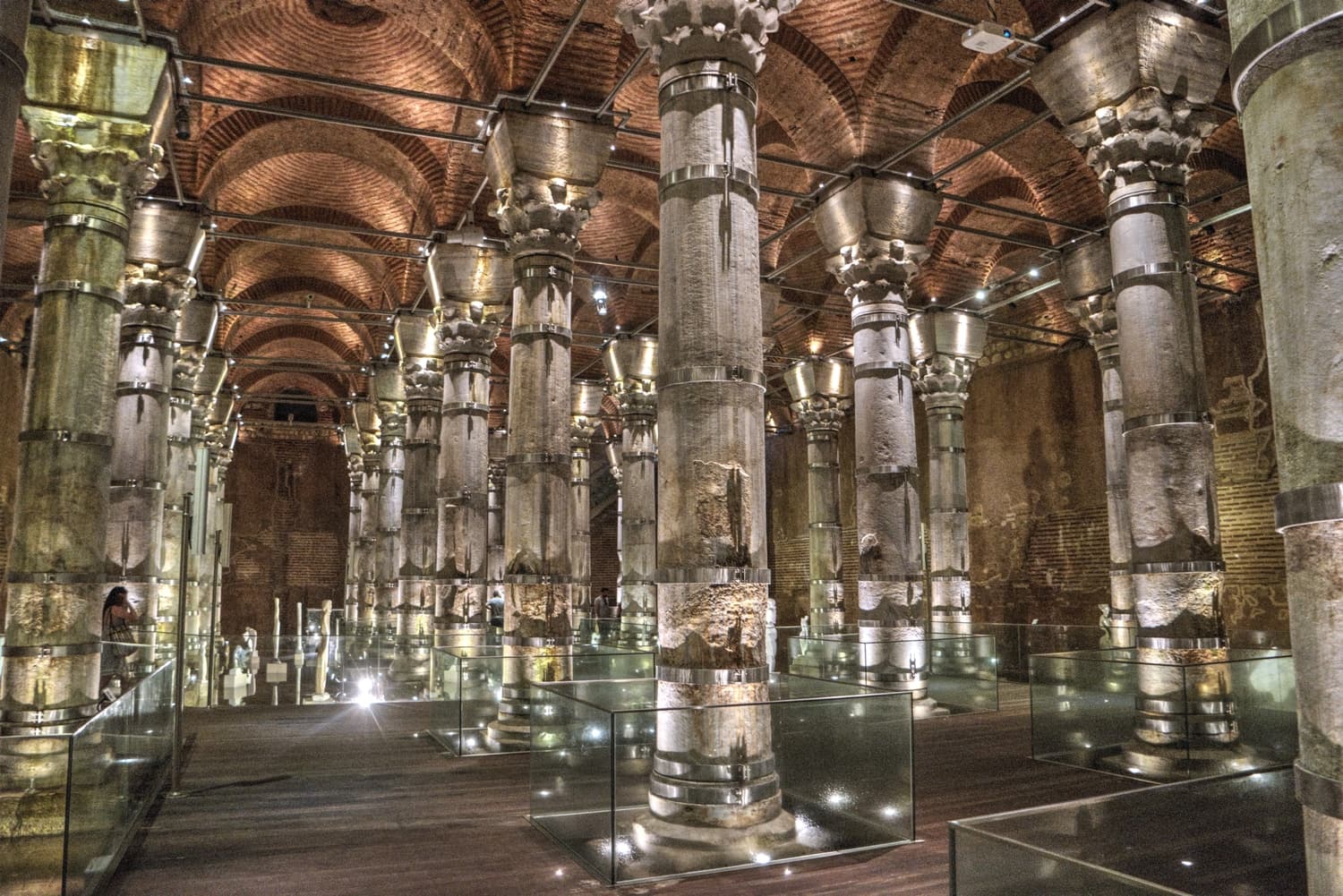 Theodosius Cistern (Şerefiye)Sixteen centuries old, and for the better part of a century it sat out of sight.3 min walk
 Basilica CisternThe largest surviving underground cistern of Constantinople, below ground a few 4 min walk4.5
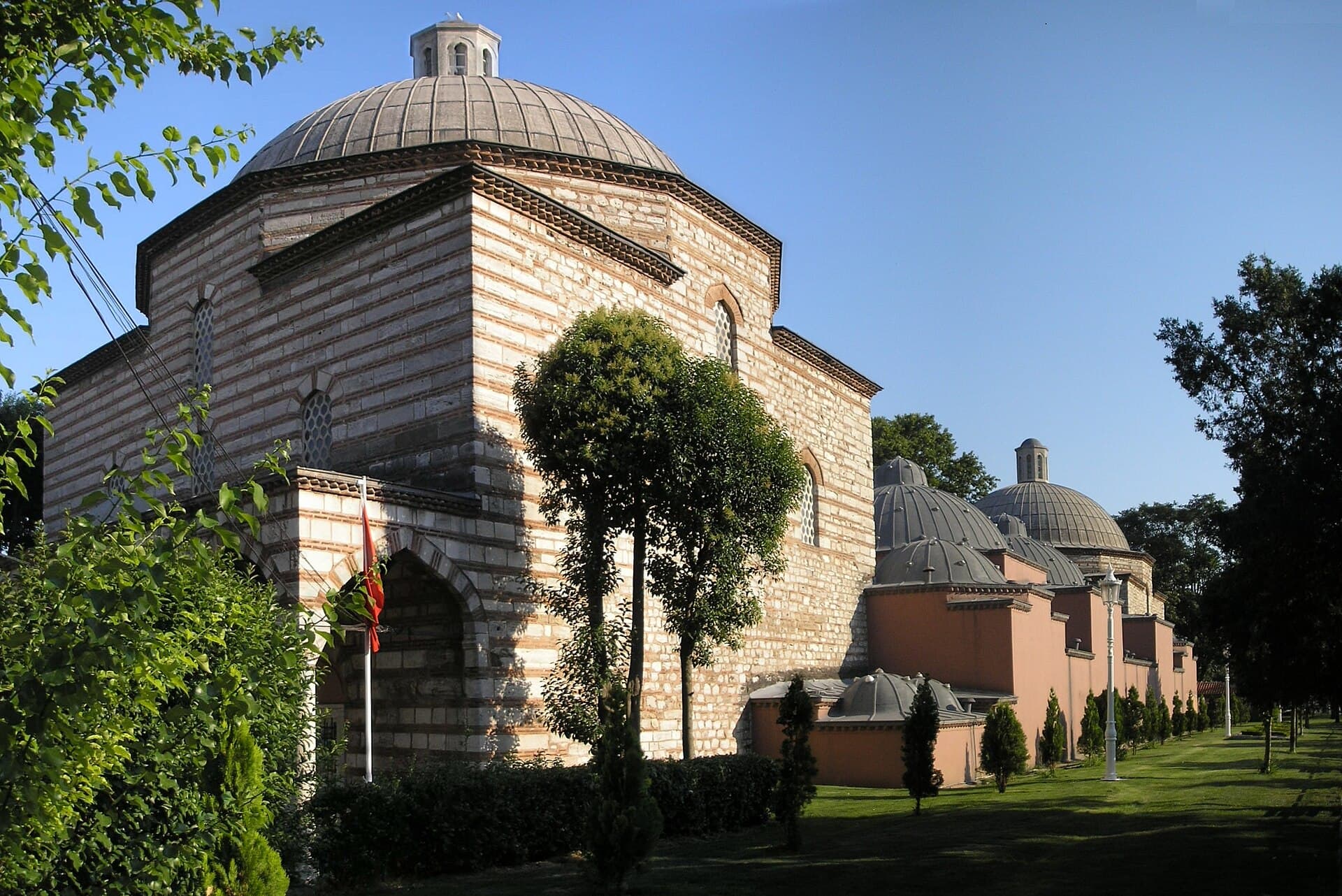 Hürrem Sultan HammamBetween Hagia Sophia and the Blue Mosque, where every tour group stops for photo4 min walk
Give it half an hour, no more: read the obelisk base, step into the German Fountain and look up, then move on. There are hardly any visible ruins and nothing to pay for, and if you are with tired children an unhurried walk through is plenty.
Before nine in the morning or after sunset, and outside June-August if you can. At a summer midday there is little shade between the obelisks, and the stretch nearest the mosque is full of people pitching tours and restaurants.
Sign in to write your review of this place.
No reviews yet — be the first.