
A settlement built in stone
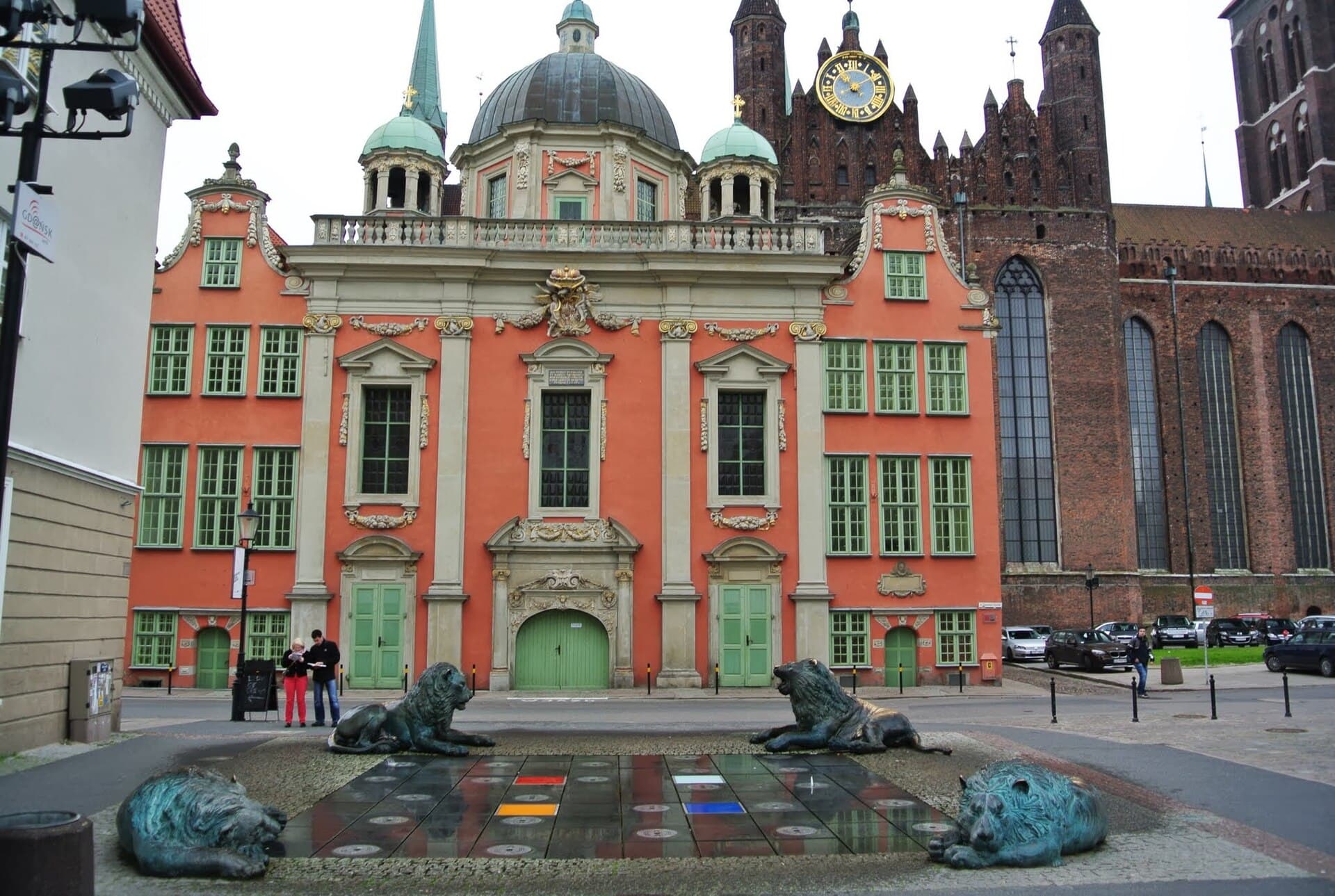
A Catholic church pressed against the city's largest Protestant one.
Diego Delso — CC BY-SA 3.0 · Diego Delso — CC BY-SA 3.0 · FOTO:Fortepan — ID 62406: Adományozó/Donor: A R. archive copy at the Wayback Machine — CC BY-SA 3.0 · Andrzej Otrębski — CC BY-SA 4.0
A small baroque church adjoining St Mary's, built between 1678 and 1681, and the only baroque building of its kind in Gdańsk. The reason for its construction is purely political, and that is what makes it interesting: Gdańsk was an overwhelmingly Protestant city, and its great churches — St Mary's among them — had become Lutheran. The Polish king John III Sobieski wanted the city's Catholics to have a place of worship, so this church was funded from his own purse and built directly against the Protestant one. The adjacency is deliberate: a small Catholic church pressed against the city's largest Protestant one, a political settlement built in stone. It was designed by the Dutch architect Tylman van Gameren, and its facade is carved with unusual richness for its size. It is very small and the visit takes minutes, but it explains something about Gdańsk that the great buildings do not: a city run by negotiation between confessions and interests.
A Catholic church pressed against the city's largest Protestant one.
A Dutch architect among the most important working in Poland in the seventeenth century.
Richness of carving unusual for a building this size.
Beside St Mary's Church, the old town
 The Four Quarters FountainA contemporary fountain on the Coal Market in Gdansk's Main Town, installed in 21 minute walk4.6
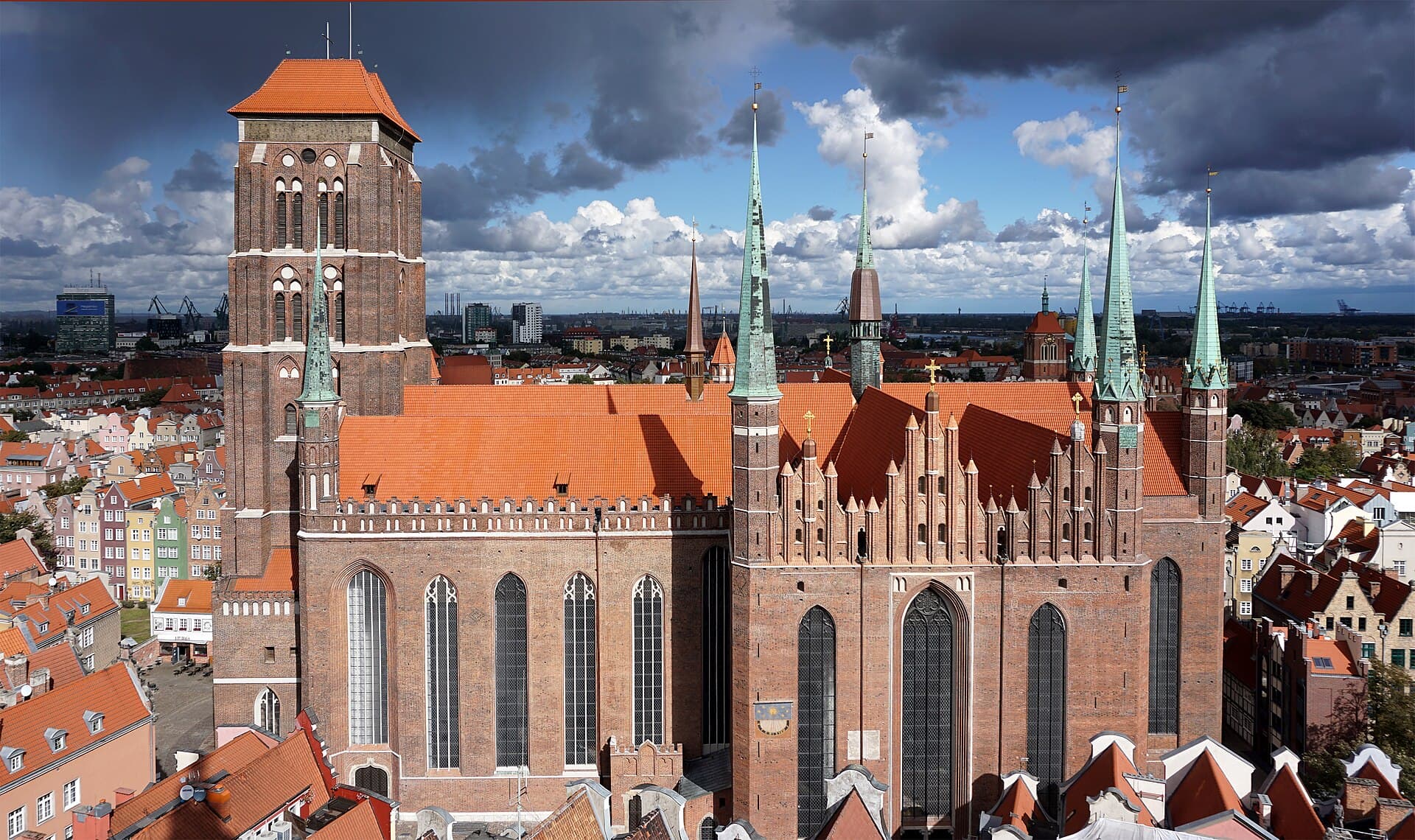 St. Mary's — the Largest Brick ChurchGdansk's St. Mary's is the largest brick church on earth: one hundred and five m1 minute walk4.8
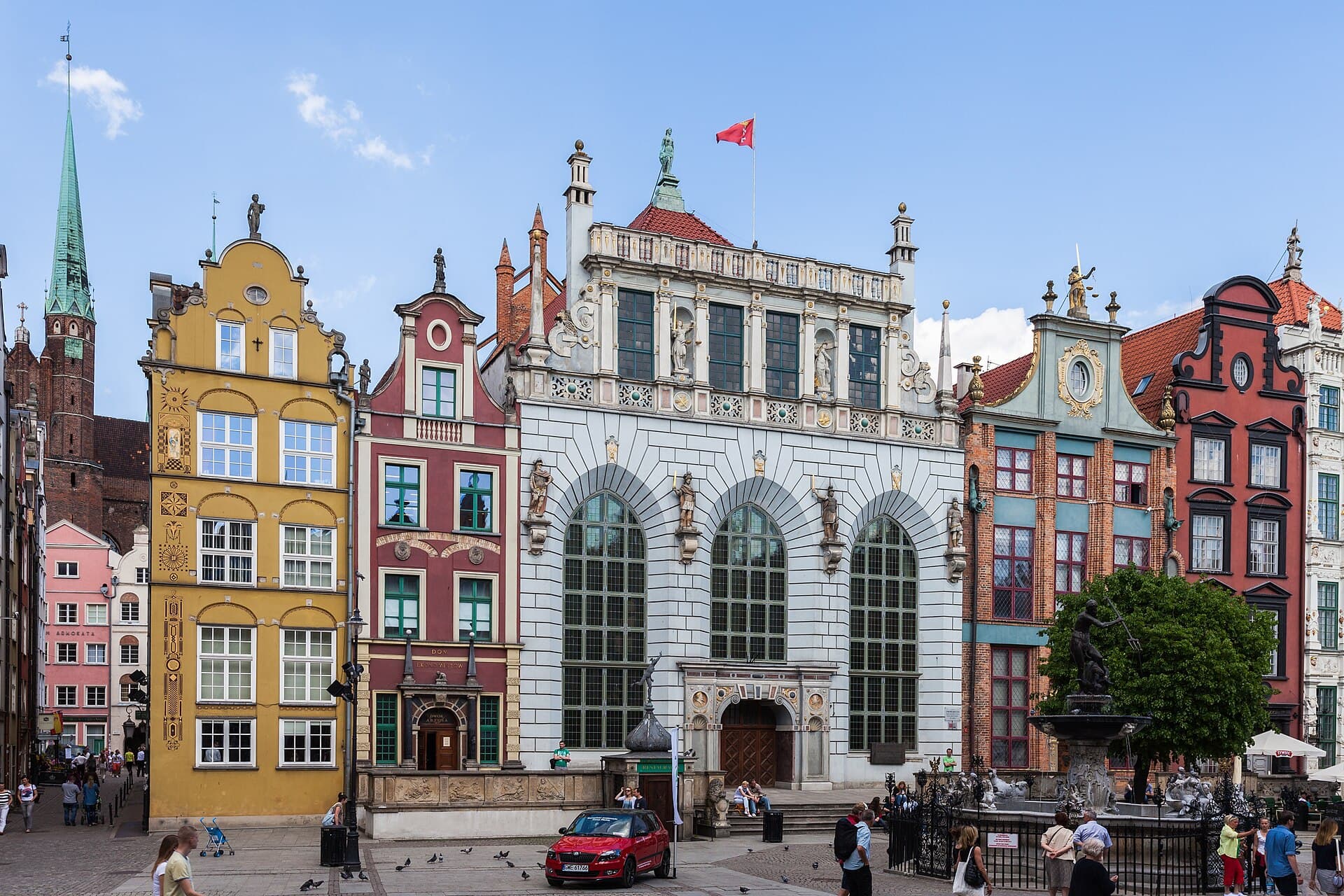 Artus CourtA merchants' hall in the heart of Gdańsk's Long Street, the centre of the city's2 minutes walk4.9
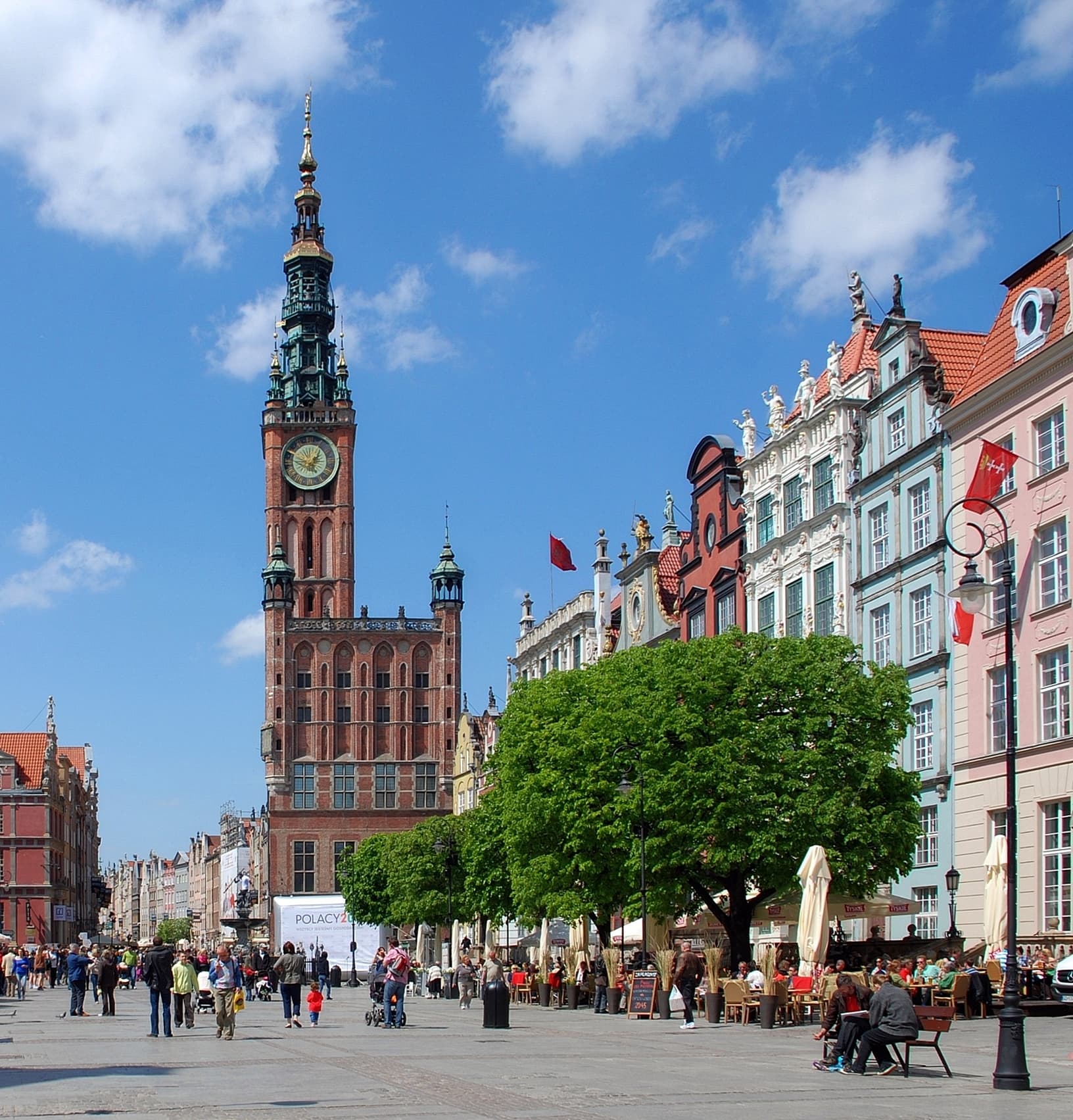 The Royal Way & Long MarketThe Royal Way is Gdansk's golden theatre: from the Highland Gate through the Gol3 minutes walk4.9
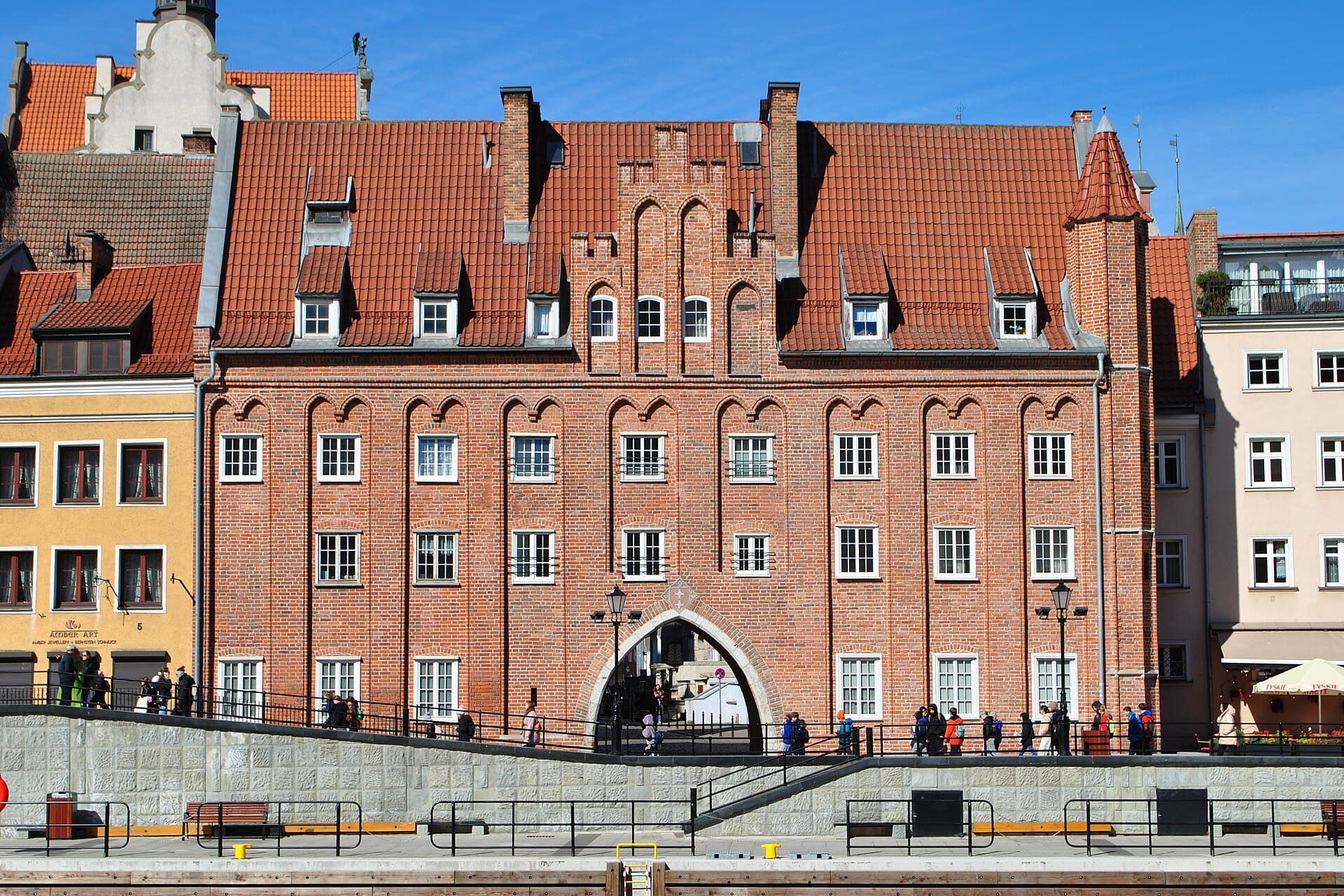 The Bread GateA mid-fifteenth-century Gothic water gate on the Gdańsk waterfront, one of the g3 minutes walk4.6
Lutheranism spread rapidly through the trading cities of the Baltic in the sixteenth century, and Gdańsk — through its links to the Netherlands and northern Germany — converted early. The city remained nominally under the Catholic Polish crown but enjoyed wide self-government that extended to its religious affairs. That tension between a Protestant city and a Catholic king is what this church explains.
Minutes. The church is very small and you see all of it in a quarter of an hour. But stop at the facade from outside as well and look at how it presses against the vast bulk of St Mary's — that detail is the whole story, and most passers-by never notice it.