
The seven-tonne bell
Bordeaux's historic voice hung between two towers for centuries.
Joancharmant — CC BY-SA 3.0 · FrDr — CC BY-SA 4.0 · FrDr — CC BY-SA 4.0 · FrDr — CC BY-SA 4.0
The Grosse Cloche is the symbol Bordeaux loves best — you will find it on the city's own coat of arms: a gate of two round fifteenth-century towers carrying between them a bell of seven and a half tonnes, at once the old city hall's belfry and its jail. The bell was the city's voice: announcing harvest, fires and dangers — and when the king raged at rebellious Bordeaux he punished it by confiscating its bell, a blow harsher than any fine. Beneath it small cells closed on offenders; above it a gilded eighteenth-century astronomical clock. You pass the gate today on Rue Saint-James — the old Santiago pilgrim road with its bronze scallops — and the quarter around it is among Bordeaux's liveliest, full of young cafés.
Bordeaux's historic voice hung between two towers for centuries.
An eighteenth-century astronomical clock adorning the face.
The old pilgrim street, now among the city's liveliest.
Rue Saint-James, 33000 Bordeaux
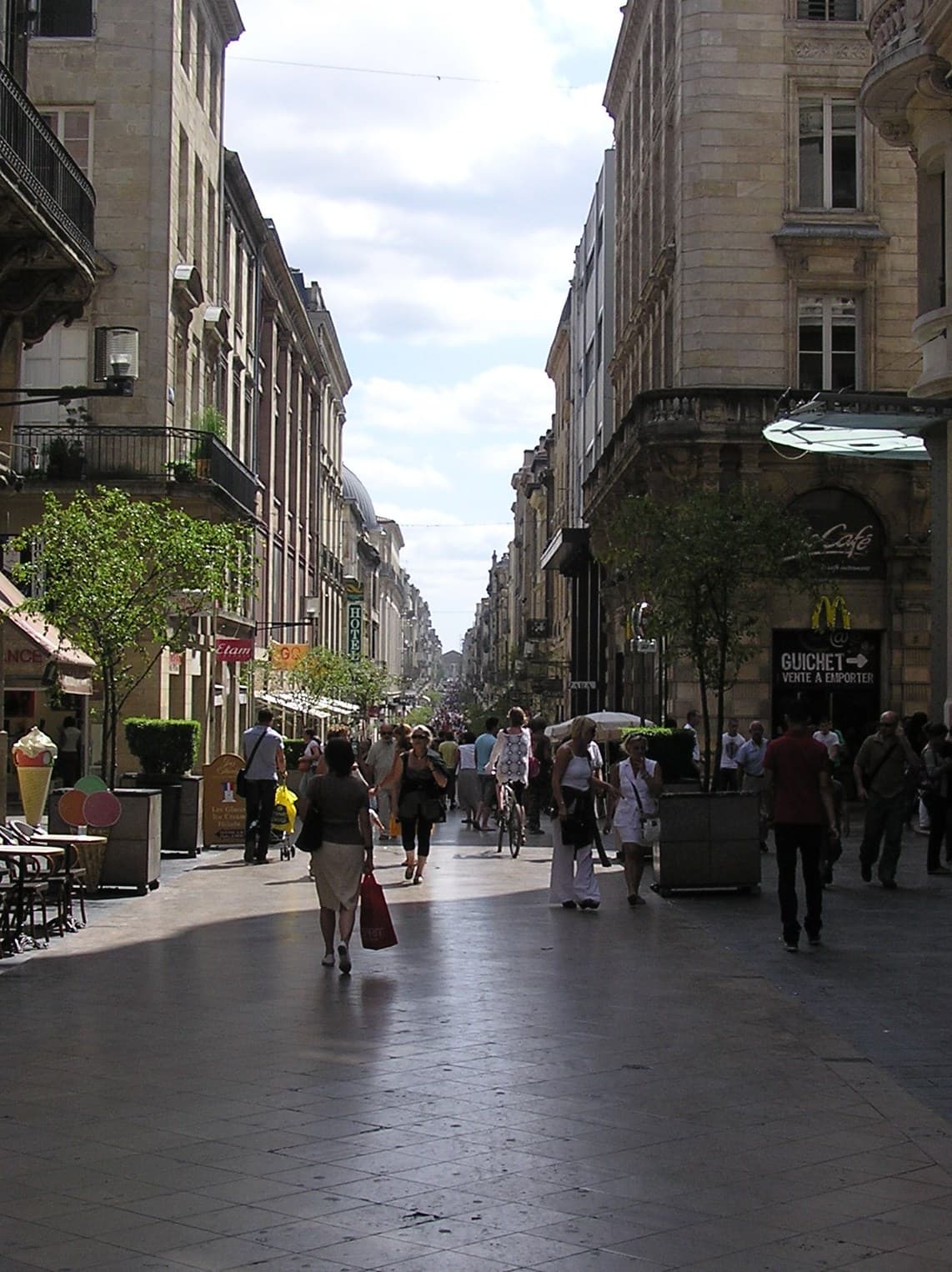 Rue Sainte-CatherineEurope's longest pedestrian shopping street, running about **1,200 metres** in a3 minutes walk4.2
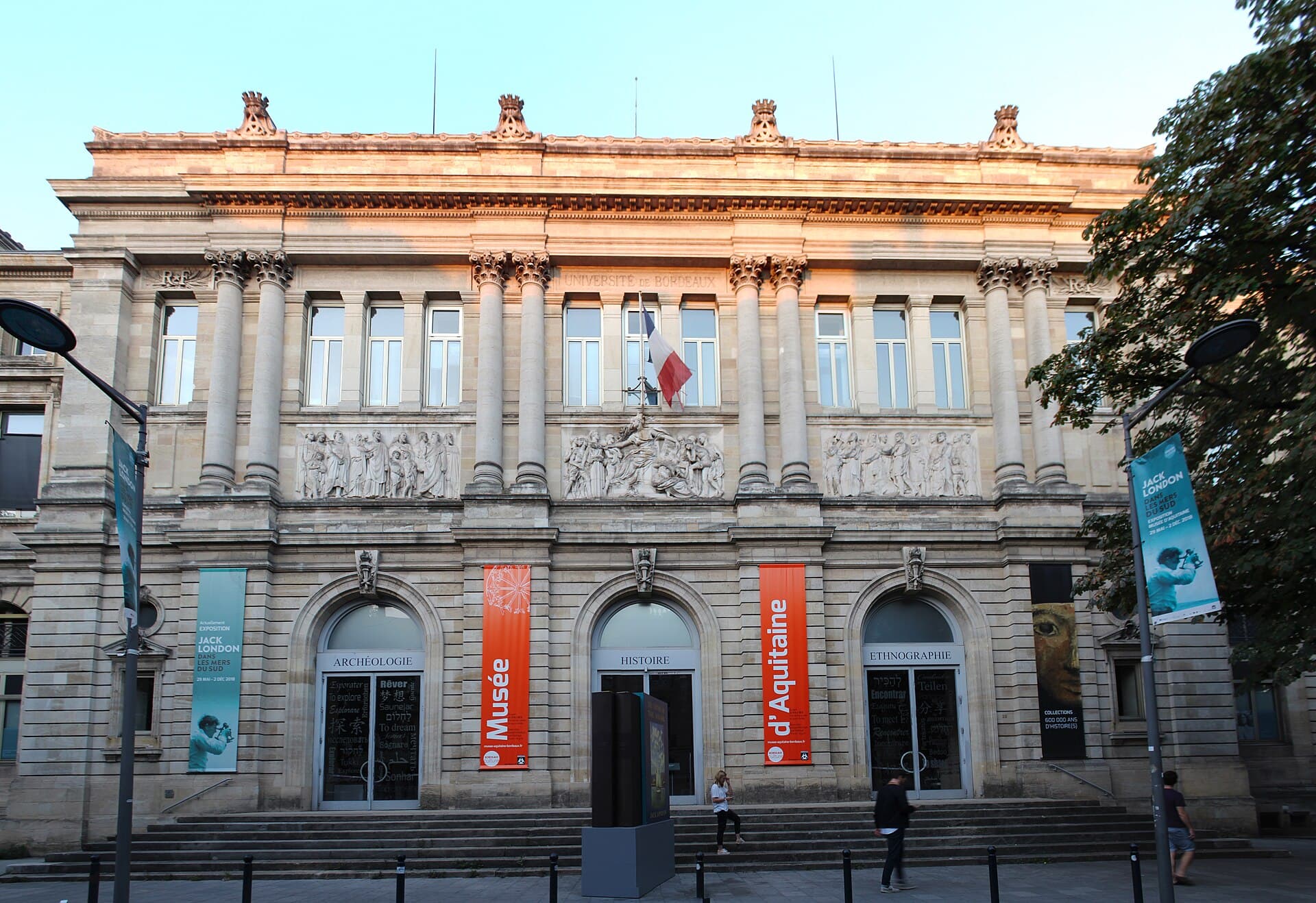 Musée d'AquitaineThe museum to start Bordeaux with, if you want to understand what you see afterw4 minutes walk4.6
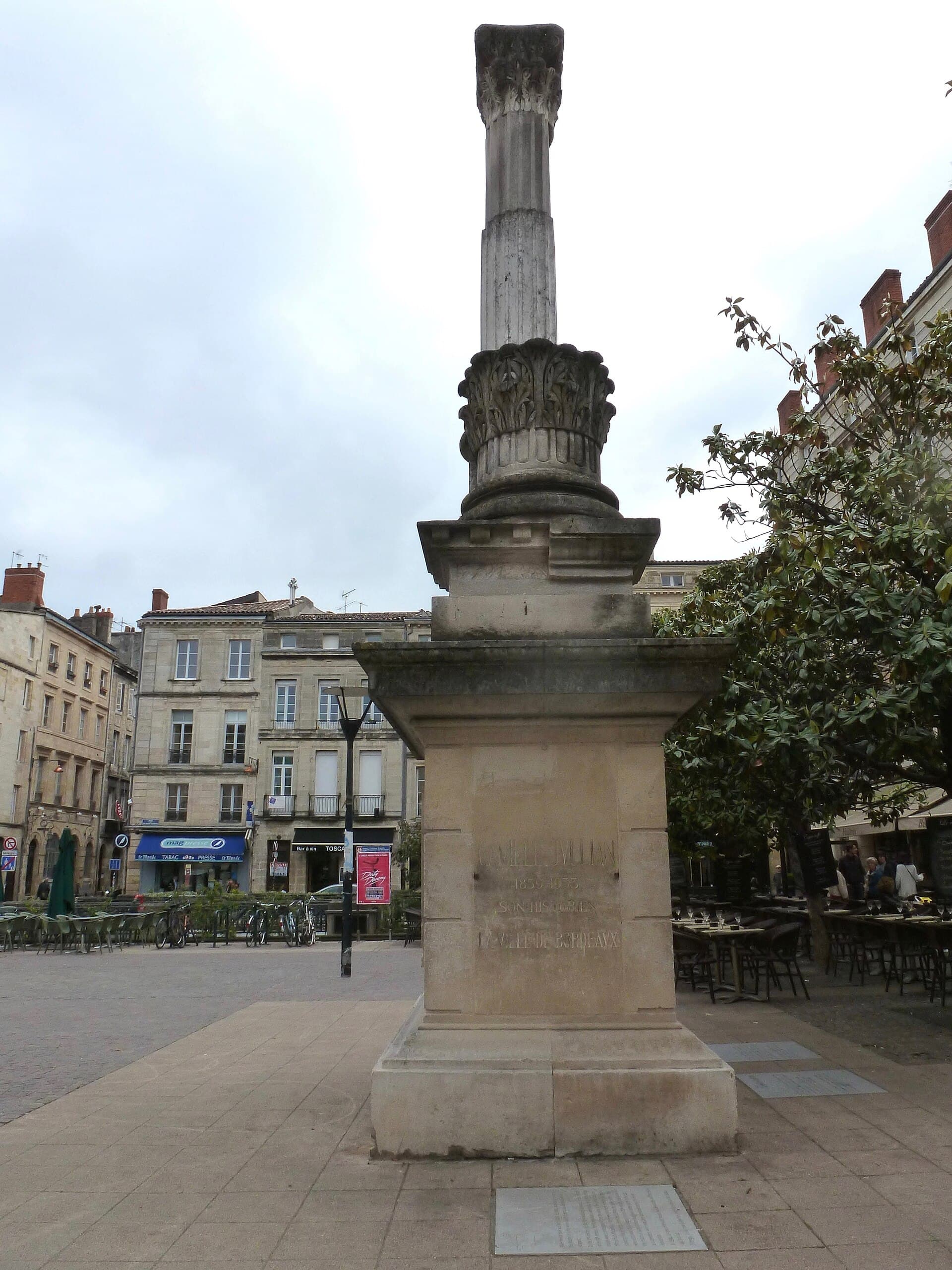 Place Camille-JullianA square in the Saint-Pierre quarter of historic central Bordeaux, ringed by caf5 minutes walk4.3
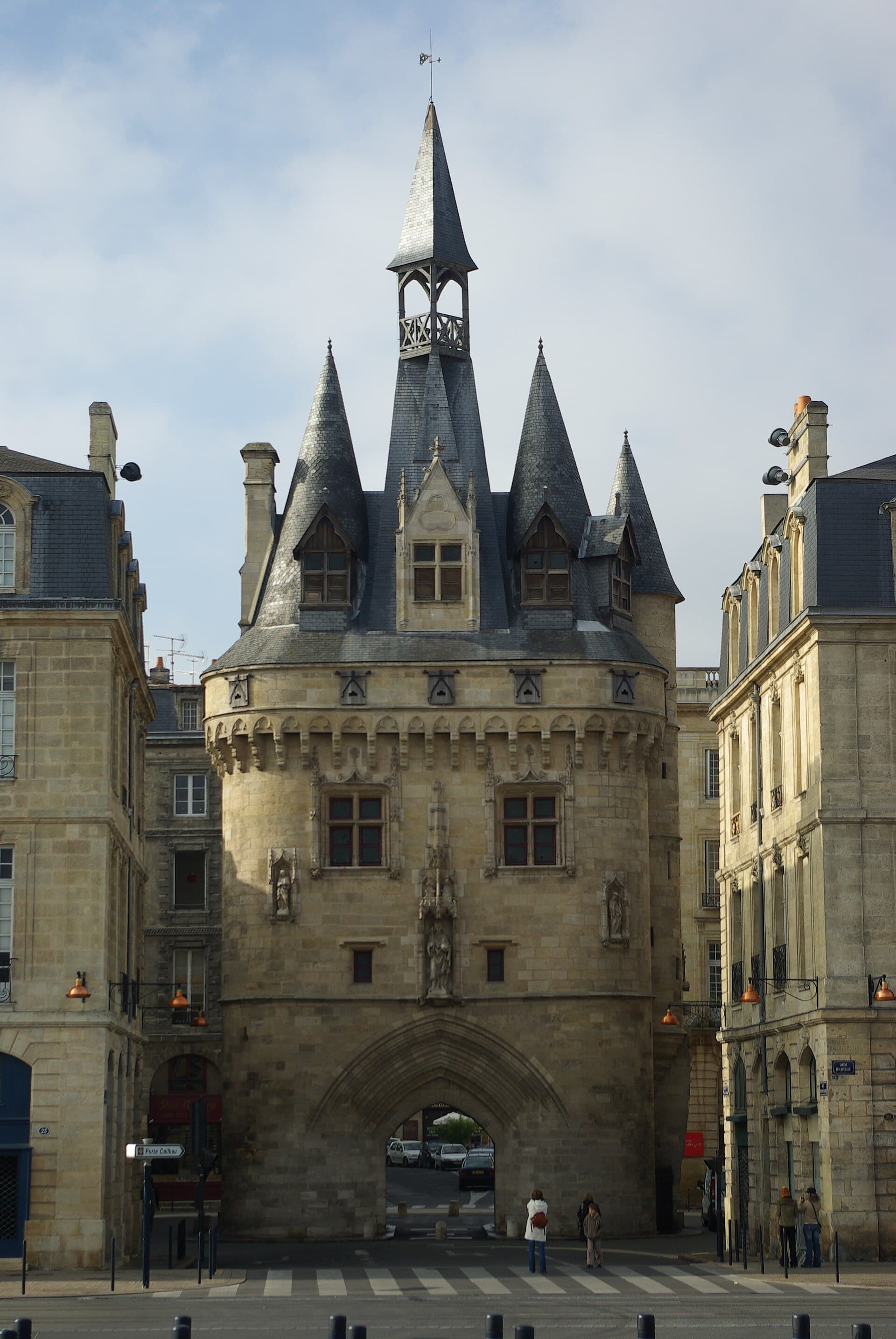 Porte CailhauThe Porte Cailhau is Bordeaux's loveliest old gate: a white tower of 1495 with p6 minutes walk4.5
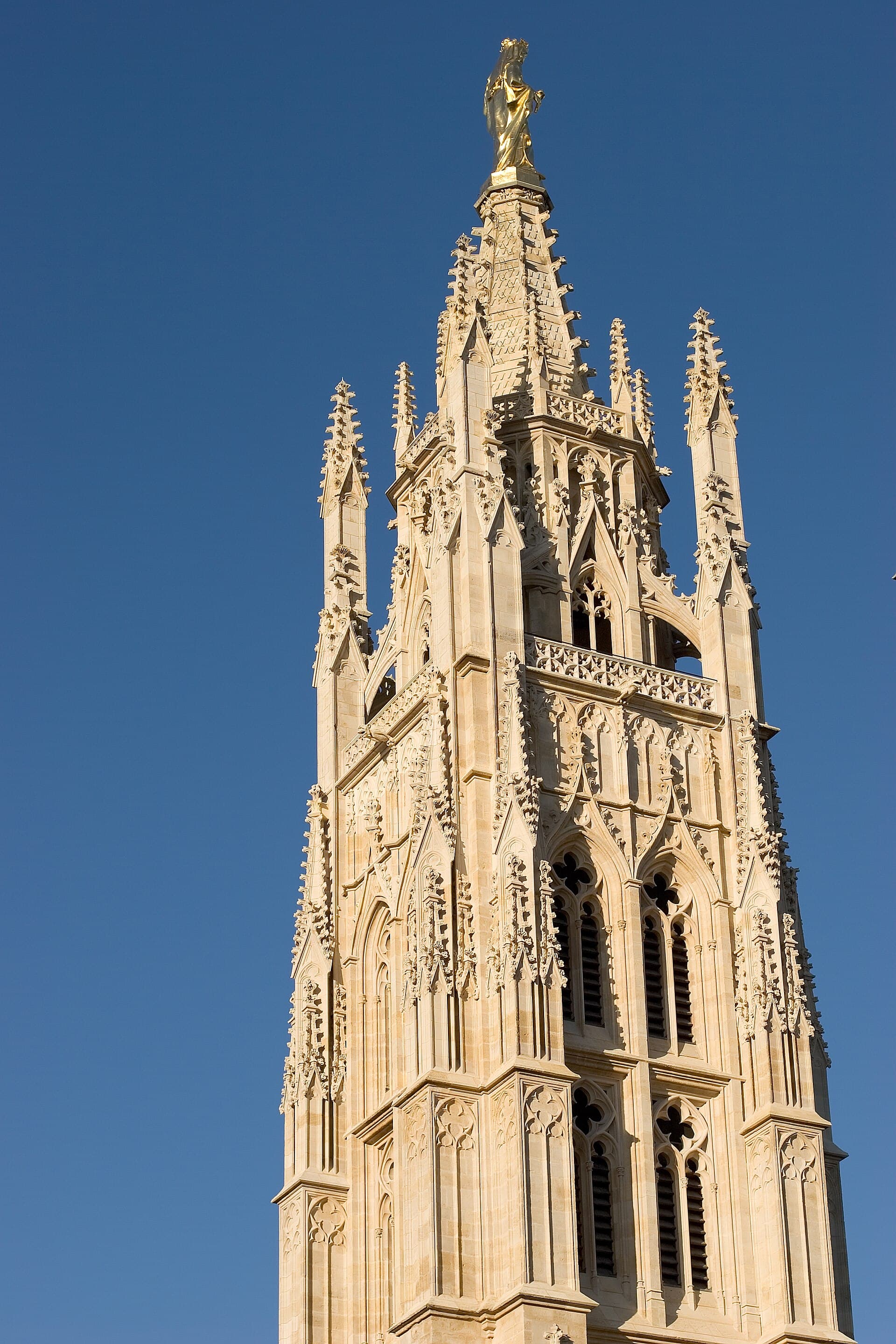 Pey-Berland TowerThe Pey-Berland is Bordeaux cathedral's bell tower — standing alone metres away 6 minutes walk4.6
In the sixteenth century Bordeaux rose against the salt tax and the king sent his army; part of the punishment was taking down the bell to be crushed — a calculated humiliation for a city whose bell was its identity and municipal voice. It was later restored, and the tale explains its emotional rank to this day.
Short tours climb tower and cells on seasonal and weekend dates with token tickets and patchy times — treat it as luck's bonus, not a plan. Exterior and quarter are the real visit.
It is five minutes from the Porte Cailhau through the old town — make the two one 'gates of Bordeaux' line with Place Victor-Hugo between, ending in the Saint-James cafés.