
An organised dwelling
Areas set aside for sleeping, working and fire — early evidence of planning.
Miniwark — CC BY-SA 3.0 · Miniwark — CC BY-SA 4.0 · Miniwark — CC BY-SA 4.0 · Ina Hensel — CC BY-SA 4.0
A prehistoric archaeological site in a cave at the foot of Mont Boron east of the port of Nice, among the most important Palaeolithic sites in Europe. The cave was occupied intermittently over hundreds of thousands of years, and excavation has revealed successive layers holding stone tools, animal bones and traces of hearths. Among the most significant finds are human remains of a pre-Neanderthal population, and evidence that the space inside the cave was organised — its occupants set aside areas for sleeping, working and fire. That last point is what makes the site scientifically important: organising a dwelling is behaviour that implies planning, and this is among the earliest evidence of it. Decisive practical points: this is a scientific site rather than a large museum, hours are limited and visits may run as guided tours at set times — always check before going. The material needs explanation: anyone visiting without a tour will see a rock hollow and layers of earth with no context.
Areas set aside for sleeping, working and fire — early evidence of planning.
Among the site's most important finds, weighty in the study of human evolution.
Without explanation you see rock and soil — context is everything here.
East of the port of Nice, at the foot of Mont Boron
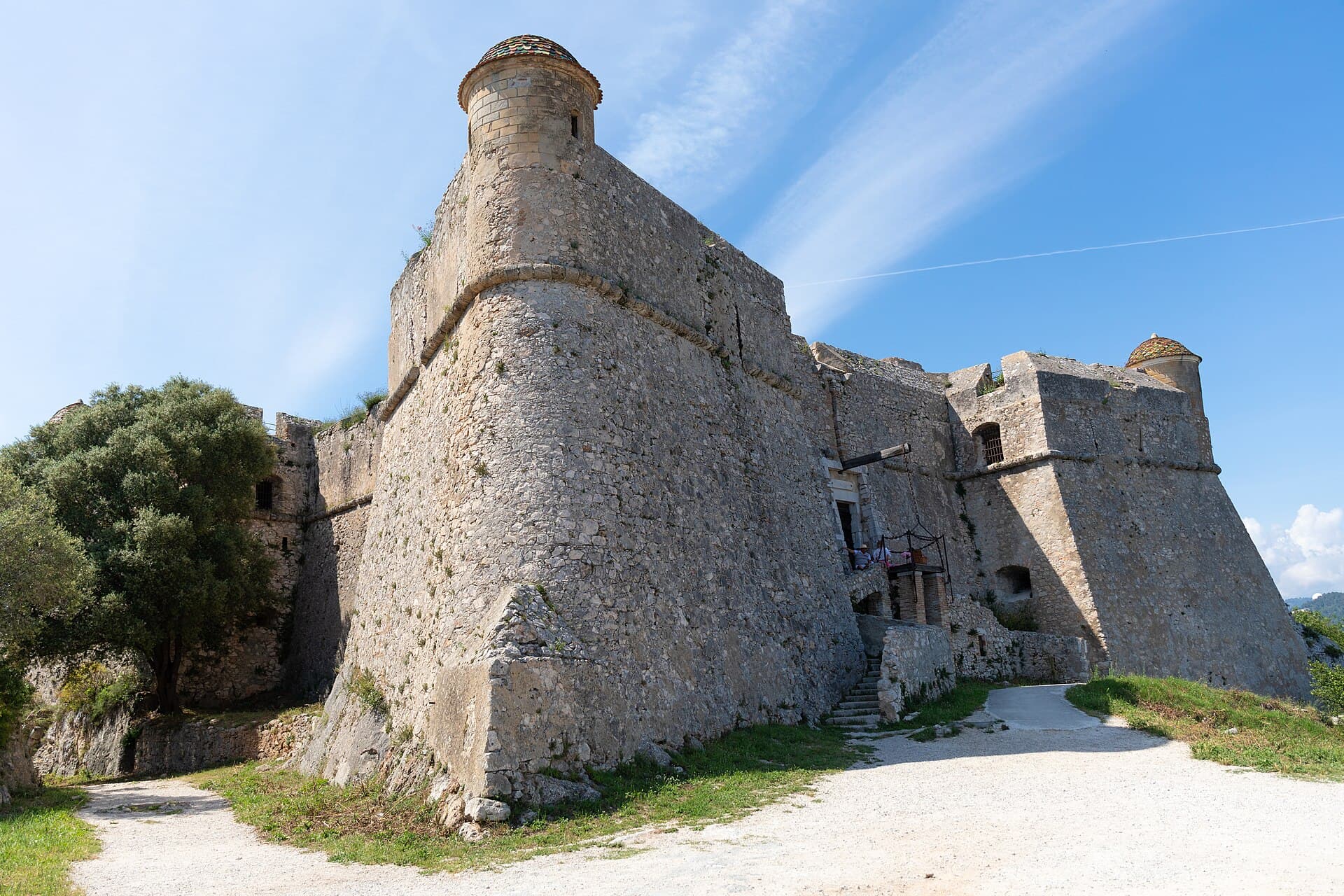 Fort du Mont AlbanA sixteenth-century fort on the summit of Mont Alban between Nice and Villefranc16 minutes walk4.6
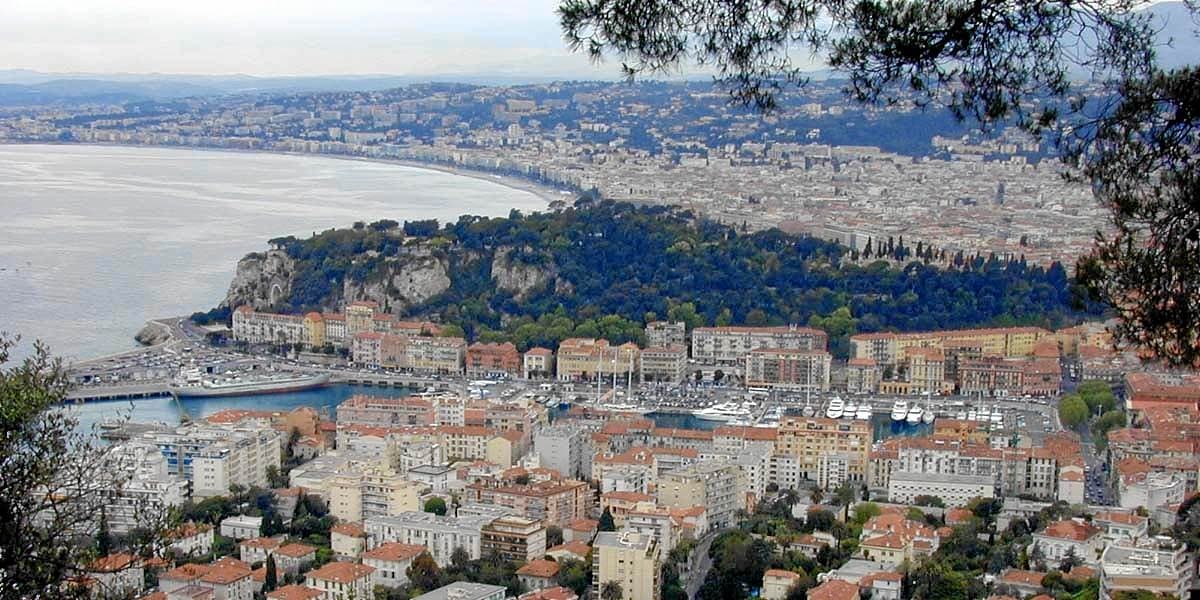 Castle Hill (Colline du Château)Castle Hill is the best place to begin Nice. From the top you get, in one sweep,17 minutes walk4.8
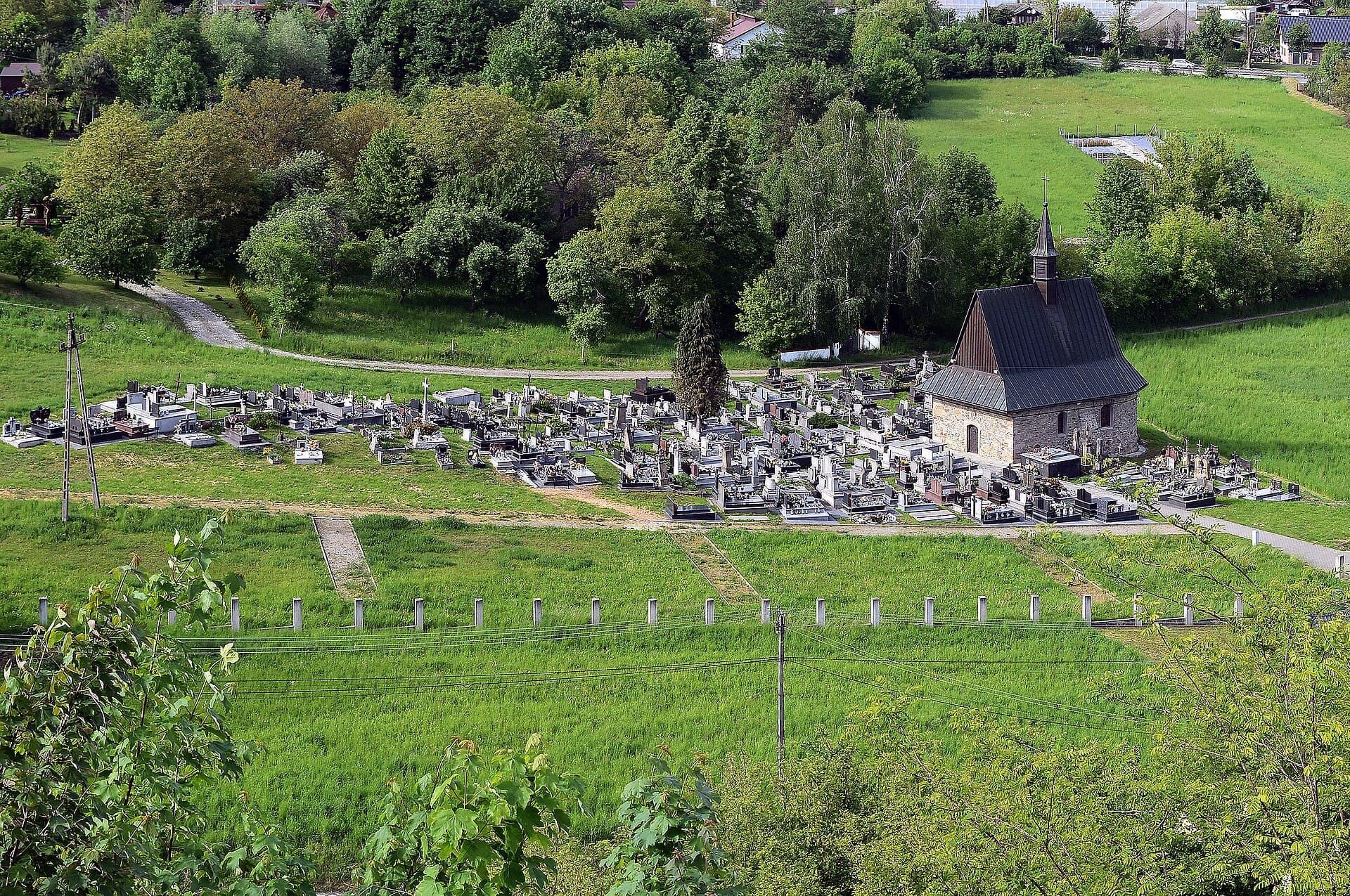 Castle Hill CemeteryOn the summit of the castle hill, where Nice's citadel stood before Louis XIV de17 minutes walk4.9
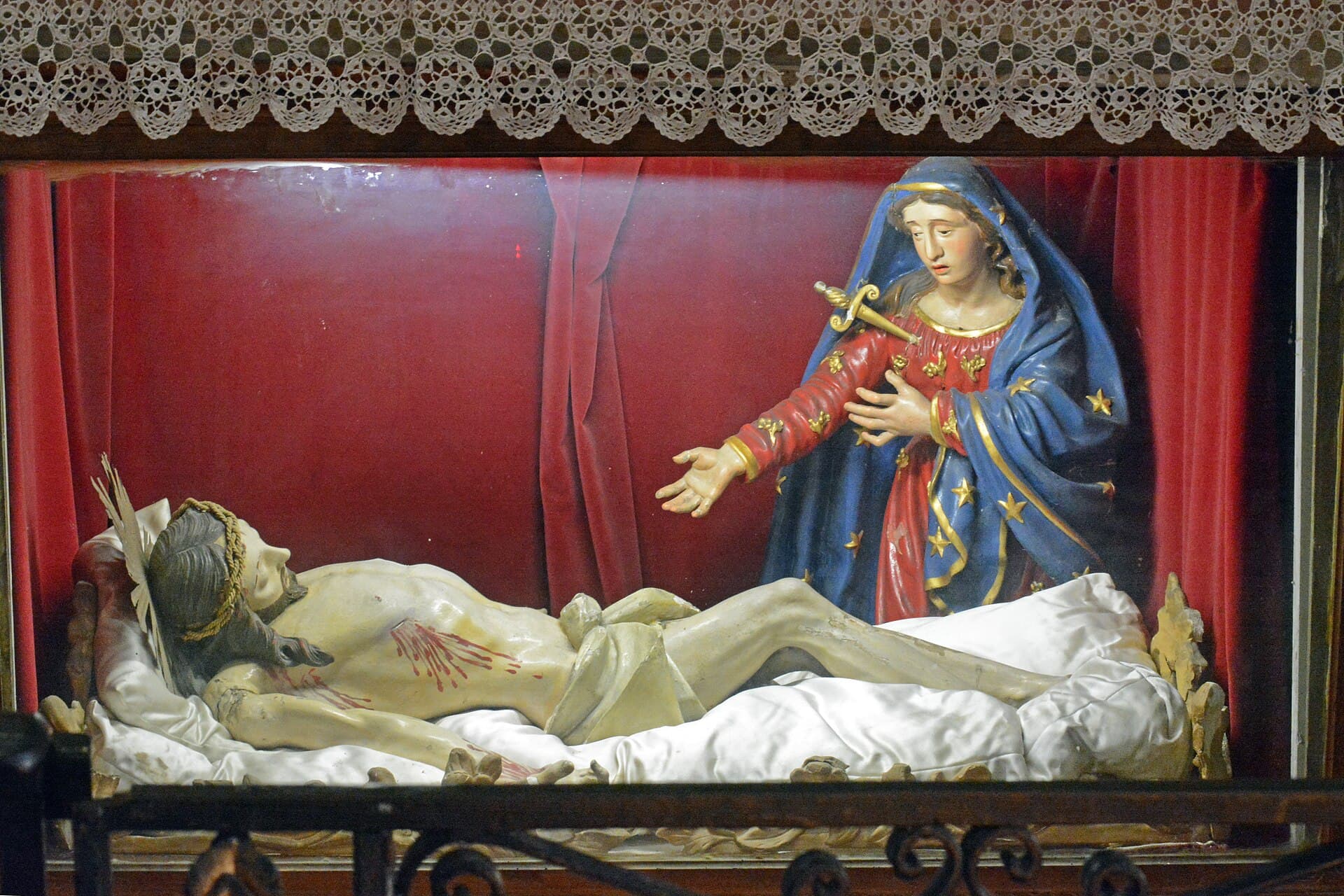 The Church of Saint James the GreaterA Jesuit church in old Nice, built in the seventeenth century and known locally 20 minutes walk4.7
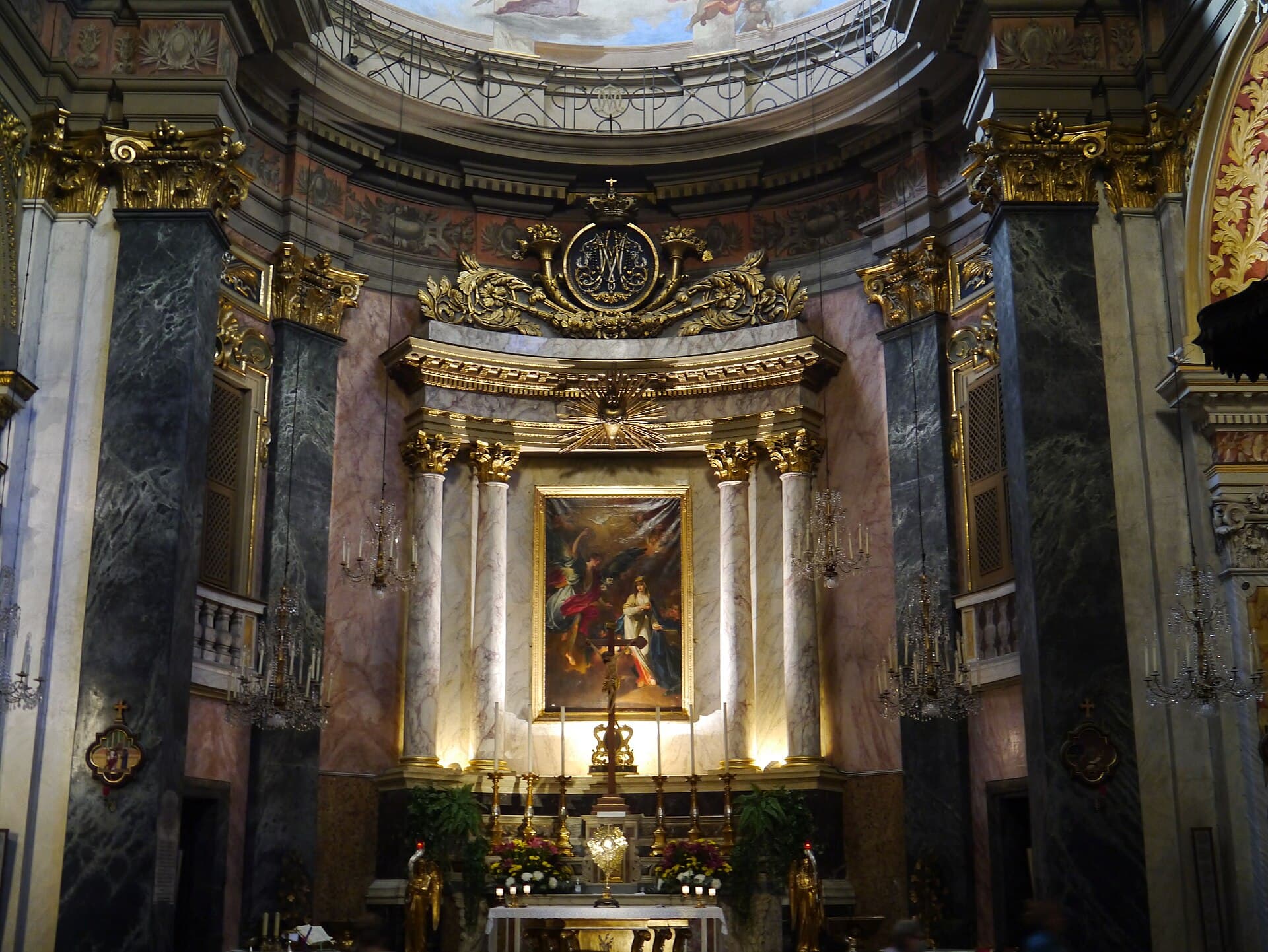 The Church of the AnnunciationThe oldest church in old Nice, known among residents as Santa Rita after Saint R20 minutes walk4.9
If prehistory interests you, very much — few sites of this importance are open to visitors at all. If it does not, the site is small and visually modest and you may find it dull. The guided tour makes all the difference.
Mont Boron above it: walking paths with views over Nice and Villefranche, among the city's finest walks. Pairing a site hundreds of thousands of years old with a coastal view makes a coherent half day.