
The eighteen boats
The floating middle.
Agatha Qiu at English Wikipedia — CC BY-SA 3.0 · Windmemories — CC BY-SA 4.0 · Akira CA — CC BY-SA 4.0 · Zhangzhugang — CC BY-SA 4.0 · Windmemories — CC BY-SA 4.0 · Zhangzhugang — CC BY-SA 4.0 · Zhangzhugang — CC BY-SA 4.0 · 三猎 — CC BY-SA 4.0
An old bridge across the Han River east of Chaozhou's old city, counted among China's «four famous ancient bridges»; it combines stone piers with a floating section, making it China's first bridge that opens and closes: its middle part is a line of moored boats that can be unfastened to let ships through. It began in 1171 as a pontoon of boats, then stone piers were built out from both banks towards the middle over the following decades; in 1435 it was rebuilt with twelve towers and 126 rooms on top and given the name Guangji. It is about 520 metres long, twenty-one of its old piers survive, and it has been a protected national monument since 1988. Between 2003 and 2007 it was restored to its Ming-dynasty appearance, with the eighteen boats back in the middle and its towers and pavilions under curved roofs; it is now a footbridge whose boats are drawn back at night, and light shows play on it at 8 and 9 pm, free to watch from both banks. Tickets cost CNY 20, and the bridge is open from 10 am to 5.30 pm on weekdays and from 9 am at weekends, with last entry at 5 pm, per visitor guides.
The floating middle.
On the piers.
From the riverbank.
Han River, by the east gate of the old city, Chaozhou, Guangdong
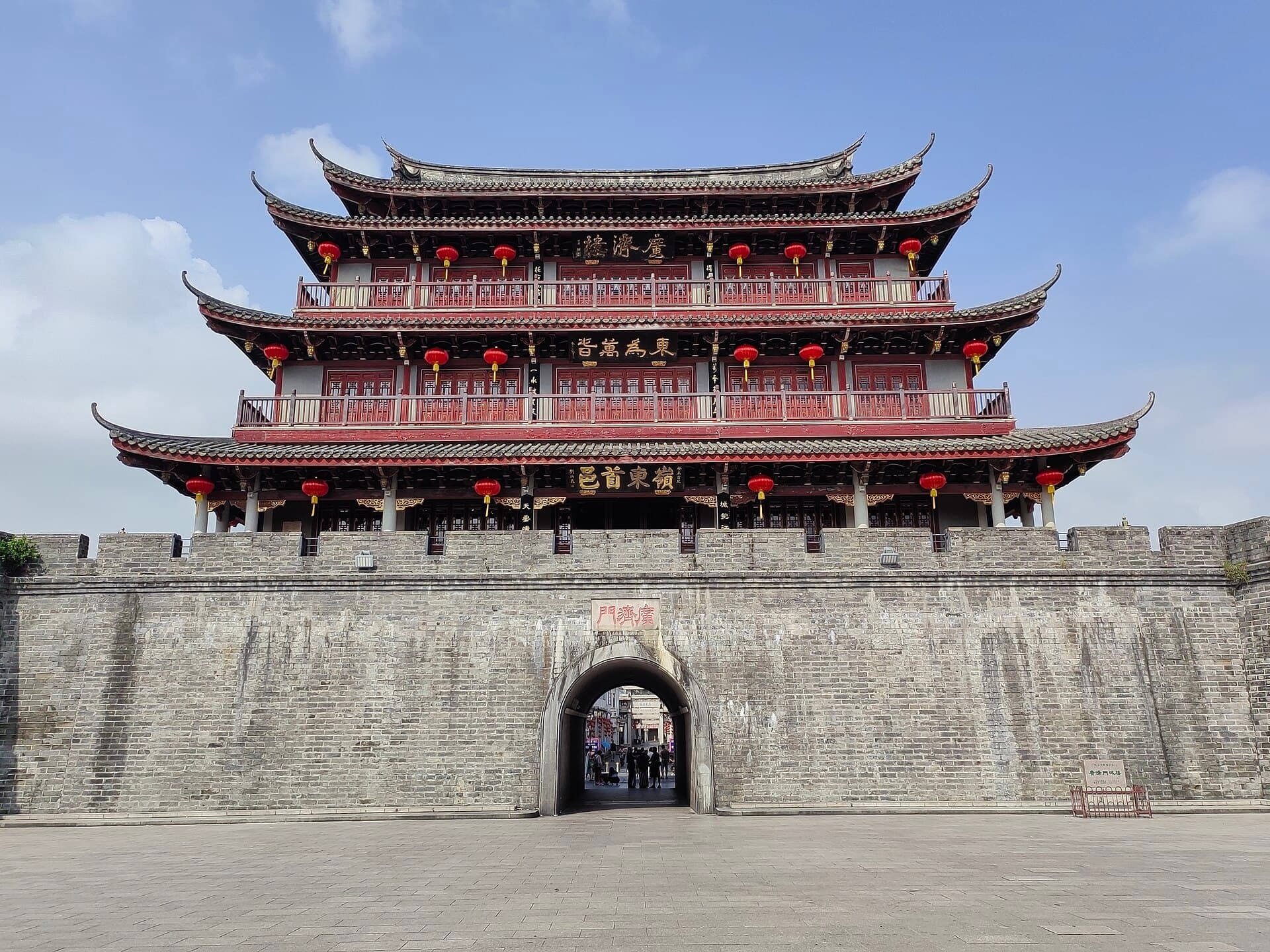 Guangji Gate and Chaozhou City WallThe old city gate facing Guangji Bridge, topped by a three-storey tower with dou5 minutes walk
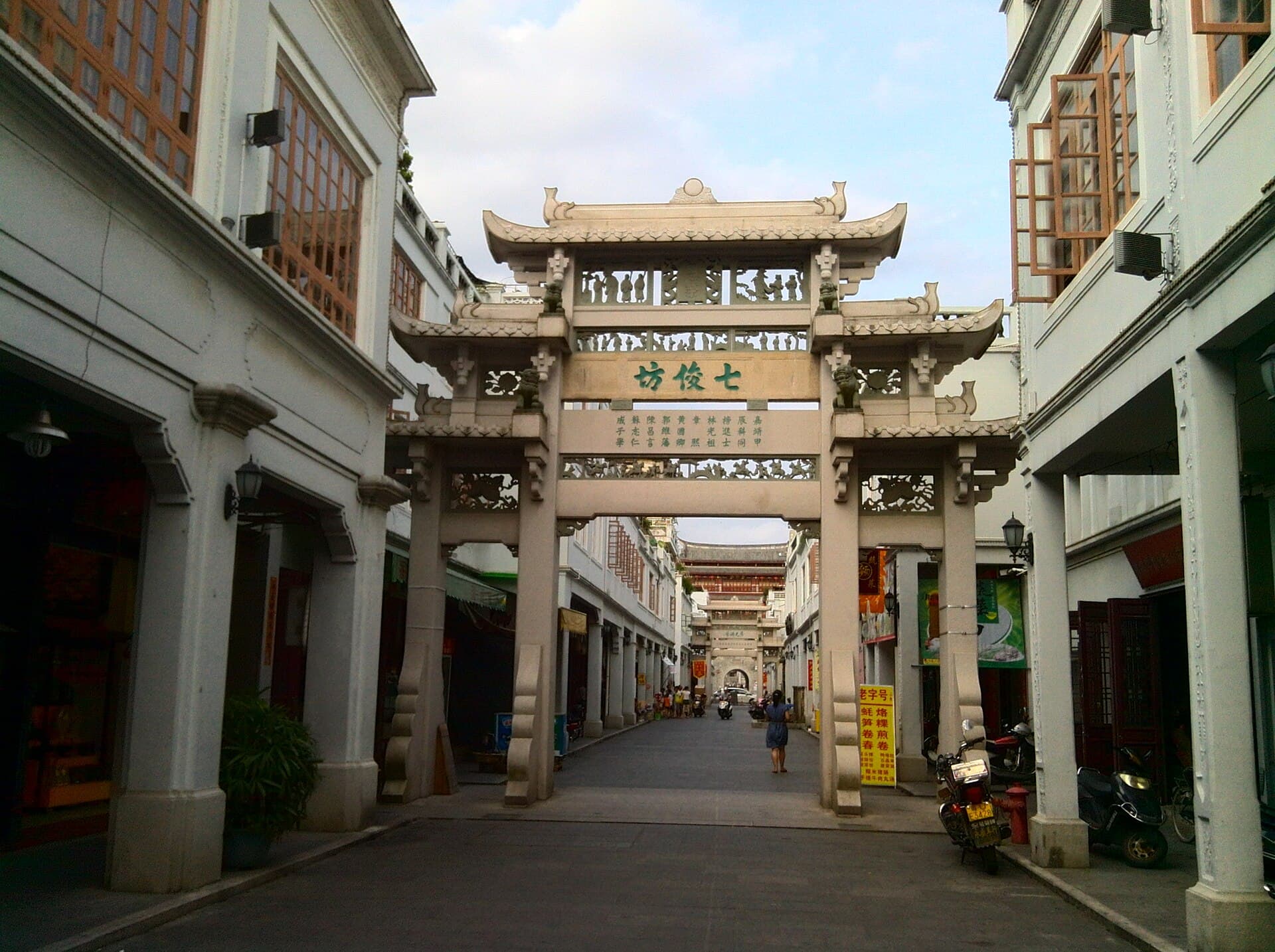 Paifang Street (Memorial Arch Street)The main street of Chaozhou's old city and its axis for centuries, spanned by st9 minutes walk
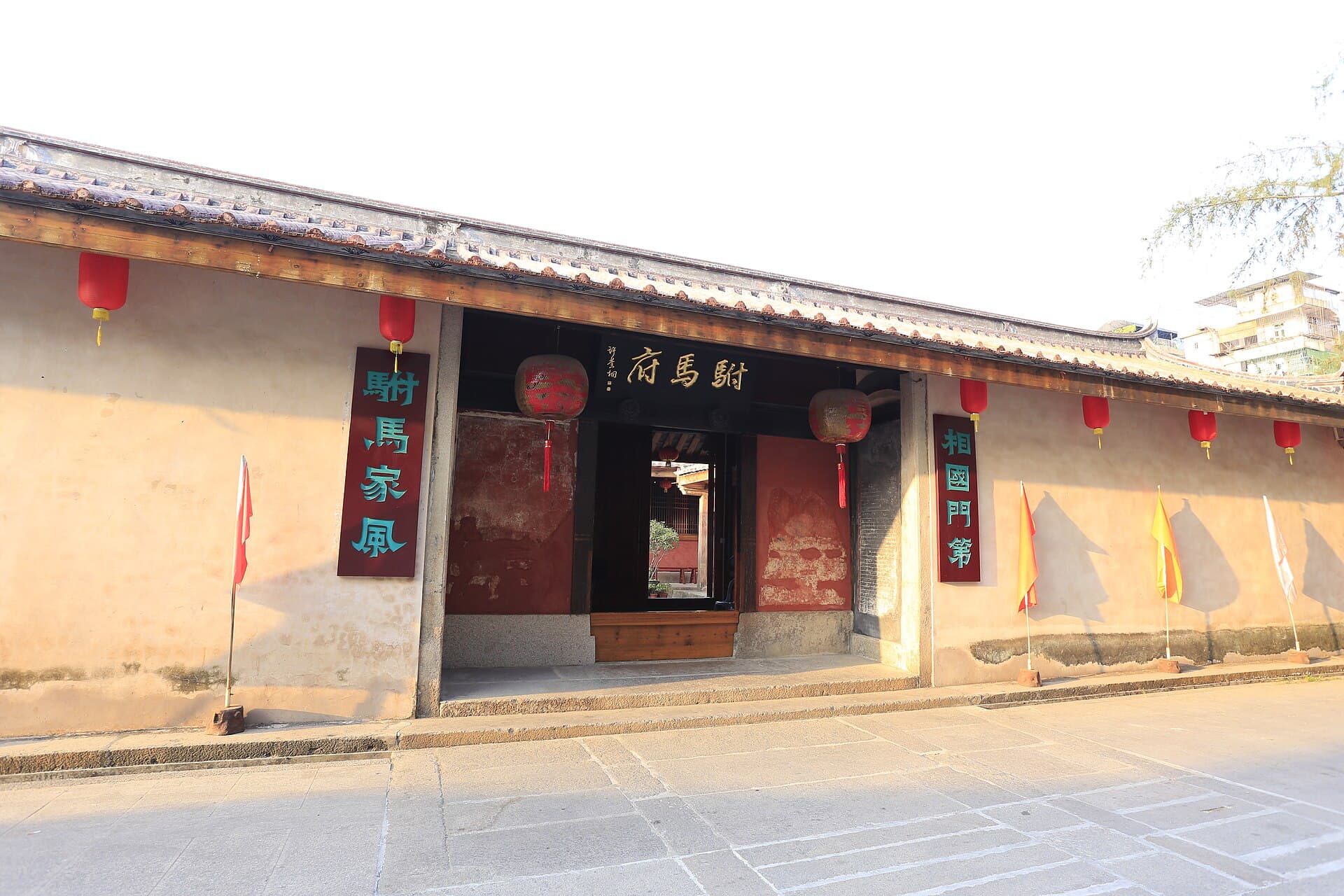 Xu Fuma MansionThe home of Xu Jue and his wife, Princess De'an, daughter of Emperor Yingzong of16 minutes walk
The boats in the middle are unfastened and drawn back in the evening after the bridge closes and return in the morning, so at night the bridge looks cut in two, and the light show is watched from both banks.
Local Teochew cooking uses a lot of pork and seafood, so look for restaurants run by Hui Muslims under the halal sign, or ask about ingredients.