
Trabzon's first Ottoman mosque
Finished by Selim I in 1514 for his mother, in the city he had governed and where his son Süleyman was born.
Francesco Bini — CC BY-SA 4.0 · Francesco Bini — CC BY-SA 4.0 · Francesco Bini — CC BY-SA 4.0 · Francesco Bini — CC BY-SA 4.0
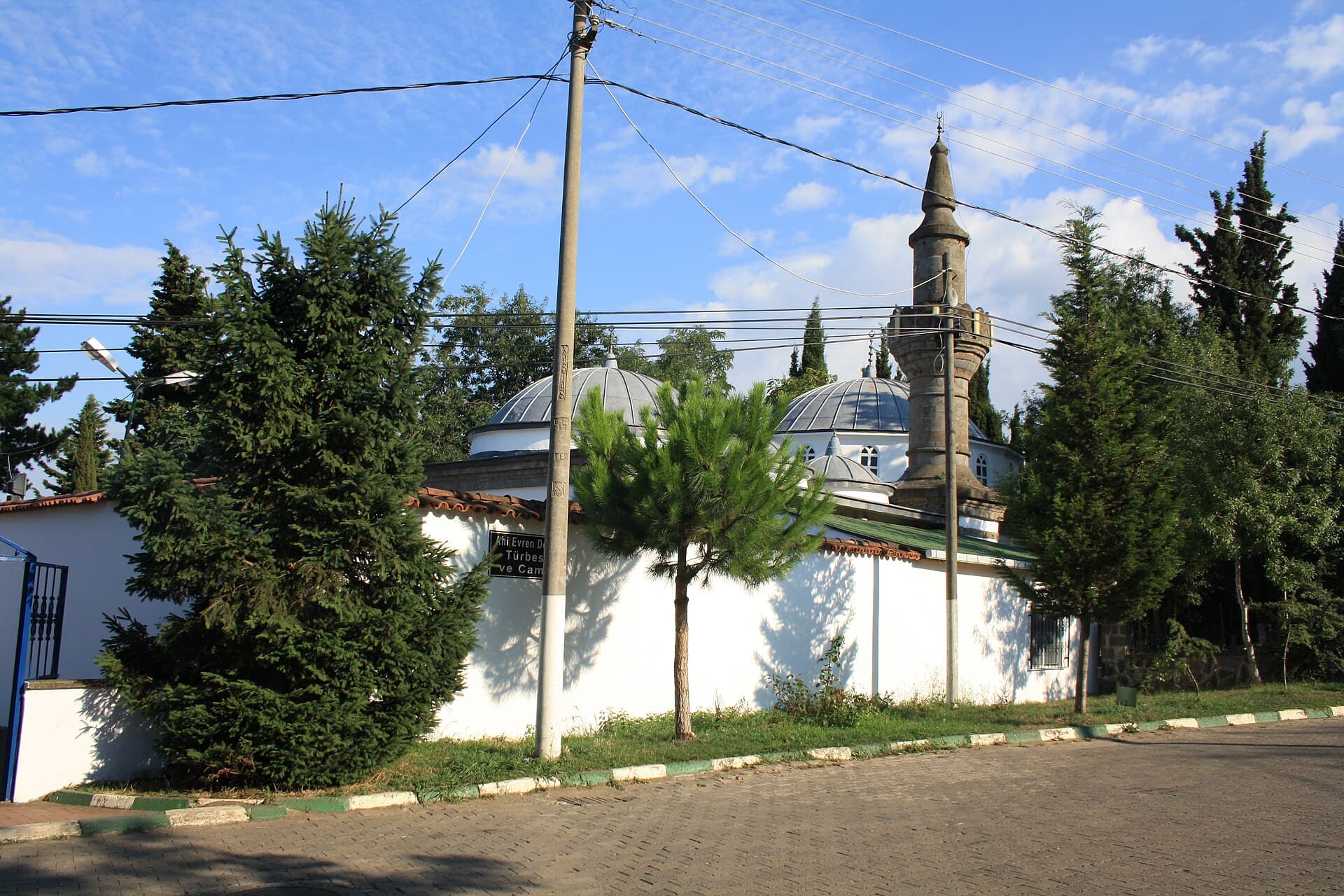
A sultan conquers Egypt and Syria and routs the Safavids, then builds a mosque for his mother in the town where he spent his youth. That, in short, is the Gülbahar Hatun Mosque. Selim I governed Trabzon for more than twenty years before taking the throne; his son Süleyman the Magnificent was born here, and his mother Gülbahar Hatun died here around 1505. Once he was sultan he finished the complex bearing her name in 1514, and it is generally counted as the first mosque the Ottomans built from the ground up in Trabzon - everything before it was a converted church. The original foundation was a small town in itself: a madrasa, a soup kitchen for the poor, a primary school, a Quran school, a hammam and a tomb. Only the mosque and Gülbahar Hatun's octagonal, lead-domed tomb to the east survive, though the popular name Büyük İmaret, 'the great soup kitchen', still remembers what vanished. The mosque itself is textbook early Ottoman: a five-arched portico on marble columns under five small domes, a square prayer hall under a single dome, and a domed side room on either flank that once lodged travellers and dervishes. The marble mihrab carries plant motifs and muqarnas, the white marble minbar is almost bare, and the minaret rises in alternating bands of light and dark stone. Bear in mind that most of the painted decoration inside dates not from the sixteenth century but from a restoration of 1885 and another in the 1970s. In practice this is a living mosque, not a museum: entry is free, the doors are open between prayers and close to visitors for a stretch around each one, longer at Friday noon. Modest dress, a headscarf for women and shoes off at the door are routine for our readers. A visit takes half an hour at most and it does not justify a long detour on its own; its value is where it stands, ten minutes' walk west of Meydan along the Kahramanmaraş shopping street, at Atapark with its tea gardens, and a few steps from the castle walls, the Kanuni House and the Ortahisar Fatih Mosque. String those together on one walk and you will have Ottoman Trabzon in two hours. The adjoining park is flat and pushchair-friendly, the courtyard is a good shaded pause in the humid heat of August, and praying in the city's first Ottoman mosque has a certain flavour for anyone who cares about history. Anyone hoping for a mosque that dazzles by size or ornament should look elsewhere; the charm here is an honest story and plain marble.
Finished by Selim I in 1514 for his mother, in the city he had governed and where his son Süleyman was born.
An octagonal lead-domed tomb east of the mosque, all that survives of the original complex besides the mosque itself.
Five small domes on marble columns before the prayer hall, and a marble mihrab with plant motifs and muqarnas.
Gülbahar Hatun Mahallesi, by Atapark, Ortahisar
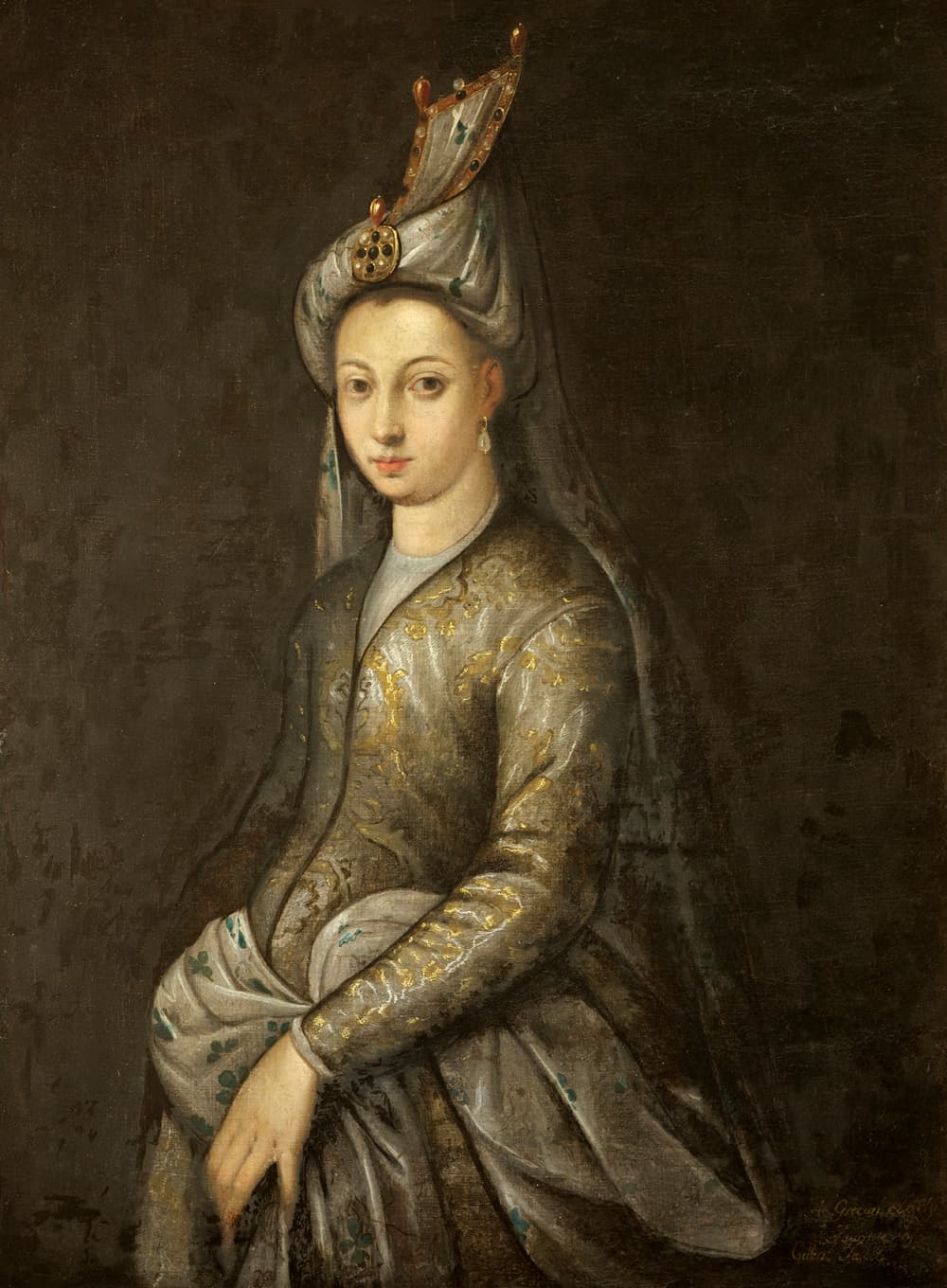 Kanuni House (Suleiman the Magnificent Museum)The most celebrated of the Ottoman sultans was not born in Istanbul but here in 4 min walk
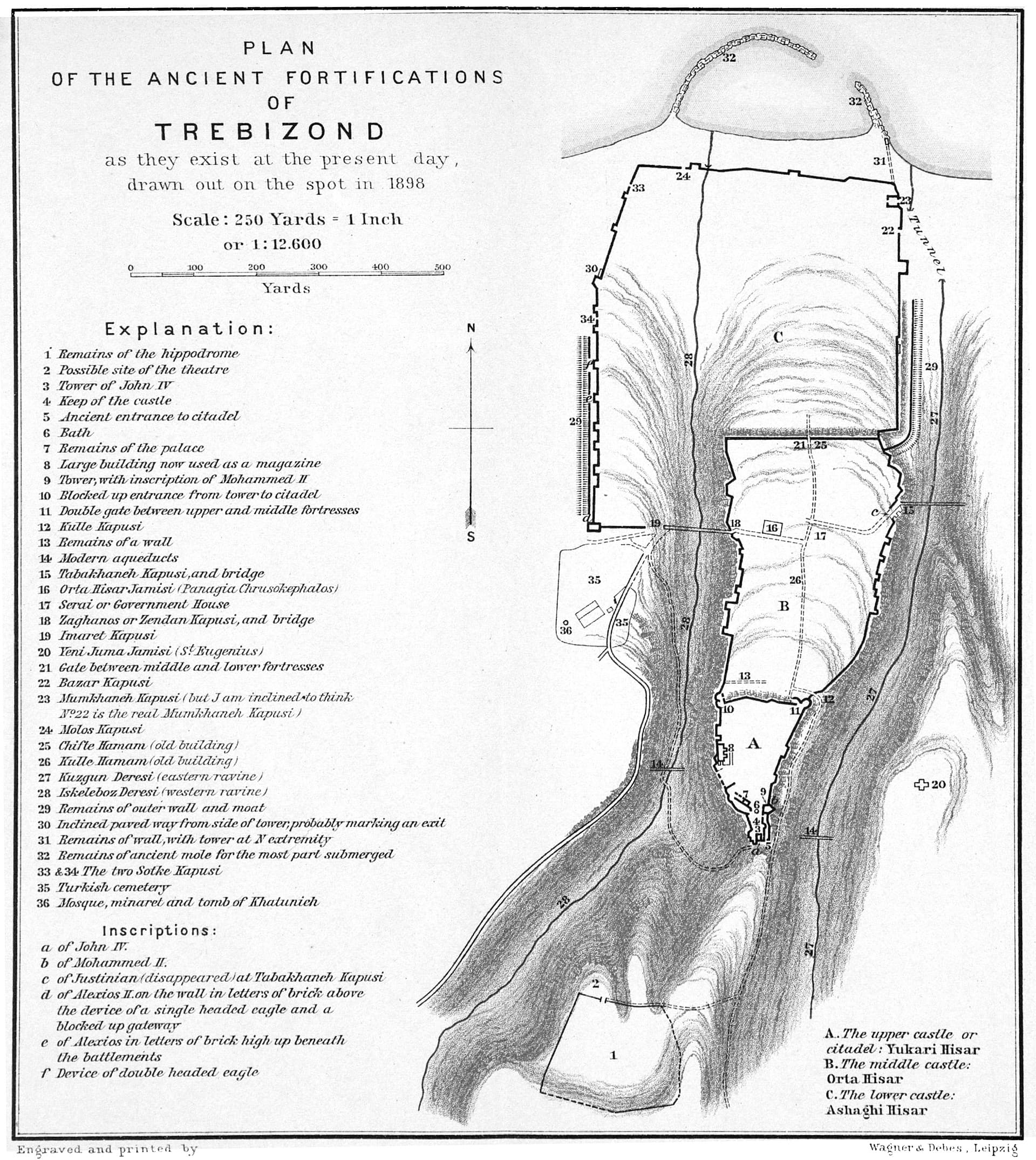 Trabzon Castle (City Walls)Do not go looking for a castle. What Trabzon calls its kale is really a whole ne4 min walk
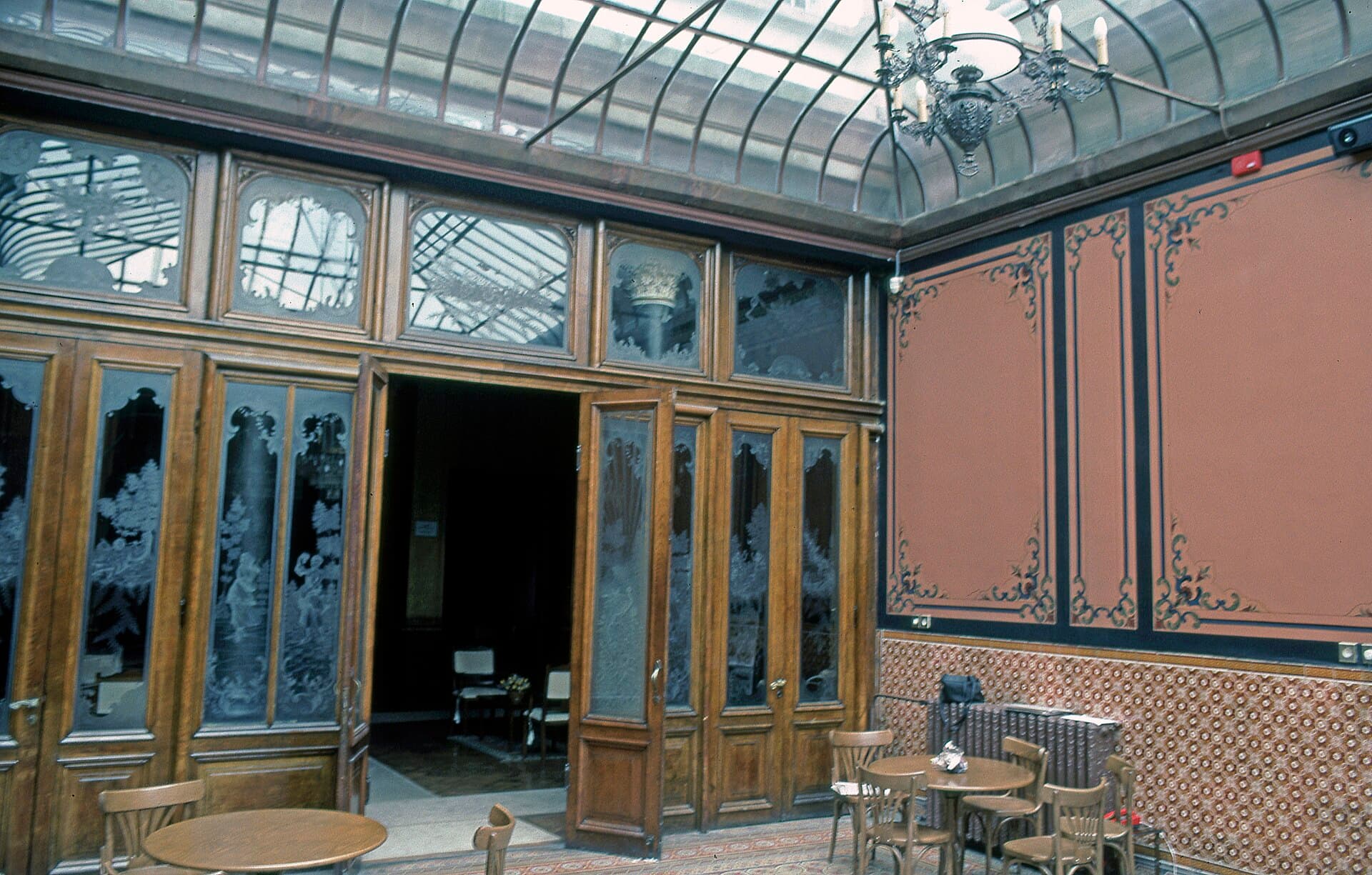 Trabzon Museum (Kostaki Mansion)The best exhibit in Trabzon Museum is the building it lives in. A Greek banker, 11 min walk
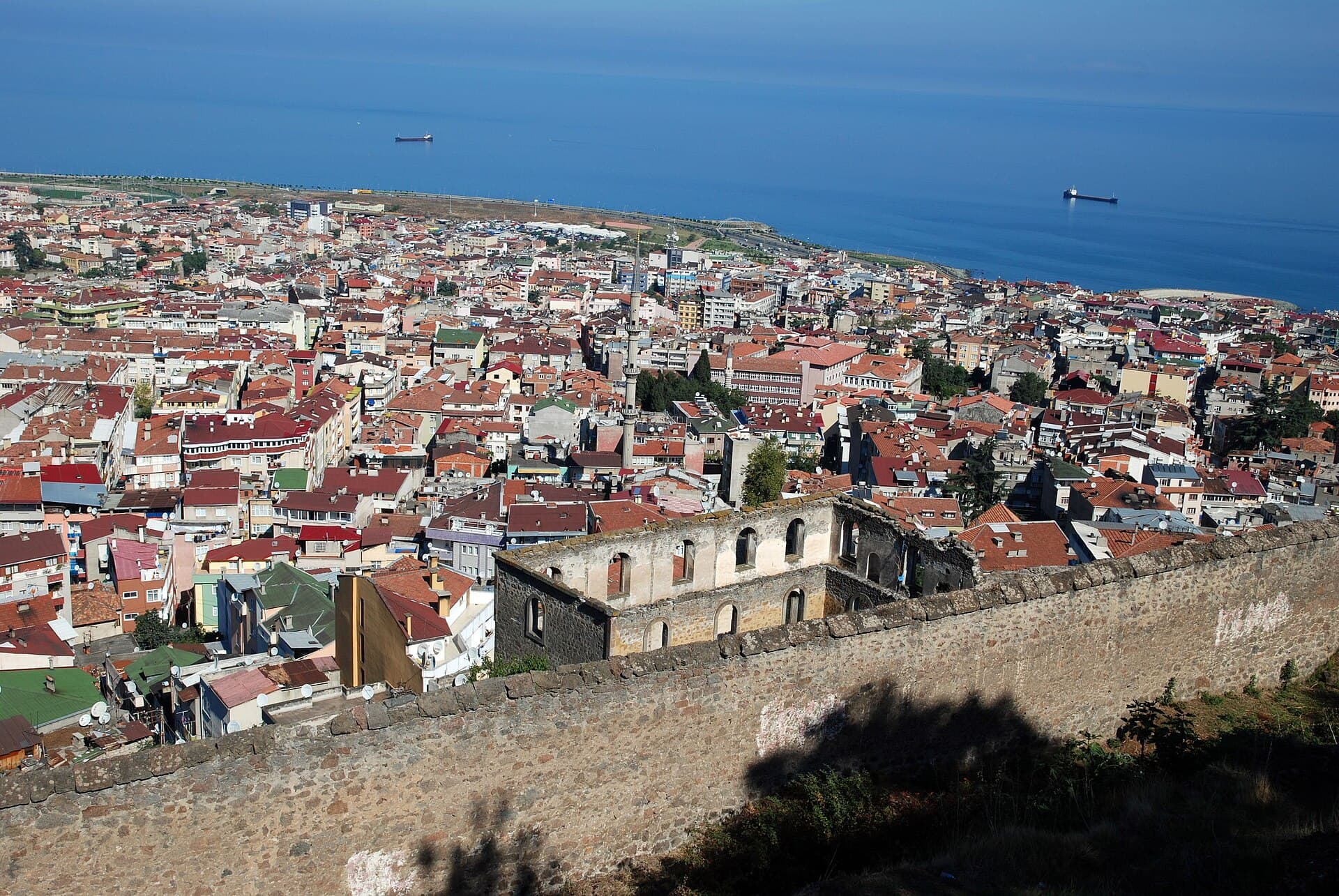 Kızlar Monastery (Panagia Theoskepastos)A few minutes below the famous Boztepe terrace, a high stone wall beside the roa15 min walk
 Boztepe HillLong before anyone climbed Boztepe for the view, it was a place of worship. The 20 min walk
Not as a destination in its own right; Trabzon's Hagia Sophia and Sümela matter far more. But it is on your way if you walk from Meydan to the castle walls and the Kanuni House, so give it twenty minutes as part of that stroll rather than a separate trip.
The tomb is a small separate building east of the mosque and is often locked, so you may only see it from outside or through a window. Do not count on entering; the mosque and its portico are what you will actually see.
Sign in to write your review of this place.
No reviews yet — be the first.