
Zağnos Valley Park
The western ravine turned public garden, with the clearest view of the walls climbing the crag.
H. F. B. Lynch — Public domain · J. Norman, 1877 — Public domain · Dosseman — CC BY-SA 4.0 · Francesco Bini — CC BY-SA 4.0
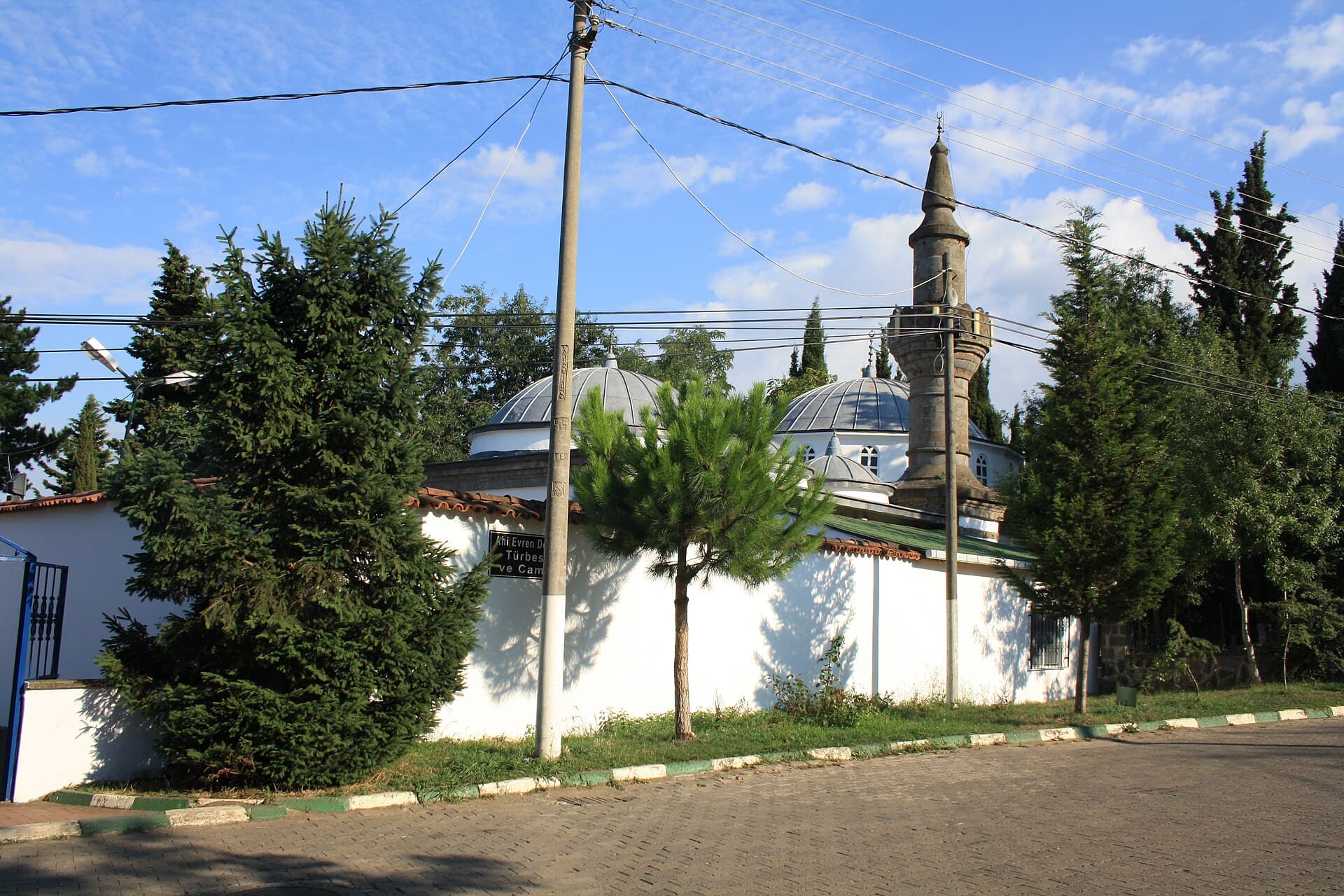
Do not go looking for a castle. What Trabzon calls its kale is really a whole neighbourhood wrapped in walls that tumble from the hill behind the old town down to the Black Sea, dividing it into three tiers: the Upper Castle on the crag, the Middle Castle below it, and the Lower Castle running west to the shore. Two deep ravines flank the tiers, Zağnos to the west and Tabakhane to the east, and they made this rock defensible before a single stone was laid. The first fortification here is thought to go back to around 2000 BC and Xenophon noted the city's walls around 400 BC; most of what stands today sits on Roman-era foundations, built from reused stone, rebuilt under Justinian in the sixth century, with the Lower Castle and its harbour walls added by Emperor Alexios II in 1324 and the Ottomans making their own adjustments after the conquest of 1461. It is free and open around the clock, simply because you are walking streets where people live. Start in Zağnos Valley Park, where the western ravine has been turned into a broad public garden with the cleanest view of the walls anywhere, then cross the single-arched Zağnos Bridge, renewed by Zağanos Pasha in 1467 and standing some twenty metres above the streambed, into the Middle Castle. There you find Ortahisar Fatih Mosque, formerly the church of Panagia Chrysokephalos, the imperial church of the Empire of Trebizond where its emperors were crowned and where, by tradition, Mehmed the Conqueror led his first Friday prayer in the city. Restored between 2015 and 2017 and reopened in 2018, it is a working mosque with a carved walnut minbar and a stone mihrab whose motifs owe more to the Seljuks than to Byzantium. Keep expectations honest. Long stretches of the walk are ordinary lanes, and the walls sometimes vanish behind houses built against them, or from them, in the early twentieth century. The Upper Castle, once the site of the imperial palace, may have sections fenced off while the Trabzon Museum digs there; the finds are on show at the museum itself, in the Kostaki Mansion downtown. The climbs are steep and the steps many, so a pushchair is impractical and small children will tire of it fast. In August, do it in the first hour of the morning before the humidity settles in; in winter the stone stairs are slick after rain. The verdict: this is not a sight you cross the city for, but it is the only way to grasp why Trabzon held out for centuries as a pocket empire on the edge of the known world. An hour to ninety minutes is plenty, best paired with Trabzon's Hagia Sophia or the city museum on the same day rather than treated as an outing in its own right.
The western ravine turned public garden, with the clearest view of the walls climbing the crag.
A single stone arch renewed by Zağanos Pasha in 1467, some twenty metres above the ravine, leading into the Middle Castle.
Once the imperial church of Trebizond, where by tradition the Conqueror led his first Friday prayer in 1461; restored and reopened in 2018.
Ortahisar district, central Trabzon
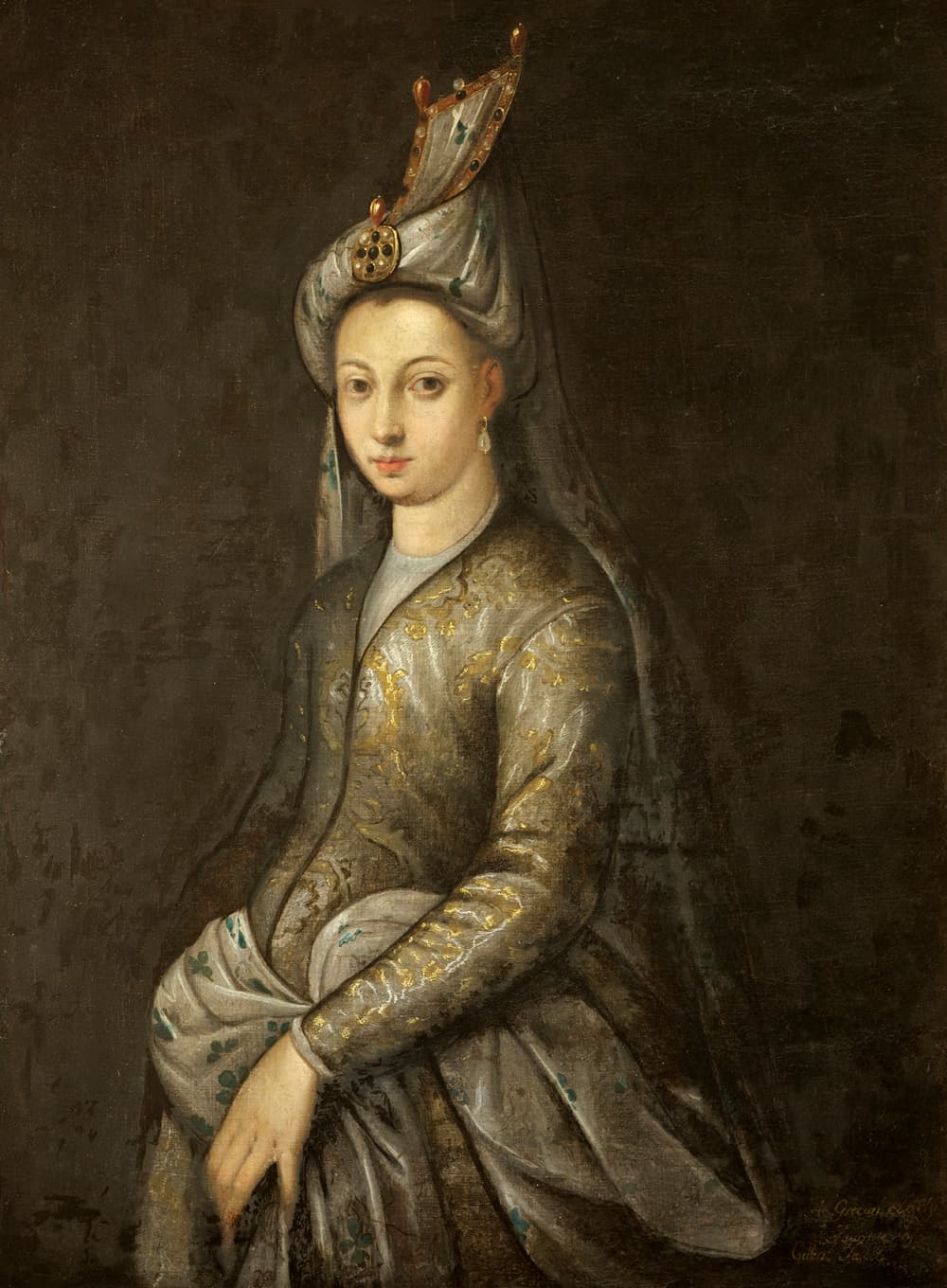 Kanuni House (Suleiman the Magnificent Museum)The most celebrated of the Ottoman sultans was not born in Istanbul but here in 2 min walk
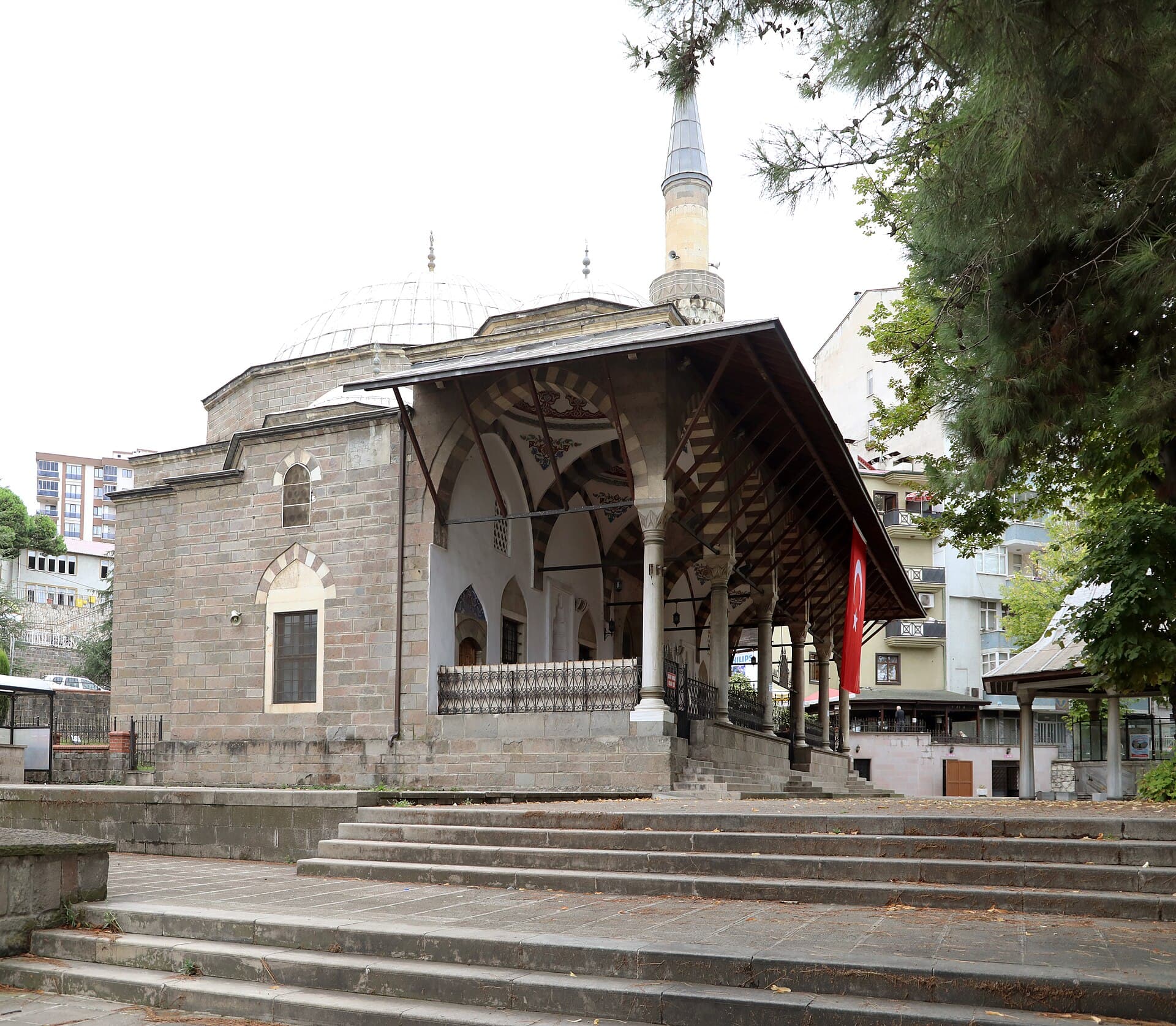 Gülbahar Hatun MosqueA sultan conquers Egypt and Syria and routs the Safavids, then builds a mosque f4 min walk
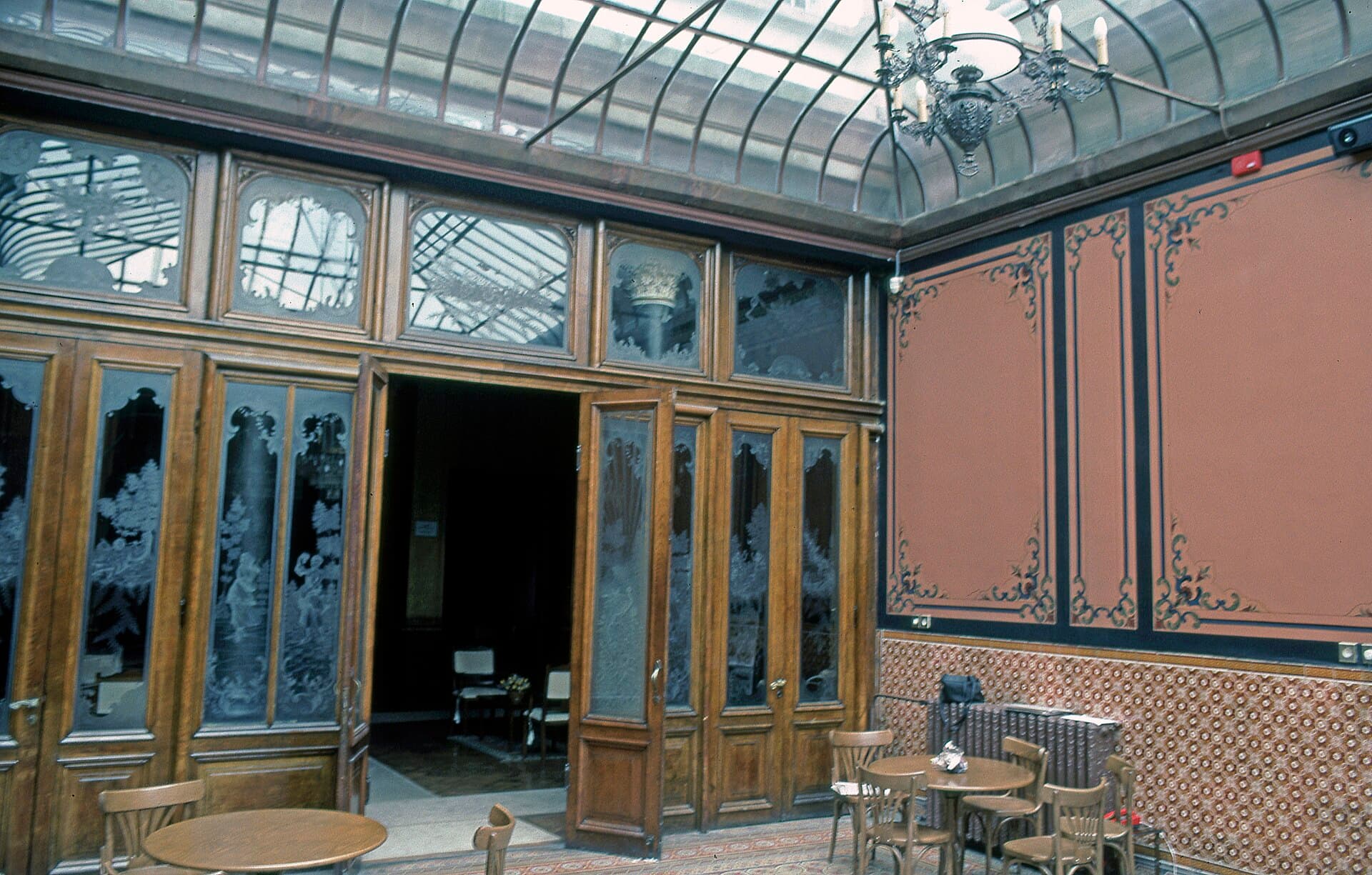 Trabzon Museum (Kostaki Mansion)The best exhibit in Trabzon Museum is the building it lives in. A Greek banker, 7 min walk
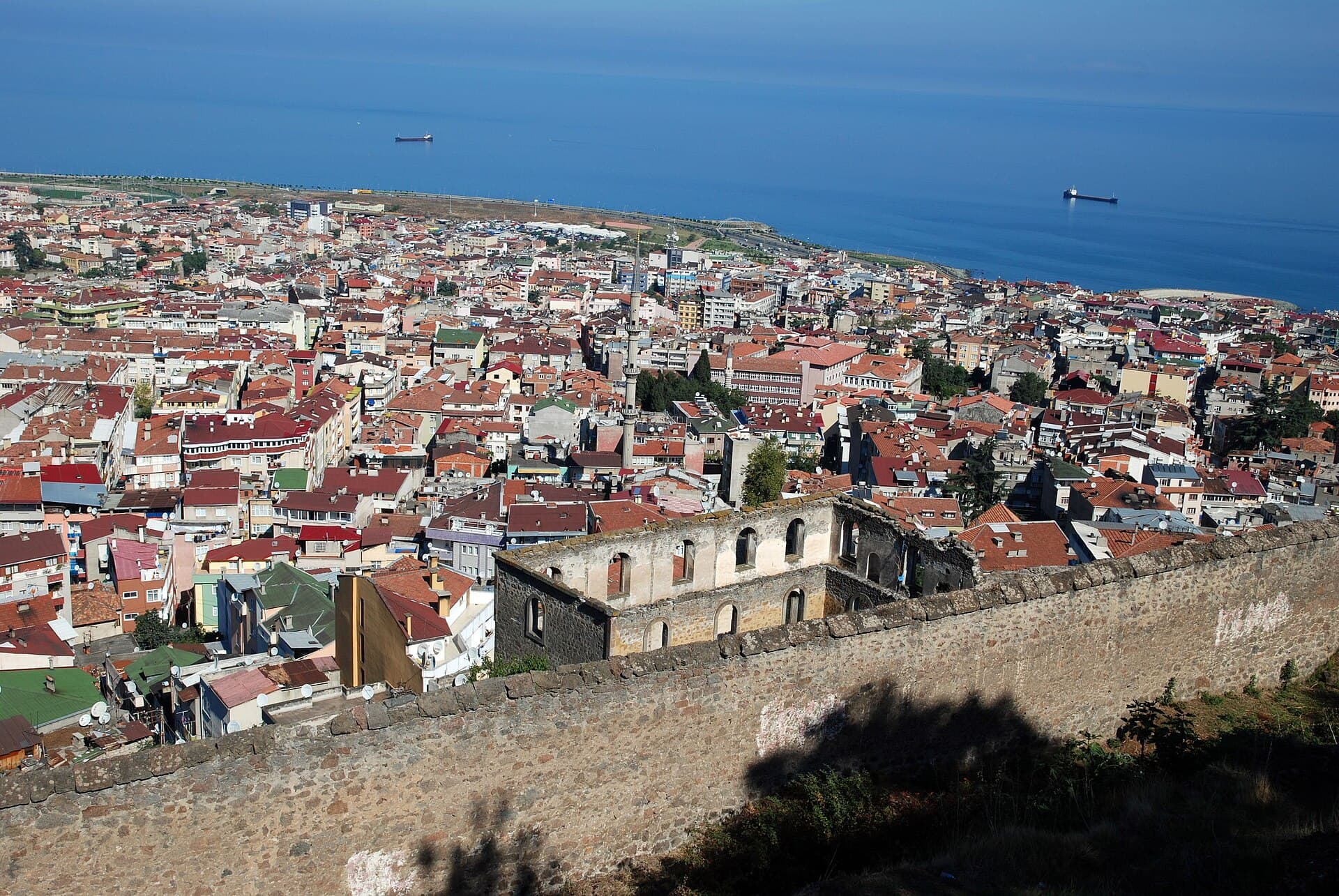 Kızlar Monastery (Panagia Theoskepastos)A few minutes below the famous Boztepe terrace, a high stone wall beside the roa12 min walk
 Boztepe HillLong before anyone climbed Boztepe for the view, it was a place of worship. The 17 min walk
Do not make a special trip for it. Hagia Sophia is the finest sight in the city by a distance; the walls are an hour's walk to fold into a day downtown, and the best of it is Zağnos Valley Park, the bridge and the mosque. If time is short or you have small children, admire the walls from the park and leave it there.
Sign in to write your review of this place.
No reviews yet — be the first.