
The hand-painted ceilings
The ground floor's painted ceilings and carved plaster, built with materials shipped from Italy, are the real reason to come.
Dosseman — CC BY-SA 4.0 · Dosseman — CC BY-SA 4.0 · Dosseman — CC BY-SA 4.0 · Dosseman — CC BY-SA 4.0
The best exhibit in Trabzon Museum is the building it lives in. A Greek banker, Konstantin Theophylaktos, put it up between roughly 1898 and 1913, hired Italian architects and shipped most of the materials from Italy, and the result is a townhouse with hand-painted ceilings and carved plasterwork edging towards Baroque in every room. He did not enjoy it for long: bankrupt by 1917, he lost the house to the state, the Nemlioğlu family bought it, and in September 1924 it hosted Mustafa Kemal Atatürk and his wife Latife for two nights, from the 15th to the 17th, on his first visit to Trabzon. Government offices and then fifty years as a girls' vocational school followed, before a restoration turned it into a museum in 2001. What you see now is a second edition. The museum closed in 2018 for another full restoration and only reopened at the end of May 2025, with about 720 objects on show. The ground floor is the prize: it has been dressed again as a lived-in house, salons and dining room with their original furniture, and the painted ceilings here reward keeping your head tilted back. Upstairs covers Atatürk's three visits to the city, his bedroom included, alongside the ethnographic collection of weapons, manuscripts, textiles, jewellery and local costume. The archaeology hall sits at garden level and runs from prehistory to the Ottomans with finds from the Trabzon Castle digs, the star piece a second-century Roman bronze of Hermes. There is also an interactive children's room, a nice touch in a museum this size. It is a five-minute walk from Meydan, where most visiting families stay, and an hour is genuinely enough. Nobody should rearrange a Sümela or Uzungöl day for it, but it is the best thing to do in Trabzon when the rain comes down, which it does in any month, or in a spare hour before heading back to the hotel. The house is on three levels joined by stairs, so a pushchair is more burden than help, and the small garden is a pleasant place to pause. Tickets are 3 euros for foreign visitors; there is no advance booking and no need for one, as the place never fills up even in August. Closed Mondays, open 08:00 to 17:00 the rest of the week, with the ticket desk shutting at 16:30.
The ground floor's painted ceilings and carved plaster, built with materials shipped from Italy, are the real reason to come.
The upper floor tells the story of his three Trabzon visits and shows the room he slept in during September 1924.
At garden level, finds from Trabzon Castle run from prehistory to the Ottomans, the bronze Hermes among them, with an interactive room to keep the children busy.
Cumhuriyet Mah., Şehit Onur Fikret Dülger Cad. No:10 (the former Zeytinlik Street), Ortahisar
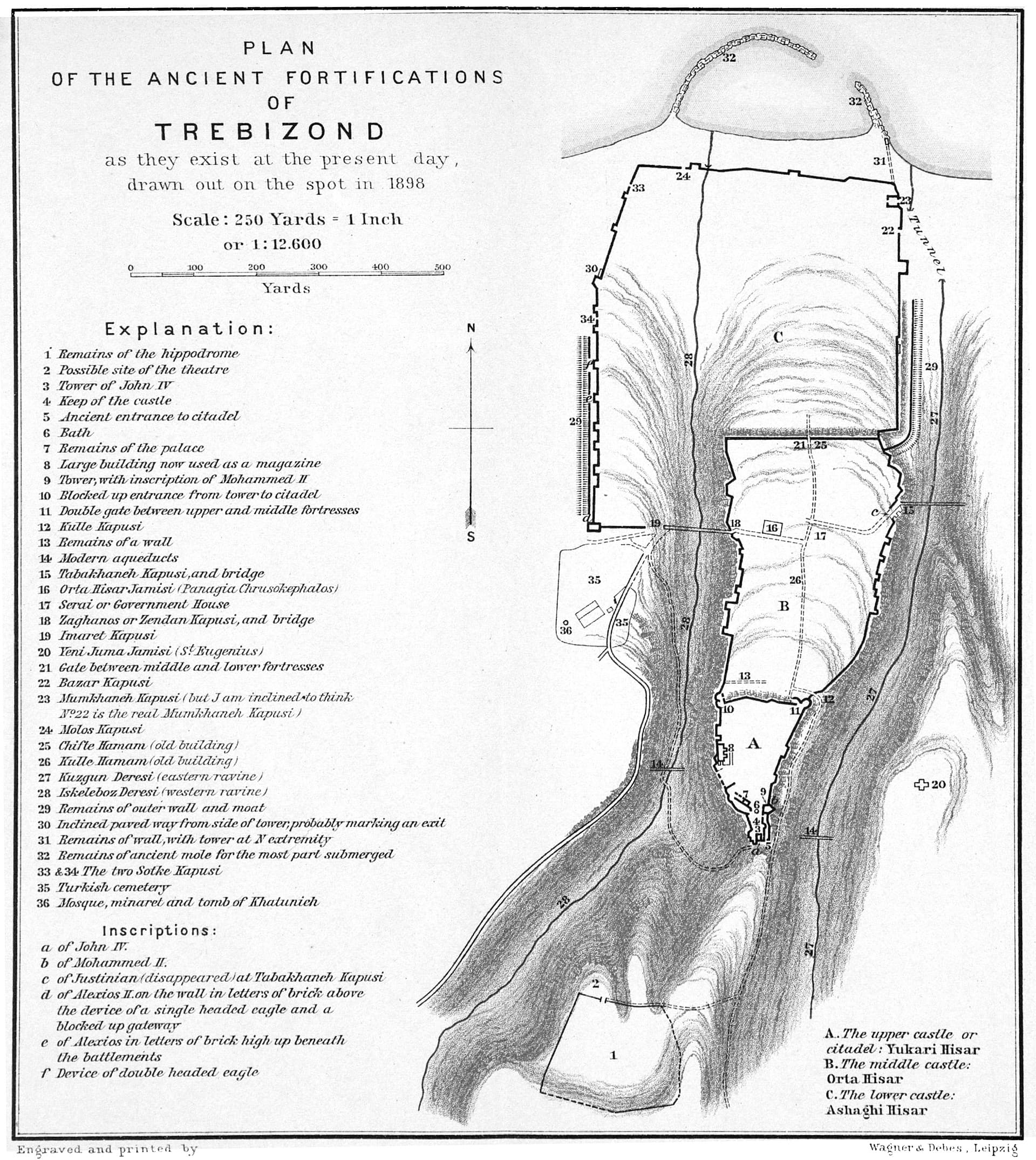 Trabzon Castle (City Walls)Do not go looking for a castle. What Trabzon calls its kale is really a whole ne7 min walk
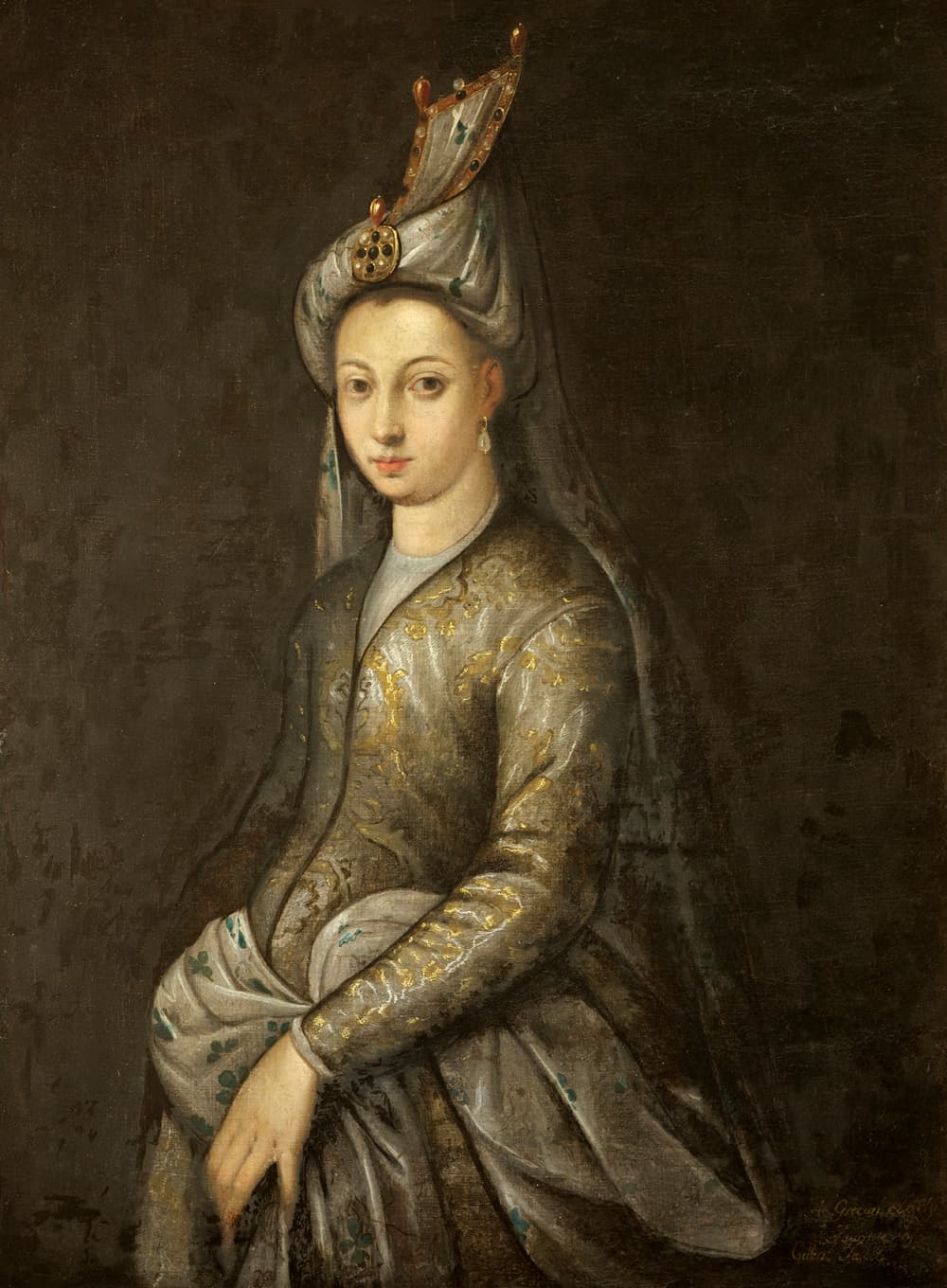 Kanuni House (Suleiman the Magnificent Museum)The most celebrated of the Ottoman sultans was not born in Istanbul but here in 8 min walk
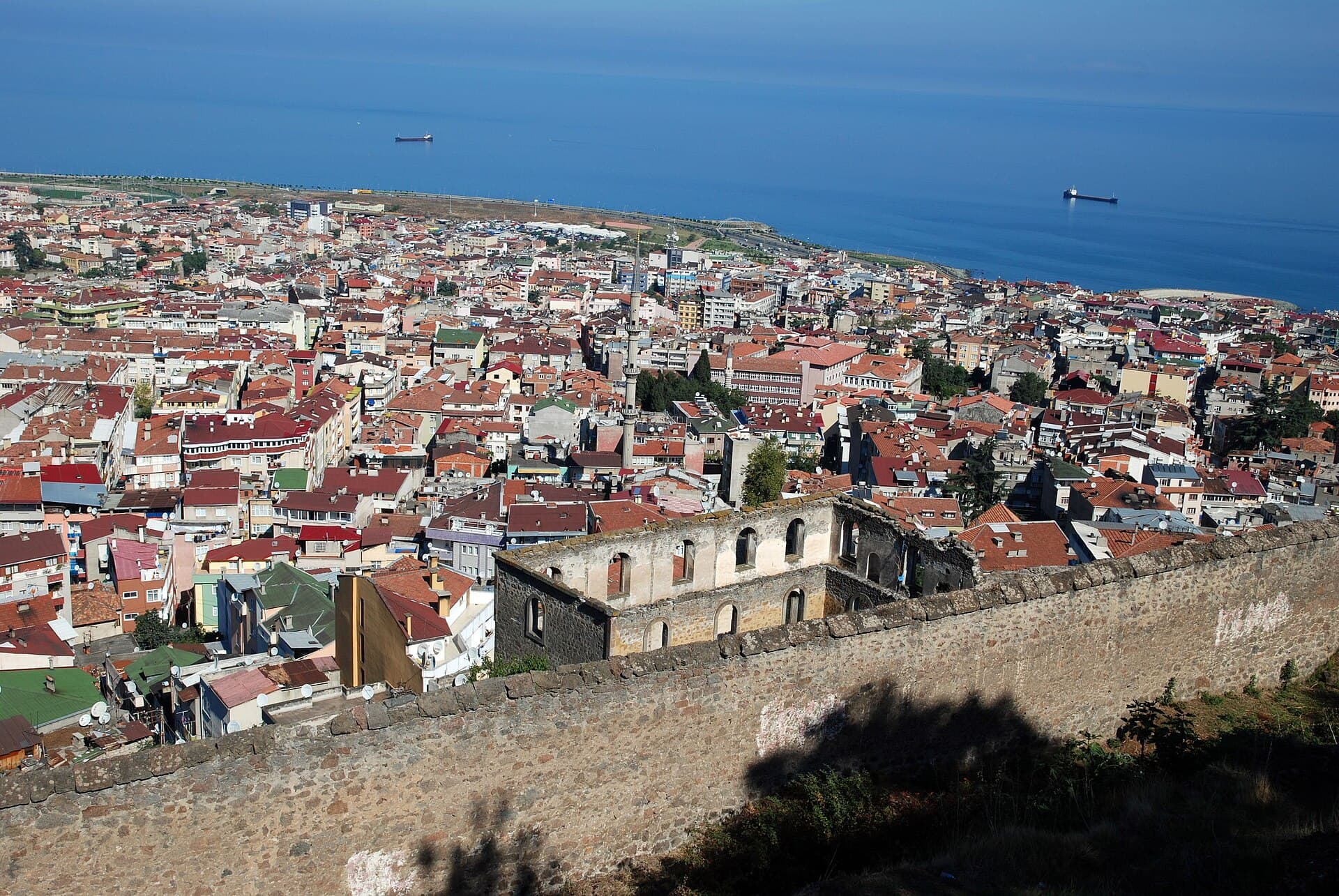 Kızlar Monastery (Panagia Theoskepastos)A few minutes below the famous Boztepe terrace, a high stone wall beside the roa9 min walk
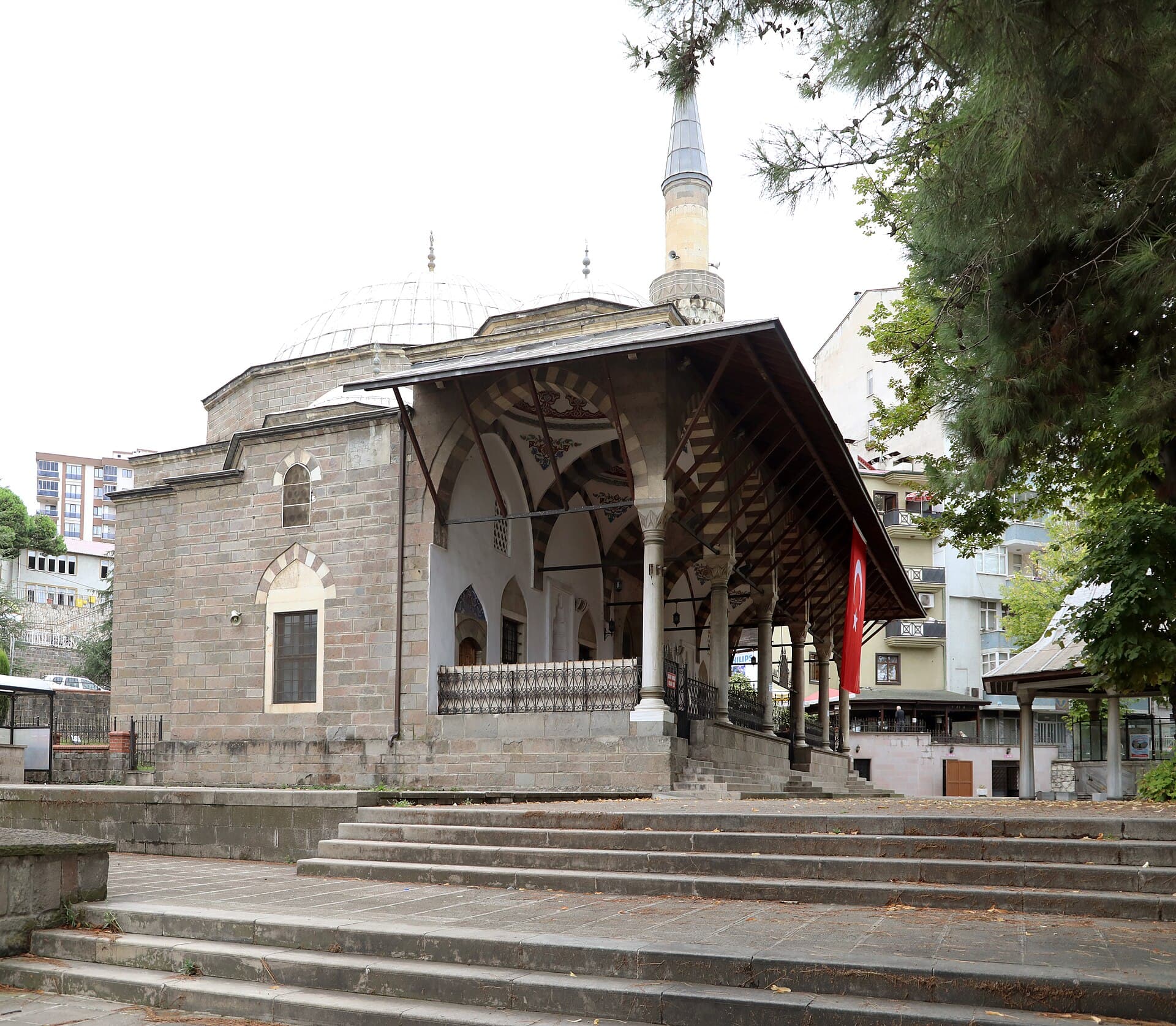 Gülbahar Hatun MosqueA sultan conquers Egypt and Syria and routs the Safavids, then builds a mosque f11 min walk
 Boztepe HillLong before anyone climbed Boztepe for the view, it was a place of worship. The 15 min walk
Do not give it a day, give it a spare hour: it is steps from Meydan and takes about sixty minutes. Its best use is a rainy day or a free afternoon slot, bearing in mind it closes at 17:00. If time is tight and the sky is clear, skip it without regret.
Reasonably so: there is an interactive learning room, under-eights go in free and the visit is short anyway. But it is a three-storey house with stairs and no room for a pushchair inside, so carry the baby or leave the pram at the entrance.
Sign in to write your review of this place.
No reviews yet — be the first.