
A timber Trabzon town house
The 19th-century architecture, balconies and narrow stair are the best thing here, more than the exhibits themselves.
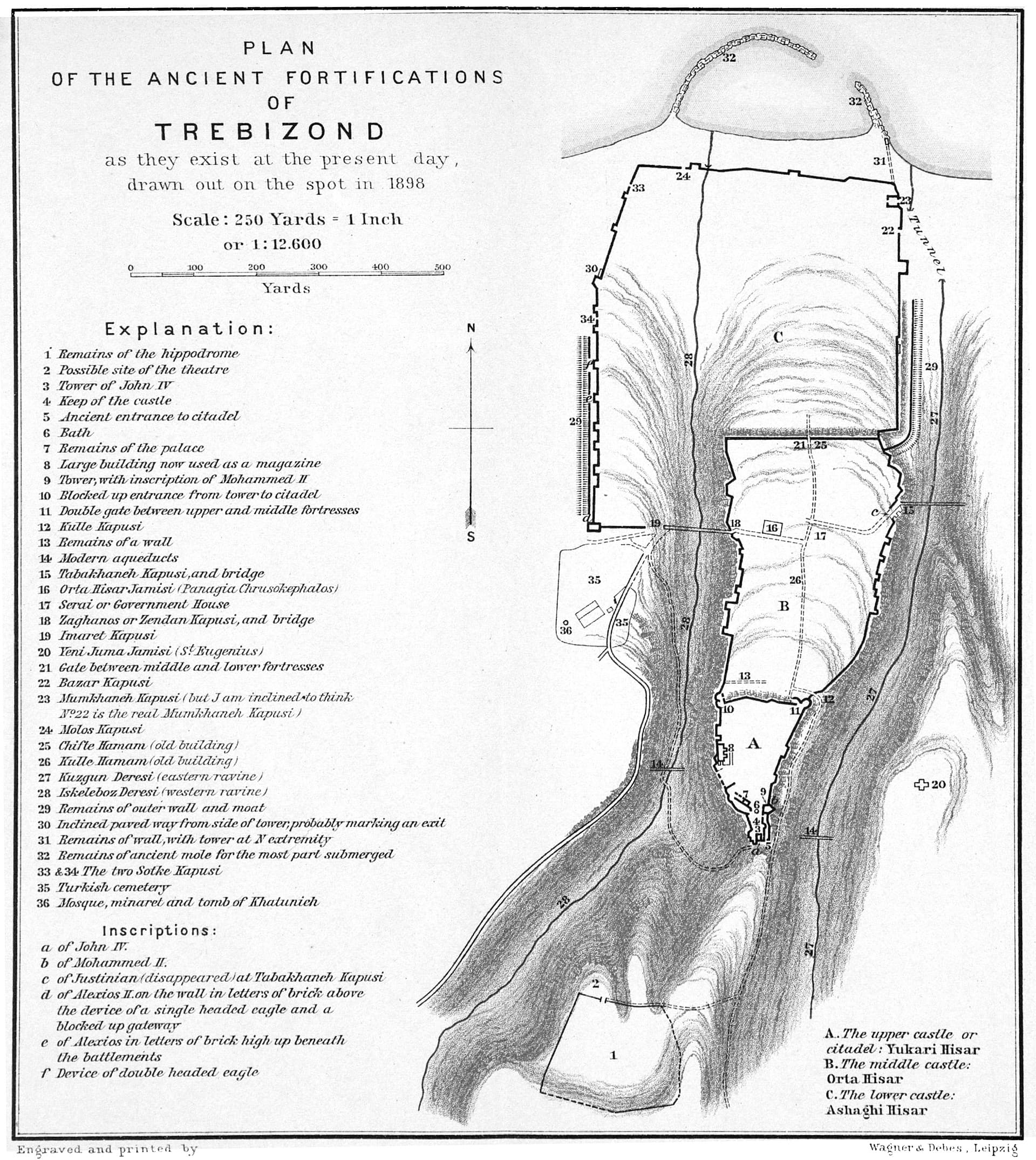
The most celebrated of the Ottoman sultans was not born in Istanbul but here in Trabzon, in 1494, while his father Selim, the future Selim I, was governing the city before his own turn on the throne. The walled quarter of Ortahisar is where Suleiman spent his childhood, and this two-storey timber house is how the city chose to remind you of it. Do not confuse the two things, though: the house dates from the 19th century, three and a half centuries after the sultan's birth, and was restored by the provincial administration and opened as a museum in 1994. It commemorates the neighbourhood, not the room. Inside it is small and, frankly, modest: a sword attributed to the sultan, a kaftan, a portrait, one of his poems and panels on a reign that lasted forty-six years. Most of the objects are representative rather than original; the real value is the building itself, a traditional Trabzon town house of timber, balconies and a narrow staircase. Right next door, in a taller mansion about a century and a half old that looks out over the Zağnos valley, the Ministry of Culture opened the Muhibbi Literature Museum Library in 2018, named after the pen name Suleiman signed his verse with; its rooms of manuscripts and writers' belongings are worth a look if you find the door open. Count on twenty to thirty minutes at most. Entry is free, but the house is run by the Ministry of Culture and keeps roughly weekday office hours, so ring the Muhibbi library next door if you are coming at the weekend. Do not make it a destination in its own right; make it a stop on a walk inside the Ortahisar walls: Ortahisar Fatih Mosque, a Byzantine church turned mosque, stands just across the lane, the citadel walls surround you, Gülbahar Hatun Mosque, built by Selim I in memory of his mother, the sultan's grandmother, is a few minutes' walk across the Zağnos valley, and the Hagia Sophia of Trabzon is a short drive west. With children a quarter of an hour is plenty, and there is little here to thrill a small one; the wooden stairs are narrow and a pushchair is best left at the door. In August heat the shade of the timber house and the old lanes around it are a welcome pause; in winter the visit is a quick dash between showers.
The 19th-century architecture, balconies and narrow stair are the best thing here, more than the exhibits themselves.
Representative pieces on the sultan's life and reign, enough for a short look and no more.
A separate mansion beside the house holds the Ministry's literature museum-library, named after Suleiman's pen name; a bonus if it is open.
Ortahisar quarter, inside the citadel walls, opposite Ortahisar Fatih Mosque, overlooking the Zağnos valley
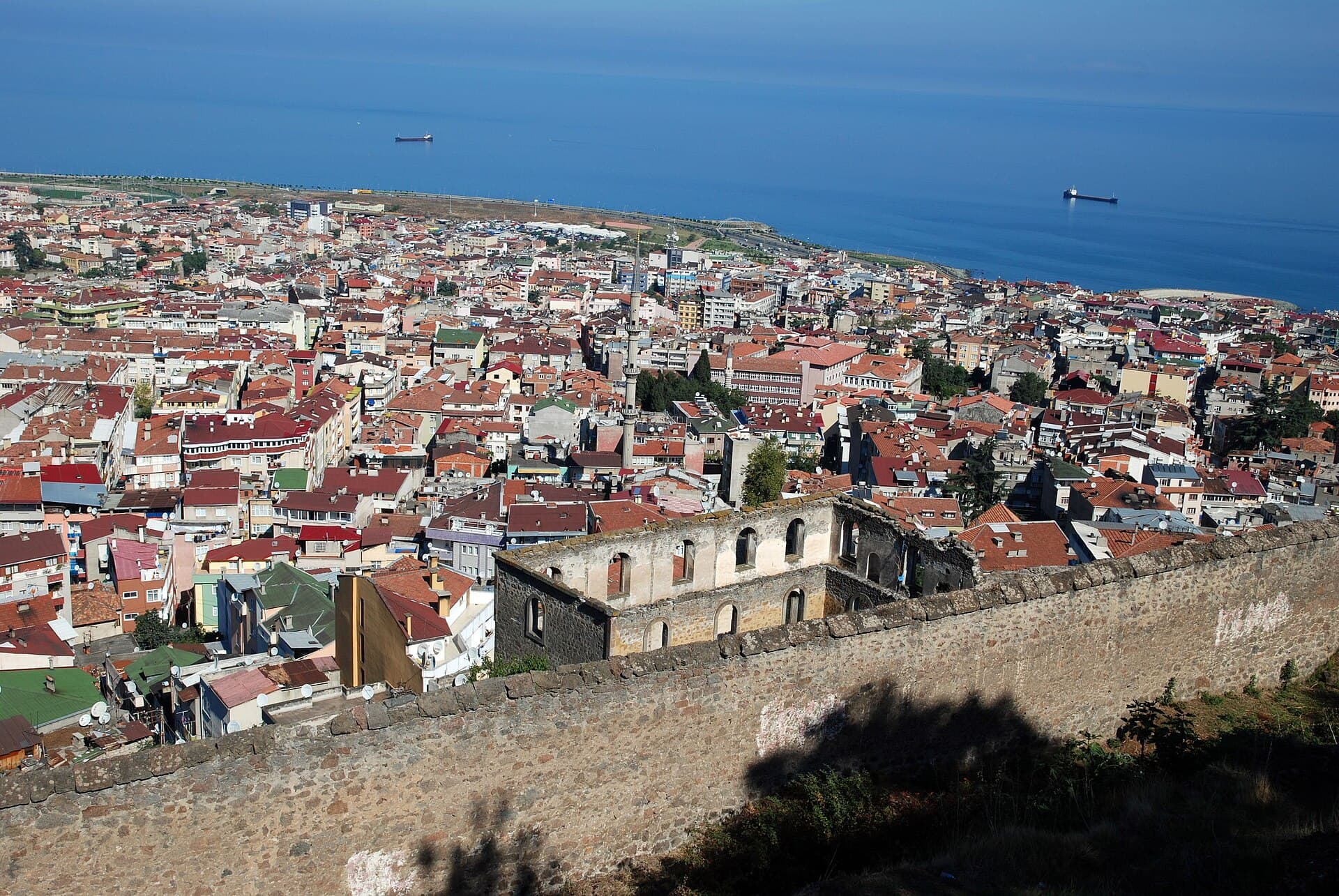
 Trabzon Castle (City Walls)Do not go looking for a castle. What Trabzon calls its kale is really a whole ne2 min walk
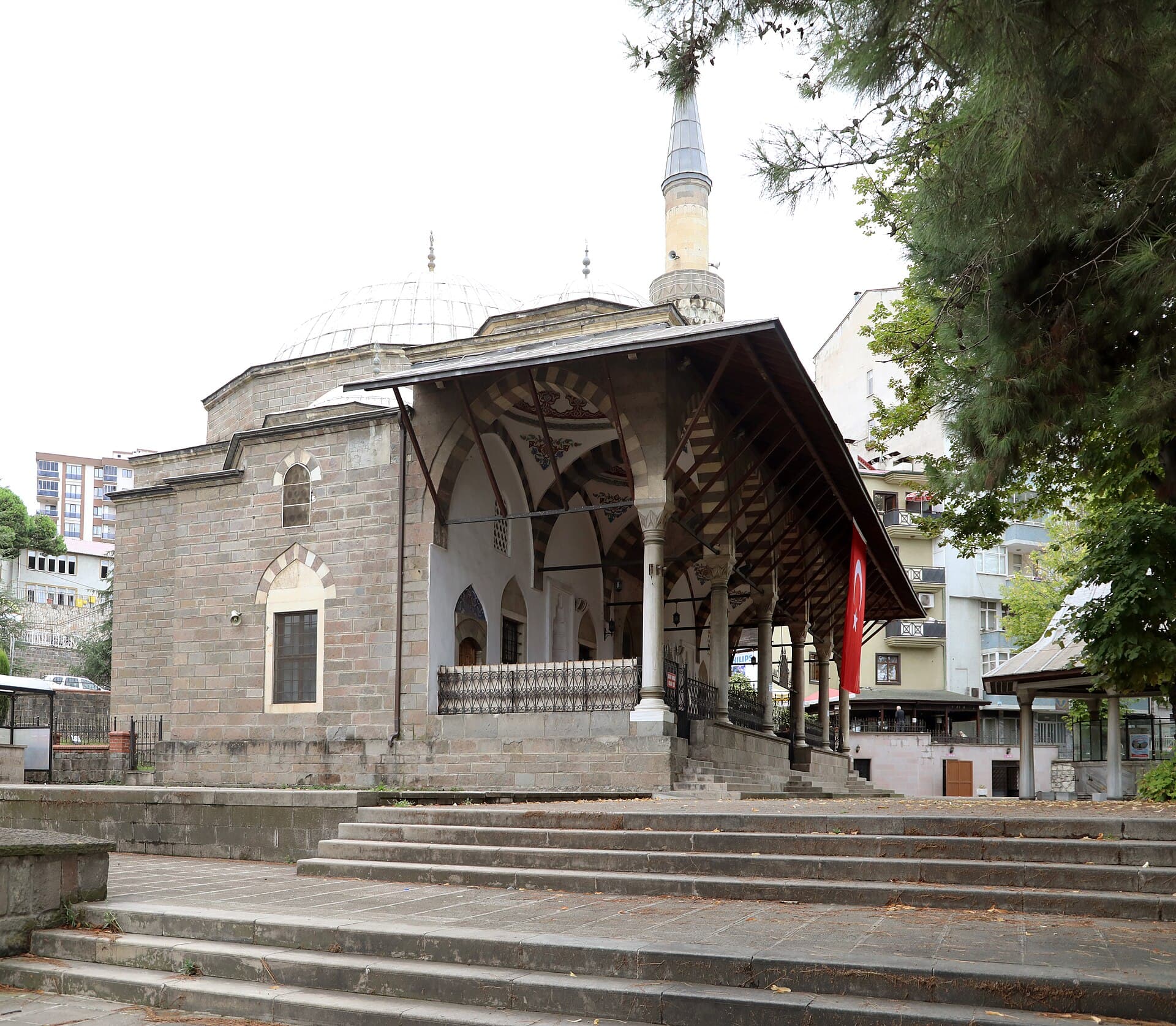 Gülbahar Hatun MosqueA sultan conquers Egypt and Syria and routs the Safavids, then builds a mosque f4 min walk
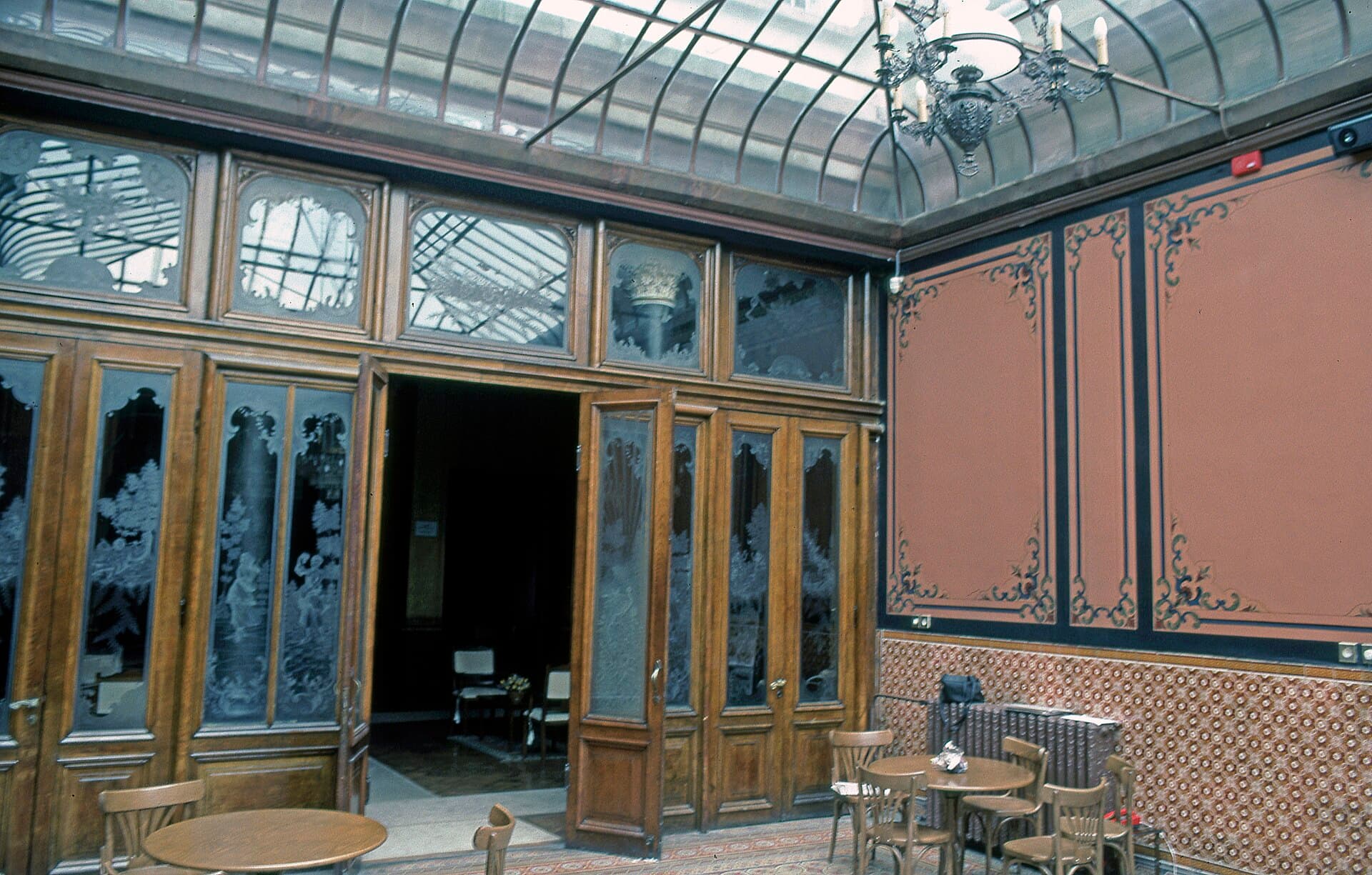 Trabzon Museum (Kostaki Mansion)The best exhibit in Trabzon Museum is the building it lives in. A Greek banker, 8 min walk
 Kızlar Monastery (Panagia Theoskepastos)A few minutes below the famous Boztepe terrace, a high stone wall beside the roa14 min walk
 Boztepe HillLong before anyone climbed Boztepe for the view, it was a place of worship. The 19 min walk
No. The house is 19th-century and the sultan was born in 1494, centuries before it was built. What is true is that Suleiman was born and raised in this quarter while his father governed Trabzon, so the museum marks the place, not the room.
No; the whole visit is fifteen to thirty minutes and the exhibits are few. Fold it into a walk inside the Ortahisar walls with Ortahisar Fatih Mosque and Gülbahar Hatun Mosque, and make the Hagia Sophia of Trabzon or the seafront the real point of the day.
Sign in to write your review of this place.
No reviews yet — be the first.