
The diversity
Turkish, Moroccan, Surinamese and Indonesian stalls together.
gemeente Den Haag / Manon van de Leur — CC BY 3.0 · Steven Lek — CC BY-SA 4.0 · Photocapy — CC BY-SA 2.0 · Photocapy — CC BY-SA 2.0
The Haagse Markt is among the largest open-air markets in Europe: some five hundred stalls set up four days a week in the Transvaal district, drawing tens of thousands of people a week — and about as far from a tourist market as it is possible to be. Its composition is what distinguishes it. The Hague is among the most ethnically diverse cities in Europe, and the market is its mirror: Turkish, Moroccan, Surinamese, Indonesian, Chinese and Dutch stalls side by side — vegetables, spices, fabric, kitchenware, meat, fish and sweets, at working-market prices rather than city-centre ones. For a Muslim visitor there is a clear practical value: a large number of halal butchers, bakeries and small restaurants along the edges of the market and in the surrounding streets, making it the easiest place in the region to buy familiar food. The four days shift seasonally — check before going, as the market vanishes entirely on the other days.
Turkish, Moroccan, Surinamese and Indonesian stalls together.
Butchers and bakeries along the edges and nearby streets.
Herman Costerstraat, 2571 The Hague
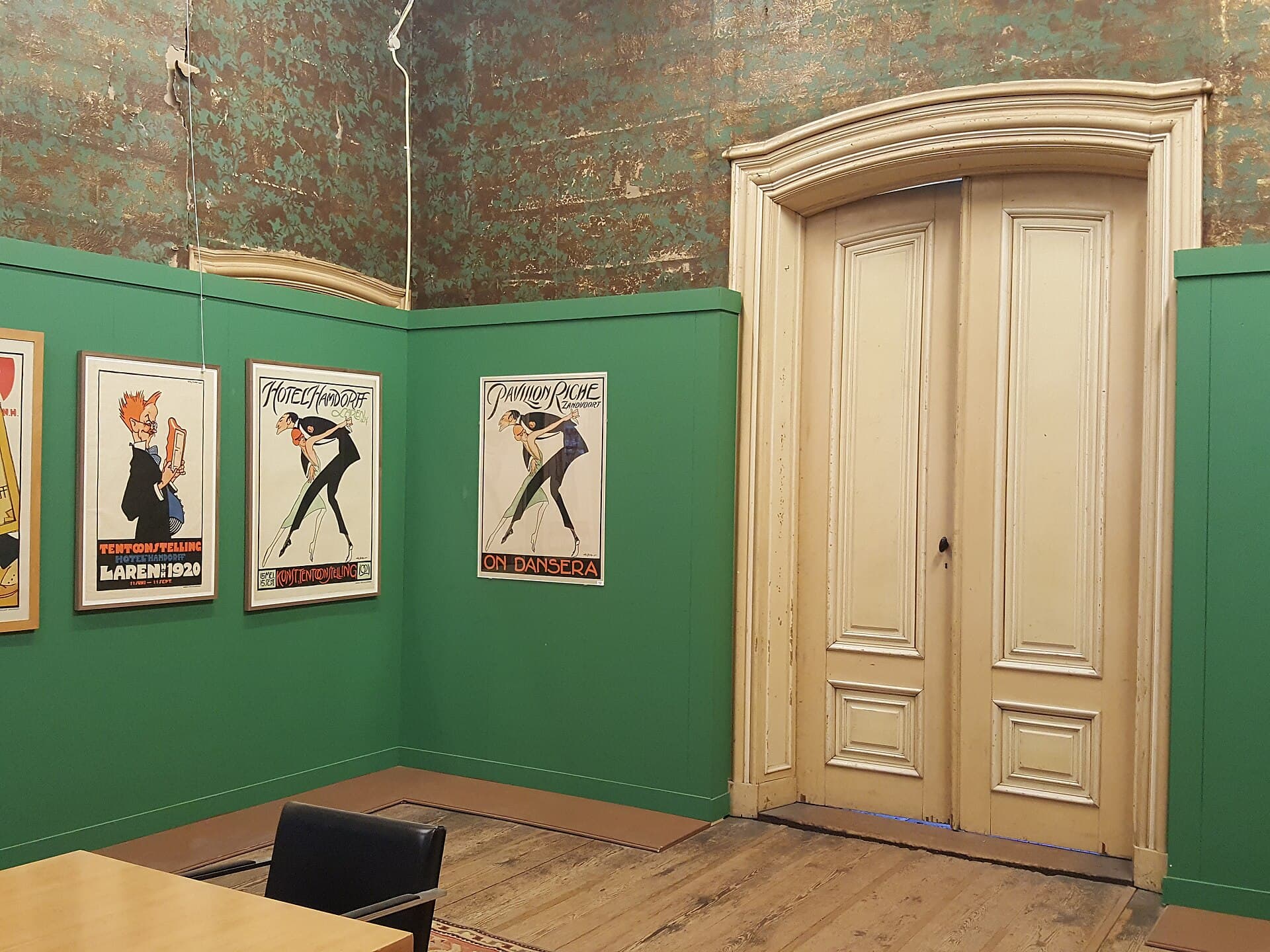 Design Museum DedelA design museum in an eighteenth-century town house in central The Hague, opened17 minutes walk4.7
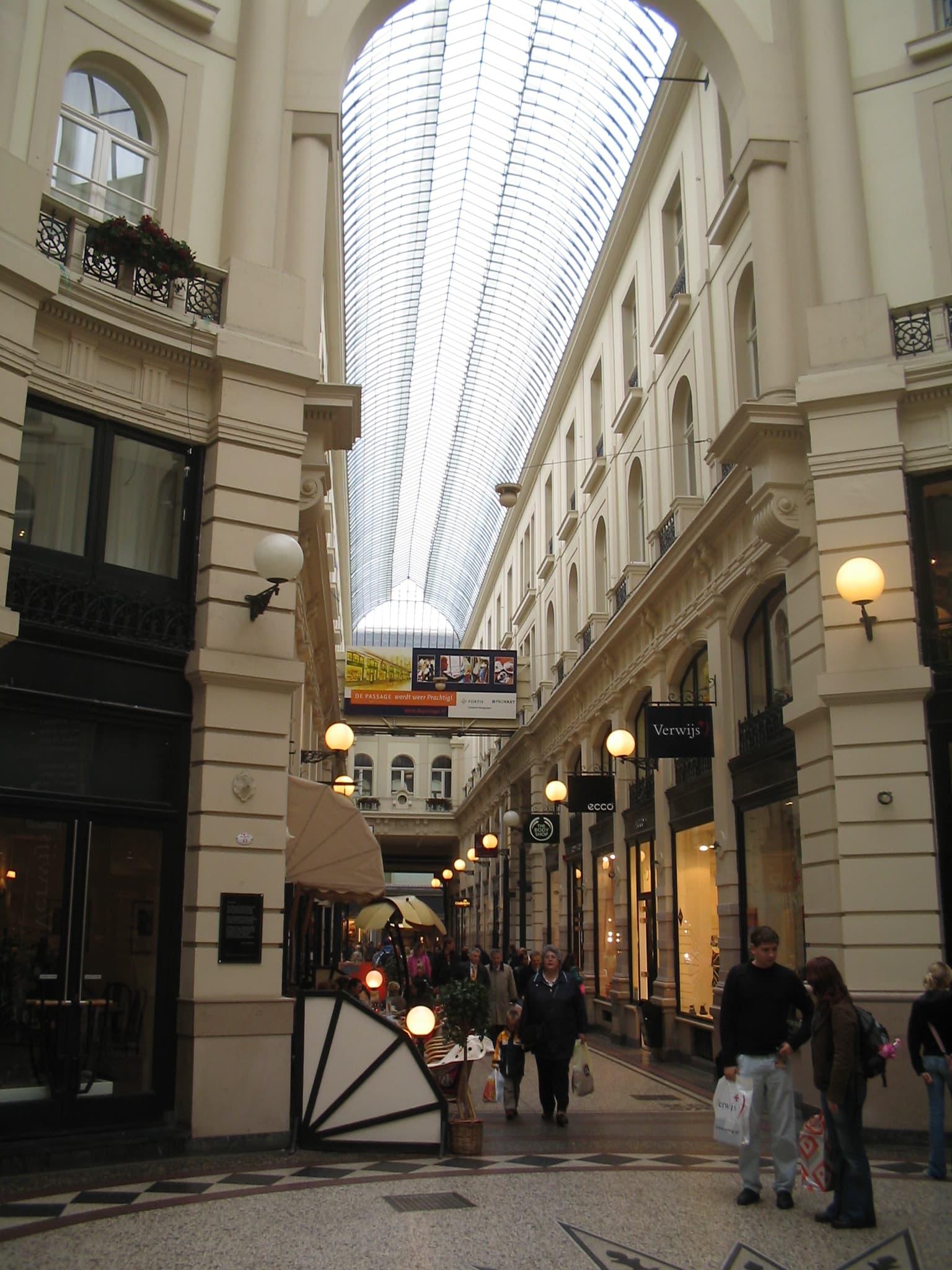 De PassageDe Passage is the oldest covered shopping arcade in the Netherlands, opened in 121 minutes walk4.3
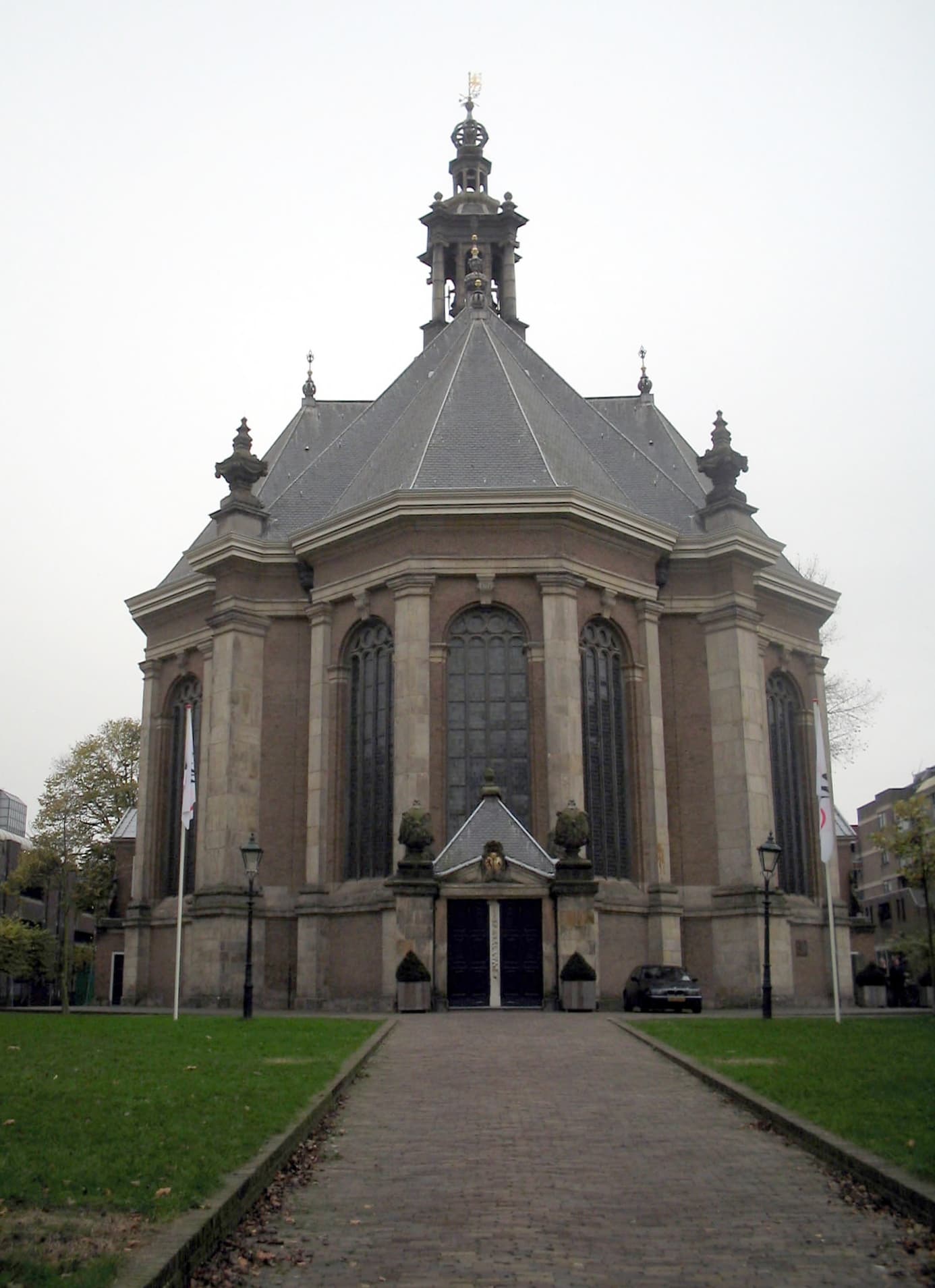 The Nieuwe Kerk in The HagueThe Nieuwe Kerk in The Hague was built between 1649 and 1656 as a Protestant chu22 minutes walk4.6
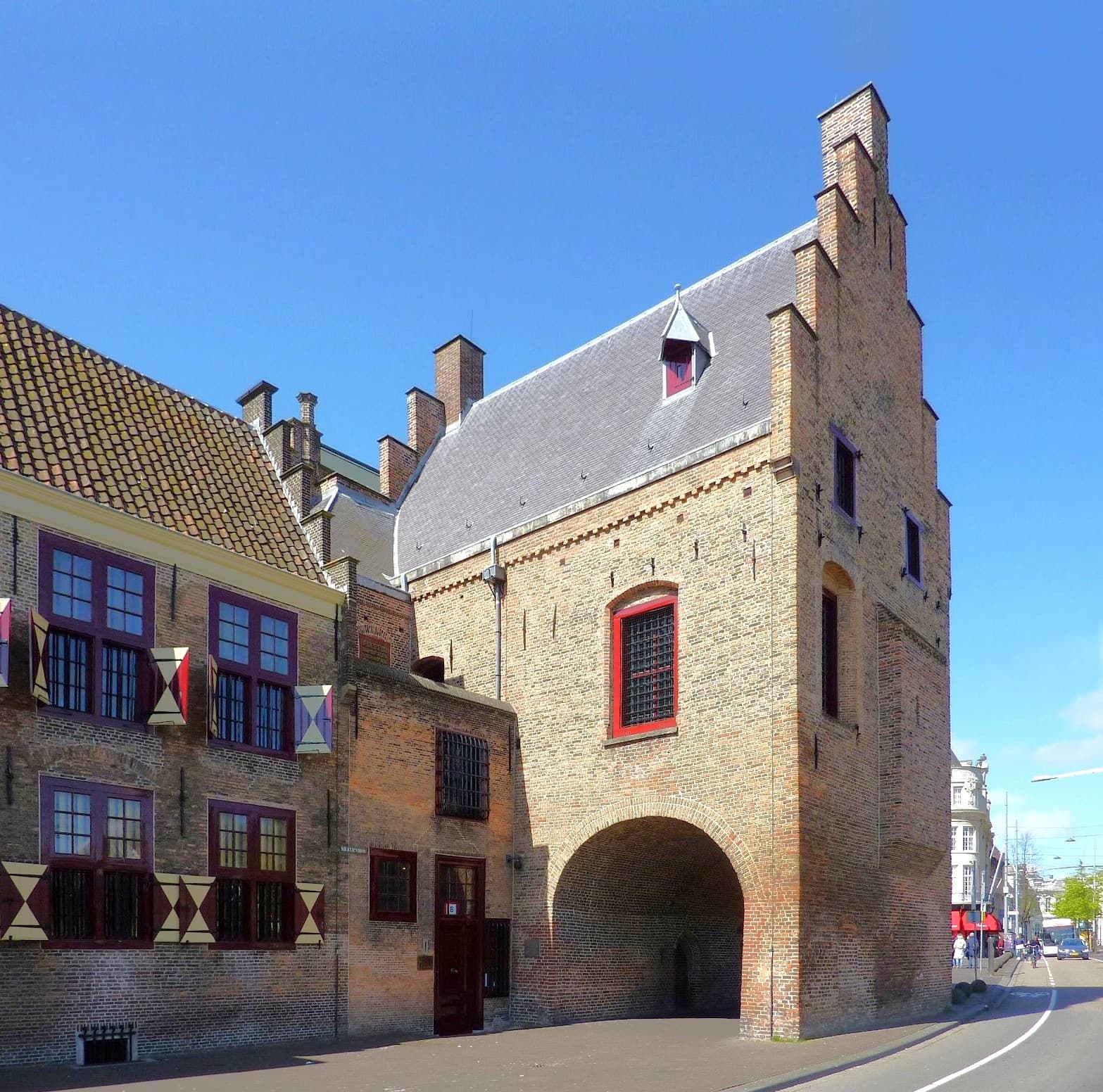 The Prison Gate MuseumA castle gate that became a prison that became a museum: the Gevangenpoort was b23 minutes walk4.3
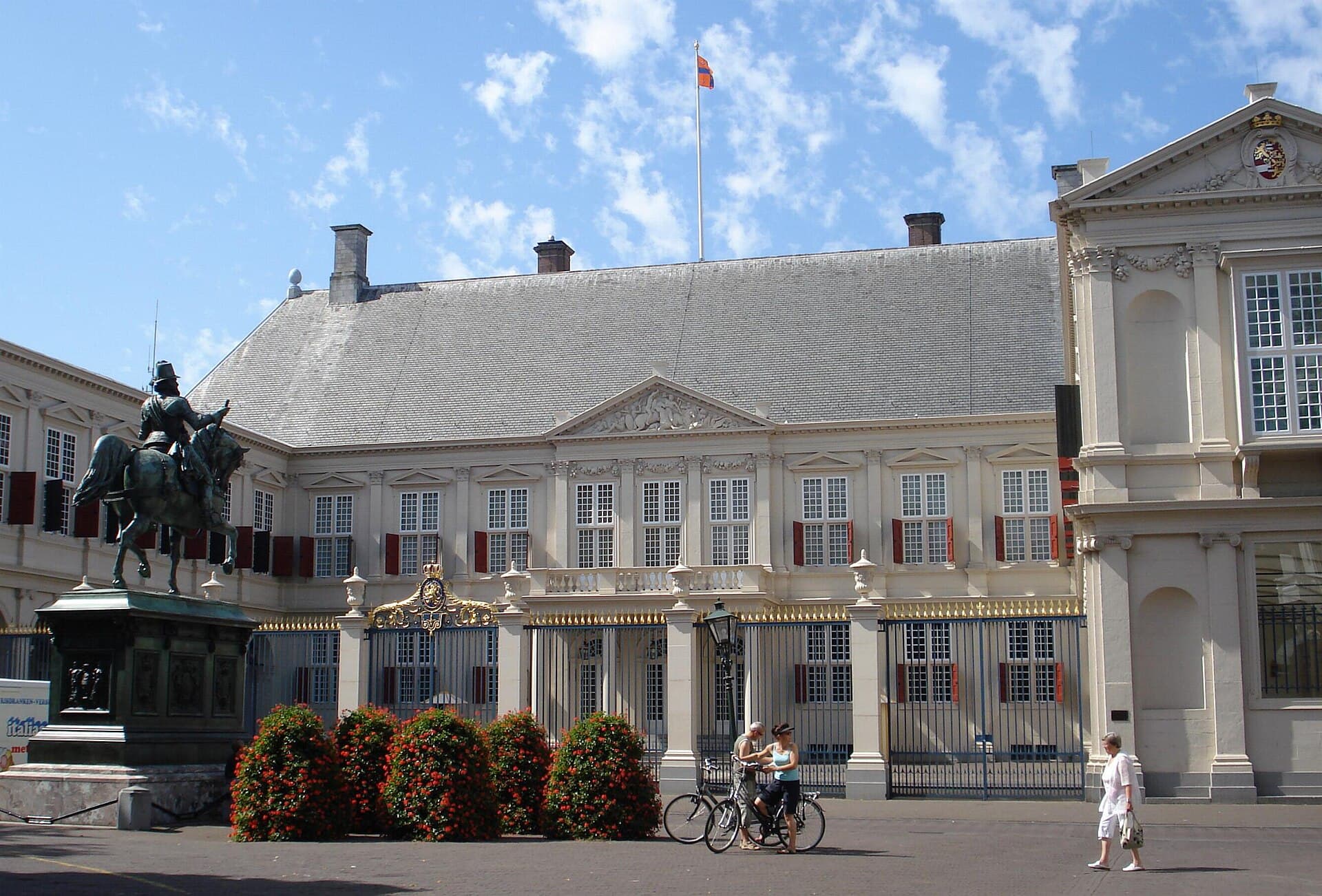 Noordeinde PalaceThe King's office: Noordeinde Palace is the working palace of the King of the Ne24 minutes walk4.4
The Hague is among the easier European cities for this. Around the Haagse Markt and the Transvaal district there are dozens of halal restaurants and butchers — Turkish, Moroccan, Surinamese and Indonesian. The neighbouring Schilderswijk is the same. In the tourist centre the choice is narrower but present, and halal restaurant apps work well here. Indonesian-Surinamese cooking is very widespread in The Hague and much of it contains no pork at all.