
The palace garden
A free pond and lawns behind the building.
Wikifrits — Public domain · Txllxt TxllxT — CC BY-SA 4.0 · Gerard Dukker — CC BY-SA 4.0 · Menno Huizinga — Public domain
The King's office: Noordeinde Palace is the working palace of the King of the Netherlands (not his home), built as a farmhouse in the fifteenth century and enlarged by the House of Orange into a classical palace in the seventeenth — with an equestrian statue of William the Silent, founder of the Dutch state, before it. The interior is not open, but its surroundings reward a walk: Noordeinde street itself is among The Hague's most refined, lined with galleries, auction houses and cafés, and behind the palace the Paleistuin garden is free and open to all — a quiet English garden with a pond and lawns where the city's office workers take lunch. The moment visitors come for is Prinsjesdag, the third Tuesday of September: the King rides out from here in the royal carriage to the Hall of Knights to open parliament — the most famous Dutch royal rite, with the streets filling from early morning.
A free pond and lawns behind the building.
Galleries, auction houses and cafés.
Noordeinde 68, The Hague
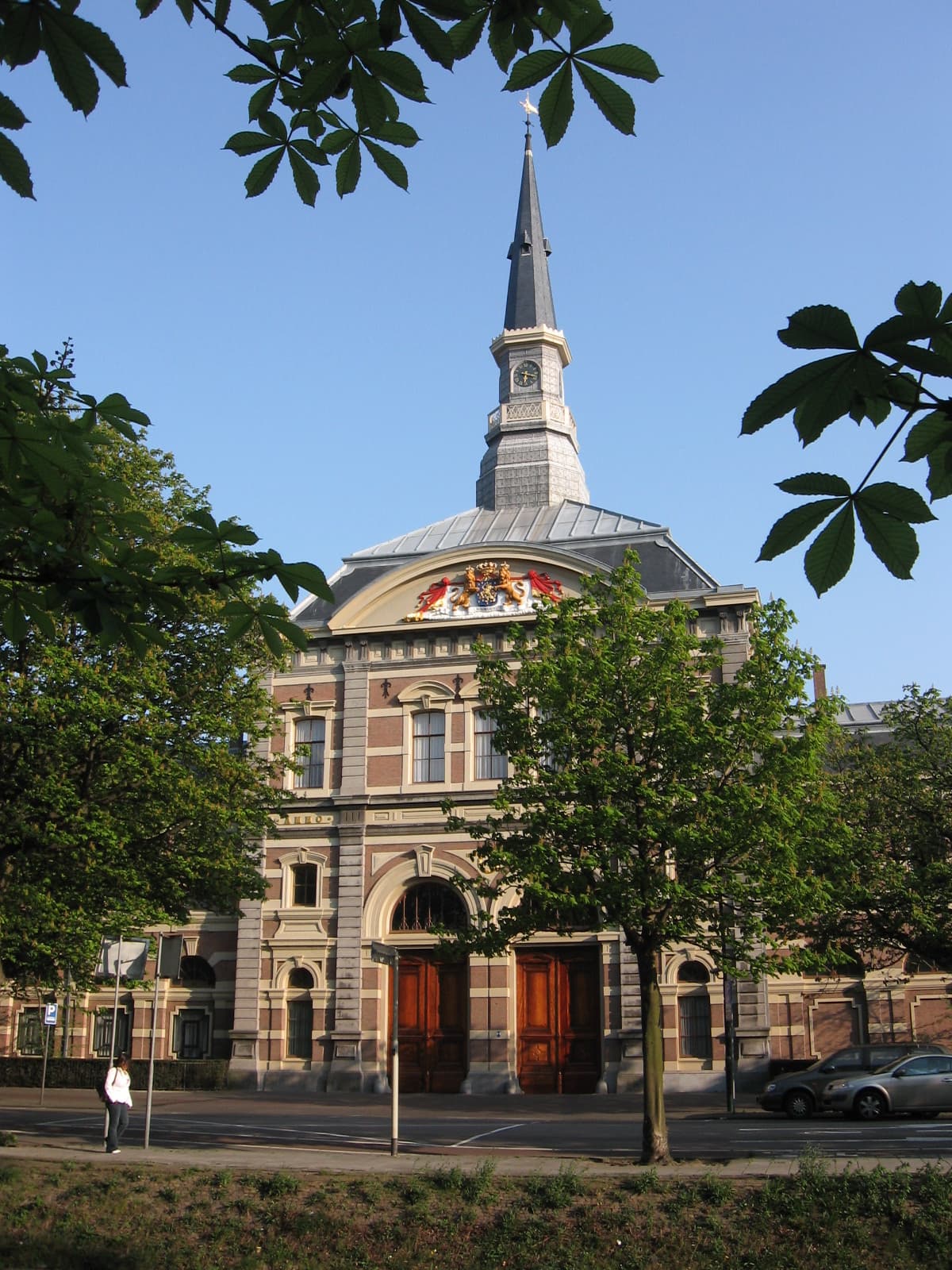 The Royal StablesThe building of the Dutch Royal Stables behind Noordeinde Palace in The Hague, b4 minutes walk4.7
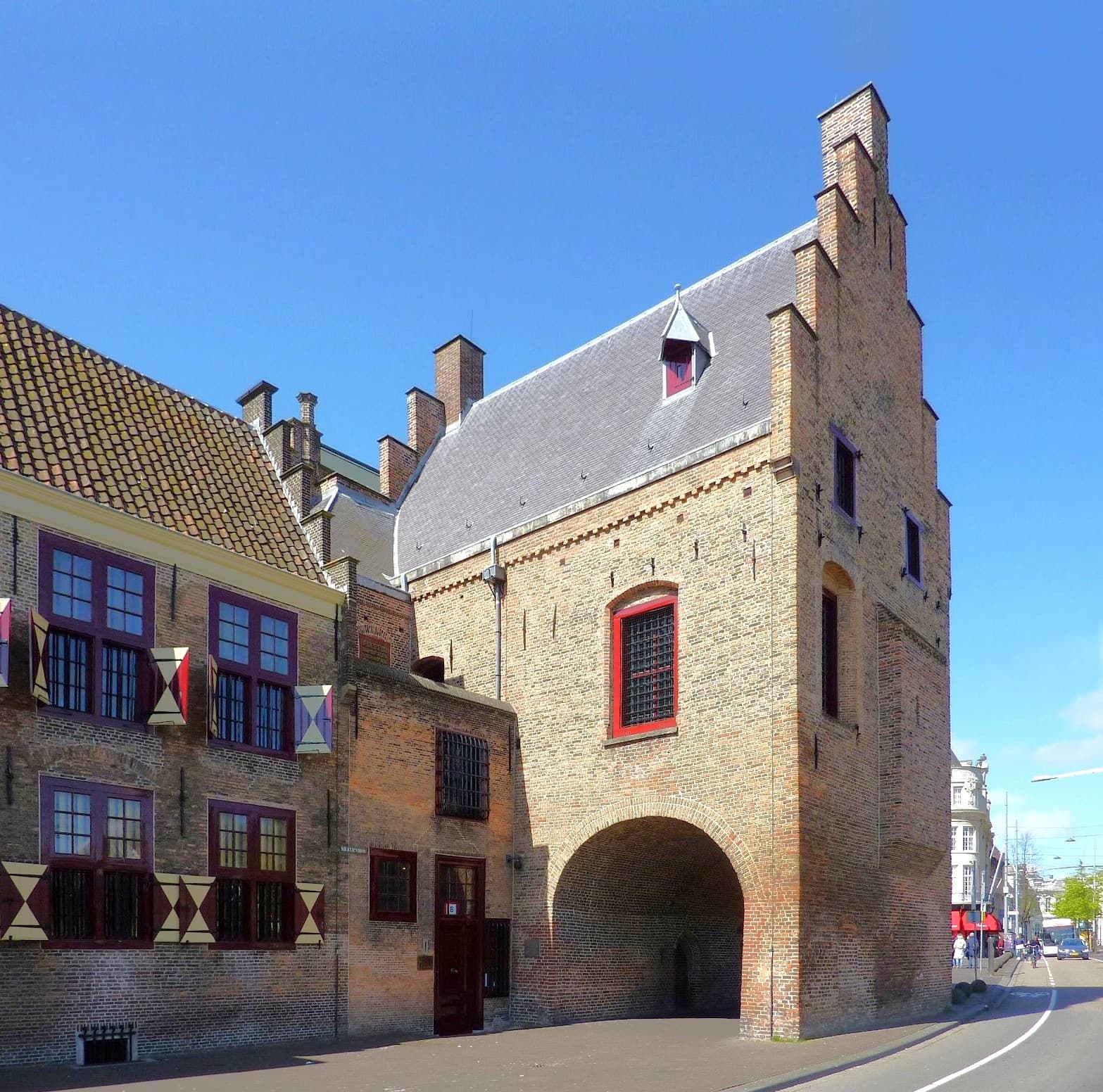 The Prison Gate MuseumA castle gate that became a prison that became a museum: the Gevangenpoort was b4 minutes walk4.3
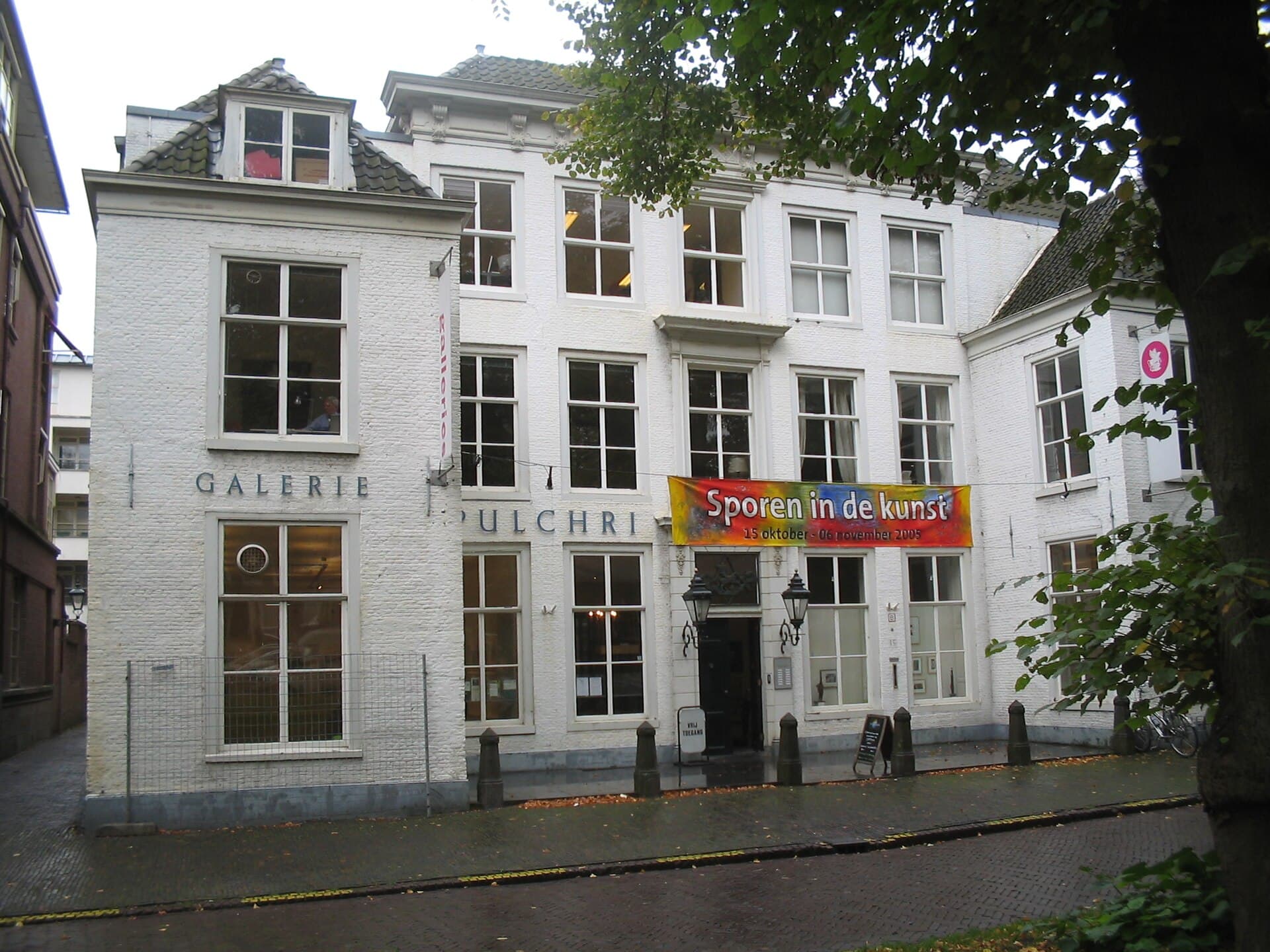 Pulchri StudioAn artists' society and exhibition rooms in an eighteenth-century mansion on the5 minutes walk4.3
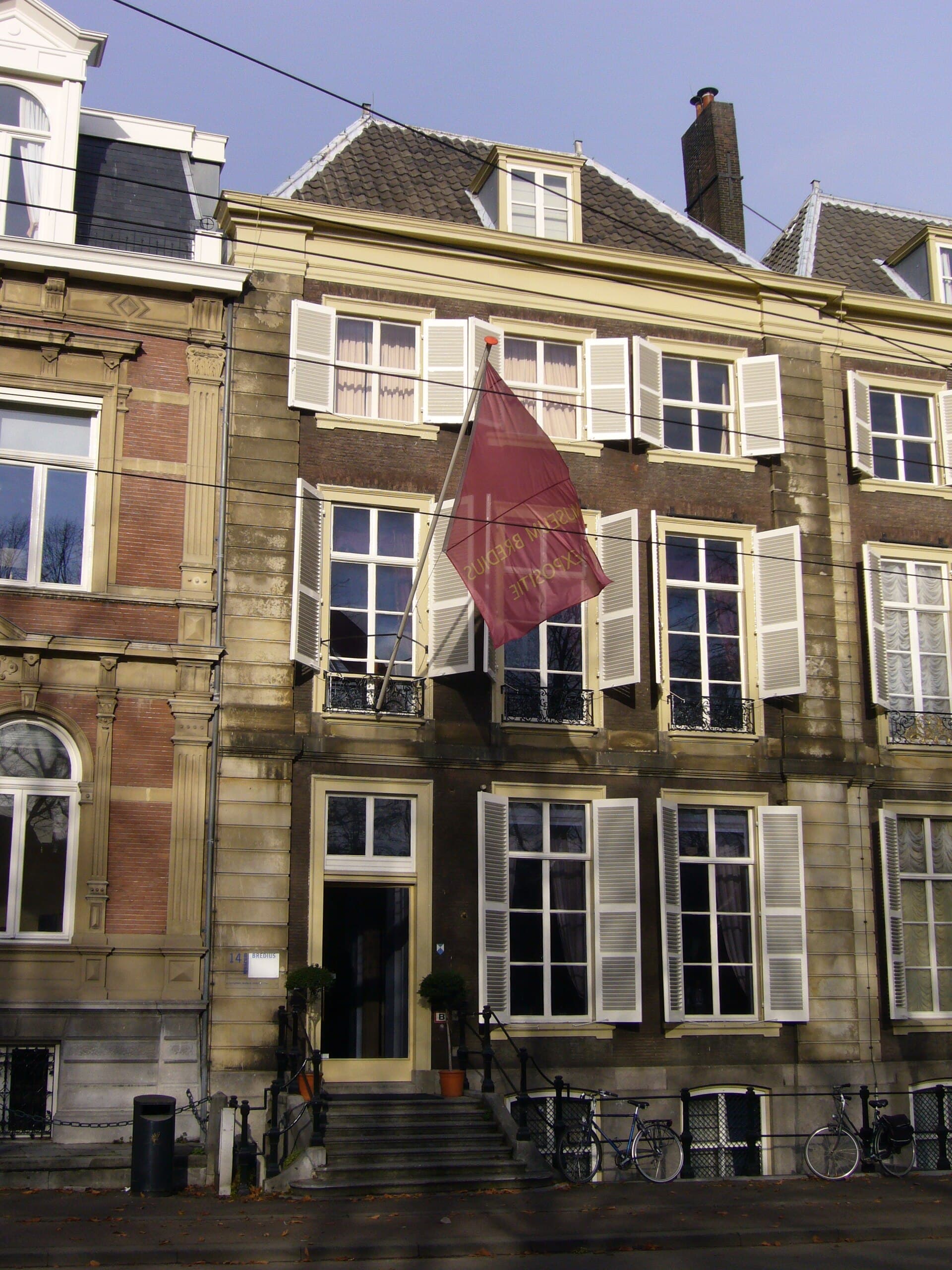 Museum BrediusMuseum Bredius is an eighteenth-century house on a canal near the Binnenhof, hol6 minutes walk4.6
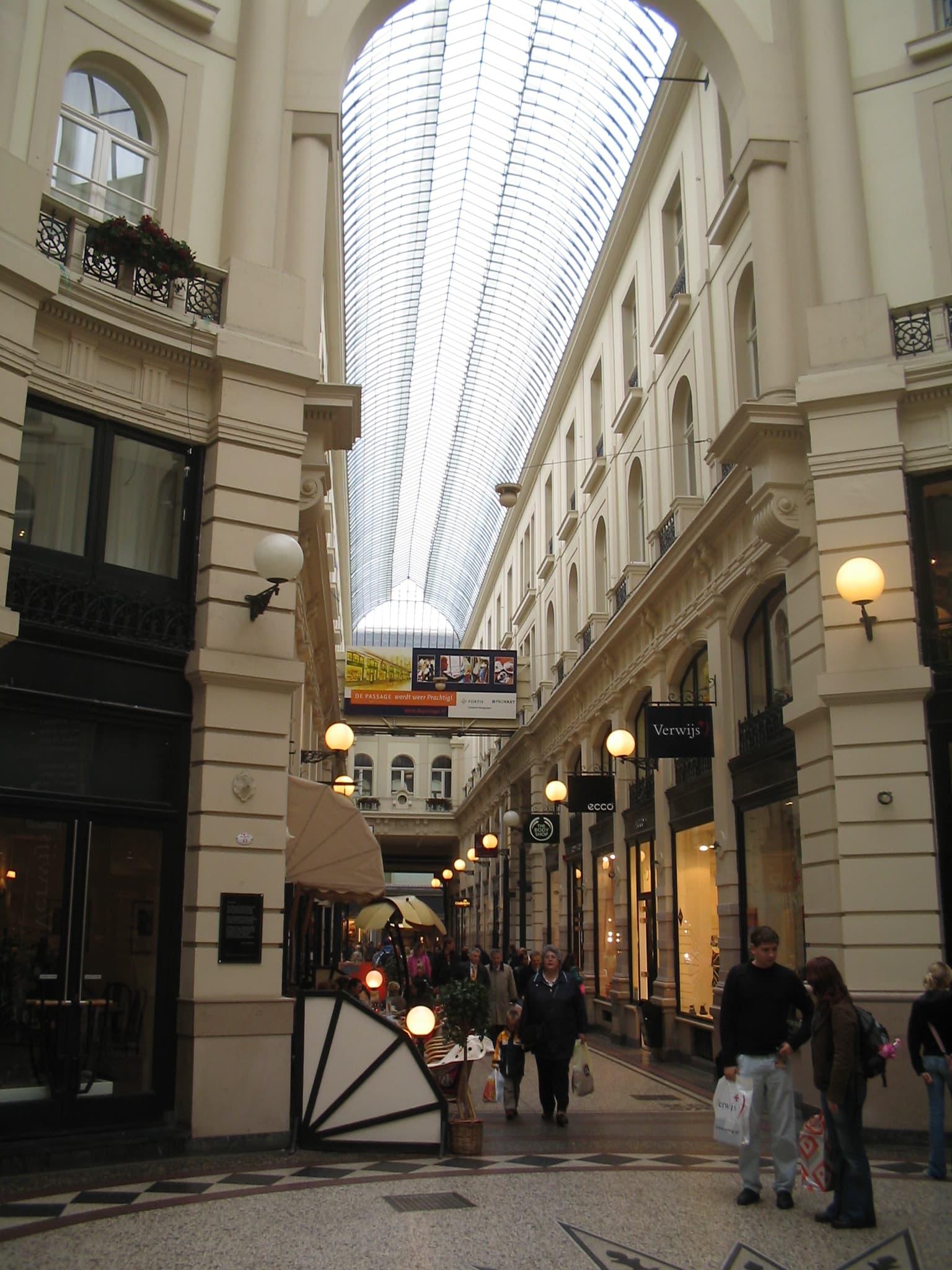 De PassageDe Passage is the oldest covered shopping arcade in the Netherlands, opened in 16 minutes walk4.3
At Huis ten Bosch Palace east of The Hague inside a wood, entirely closed to visitors; Noordeinde is for work and official receptions only.