
The Roman road under glass
Roman-era cart ruts scored into the original paving, visible beneath your feet at the central arch.
Cobija — CC0 · Ray Swi-hymn from Sijhih-Taipei, Taiwan — CC BY-SA 2.0 · Ray Swi-hymn from Sijhih-Taipei, Taiwan — CC BY-SA 2.0 · Ray Swi-hymn from Sijhih-Taipei, Taiwan — CC BY-SA 2.0
Look down before you look up. Beneath the central arch a glass panel exposes the original Roman street, and cut into its paving are deep ruts worn by cart wheels rolling in and out of the city. That small detail is what lifts Hadrian's Gate above being a photo backdrop: you are standing on the threshold of ancient Attaleia, in exactly the spot Romans crossed some nineteen centuries ago. The gate went up around 130 AD to mark Emperor Hadrian's visit to the city, and locals call it Üçkapılar, the Three Gates: three equal arches of white marble on granite columns, a little over eight metres tall, with composite capitals that blend Ionic volutes and Corinthian acanthus, a frieze carved with flowers and rosettes, and a cornice studded with lion heads. It originally carried an upper storey, probably holding statues of the emperor and his family, which has vanished entirely. The irony is that the gate survived because it was forgotten. Once the city wall was built across its outer face it fell out of use for centuries and sat buried and protected until it was dug out in the 1880s and fully restored at the end of the 1950s. The two flanking towers tell Antalya's story in a single structure. The southern one is genuinely Roman, known as the Tower of Julia Sancta; the northern one keeps only its Roman base, its upper part rebuilt in the thirteenth century under the Seljuk sultan Alaeddin Keykubad and carrying an inscription in Arabic script. It is the only gate of the old city walls still standing. Entry is free and open around the clock, and the visit takes a quarter of an hour at most, so do not come for the gate alone. Make it the start of a Kaleiçi walk. The gate sits about a metre and a half below the modern street, so you go down a few steps from Atatürk Caddesi to pass through it, and the lanes behind are cobbled, so pushchairs take some effort. At midday in summer a photo queue forms under the arches and Atatürk Caddesi bakes, so early morning or after dark, when the gate is floodlit, is the better call.
Roman-era cart ruts scored into the original paving, visible beneath your feet at the central arch.
White marble, granite columns, a rosette frieze and a lion-head cornice, raised around 130 AD.
The southern one is original Roman work; the northern was rebuilt by the Seljuks in the 1200s and carries an Arabic-script inscription.
Atatürk Caddesi, entrance to Kaleiçi, Muratpaşa
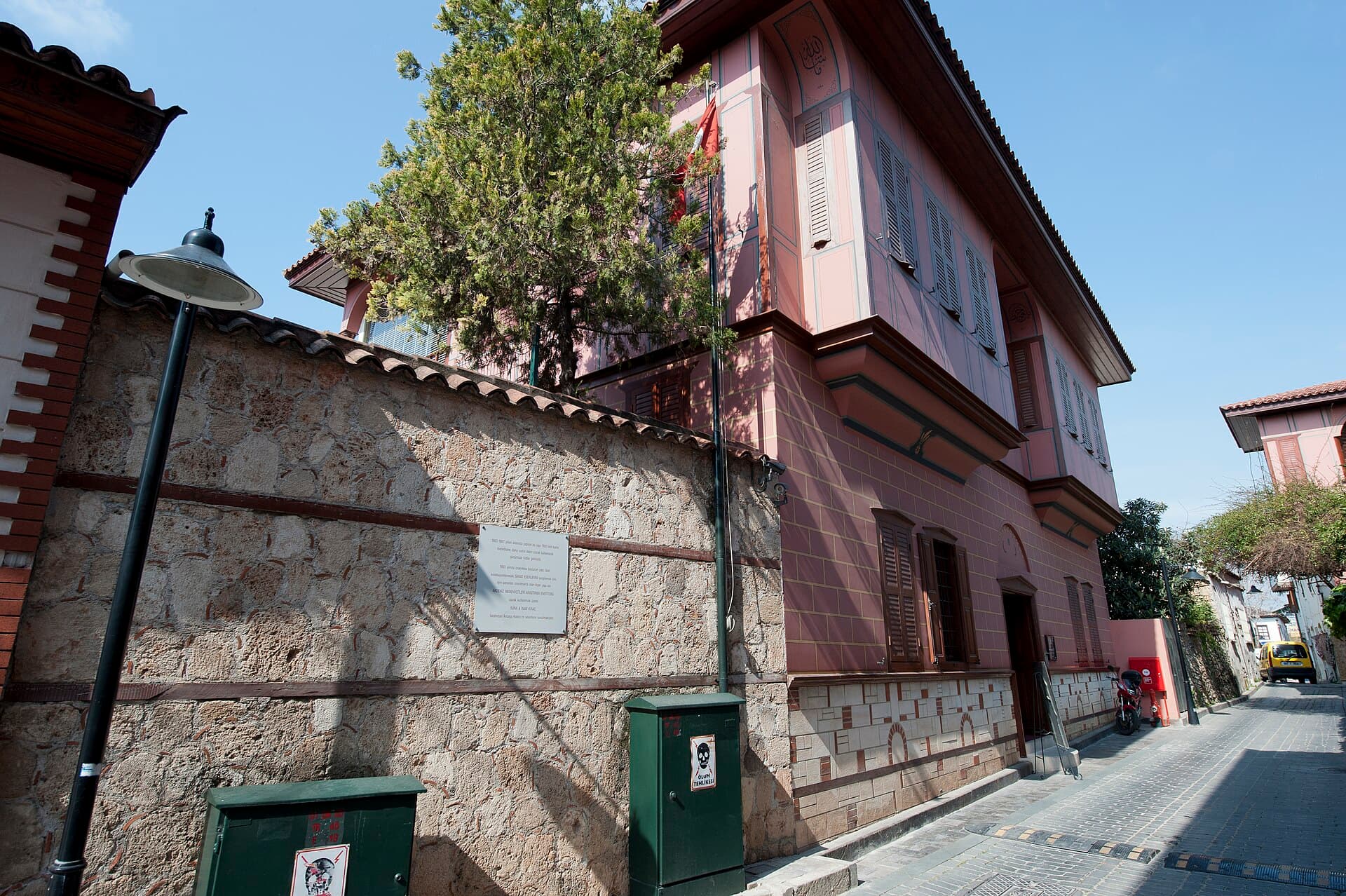 Kaleiçi Museum (Suna & İnan Kıraç)A small Greek church that spent decades as a derelict storehouse, and a nineteen2 min walk
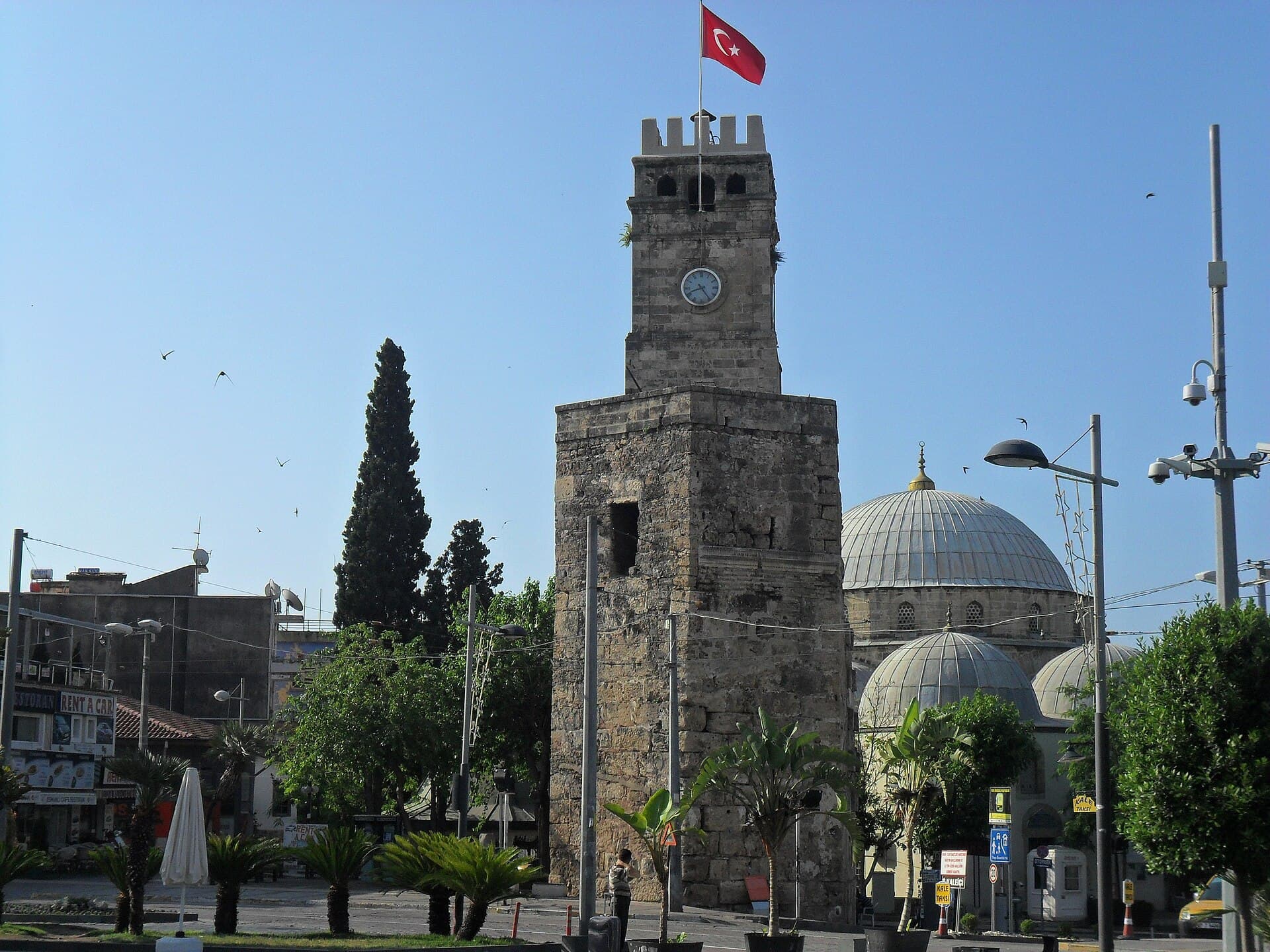 Antalya Clock TowerThe clock on the four faces of this tower is not the one Antalya got in 1901. Th4 min walk
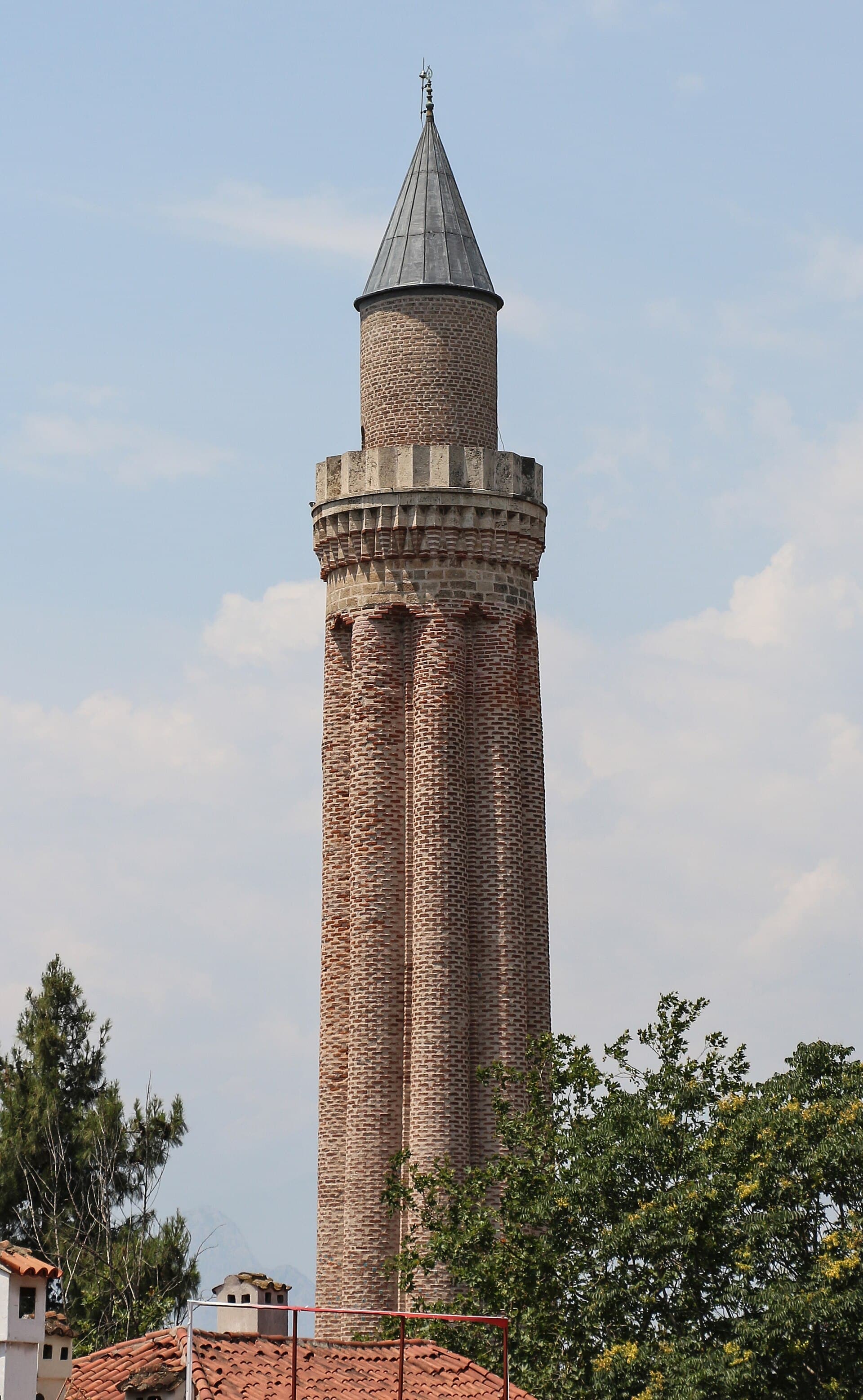 Yivli Minare MosqueThe 38-metre fluted brick minaret rising over the entrance to Kaleiçi is Antalya5 min walk
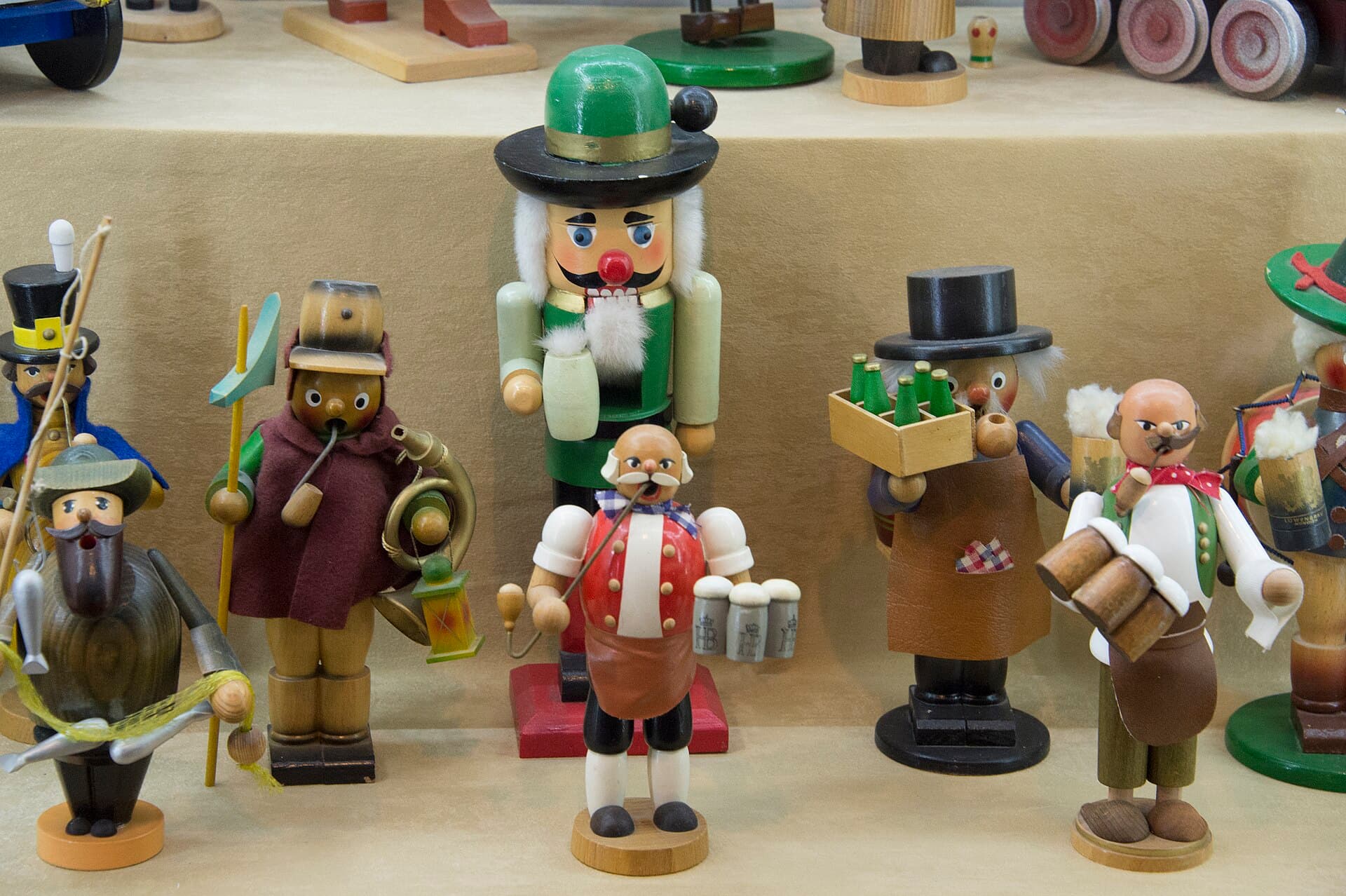 Antalya Toy MuseumOn the quay of Antalya's old harbour, where the boat touts are loudest, a restor7 min walk
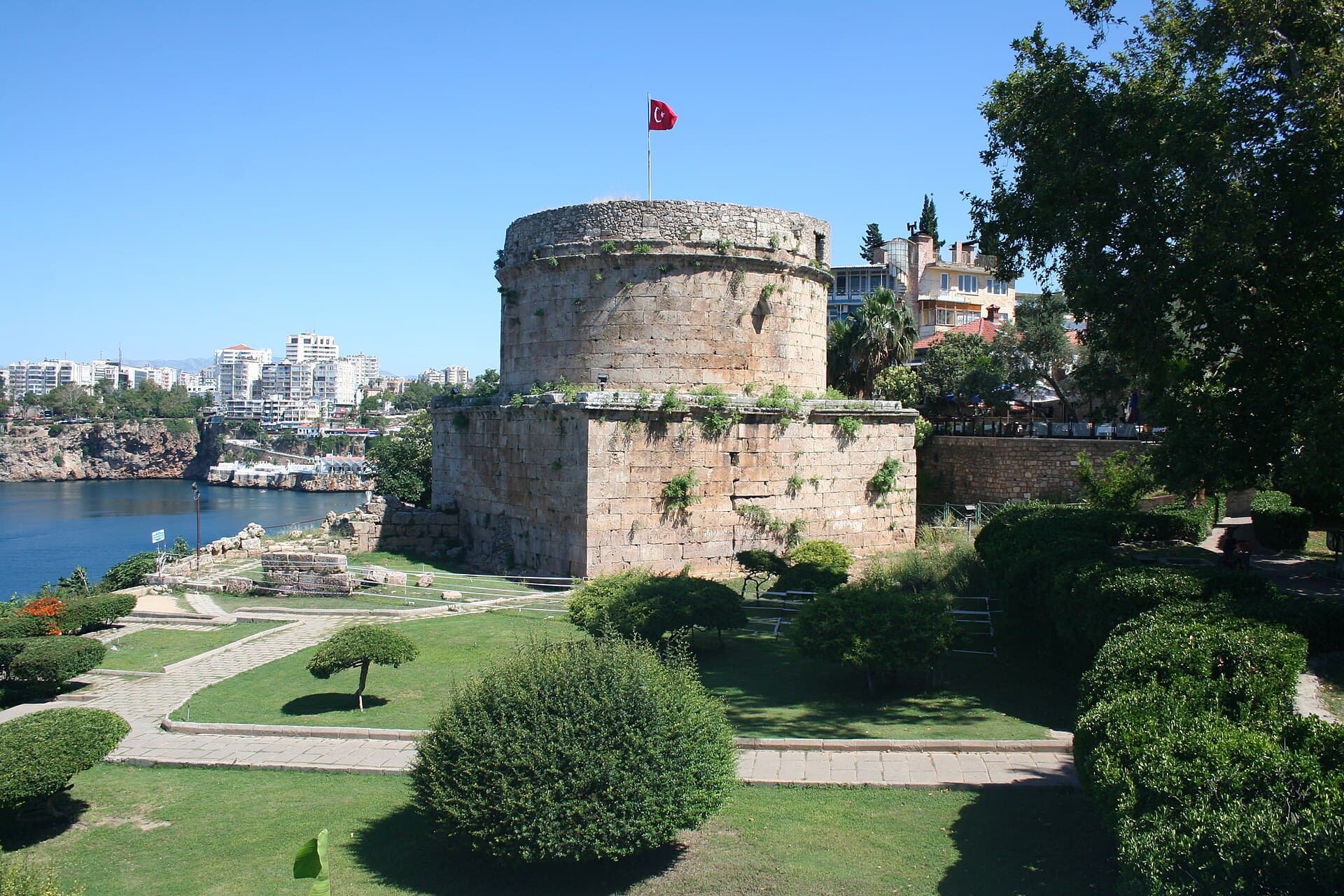 Hıdırlık TowerClose to two thousand years on the edge of a cliff, and nobody can say for certa8 min walk
On its own, no. It is a gate you walk through in a minute, with nothing to go inside. But it is the natural way into Kaleiçi, so make it the first stop on an old-town walk down to the Fluted Minaret and the harbour, and it becomes a pass-through you would not want to miss.
Before nine in the morning you nearly have it to yourself; in summer a photo queue forms under the arches from noon into the afternoon. After sunset the gate is floodlit and night shots come out well, and the heat is far kinder in July and August.
Sign in to write your review of this place.
No reviews yet — be the first.