
The fluted minaret
Thirty-eight metres of Seljuk brick in eight flutes with surviving turquoise tile, Antalya's symbol since around 1230.
Bernard Gagnon — CC BY-SA 3.0 · Ray Swi-hymn from Sijhih-Taipei, Taiwan — CC BY-SA 2.0 · Ray Swi-hymn from Sijhih-Taipei, Taiwan — CC BY-SA 2.0 · Ray Swi-hymn from Sijhih-Taipei, Taiwan — CC BY-SA 2.0
The 38-metre fluted brick minaret rising over the entrance to Kaleiçi is Antalya's emblem before it is anything else: it is on the municipal crest and on every fridge magnet in town, and one look at it from Cumhuriyet Square tells you why. The Seljuk sultan Alaeddin Keykubad I raised it around 1230, some years after the Seljuks took the city, on a cut-stone base with eight half-cylindrical flutes that still hold fragments of turquoise and dark-blue tile between the bricks. You cannot climb it, and honestly it is better from a distance anyway. The mosque itself is smaller than its minaret suggests, but architecturally just as important. Mehmet Bey of the Hamidoğlu emirate rebuilt it in 1373 with six domes in two rows, making it one of Anatolia's earliest surviving multi-domed mosques, an idea the Ottomans would later seize on and scale up in Bursa and Istanbul. Inside, twelve columns carry the domes, and their capitals were lifted from older Roman and Byzantine buildings: look at those rather than the bare walls. It is a working mosque, free outside prayer times, headscarf and shoes-off as usual. What has really changed is the ground around it. In October 2025 the Foundations directorate finished about two years of excavation, restoration and landscaping (the digging had begun several years earlier), and the whole complex is now a set of open walkways linking the Mevlevihane (a small free museum of dervish culture and the sema), the old hammam, the tombs of Zincirkıran Mehmet Bey and Nigâr Hatun, the carved 1239 portal of the Atabey Armağan medrese, restored and brought back into full view, plus an old ornamental fountain returned from a museum to its original spot and water cisterns opened up for viewing. The whole circuit takes about half an hour and sits directly on your way from Cumhuriyet Square to the clock tower and the lanes of Kaleiçi. Practically: the plaza is level and fine for pushchairs; the old-town lanes beyond it are cobbled and steep. Shade is scarce in summer, so make it your first stop in the morning or your last before sunset. The Mevlevihane museum keeps daytime hours (roughly 08:30 to 17:30, sometimes later in summer; check locally) and now and then hosts Sufi music evenings and sema performances.
Thirty-eight metres of Seljuk brick in eight flutes with surviving turquoise tile, Antalya's symbol since around 1230.
One of Anatolia's earliest surviving multi-domed mosques, resting on columns with Roman and Byzantine capitals.
A free dervish museum, two tombs, a hammam, a 1239 medrese portal and a fountain and cisterns brought back into view.
Selçuk Mahallesi, Cumhuriyet Caddesi, at the Kaleiçi entrance
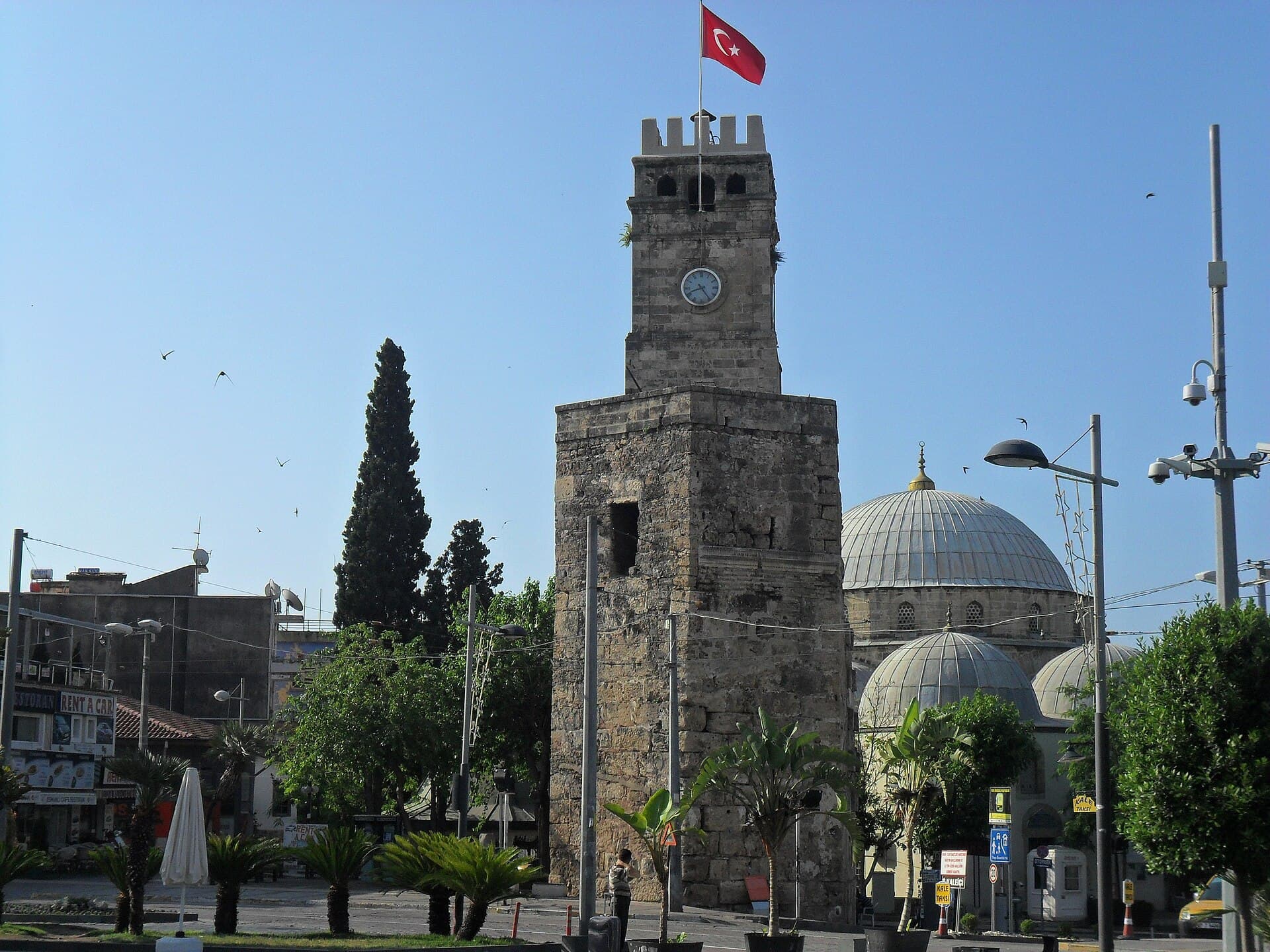 Antalya Clock TowerThe clock on the four faces of this tower is not the one Antalya got in 1901. Th2 min walk
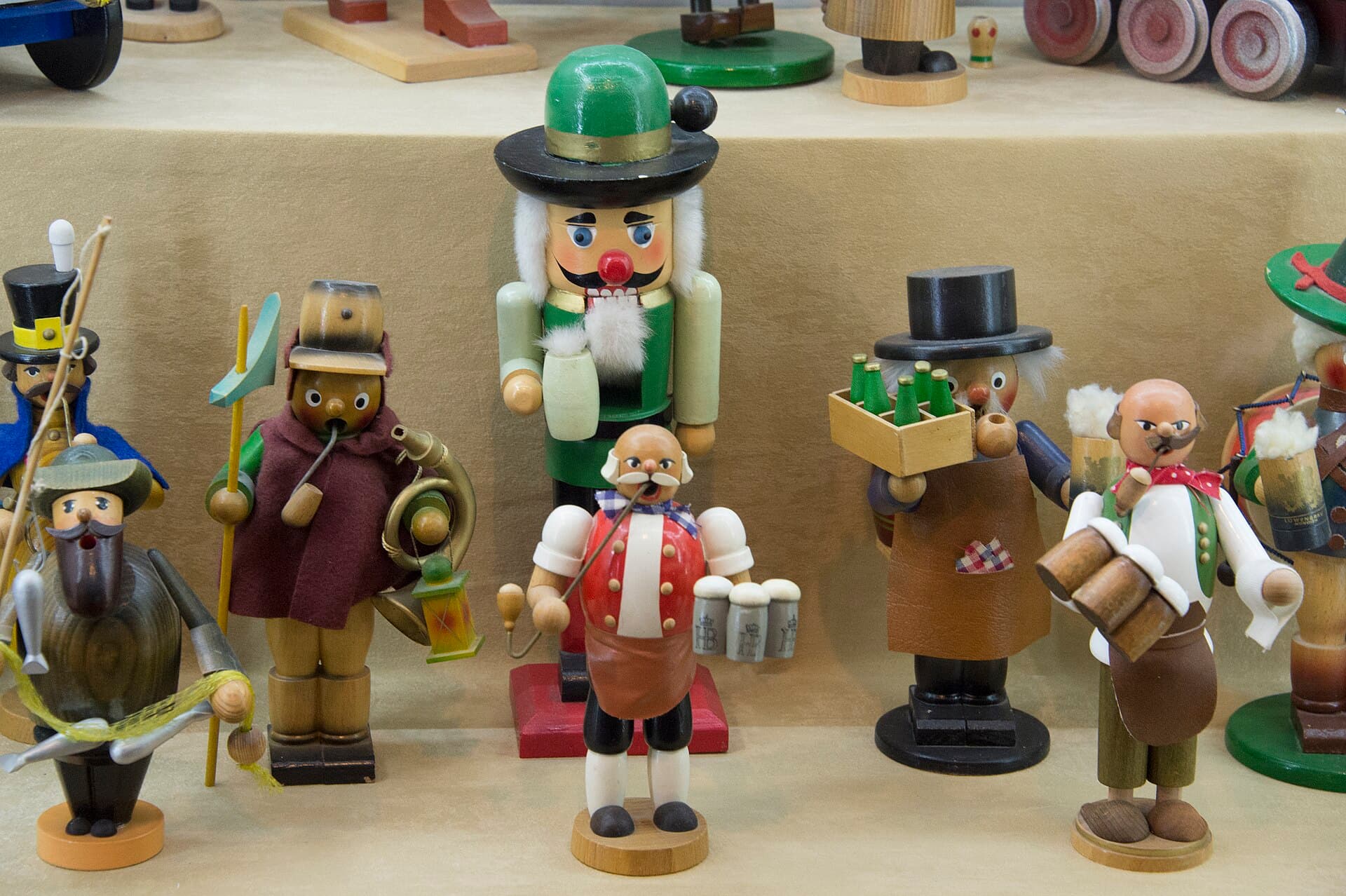 Antalya Toy MuseumOn the quay of Antalya's old harbour, where the boat touts are loudest, a restor3 min walk
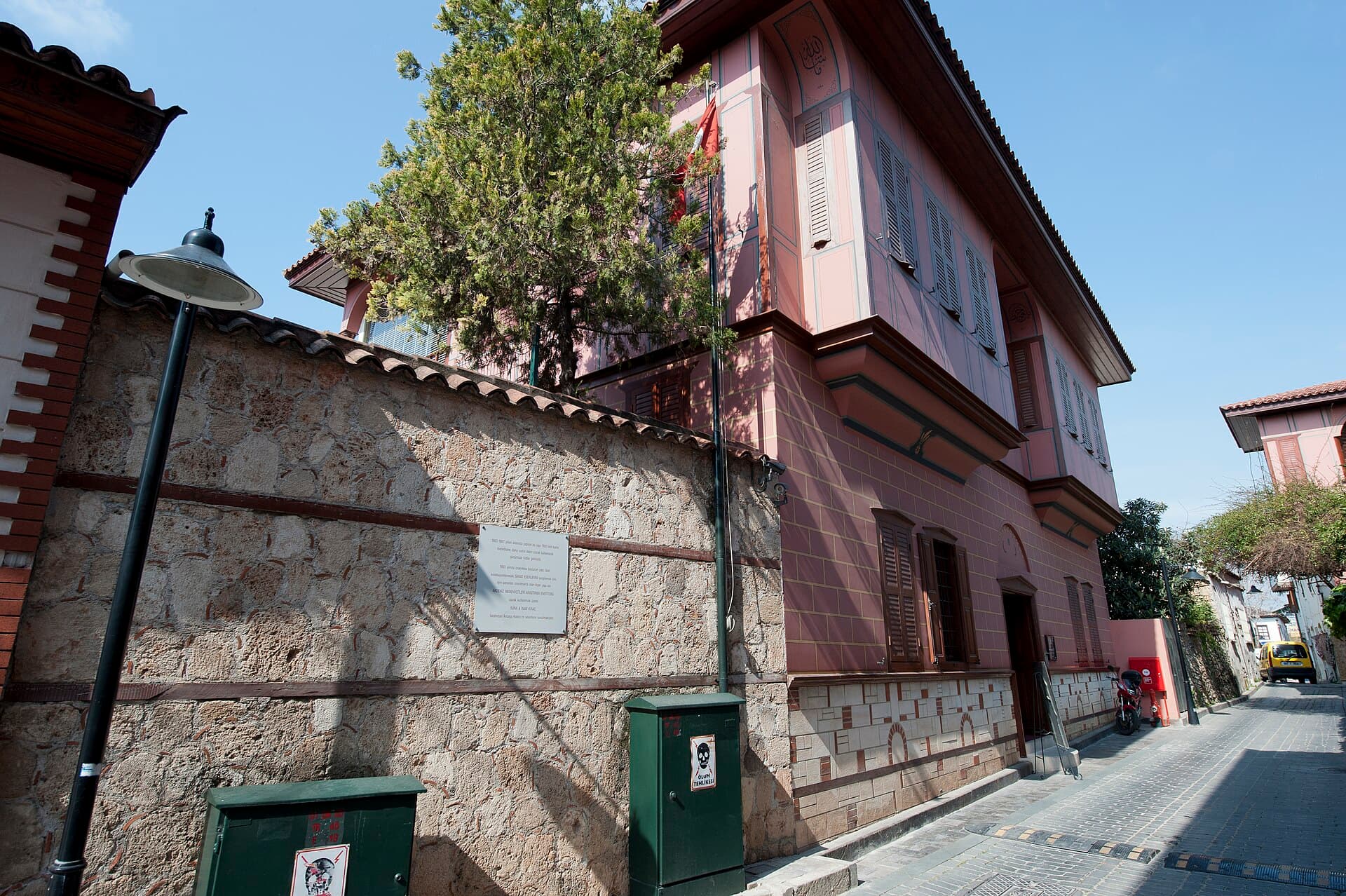 Kaleiçi Museum (Suna & İnan Kıraç)A small Greek church that spent decades as a derelict storehouse, and a nineteen4 min walk
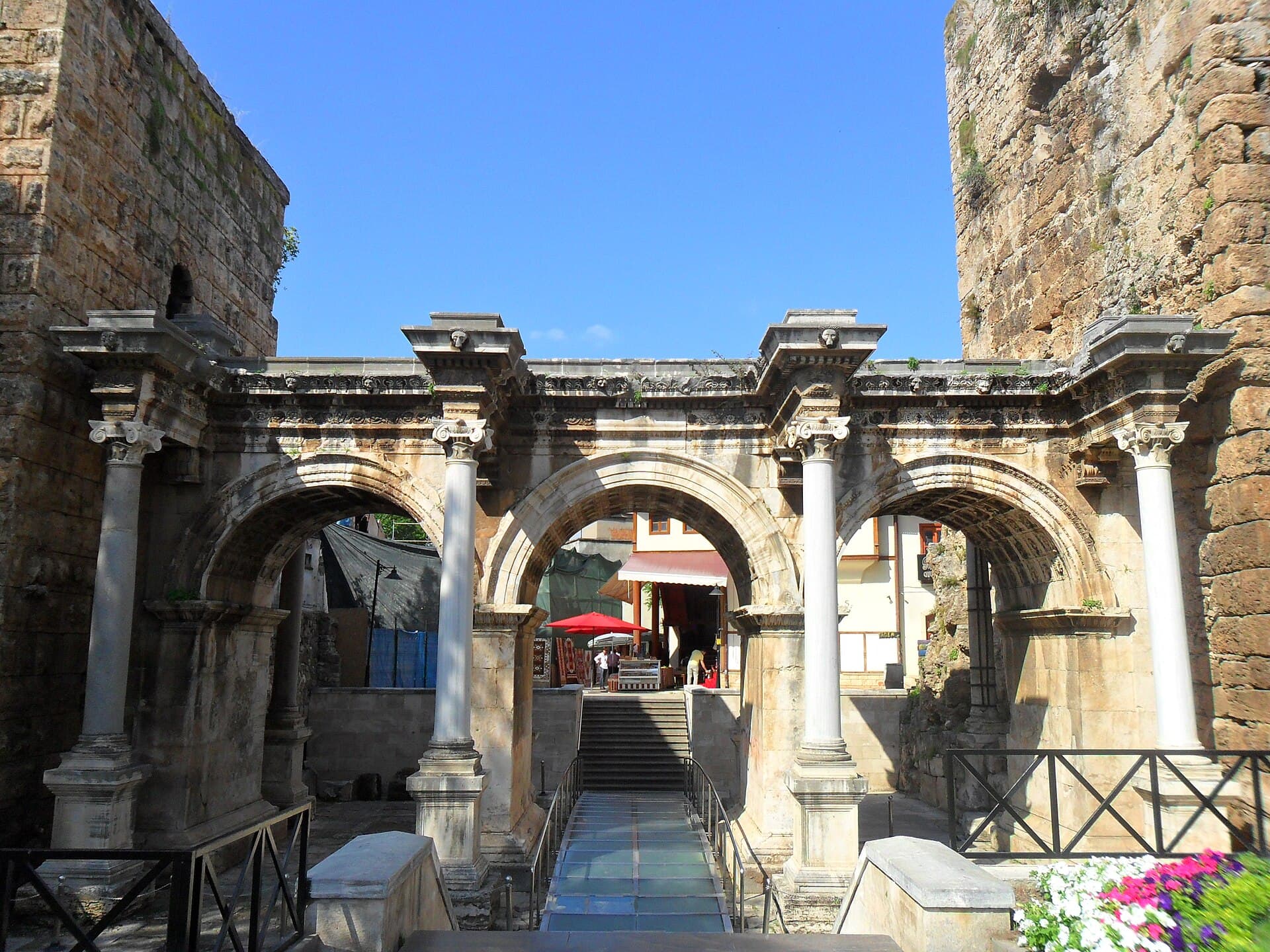 Hadrian's GateLook down before you look up. Beneath the central arch a glass panel exposes the5 min walk
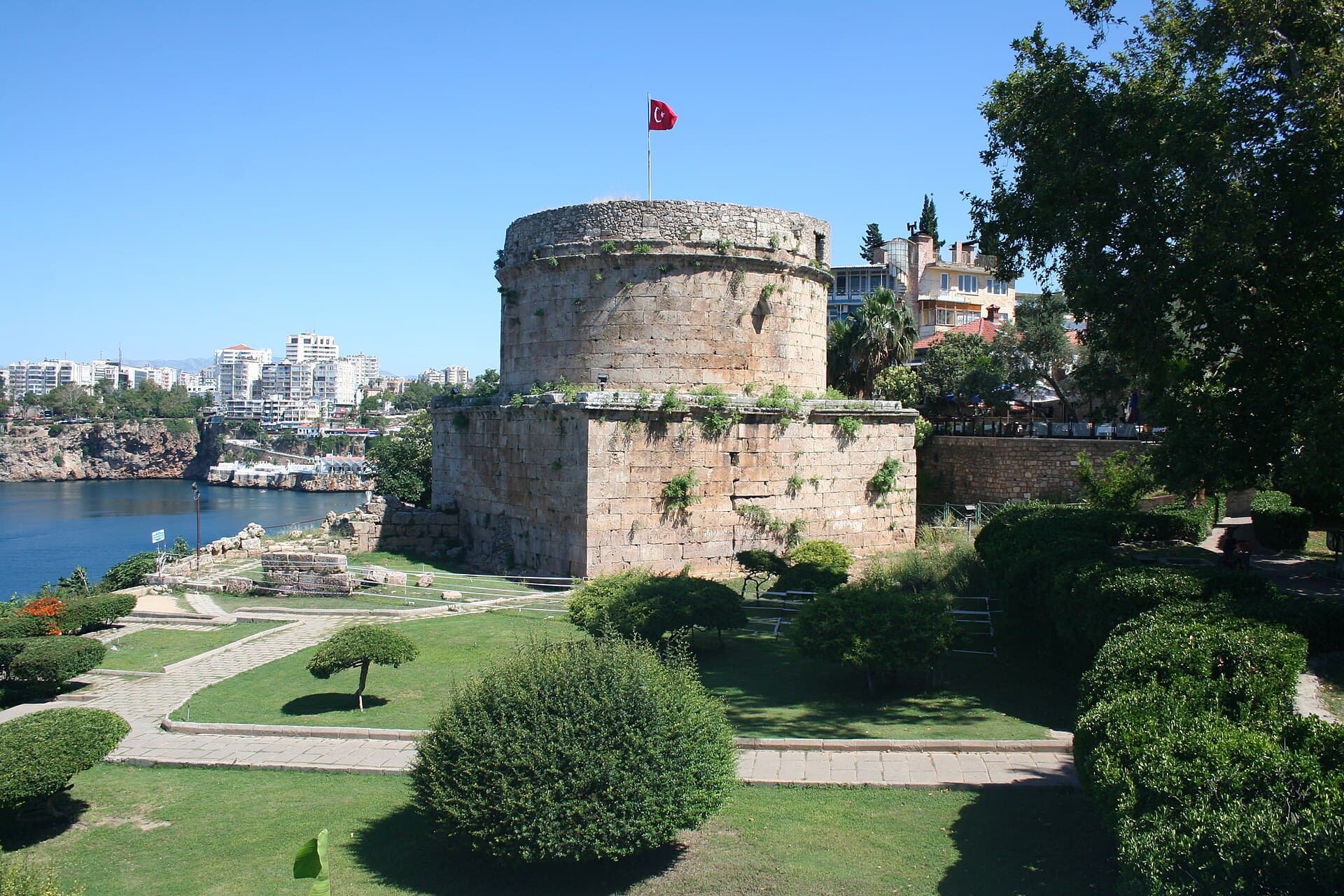 Hıdırlık TowerClose to two thousand years on the edge of a cliff, and nobody can say for certa7 min walk
The minaret is the star and you see all of it from outside, so a photo from Cumhuriyet Square does the job if time is tight. But fifteen minutes inside the mosque for the columns and domes, and as long again in the free Mevlevihane museum, add something real for the cost of a short detour.
The plaza is level and pushchair-friendly, the visit is short enough that children do not tire of it, and the opened-up cisterns and preserved graves in the plaza usually hold their attention. The difficulty starts afterwards in the steep cobbled lanes of Kaleiçi, so bring a carrier if you are continuing down to the harbour.
Sign in to write your review of this place.
No reviews yet — be the first.