
The wedding rooms of the Ottoman house
Guests, dowry and henna night staged with life-size figures in authentic dress collected from the Antalya region.
Dosseman — CC BY-SA 4.0 · Dosseman — CC BY-SA 4.0 · Dosseman — CC BY-SA 4.0 · Dosseman — CC BY-SA 4.0
A small Greek church that spent decades as a derelict storehouse, and a nineteenth-century Ottoman house sharing its courtyard: that is the whole museum, and it is enough to finally explain the closed wooden doors you keep walking past in the lanes of Kaleiçi. The businessman İnan Kıraç and his wife Suna bought both buildings in the early 1990s, the architect Sinan Genim restored them between 1993 and 1995, and the museum opened on 18 May 1996. It is run today by AKMED, Koç University's research centre for Mediterranean civilisations, which is why the labels are unusually careful. The house is the part Gulf and Levantine visitors tend to love, because it is familiar to the point of surprise. You enter over a pebble-mosaic floor, its stones gathered from Konyaaltı beach and kept damp so the doorway stayed cool all day, then climb to an upper floor where three rooms stage a household in wedding season: receiving guests with coffee, the dowry room, and the henna night. The life-size figures wear genuine regional dress, the rugs, covers and furniture were all collected from Antalya homes, and the painted wooden ceilings copy the Tekelioğlu Mansion nearby. The henna night alone will start an argument in any Arab family that knows the same ritual with different details. The second building is the Church of St George (Aya Yorgi), rebuilt in 1863 with donations from the town's Christians, as the inscription over the eastern door says, written in Turkish but in Greek letters. After the population exchange of the 1920s it lost its congregation, became a warehouse and lost its woodwork, until it was bought in 1991 and restored. Its blue vaulted ceiling now shelters a collection of brightly glazed Çanakkale ceramics and rotating temporary shows; recent themes have included nineteenth-century street sellers and fishing tales from antiquity. Be honest with the family before you go: this is a thirty to forty-five minute visit, and the wooden stairs of the house are not for pushchairs. But the ticket is nominal, children of 14 and under enter free, and the rooms are cool and shaded in August heat, a few minutes' walk from the Kaleiçi harbour. It closes on Mondays, so plan your old-town loop around that.
Guests, dowry and henna night staged with life-size figures in authentic dress collected from the Antalya region.
An 1863 church rescued from life as a warehouse, now home to Çanakkale ceramics and temporary exhibitions.
A floor of Konyaaltı beach pebbles that was kept damp to cool the house, and the first thing you step on.
Kocatepe Sokak No. 22, Barbaros Mahallesi, Kaleiçi
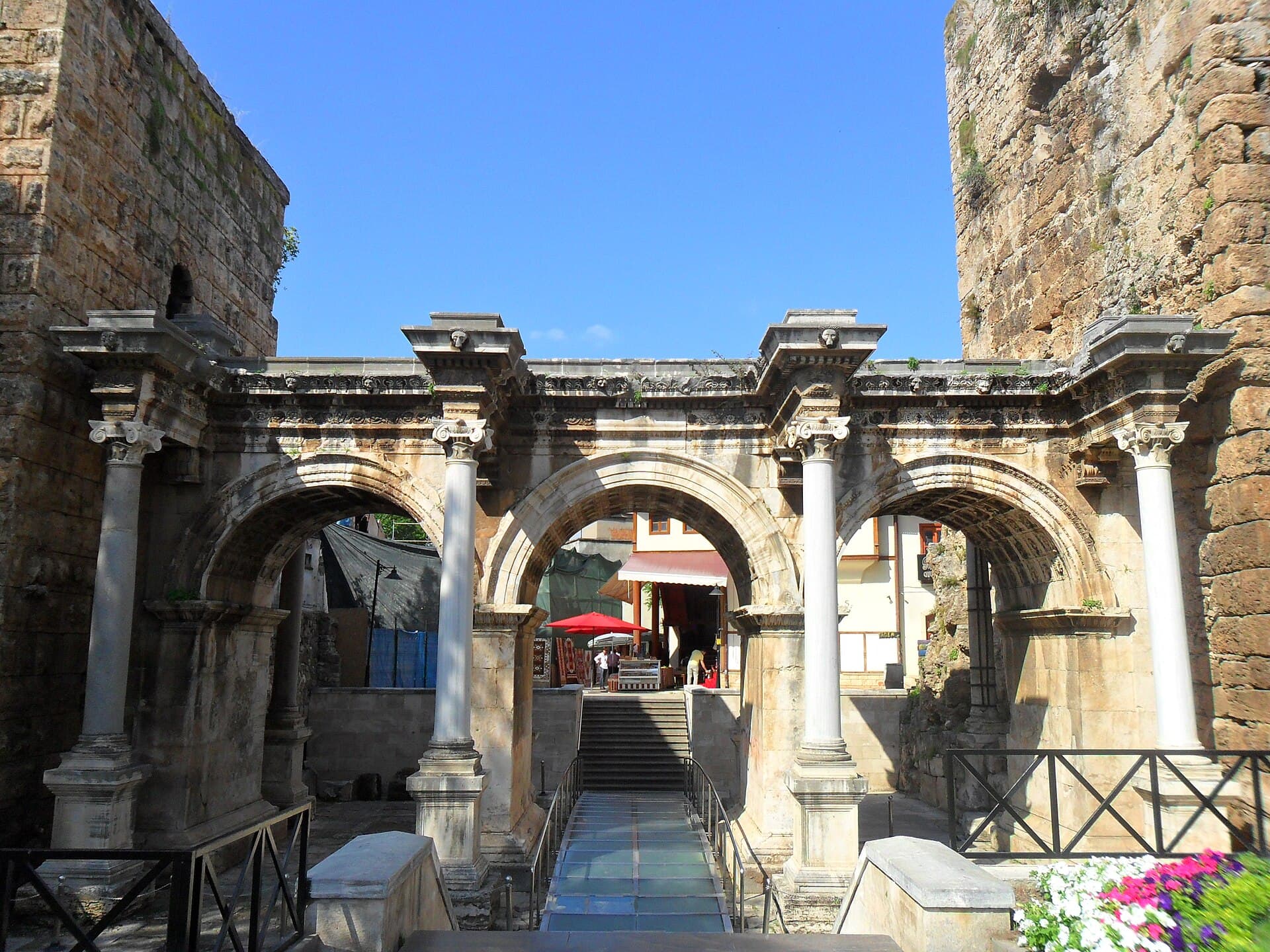 Hadrian's GateLook down before you look up. Beneath the central arch a glass panel exposes the2 min walk
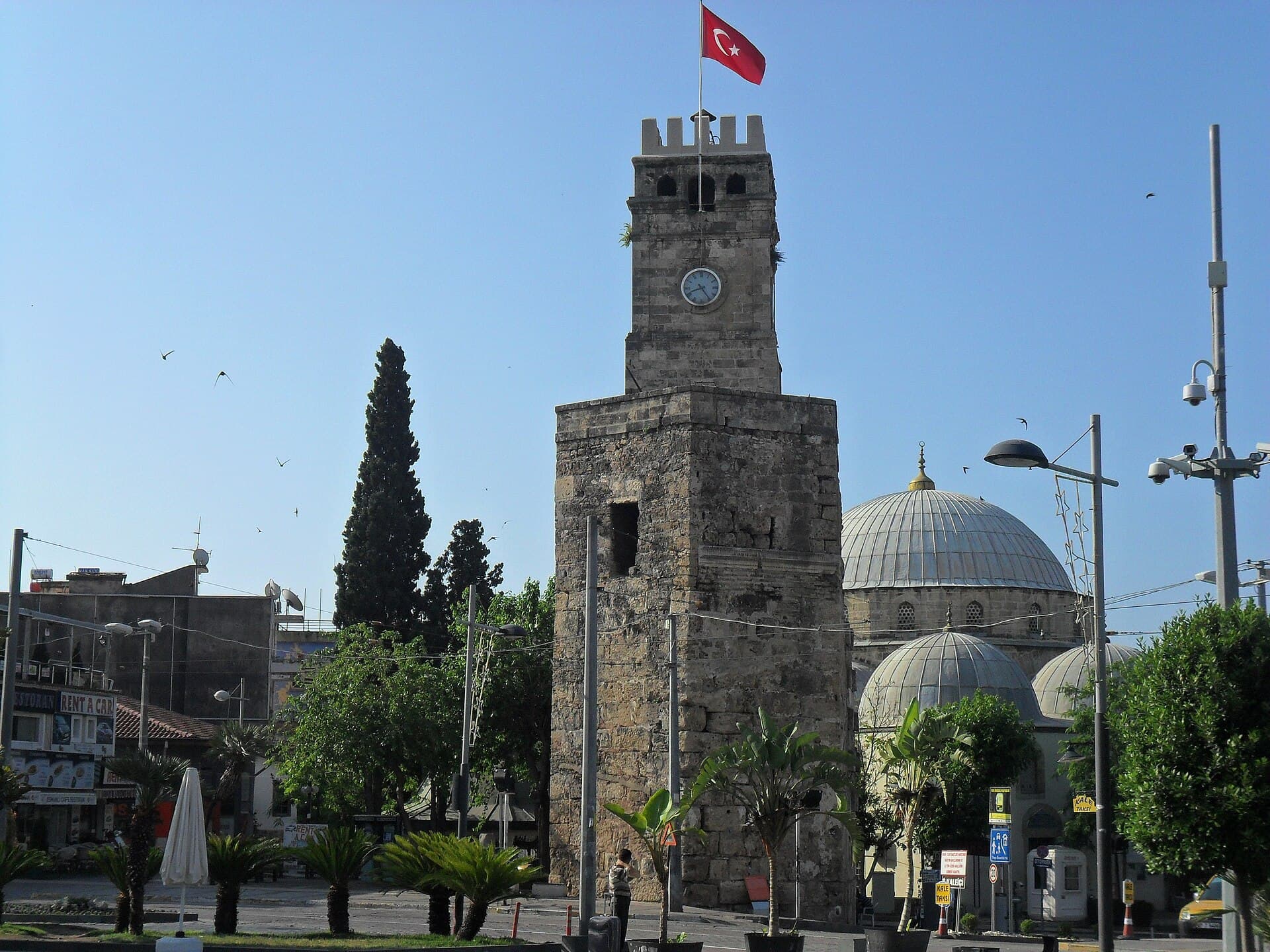 Antalya Clock TowerThe clock on the four faces of this tower is not the one Antalya got in 1901. Th4 min walk
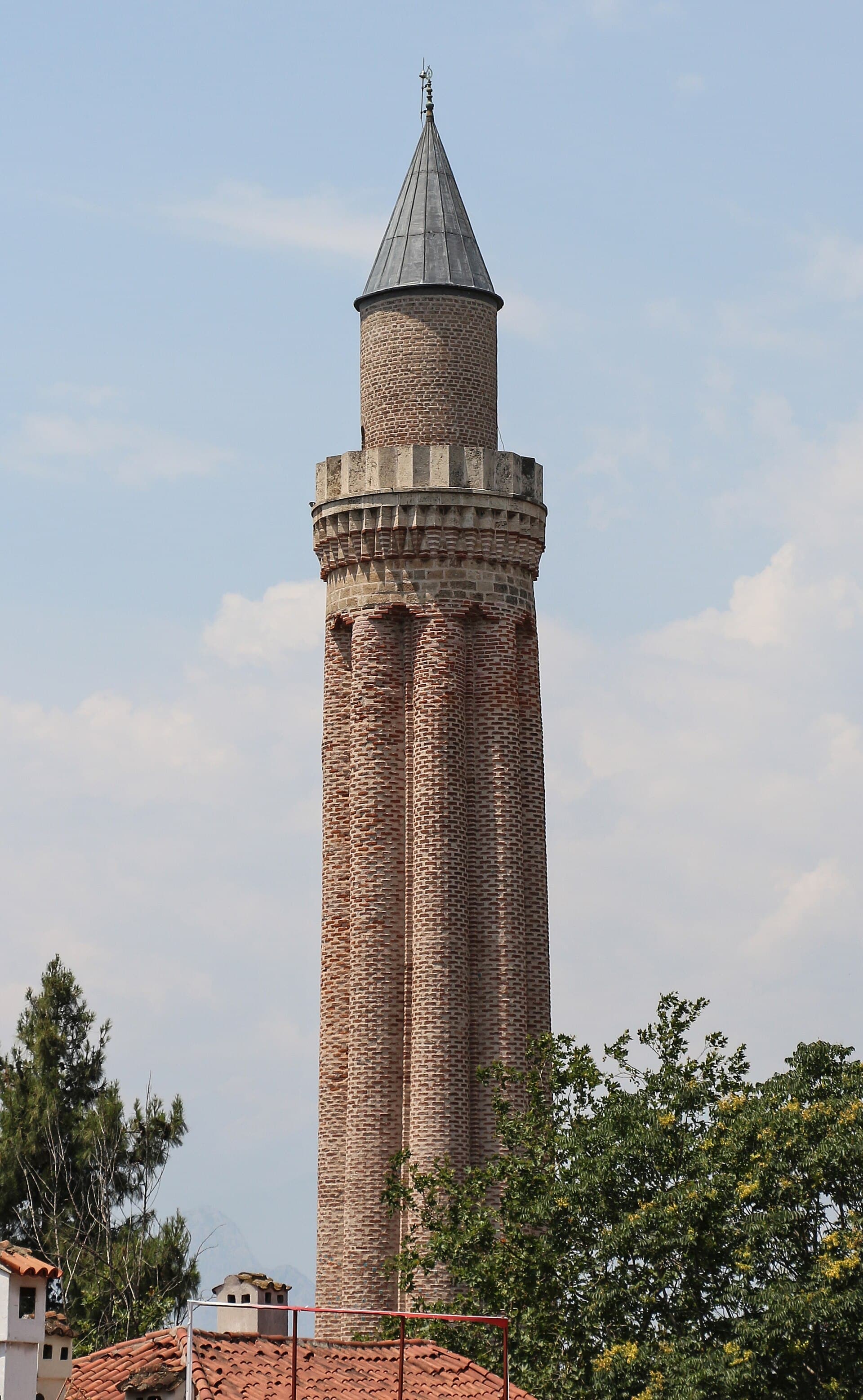 Yivli Minare MosqueThe 38-metre fluted brick minaret rising over the entrance to Kaleiçi is Antalya4 min walk
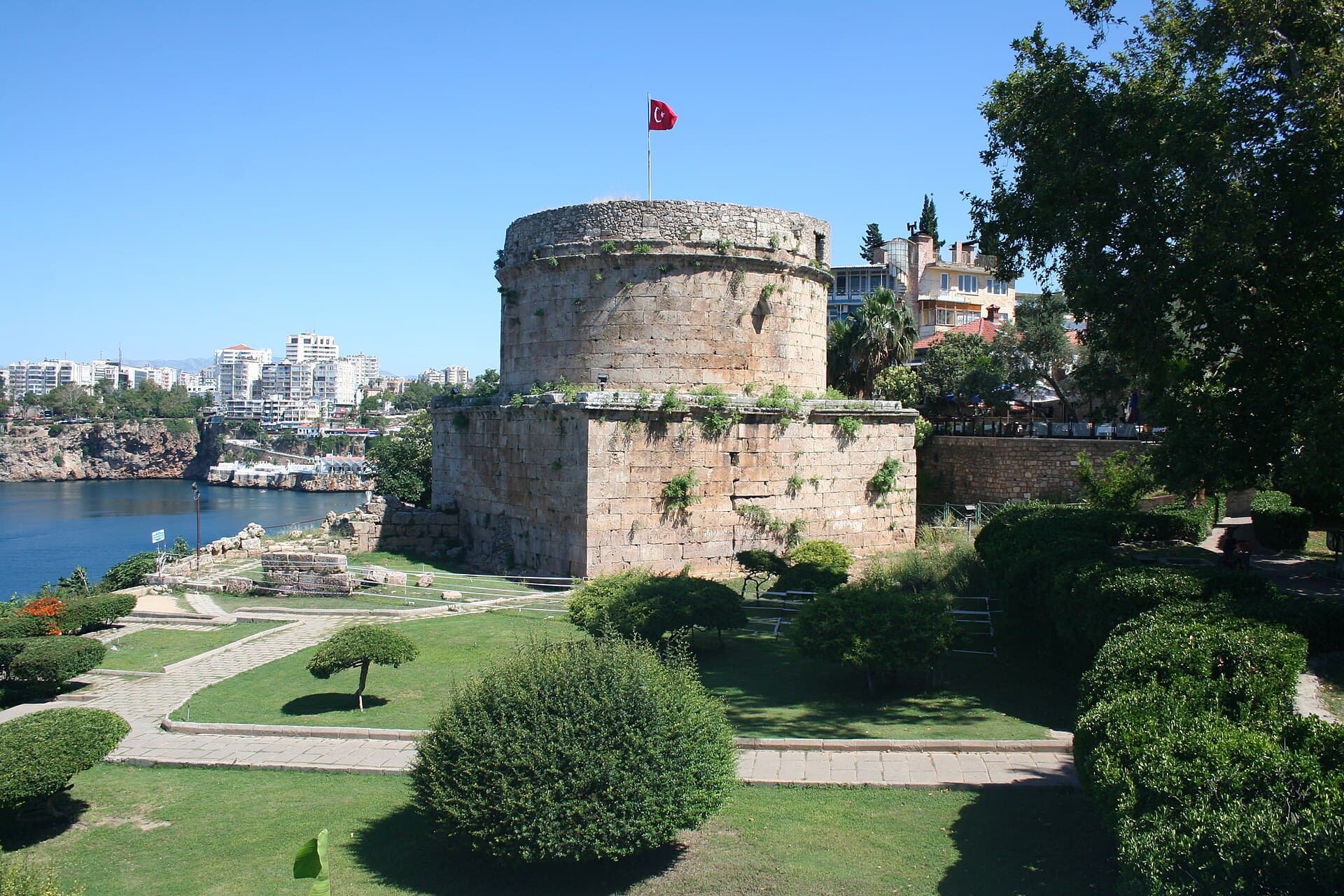 Hıdırlık TowerClose to two thousand years on the edge of a cliff, and nobody can say for certa6 min walk
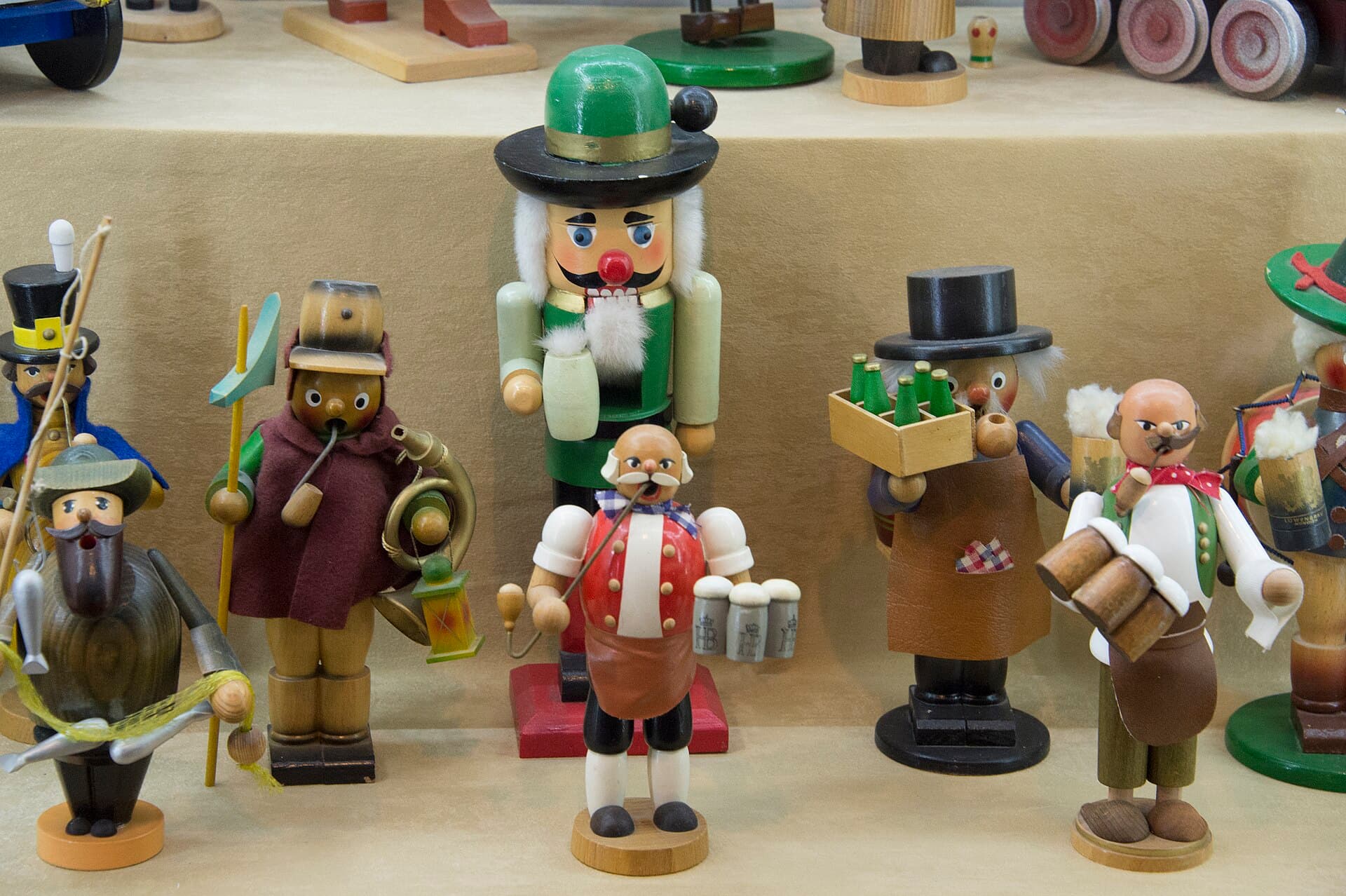 Antalya Toy MuseumOn the quay of Antalya's old harbour, where the boat touts are loudest, a restor6 min walk
Yes, because they do not compete: the archaeological museum needs two hours and is about Greeks and Romans, while this is half an hour about the Ottoman houses you stroll between in Kaleiçi. If time is tight and you must choose, the archaeological museum matters far more; treat this one as part of your old-town walk rather than a museum stop.
Children from about six enjoy the rooms with the figures, but leave the pushchair at the hotel: the house is two floors of narrow wooden stairs with no lift, and the cobbled lanes of Kaleiçi are no easier.
Sign in to write your review of this place.
No reviews yet — be the first.