
Frescoes and the retractable ceiling
Thirteenth-century paintings under the dome appear only when the ceiling is drawn back between prayers.
User:Balkanique — CC BY-SA 4.0 · Jaba1977 — CC BY-SA 4.0 · Jaba1977 — CC BY-SA 4.0 · Jaba1977 — CC BY-SA 4.0
This church went up between 1238 and 1263, in the very decades when Constantinople itself was in Crusader hands, and it was Manuel I of tiny Trebizond announcing that Byzantium was still alive on this stretch of coast. The result is small by the standards of its famous namesake, about 22 metres long, yet it counts among the finest late Byzantine buildings anywhere: a tall dome on a cross-in-square plan, a carved south porch with a stone frieze telling the story of Adam and Eve, and a coloured marble pavement beneath the dome that you now view through a glass floor. What followed mirrors the Istanbul story on a delay. The Ottomans took the city in 1461, but the conversion to a mosque probably waited until 1584, and the wall paintings then spent centuries under plaster. An Edinburgh University team uncovered the thirteenth-century frescoes between 1957 and 1962, the building opened as a museum in 1964, and in 2013 it became a mosque again. The compromise, in place since a 2020 refit, is a retractable ceiling under the dome, closed for prayers and meant to be drawn back in between, so how much of the painting you actually see depends on your timing and on whoever holds the switch that day. Come expecting a lit museum display and you may leave a little short-changed. The garden is half the pleasure: a quiet lawn looking out over the Black Sea, with the free-standing bell tower of 1427, said to rise about 40 metres, which scholars think may have doubled as an observatory and a lighthouse. Ground is level and access is easy, so it works for families with a pushchair, and the whole visit rarely takes more than an hour unless you settle into the cafe next door. Entry is free because it is a working mosque: doors close to visitors around the five prayers and for longer at Friday noon, headscarves and modest dress are expected, shoes come off. It sits roughly three kilometres west of the old walled town, so take a coastal dolmuş or a ten-minute taxi from Meydan. August in Trabzon is humid rather than scorching and winter is seriously wet, which makes spring and autumn the best seasons for lingering on that lawn.
Thirteenth-century paintings under the dome appear only when the ceiling is drawn back between prayers.
A stone frieze of Adam and Eve on the porch front, fully visible even when the interior is shut.
A tall free-standing tower of 1427 in a lawn overlooking the Black Sea.
Fatih Mahallesi, Zübeyde Hanım Caddesi, Ortahisar, about 3 km west of Meydan
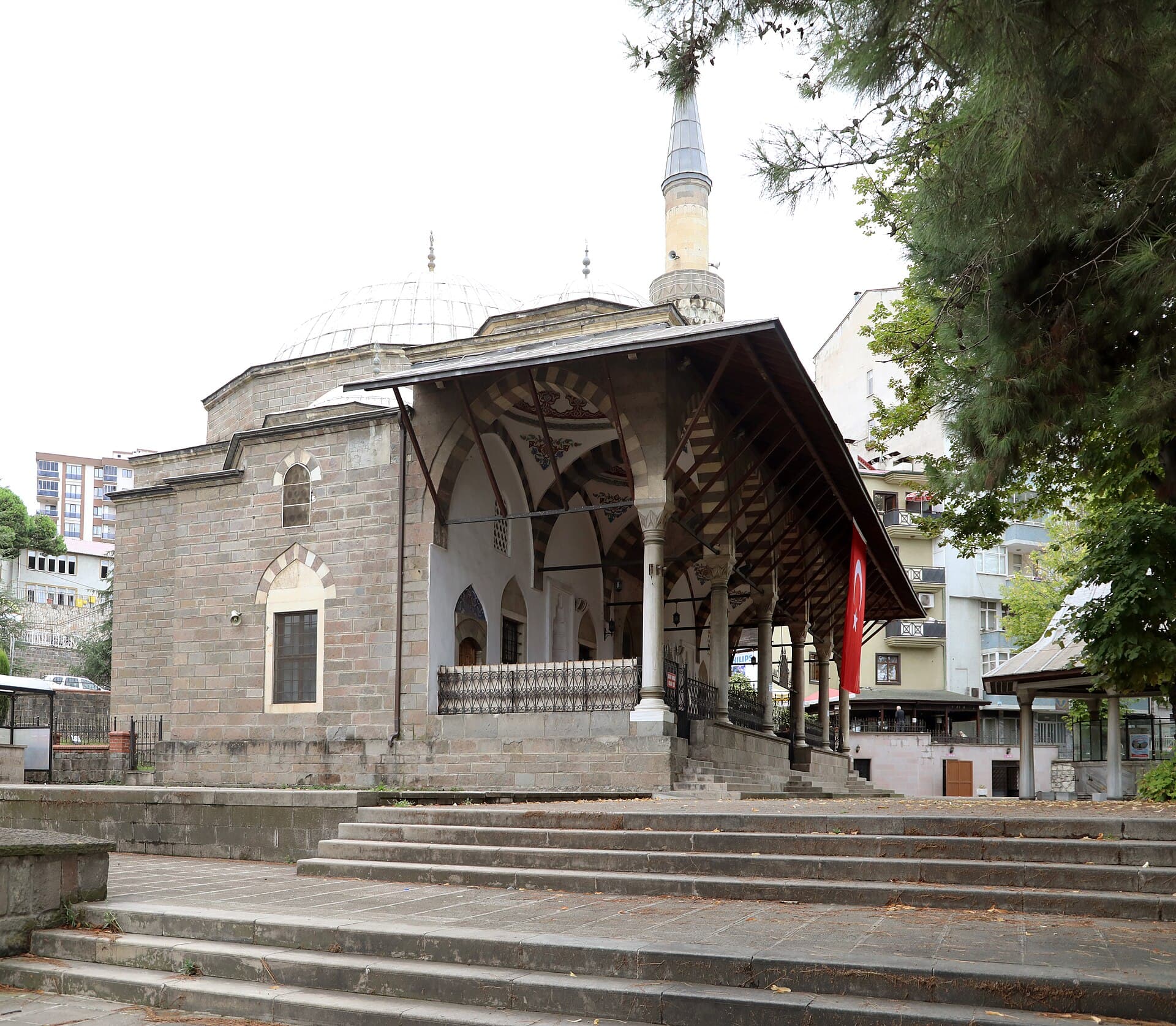 Gülbahar Hatun MosqueA sultan conquers Egypt and Syria and routs the Safavids, then builds a mosque f21 min walk
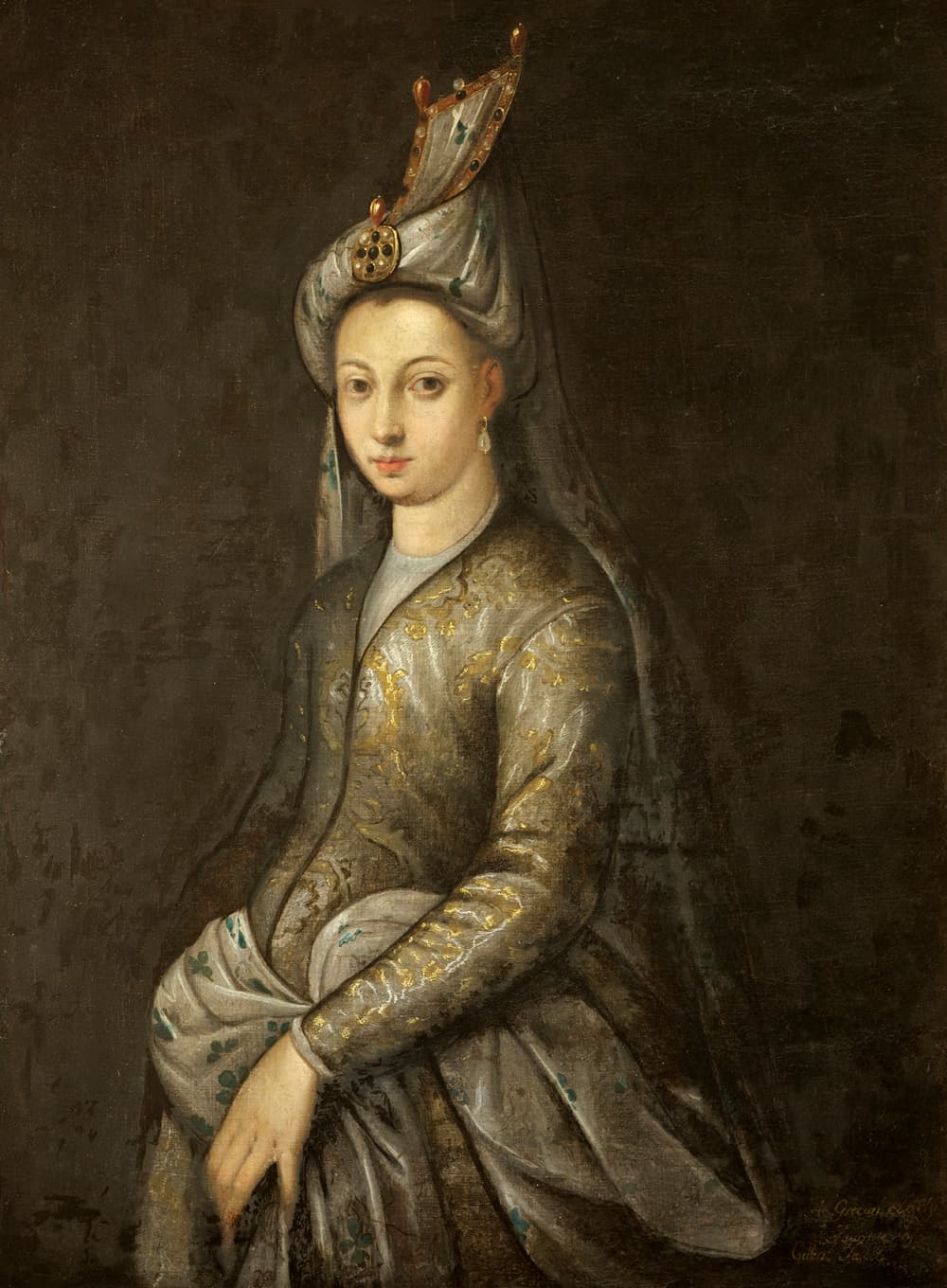 Kanuni House (Suleiman the Magnificent Museum)The most celebrated of the Ottoman sultans was not born in Istanbul but here in 24 min walk
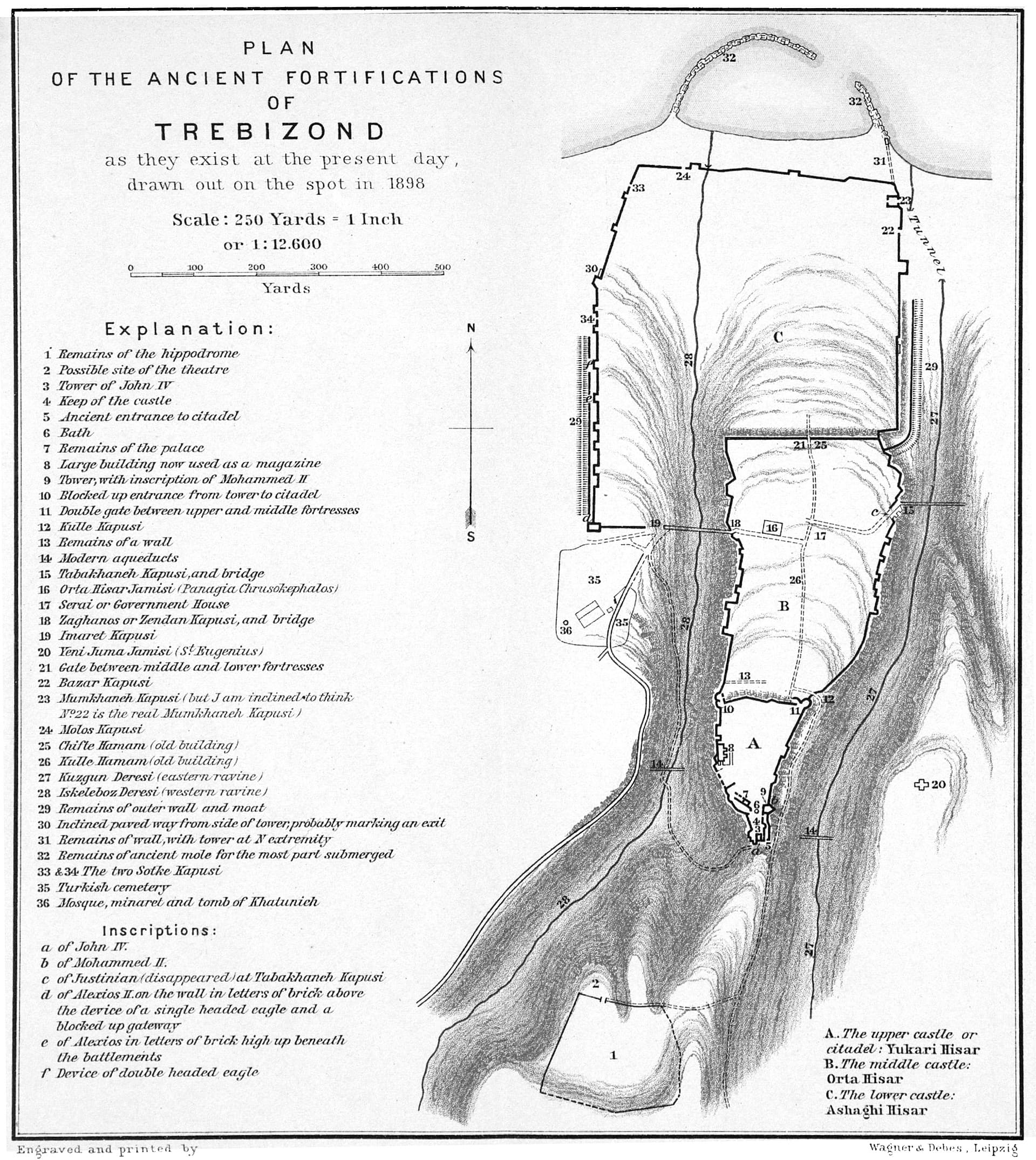 Trabzon Castle (City Walls)Do not go looking for a castle. What Trabzon calls its kale is really a whole ne25 min walk
Do not compare size: this one is far smaller and far quieter. Its draw is the frescoes, the seaside garden and the calm, and an hour on your way along the coast covers it; if your Trabzon time is short, put Sümela and Uzungöl ahead of it.
Not guaranteed. The section under the dome is hidden by a retractable ceiling during prayers and is supposed to open in between, but plenty of visitors find it shut. Arrive mid-morning well clear of the noon prayer; if it is closed, the wall paintings elsewhere, the porch carvings and the garden are still yours.
Sign in to write your review of this place.
No reviews yet — be the first.