
The slow motion
Ceaseless hammering before the bank towers.
A. Köhler — CC BY-SA 3.0 · Peng 11:27, 17 August 2007 (UTC) — CC BY-SA 3.0 · Hannes Grobe/AWI — CC BY 3.0 · Fanghong — CC BY-SA 3.0
The Hammering Man is a steel sculpture close to twenty-one metres tall standing before Frankfurt's exhibition centre: a flat silhouette of a worker raising a hammer, its arm genuinely moving by electric motor to strike slowly four times a minute, from morning until evening. The work is by the American Jonathan Borofsky — the same sculptor who made the Molecule Man in Berlin — and it was erected here in 1990. The idea is to represent manual labour in a city that has become a symbol of abstract money: the man hammers without pause in front of the bank towers, and the slow repeated motion is the message. Borofsky made versions of this work at different scales in several cities — Seattle, Basel, Seoul and Los Angeles — but the Frankfurt one is among the largest. The sculpture stands in open space, seen free from the street in minutes, and it sits on the route between the central station and the exhibition district.
Ceaseless hammering before the bank towers.
Some 21 metres of flat steel.
Friedrich-Ebert-Anlage, 60327 Frankfurt
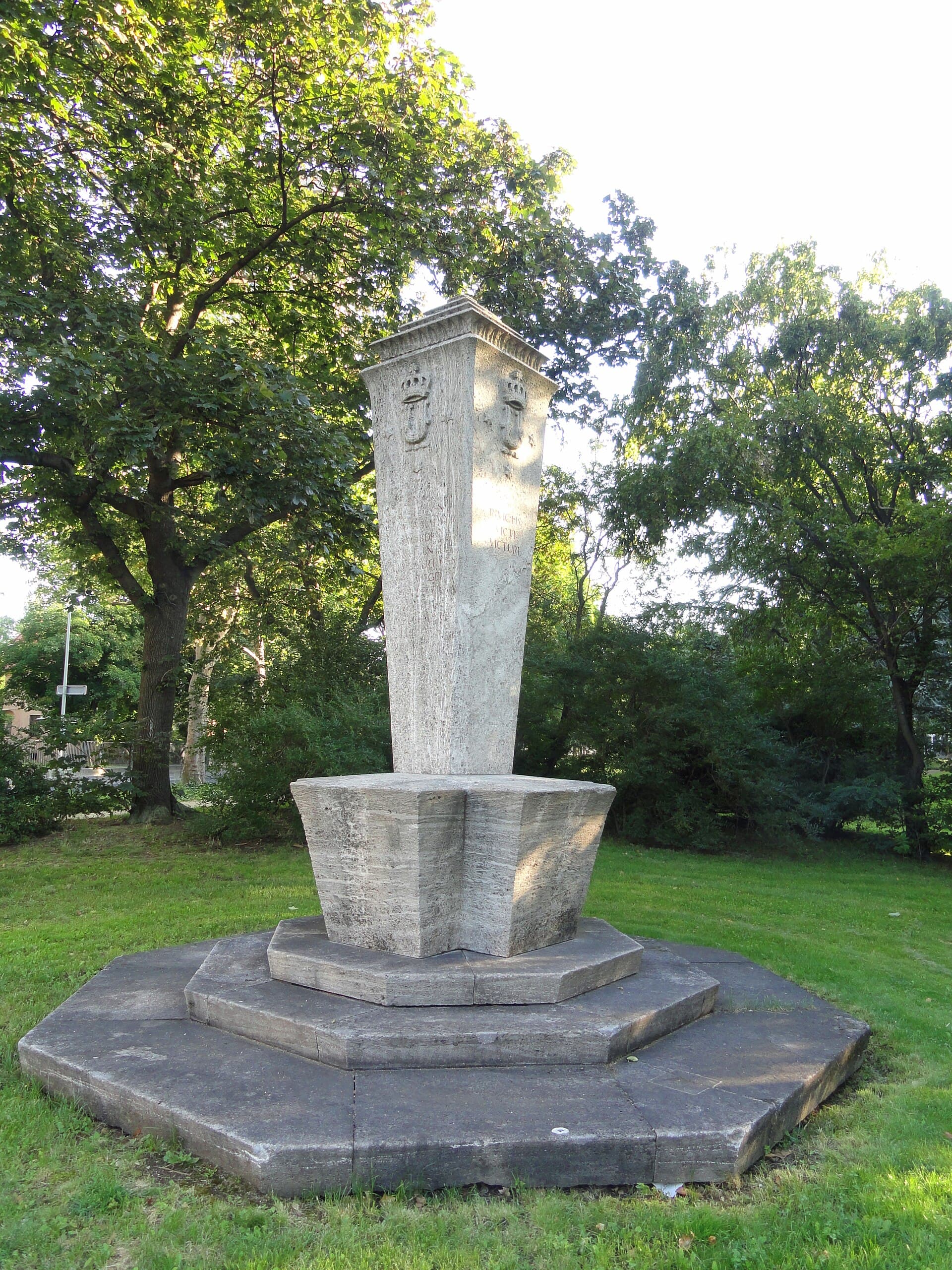 The Hussar MonumentA memorial in western Frankfurt to a regiment of hussars, one of the city's earl3 minutes walk4.6
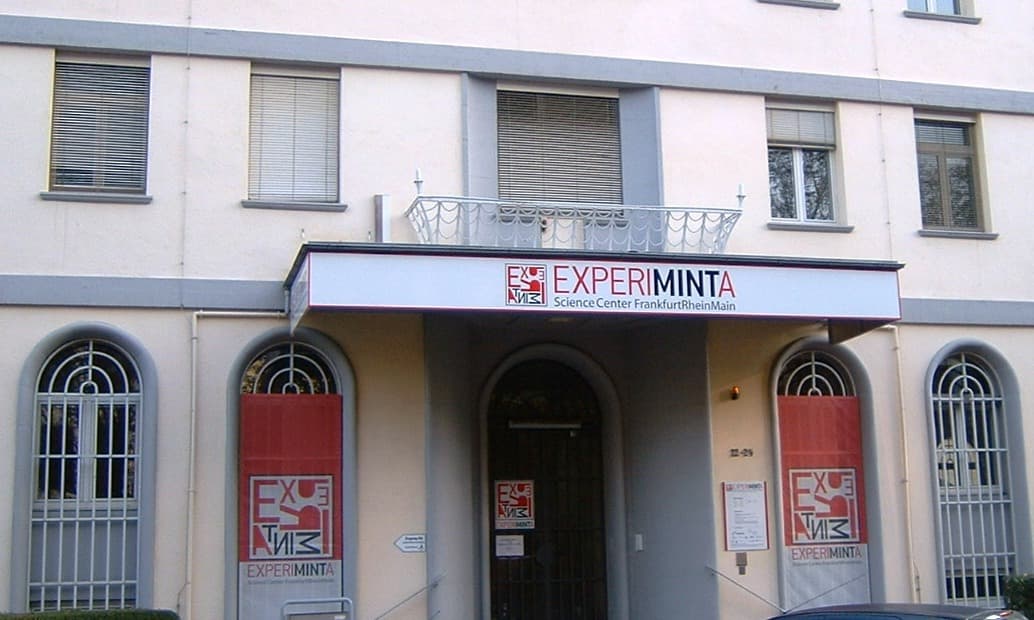 EXPERIMINTA ScienceCenterEXPERIMINTA is a hands-on science centre in Bockenheim built on a single rule: e6 minutes walk4.2
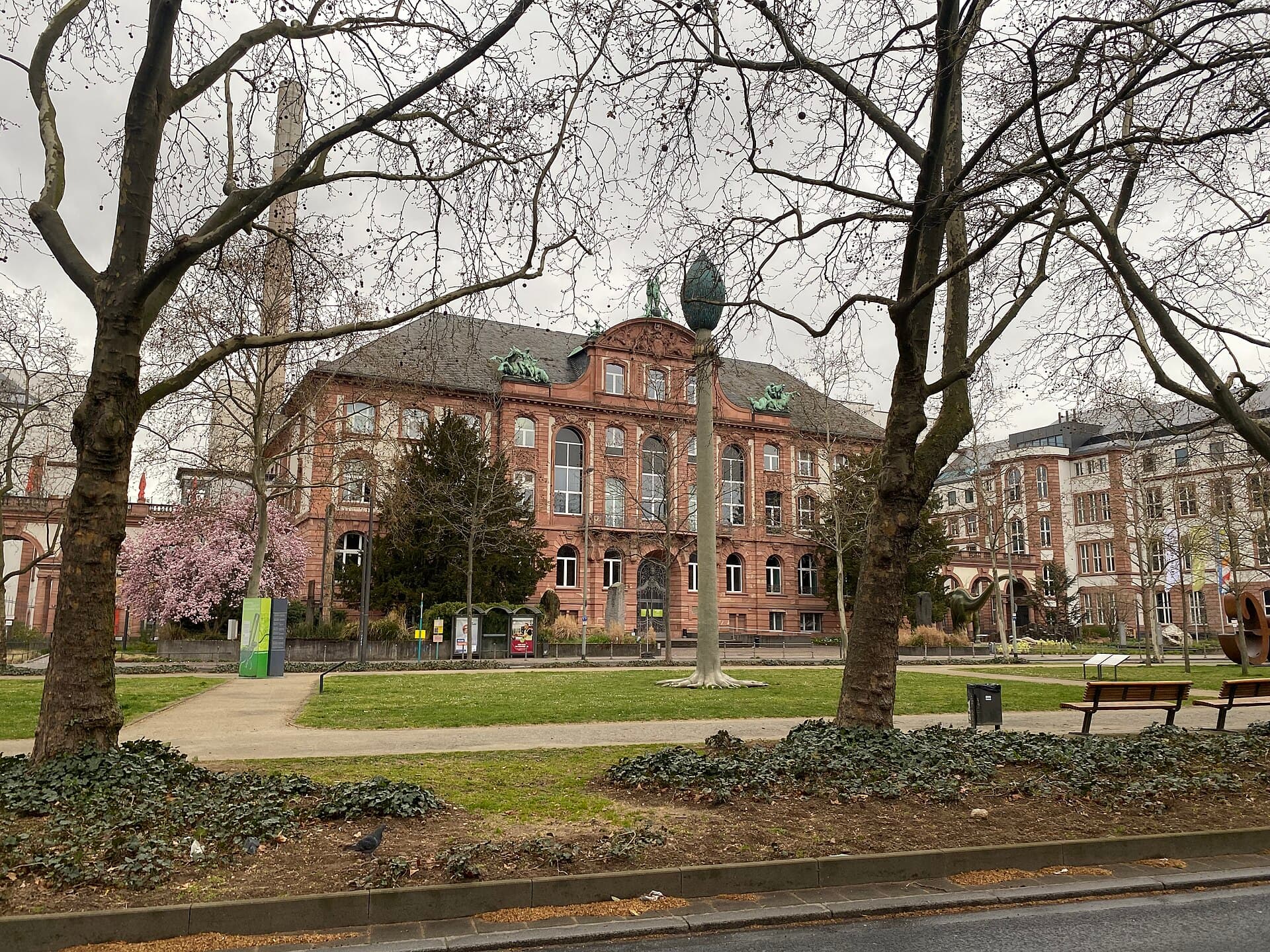 Senckenberg Nature MuseumThe Senckenberg is one of Germany's largest natural history museums, best known 7 minutes walk4.7
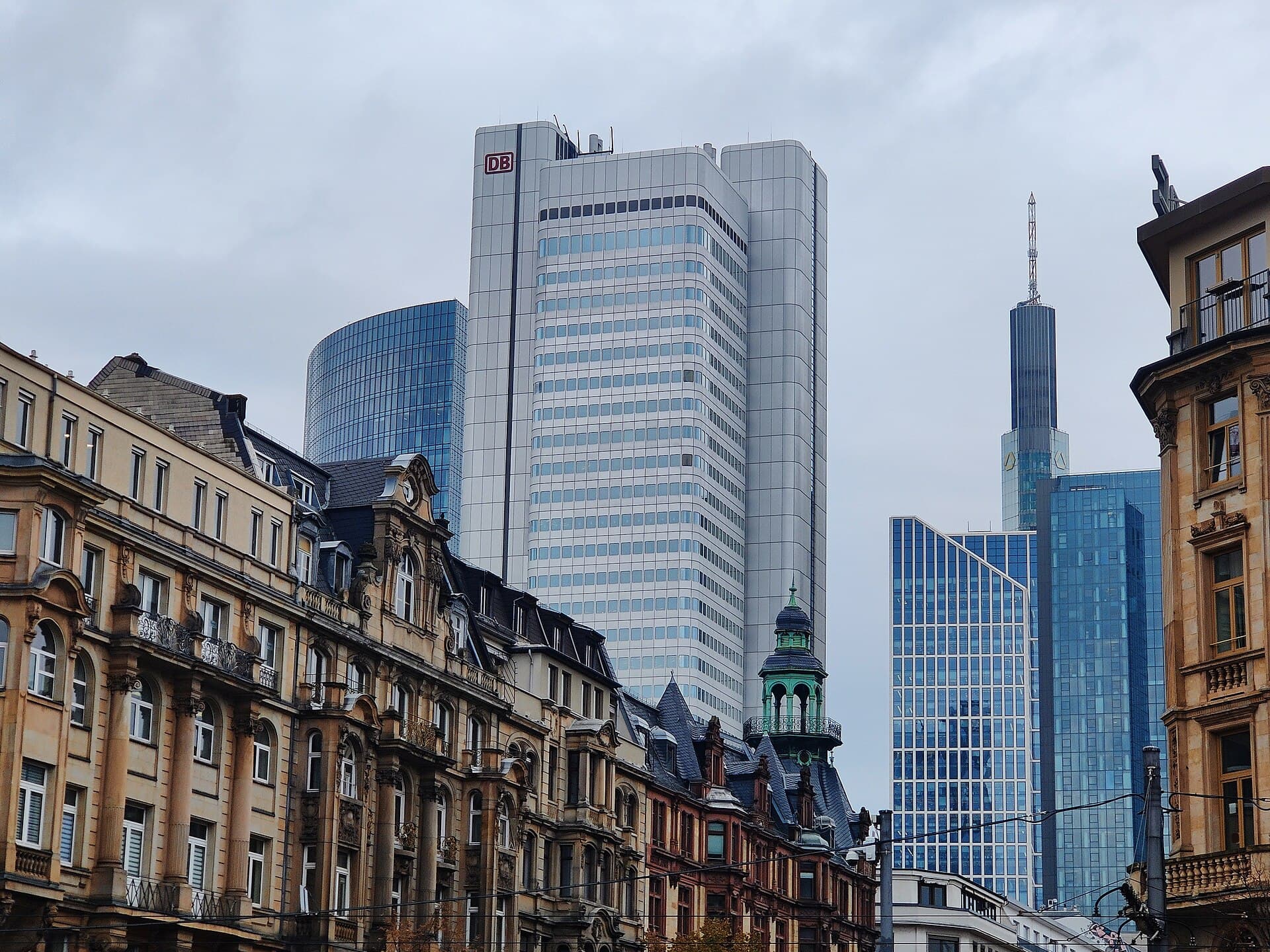 The BahnhofsviertelFrankfurt's station district is among the most contradictory neighbourhoods in G10 minutes walk3.6
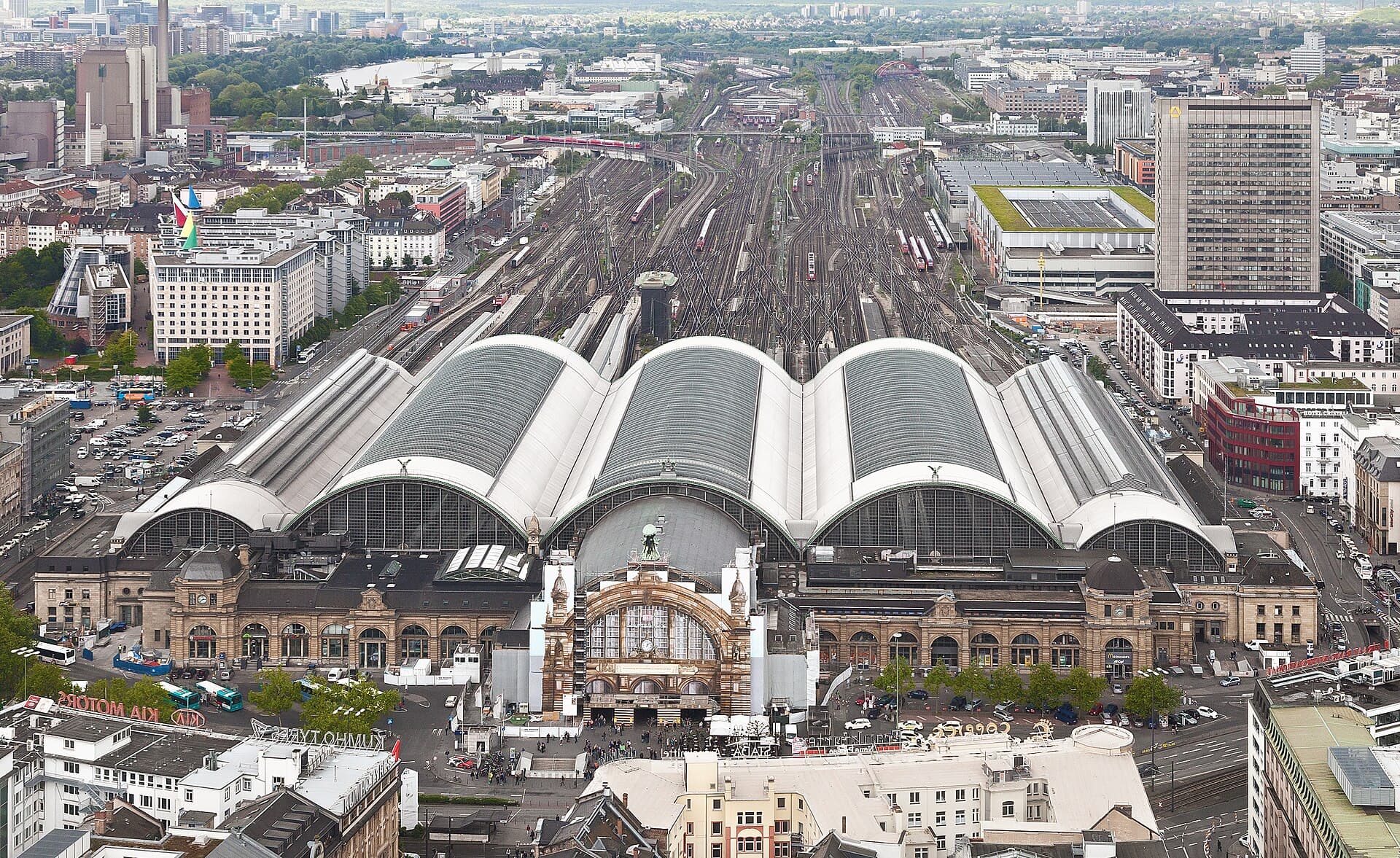 Frankfurt Central StationFrankfurt Central is among Europe's largest and busiest stations: twenty-four te11 minutes walk3.8
Because the site combines the two meanings the artist wanted: the exhibition centre is the commercial heart of Frankfurt, where some of the world's largest trade fairs are held, and directly behind it stand the bank towers. Putting the image of a manual worker into that scene is a deliberate comment on the difference between labour that produces something and labour that moves numbers — a gentle but unmistakable critique of a city that defines itself by money.