
The dinosaur hall
Huge complete skeletons in a tall historic hall — the museum's most famous room and the one children remember.
Ugureisberg — CC BY-SA 4.0 · JensKunstfreund — CC BY-SA 4.0 · Hannes Grobe/AWI — CC BY 3.0 · JensKunstfreund — CC BY-SA 4.0
The Senckenberg is one of Germany's largest natural history museums, best known for its dinosaur hall. It holds huge complete skeletons — a Tyrannosaurus, a Triceratops, a long Diplodocus — displayed in a high-ceilinged historic hall. But the museum reaches far beyond dinosaurs: whales hanging overhead, elephants, Egyptian mummies, insects, fossils and minerals. Among its most celebrated holdings are fossils from the Messel Pit near Frankfurt, a site of global importance where whole animals were preserved with their feathers and fur from forty-five million years ago.
Huge complete skeletons in a tall historic hall — the museum's most famous room and the one children remember.
Whole animals preserved with feathers and fur from forty-five million years ago — a scientific treasure of world importance.
Vast whale skeletons suspended from the ceiling, which you walk directly beneath.
Large coloured crystals and stones — the museum's quietest and most visually beautiful section.
Senckenberganlage 25, 60325 Frankfurt
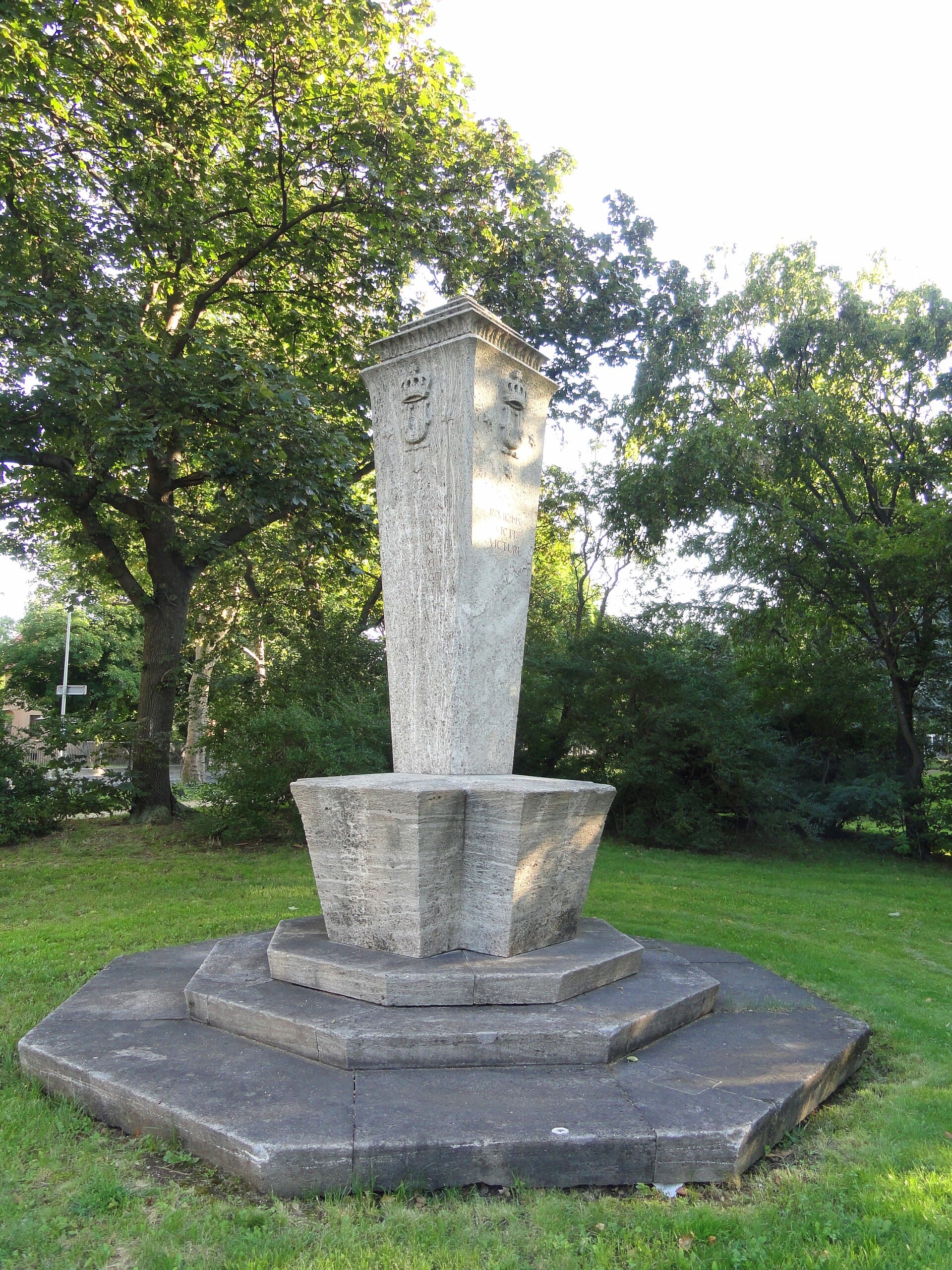 The Hussar MonumentA memorial in western Frankfurt to a regiment of hussars, one of the city's earl4 minutes walk4.6
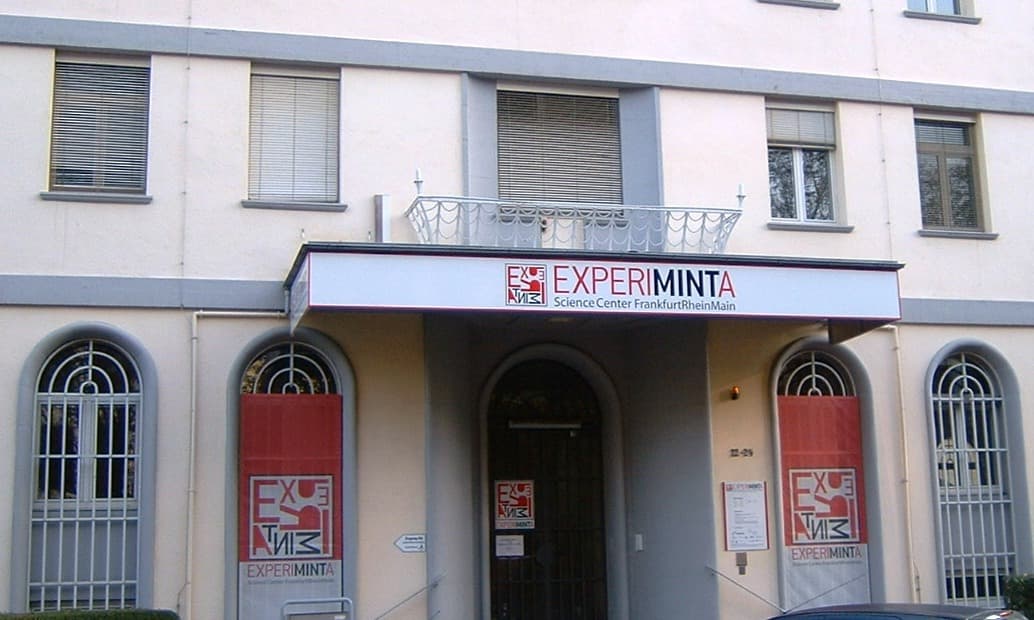 EXPERIMINTA ScienceCenterEXPERIMINTA is a hands-on science centre in Bockenheim built on a single rule: e4 minutes walk4.2
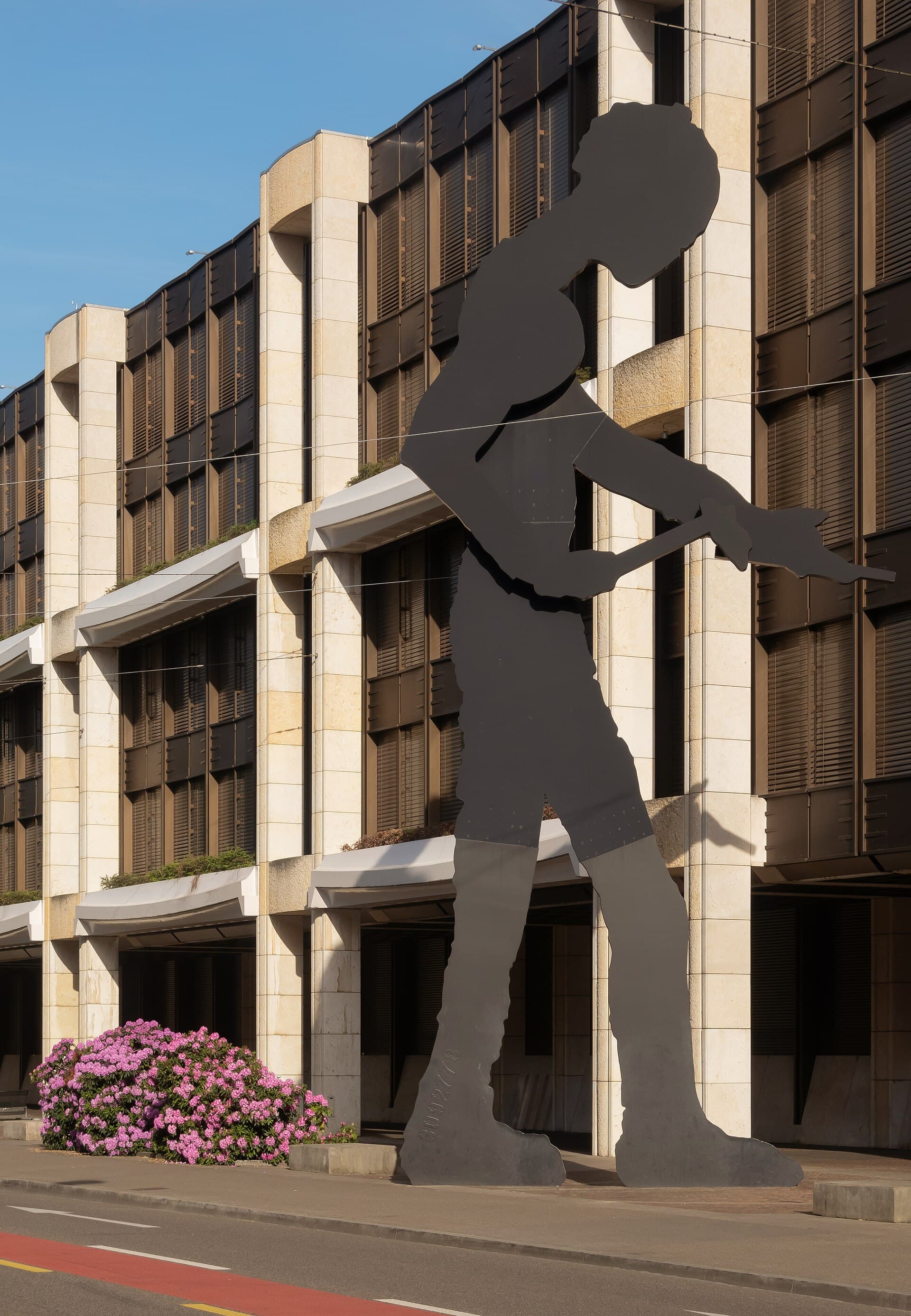 Hammering ManThe Hammering Man is a steel sculpture close to twenty-one metres tall standing 7 minutes walk4.4
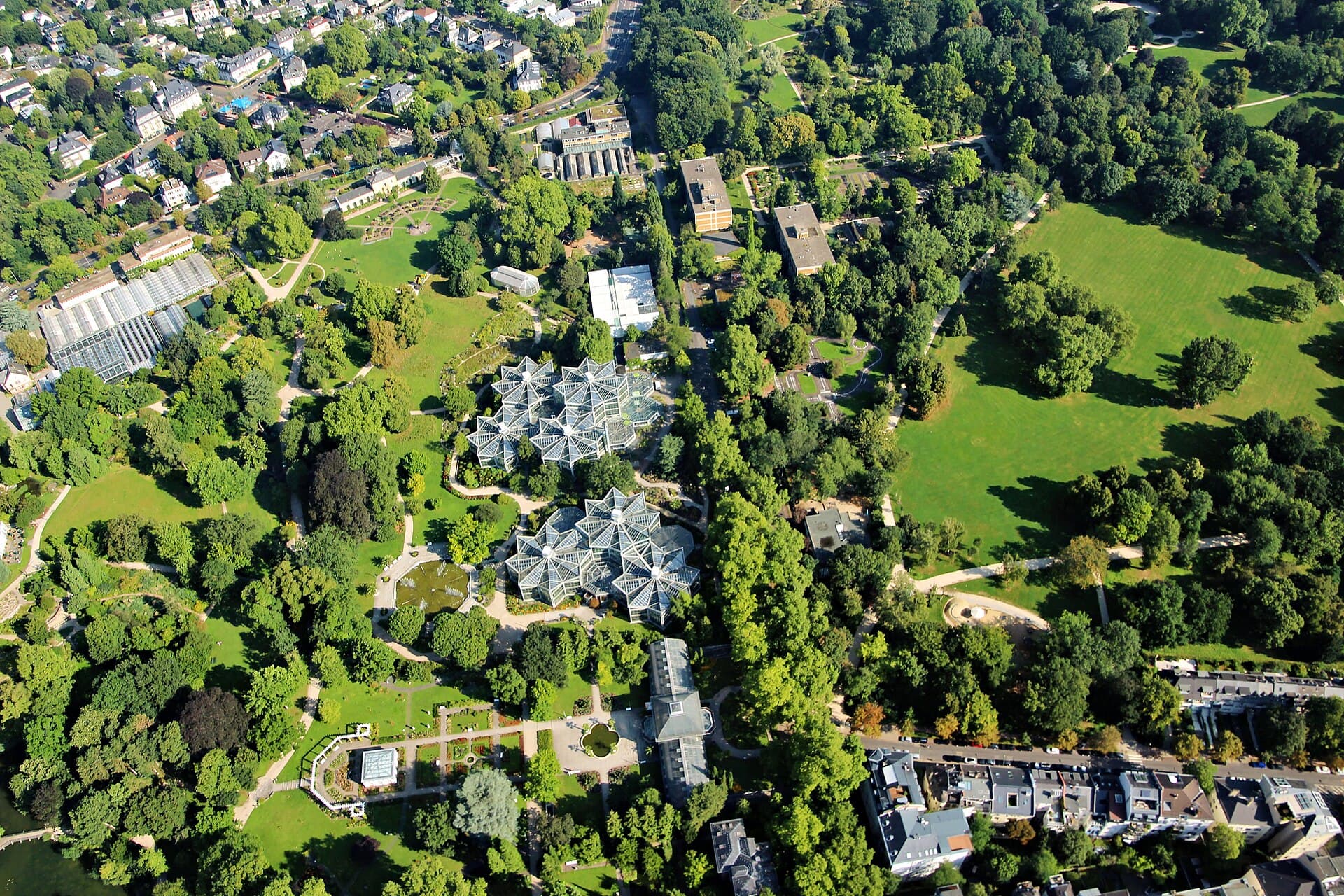 PalmengartenThe Palmengarten is a large botanical garden in Frankfurt, opened in 1871 and co10 minutes walk4.6
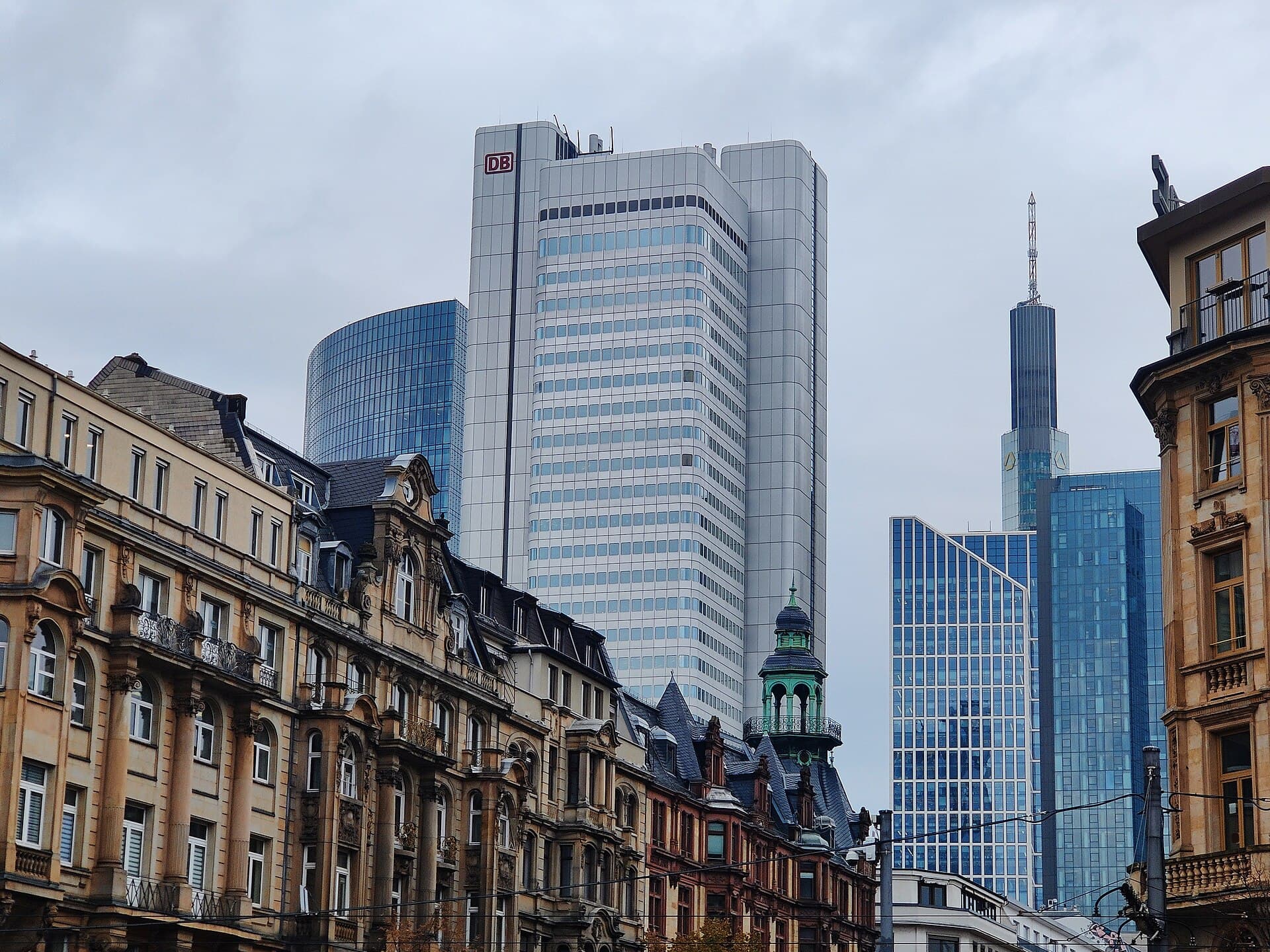 The BahnhofsviertelFrankfurt's station district is among the most contradictory neighbourhoods in G15 minutes walk3.6
Yes — one of the best family options in Frankfurt. The dinosaurs, whales and elephants impress every age, and the space is generous. The only caution is that weekday mornings are very busy with school groups.
Two hours for the main sections, three to four if you are interested or with children who stop at everything. The museum is large and spread over several floors.
The Messel Pit near Frankfurt is one of the world's most important fossil sites and a UNESCO listing. Its preservation conditions were exceptional: whole animals survive with feathers, fur and even stomach contents from forty-five million years ago, which is globally very rare.