
A uniform that became a symbol
The hussars' cords and braid became Europe's mark of military display.
Daderot — CC0 · Daniel Falke — CC BY-SA 4.0 · Karsten11 — Public domain · Karsten11 — Public domain
A memorial in western Frankfurt to a regiment of hussars, one of the city's early twentieth-century military monuments. Hussars were a type of light cavalry that originated in Hungary in the fifteenth century and spread into every European army. They were distinguished by an ornate uniform of cords and braid that became a symbol of military display, and by duties of reconnaissance, skirmishing and pursuit rather than direct shock. The monument was raised in a period when German cities were commemorating regiments prolifically, particularly after the unification of 1871 and its wars. Such monuments are read today in an entirely different light from what was intended: they were raised to glorify, and are now read as documents of how societies celebrated militarism before the wars of the twentieth century. Many of these monuments in Germany have been reframed with explanatory plaques, or left without comment, and it remains a live local argument what to do with a monument that does not represent today's values but is part of the record. Practical points: the monument stands in free public space, always open, outside the centre. It does not justify a dedicated trip.
The hussars' cords and braid became Europe's mark of military display.
Raised to glorify, now read as a document of militarism.
What to do with a monument that is part of the record but not of today's values.
West Frankfurt
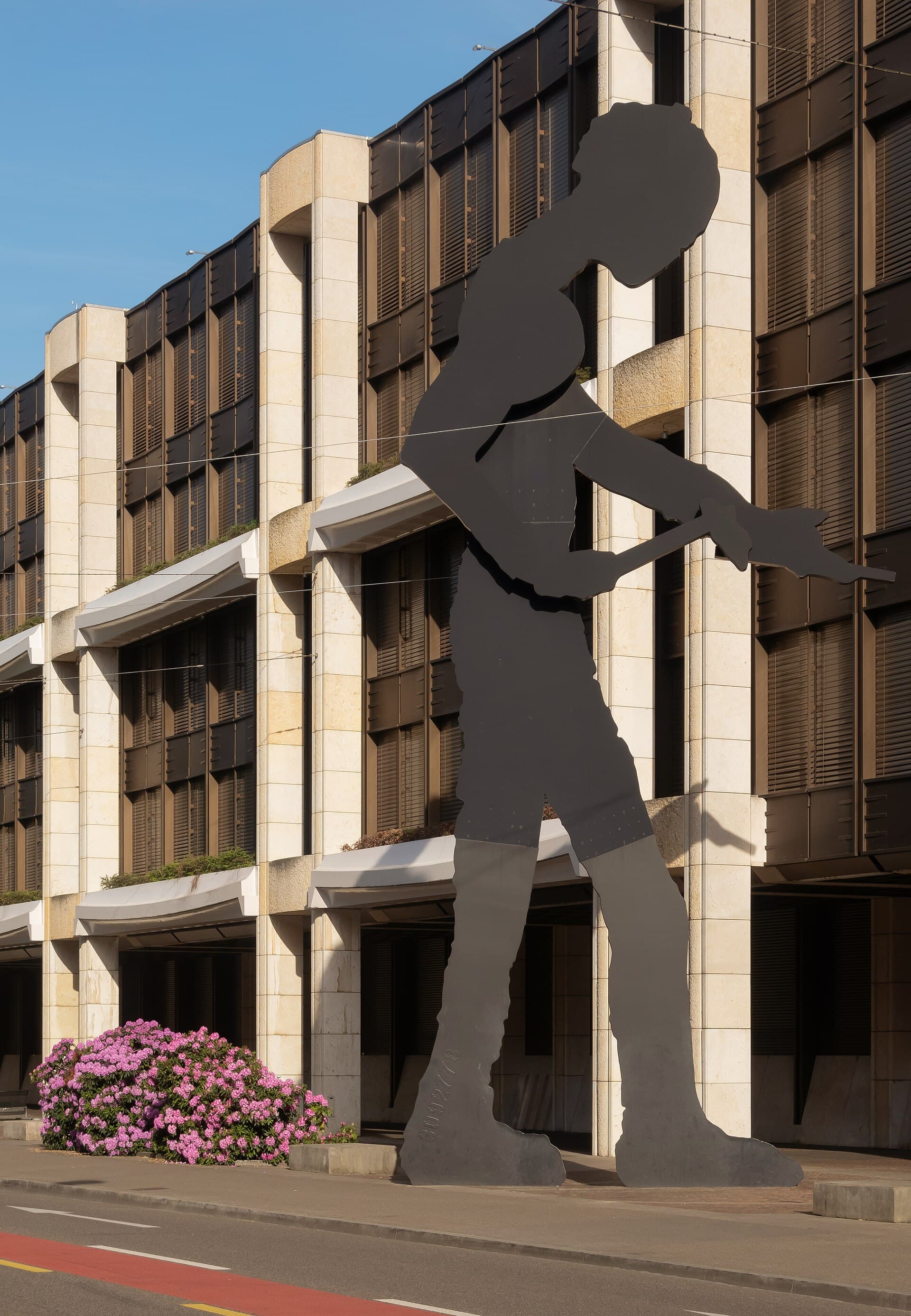 Hammering ManThe Hammering Man is a steel sculpture close to twenty-one metres tall standing 3 minutes walk4.4
 EXPERIMINTA ScienceCenterEXPERIMINTA is a hands-on science centre in Bockenheim built on a single rule: e4 minutes walk4.2
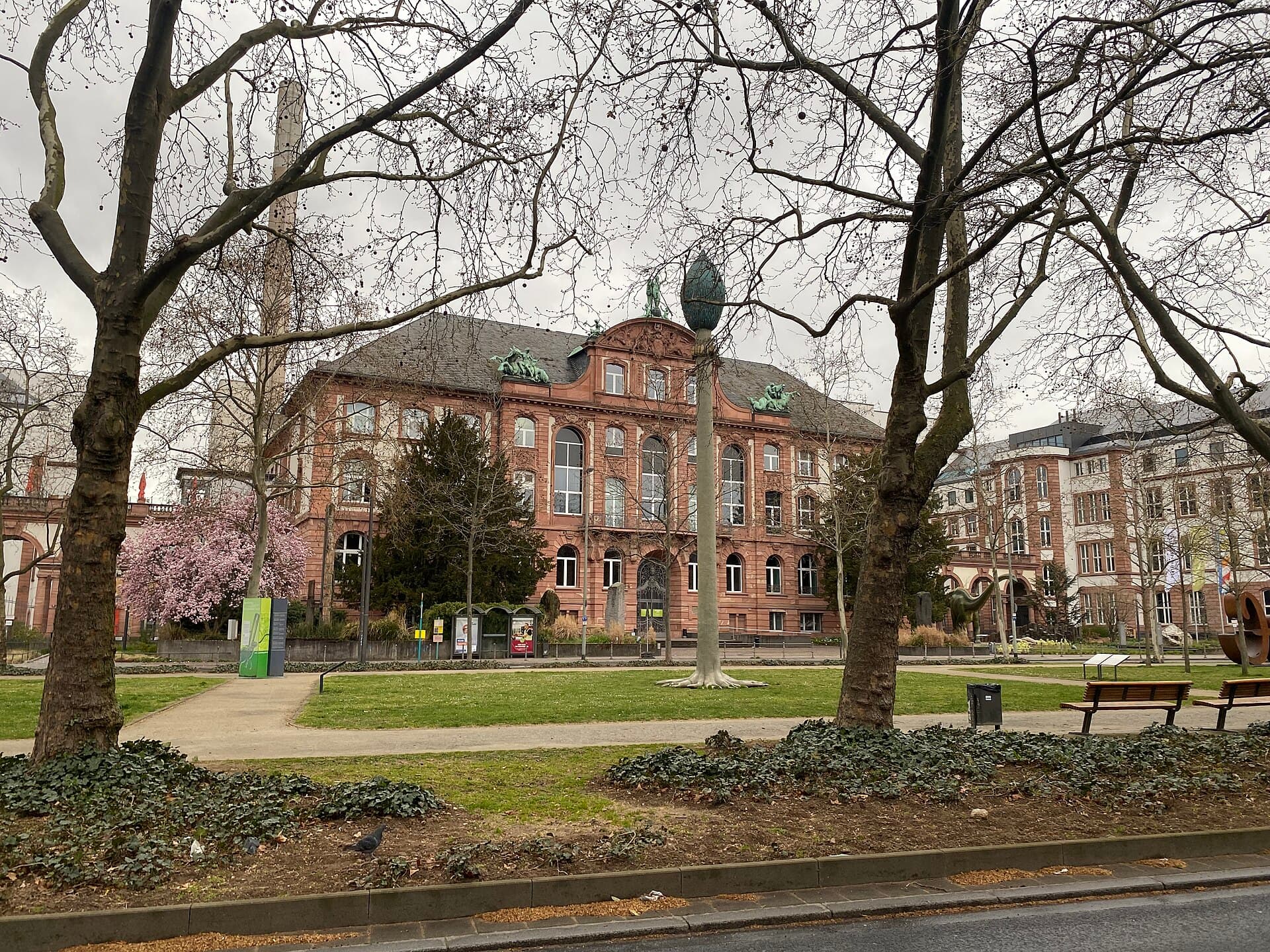 Senckenberg Nature MuseumThe Senckenberg is one of Germany's largest natural history museums, best known 4 minutes walk4.7
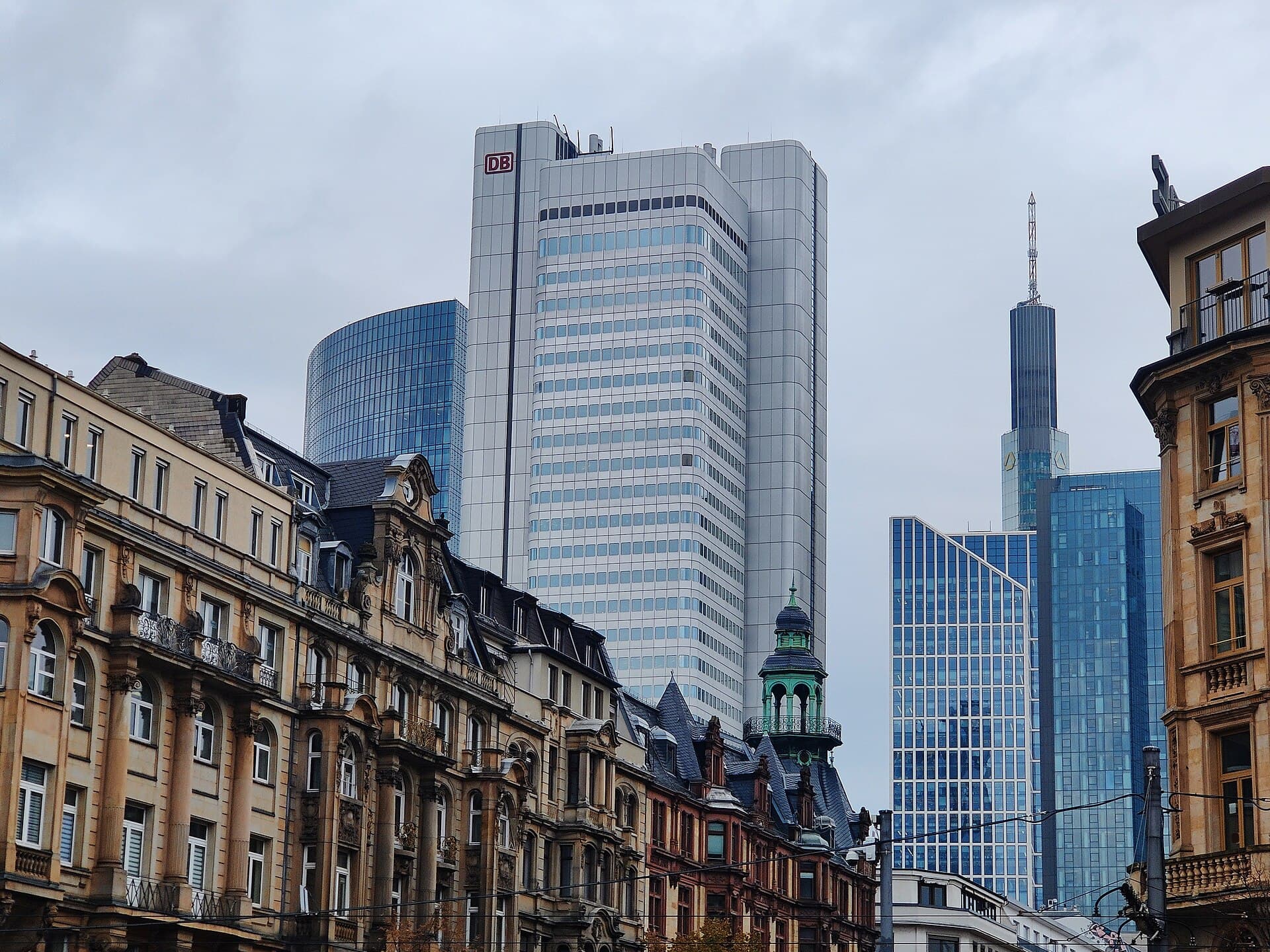 The BahnhofsviertelFrankfurt's station district is among the most contradictory neighbourhoods in G12 minutes walk3.6
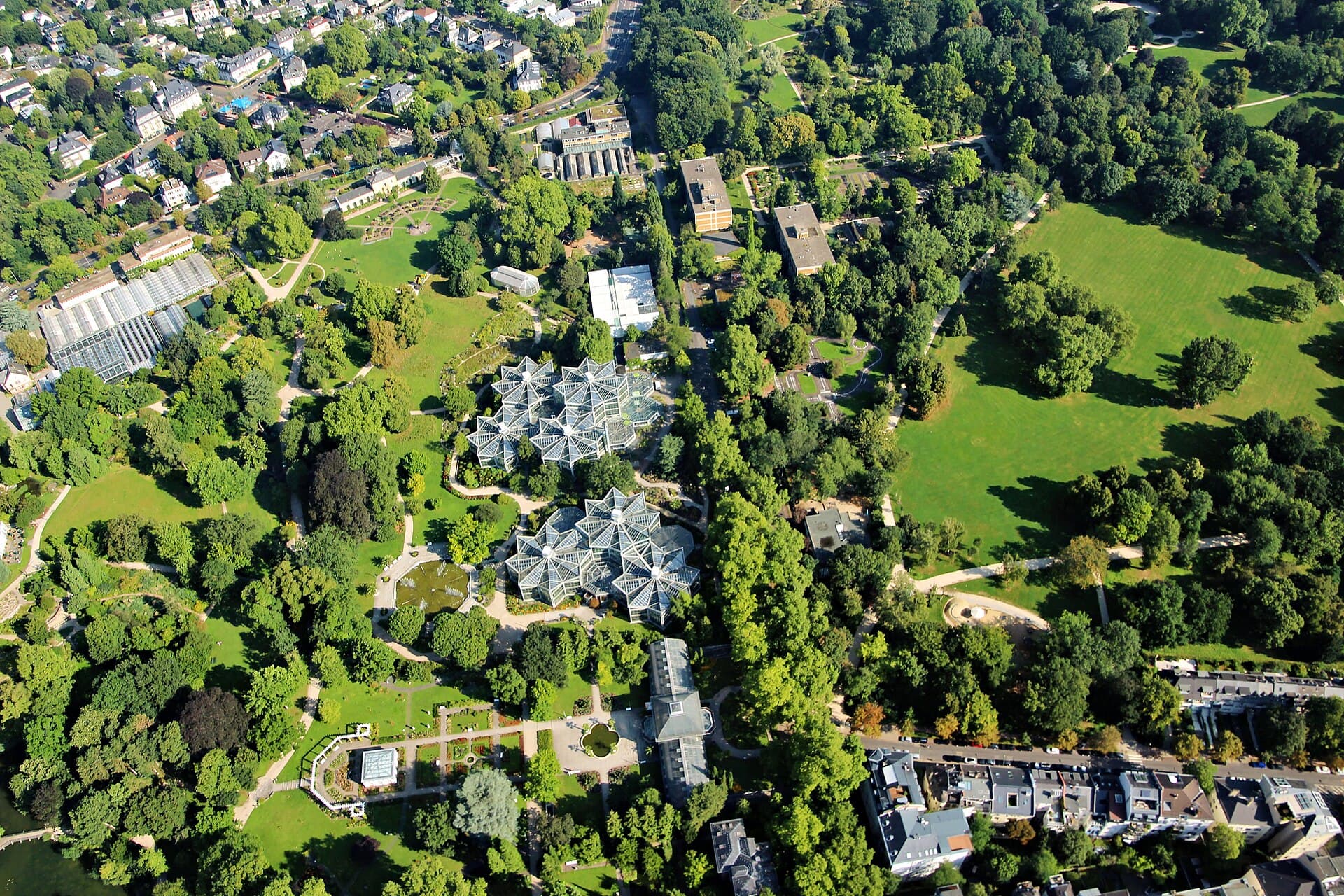 PalmengartenThe Palmengarten is a large botanical garden in Frankfurt, opened in 1871 and co13 minutes walk4.6
With visible variety and no single rule. Some were removed, some remain with a plaque explaining and criticising their context, and some are left without comment. The working distinction that emerged is between what glorifies a crime — Nazi-era monuments were removed entirely — and what documents an earlier period to be read critically. The argument reopens whenever a monument is restored or a street renamed.
Not as a destination. It is listed because it is part of the city's fabric and for anyone staying in Frankfurt at length or walking its western districts. With one or two days, the Römer, the Museumsufer and the Main Tower deserve your time far more.