
Gold to grindstone
Hans trades his fortune downward until he has nothing left.
SchiDD — CC BY-SA 4.0 · Aleksandr Zykov from Russia — CC BY-SA 2.0 · Zinnmann — CC BY-SA 4.0 · Zinnmann — CC BY-SA 4.0
A fountain in central Stuttgart depicting Hans in Luck, the hero of one of the Brothers Grimm tales, standing in a small square carrying his name in the old town quarter. The tale itself is what makes the fountain more than decoration. Hans works seven years and is paid with a lump of gold, then trades it on the way home for a horse, the horse for a cow, the cow for a pig, the pig for a goose, and the goose for a grindstone — and finally the stone falls into a well and he feels happy, because he is freed from its weight. The story is usually read as a mockery of foolishness, but its other reading — that shedding possessions is liberation rather than loss — is what has kept it argued over for two centuries. The fountain depicts the final scene. The Brothers Grimm gathered their tales in the early nineteenth century from German oral tradition, and they are not children's stories in origin but folk tales that are frequently harsh, softened in later editions. Practical points: free and always open in a public square. The quarter around it is full of restaurants and bars and gets busy in the evening.
Hans trades his fortune downward until he has nothing left.
Both readings hold, which is why the tale has been argued over for two centuries.
The tales are harsh folk material in origin, softened in later editions.
Hans-im-Glück-Platz, central Stuttgart
 Tagblatt TowerAn eighteen-storey office tower sixty-one metres high, built between 1924 and 192 minutes walk4.3
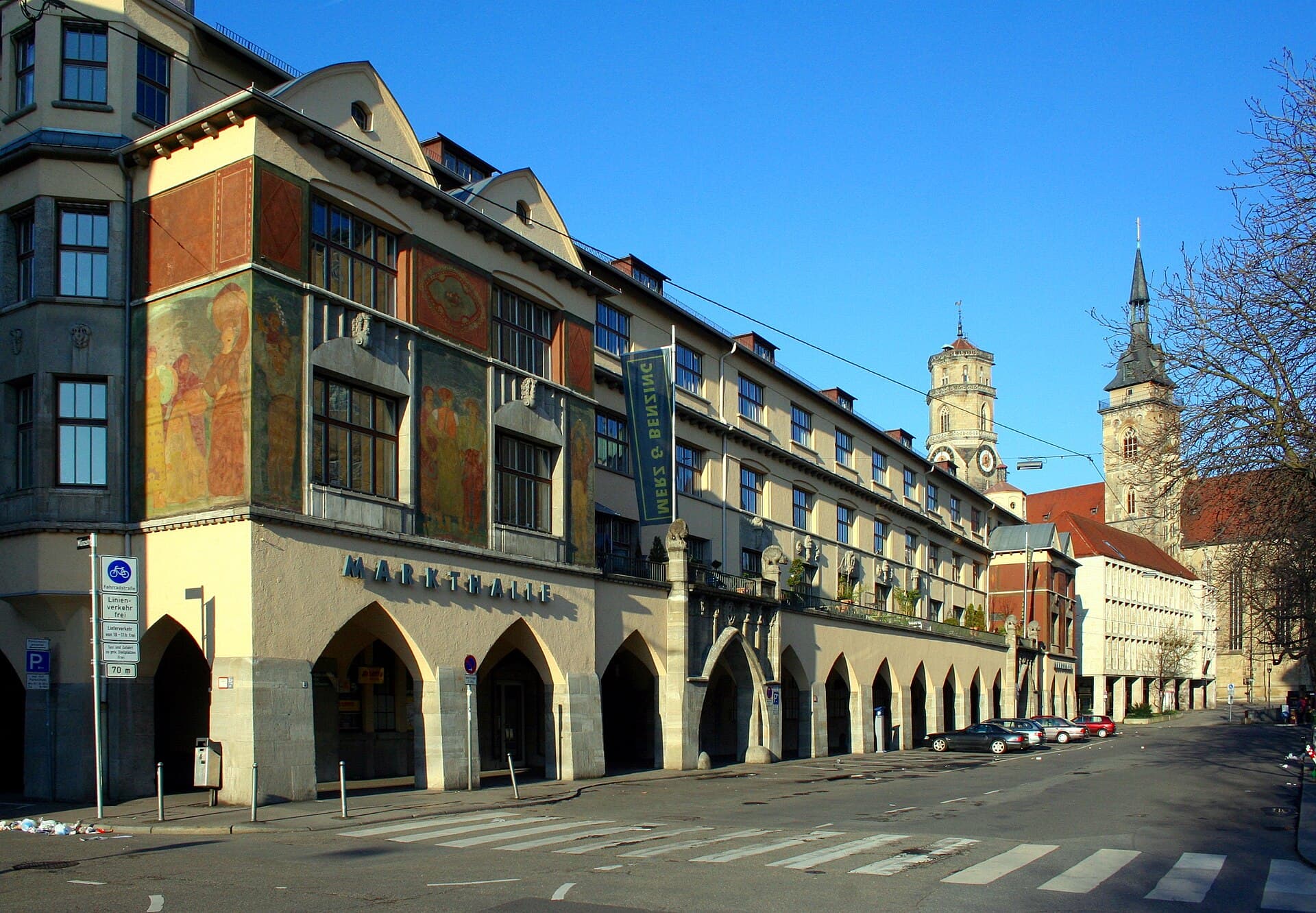 Markthalle StuttgartThe city's covered market opened on the thirtieth of January 1914, after the arc4 minutes walk4.7
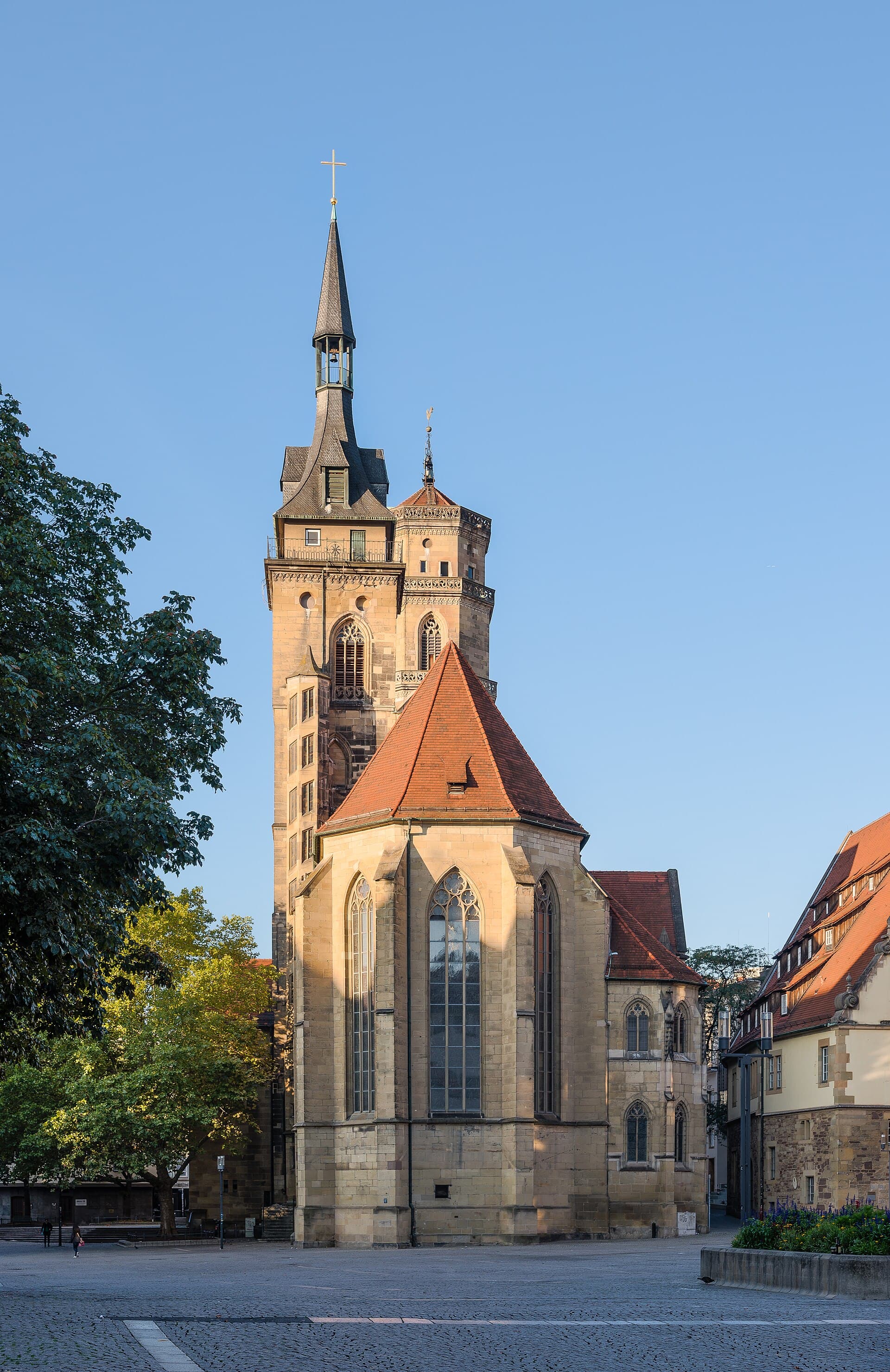 Stiftskirche (Collegiate Church)The Stiftskirche is Stuttgart's mother church and the heart of its old town: its4 minutes walk4.7
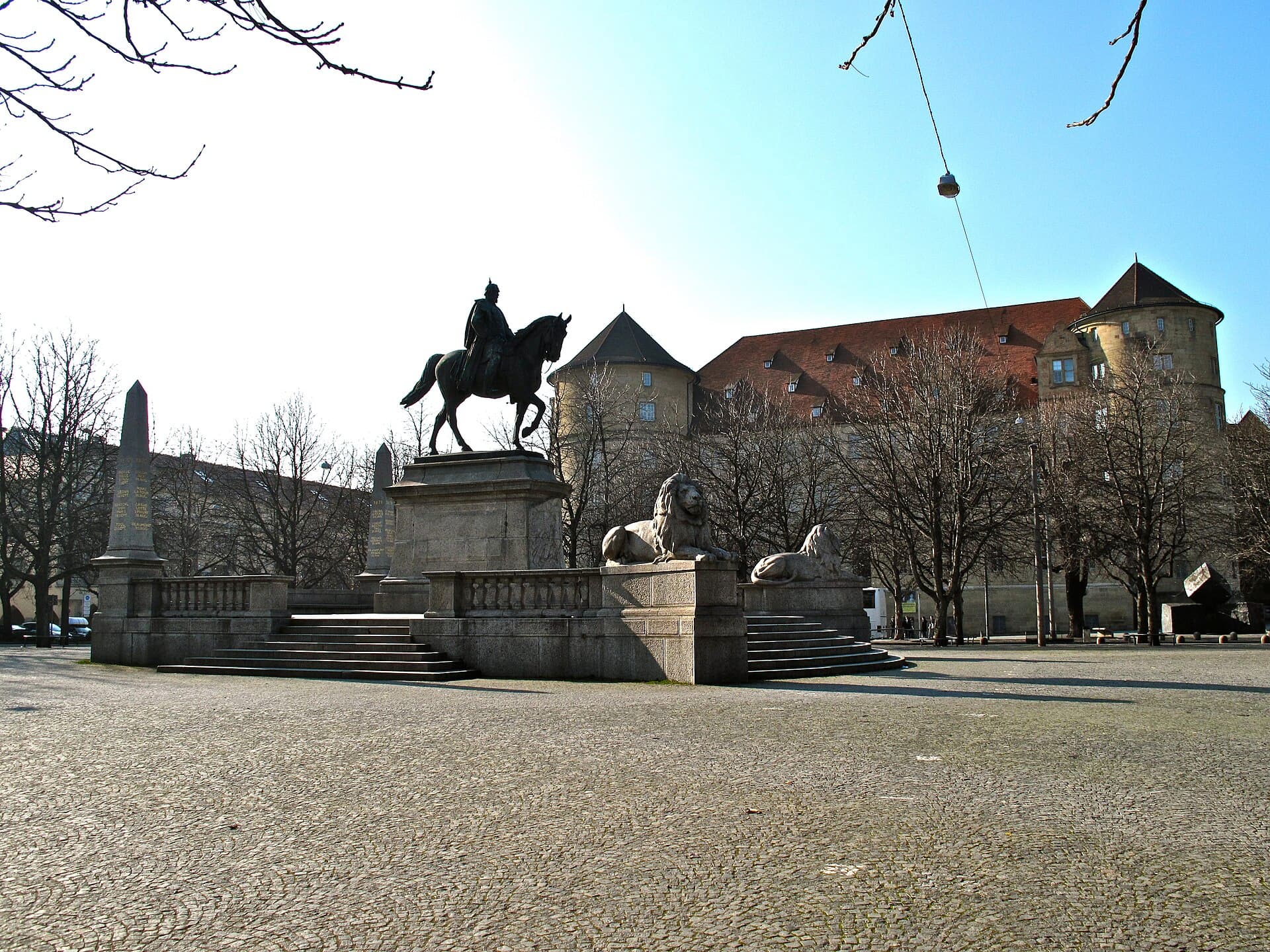 KarlsplatzA square in central Stuttgart between the Old and New Palaces, used today for th5 minutes walk4.4
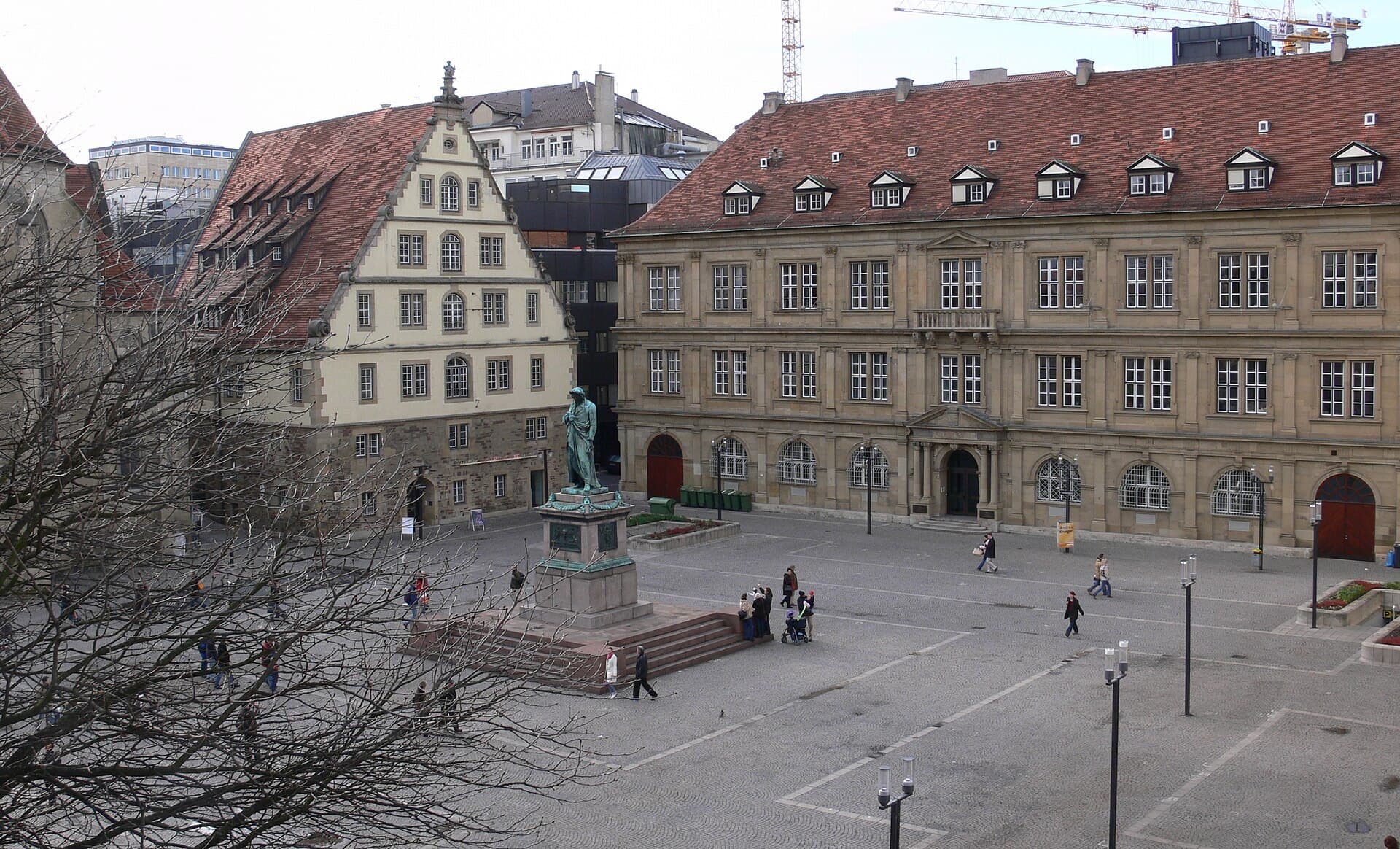 SchillerplatzSchillerplatz is Stuttgart's oldest and prettiest square. It adjoins Schlossplat5 minutes walk4.6
Jacob and Wilhelm Grimm, German philologists who in the early nineteenth century collected German folk tales from oral narrators and published them in successive volumes. Their project was primarily linguistic and nationalist — documenting a German heritage at a time when Germany was not a unified state — rather than entertainment for children. The earliest versions contain violence and cruelty that were softened gradually across seven editions.
Not a destination, but it sits in the heart of Stuttgart's restaurant and bar quarter, so you will pass it if you go out in the centre in the evening. Pause for two minutes and read the story — the fountain makes far more sense afterwards.