
The twentieth of July
A briefcase of explosives under the conference table — Hitler survived, the officer was executed.
Schlaier — CC BY-SA 3.0 · 11tes-gebot.de — CC BY-SA 4.0 · 11tes-gebot.de — CC BY-SA 4.0 · 11tes-gebot.de — CC BY-SA 4.0
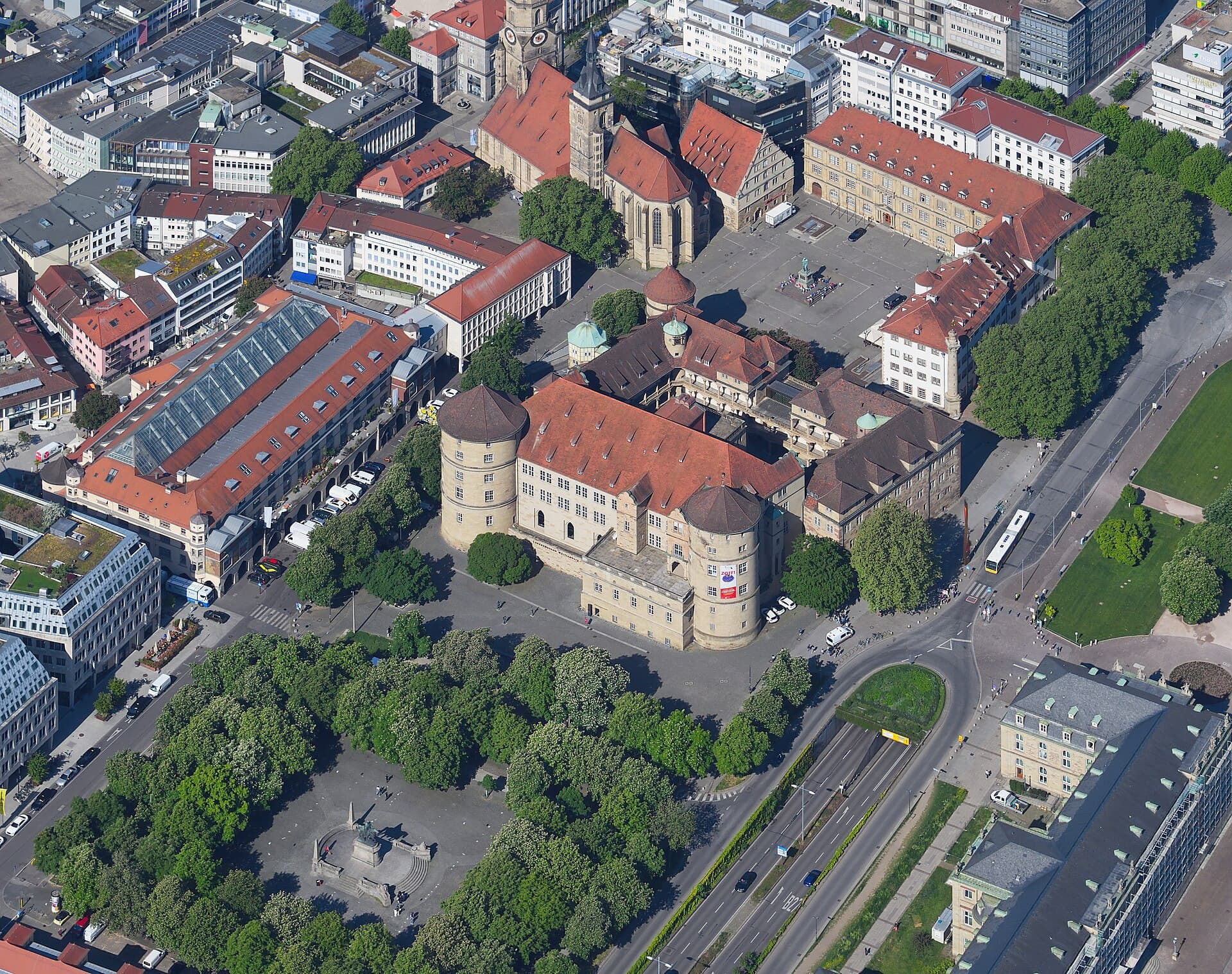
A square in central Stuttgart between the Old and New Palaces, used today for the weekly flea market and for city events. What makes it worth stopping at is a memorial in its corner: the Stauffenberg memorial, to Claus von Stauffenberg and his brother Berthold. Claus was a German army officer who carried out the attempt to kill Hitler on 20 July 1944 — placing a briefcase of explosives under the conference table at the eastern headquarters. Hitler survived, and Stauffenberg was executed the same day in Berlin, his brother later. The Stauffenberg family came from this region, and the adjoining Old Palace in Stuttgart was their residence in the city. The German debate around this attempt is complicated: recognising the conspirators as resisters rather than traitors took decades after the war, because many of them were officers who had served the regime before turning against it. The square itself is open public space on the natural walking route through the centre.
A briefcase of explosives under the conference table — Hitler survived, the officer was executed.
Recognising the conspirators as resisters rather than traitors was not immediate.
Held in the square on set days and changing its character entirely.
Between the Old and New Palaces, central Stuttgart
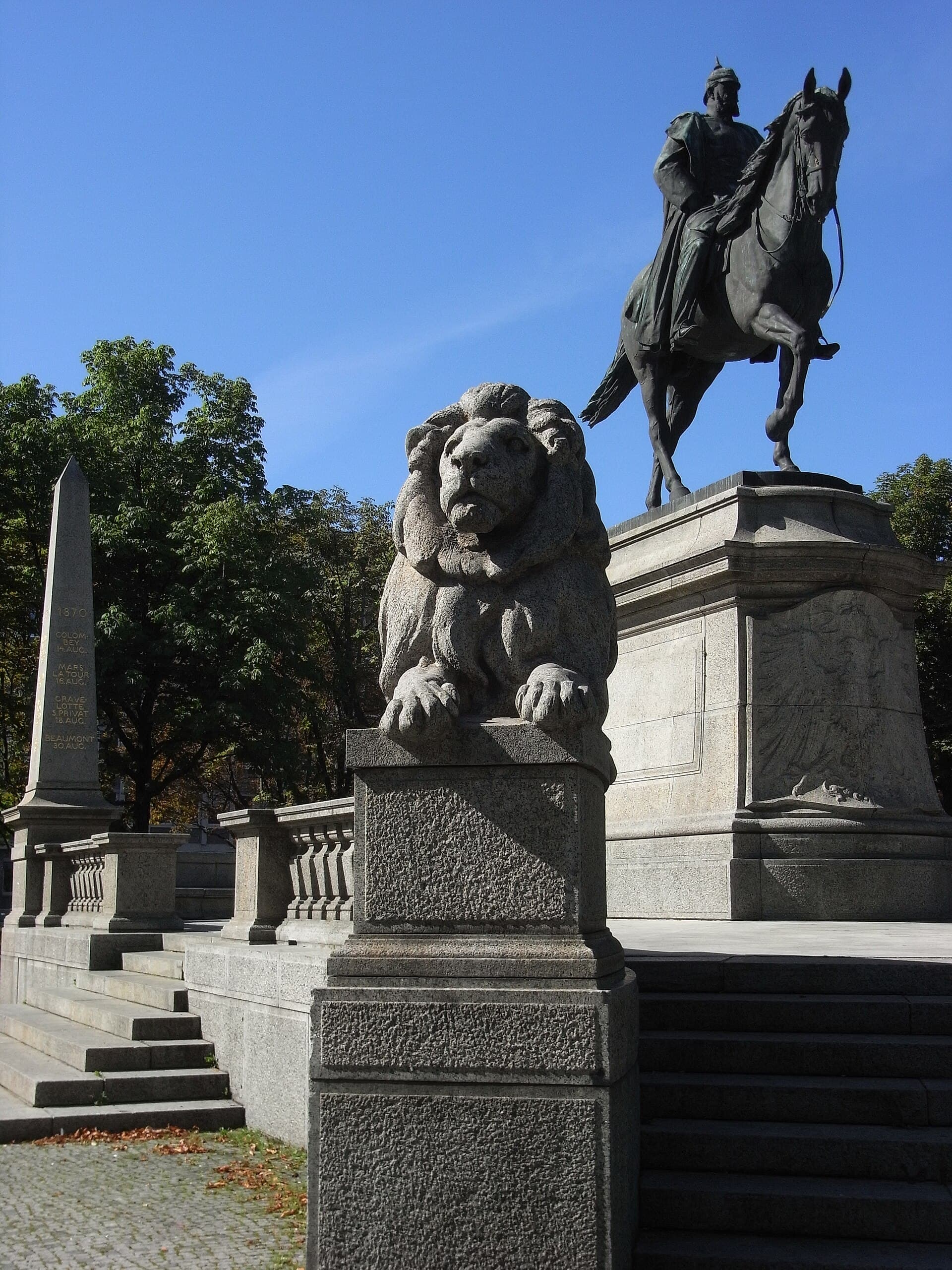 The Kaiser Wilhelm Monument, StuttgartAn equestrian statue of Emperor Wilhelm I in central Stuttgart, one of hundreds 1 minute walk4.6
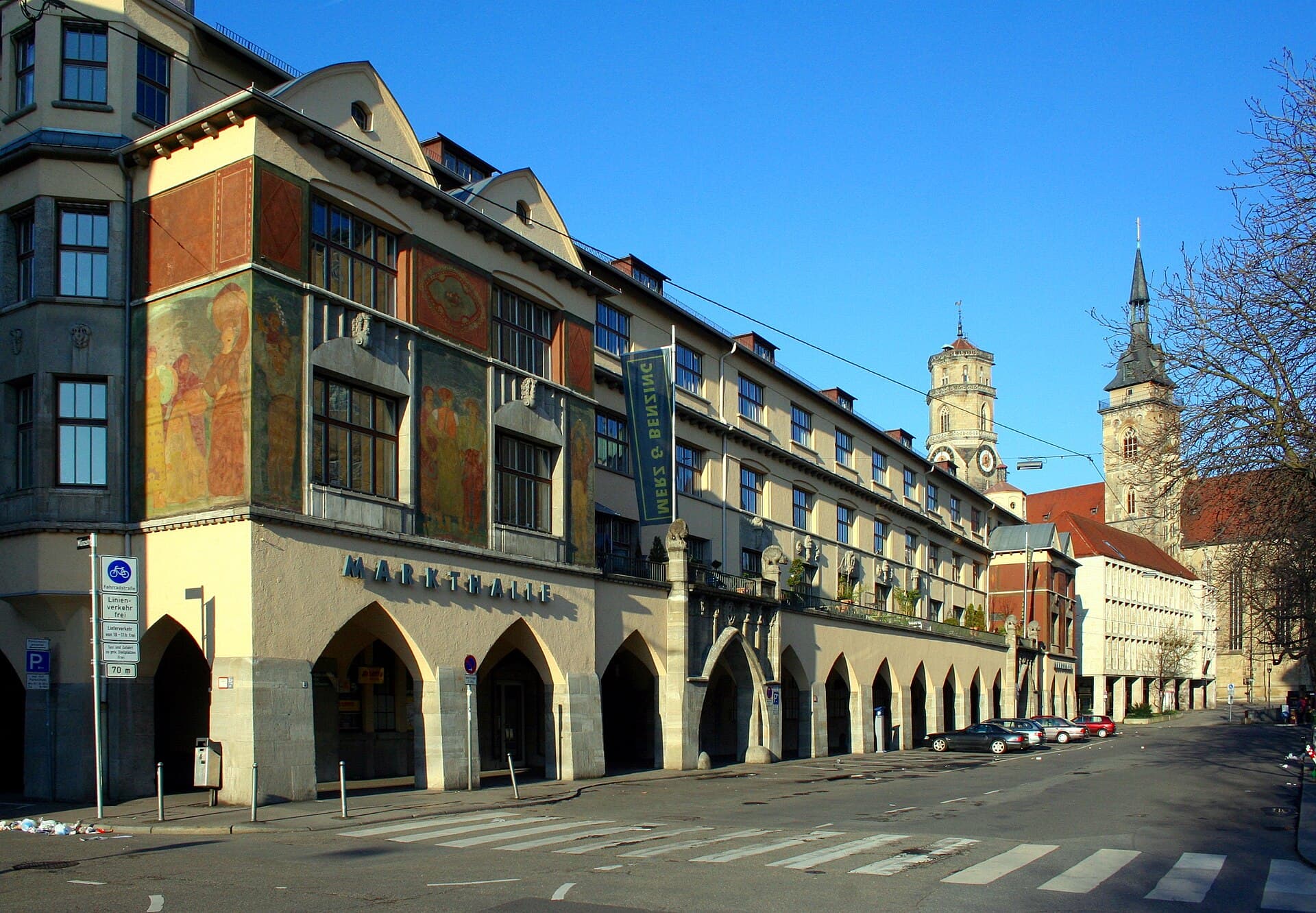 Markthalle StuttgartThe city's covered market opened on the thirtieth of January 1914, after the arc1 minute walk4.7
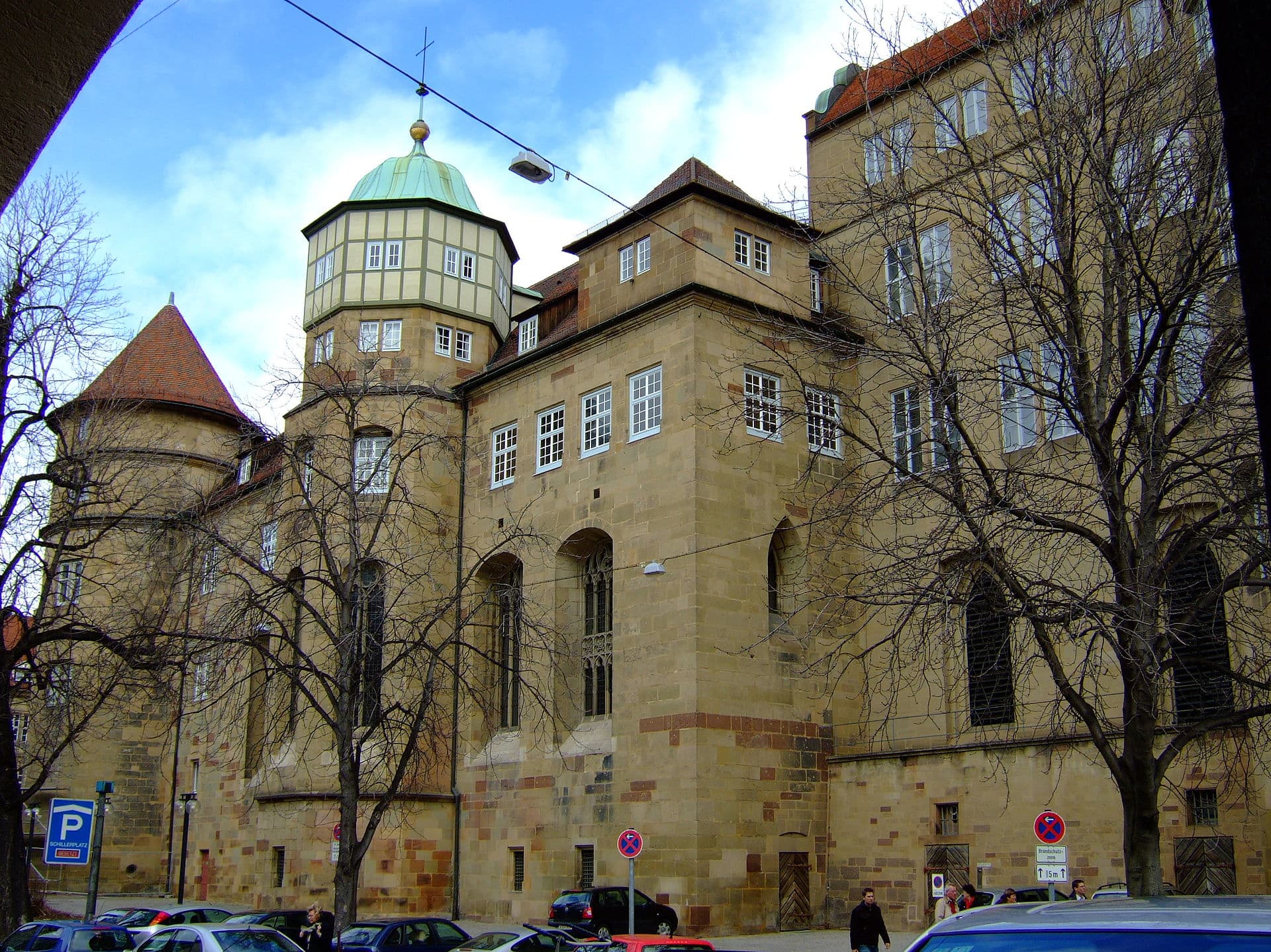 Landesmuseum WürttembergThe Landesmuseum Württemberg is inside the Old Castle, a sixteenth-century fortr1 minute walk4.4
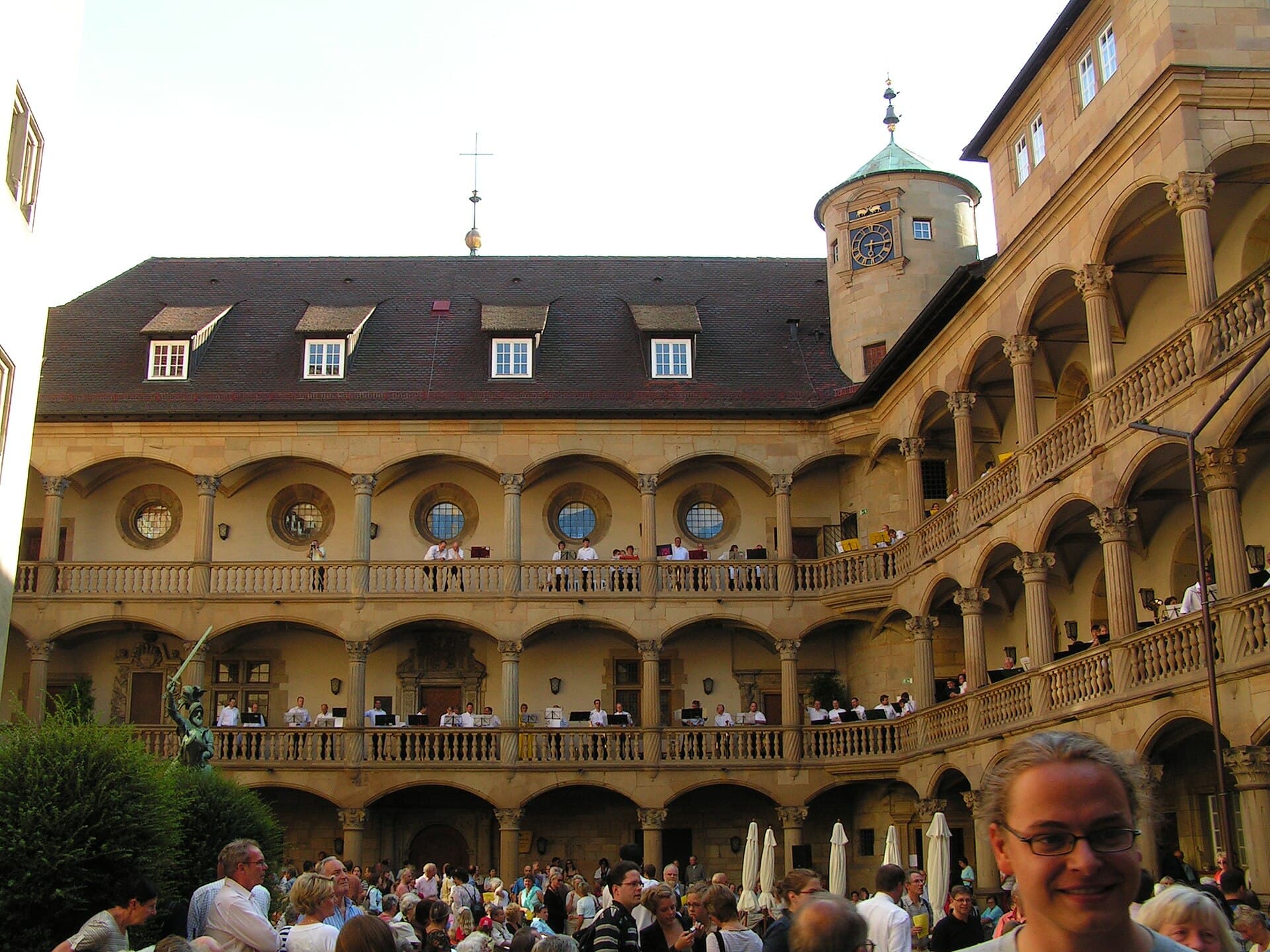 Junges Schloss Children's MuseumThe Junges Schloss is a children's museum inside the Old Castle in central Stutt2 minutes walk4.3
 Old CastleThe Old Castle is a Renaissance fortress in the middle of Stuttgart, grown out o2 minutes walk4.8
Because most of the 20 July conspirators were professional officers who had served in the German army for years, and some had supported the regime early on before turning against it. In postwar West Germany many regarded an attempt on the supreme commander's life as military treason regardless of context. That shifted gradually through the 1960s and 1970s, and 20 July is today an official symbol of German resistance.
The New Palace and Palace Square, the Old Palace with the Württemberg regional museum, the state art gallery, and the market square and town hall. The old town is small because Stuttgart was destroyed in the war and largely rebuilt modern — the value here is in the museums rather than the streets.