
The apprentice rooms
Young traders forbidden to marry.
Rüdiger Stehn from Kiel, Deutschland — CC BY-SA 2.0 · Holger Uwe Schmitt — CC BY-SA 4.0 · Bjoertvedt — CC BY-SA 4.0 · Bjoertvedt — CC BY-SA 4.0
The Hanseatic Museum is the sole chance to enter a real German merchant's house from the boom era: an original Bryggen house (18th century, museum since 1872) preserved with its complete original furniture — cramped bedrooms shared by young apprentice traders (forbidden to marry within Bergen throughout their service), account offices, and hanging stockfish stores as actually kept. The neighbouring Schøtstuene assembly rooms — shared meeting and dining halls, since open fire was banned inside Bryggen's flammable wooden houses — reveal the strict social life of merchants who lived without women or families within the quarter across their service centuries. The visit is short (an hour) but completes Bryggen's exterior with a genuine interior understanding: how those who built this coloured façade actually lived daily, not touristically.
Young traders forbidden to marry.
Actual storage as it was kept.
Finnegårdsmenningen 3a, 5003 Bergen
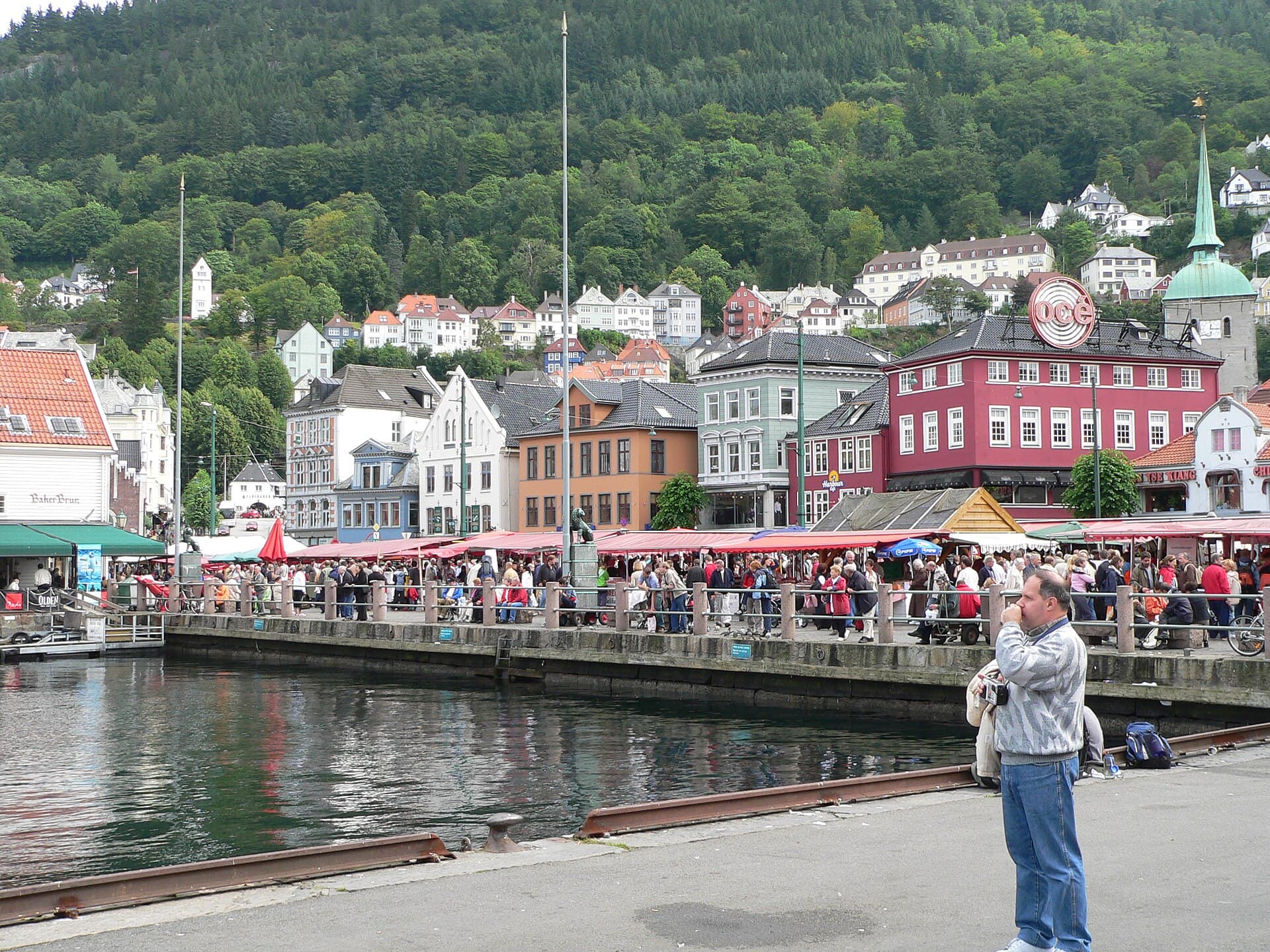 The Bergen Fish MarketThe fish market stands at the head of Vågen, the harbour inlet where the boats t2 minutes walk3.9
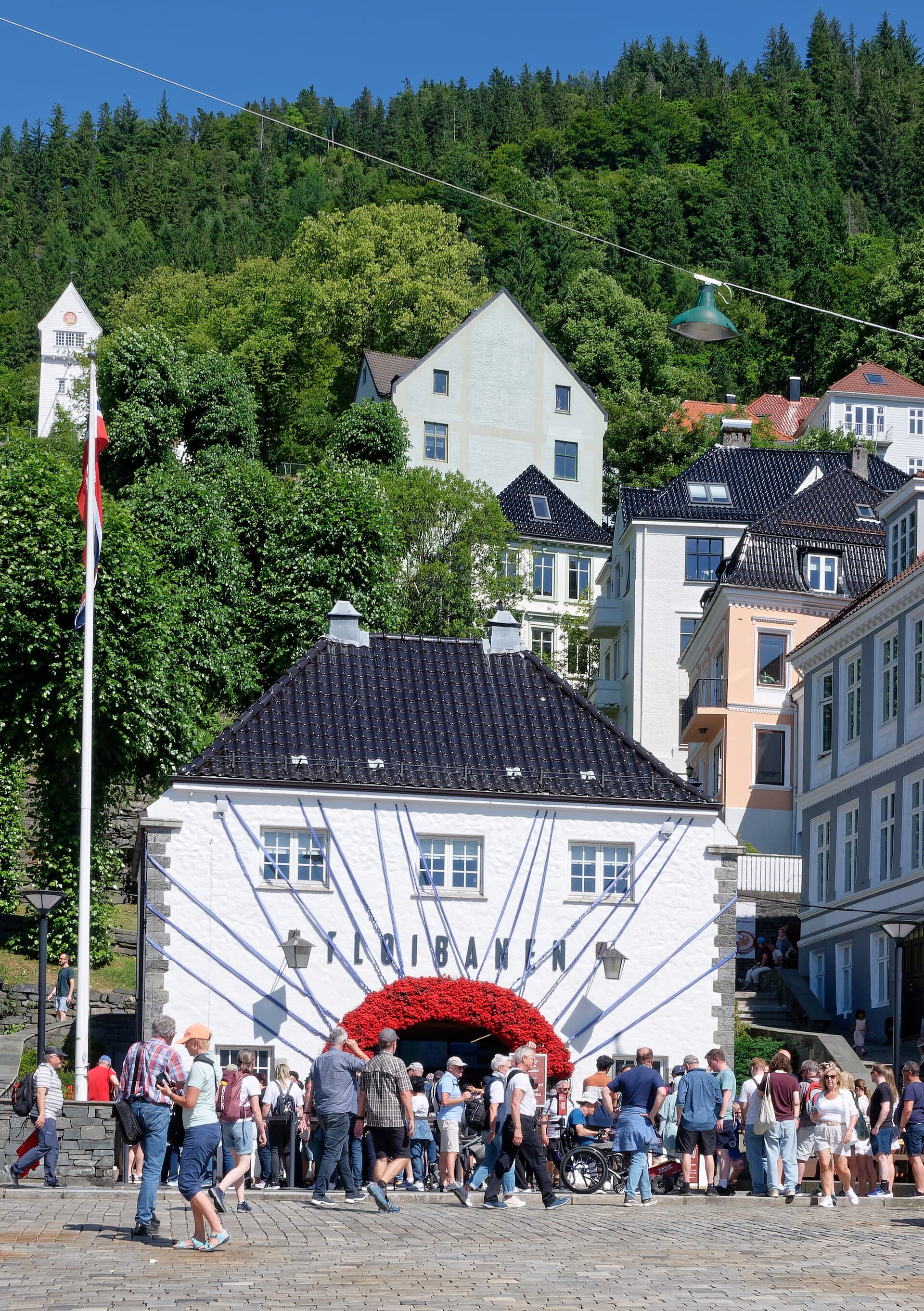 Fløibanen — the Mount Fløyen FunicularFløibanen is Bergen's most famous elevator to the sky: a venerable funicular (192 minutes walk4.8
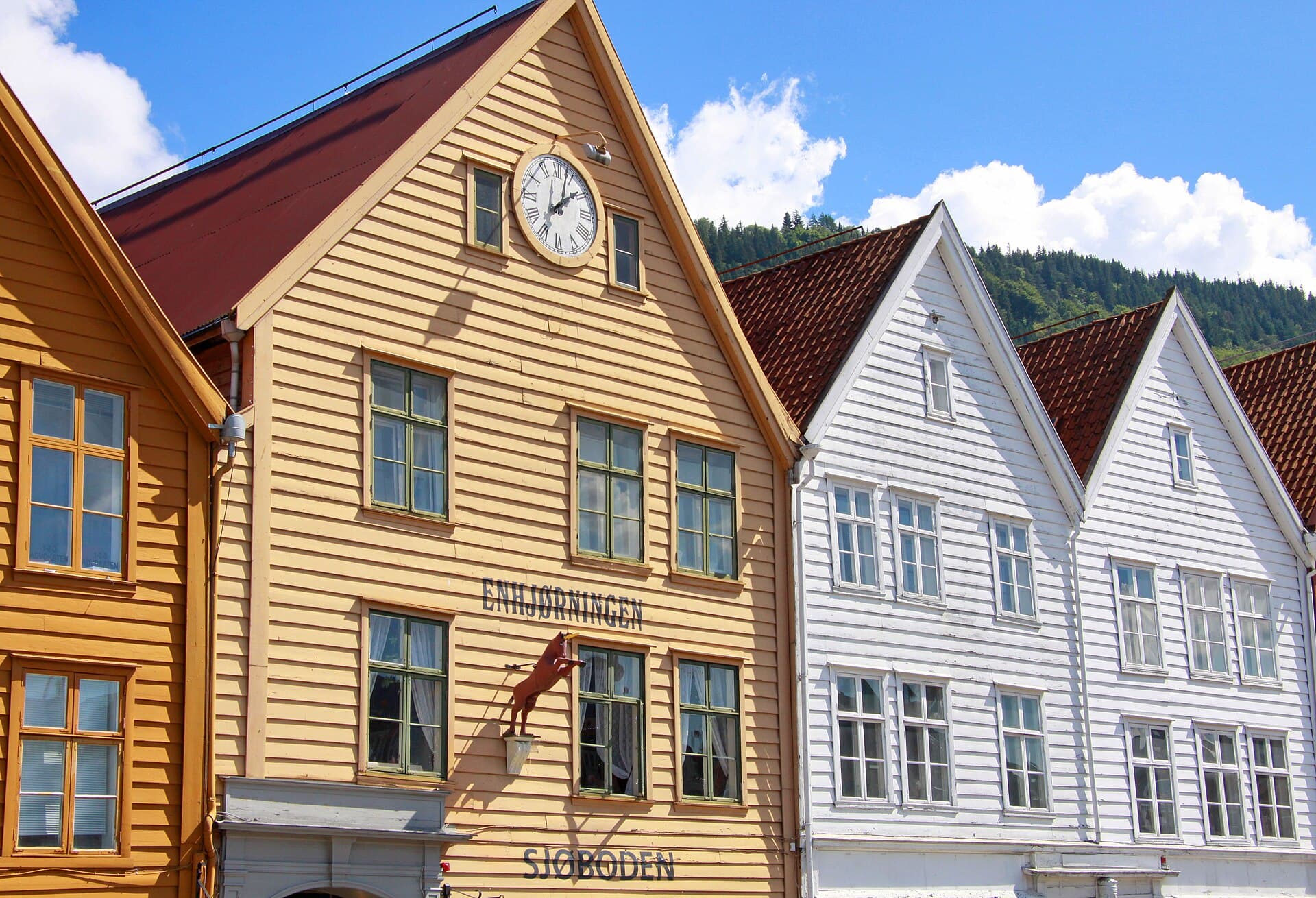 The Theta MuseumThe Theta Museum is a single room in the attic of a wooden building in Bryggen, 3 minutes walk4.5
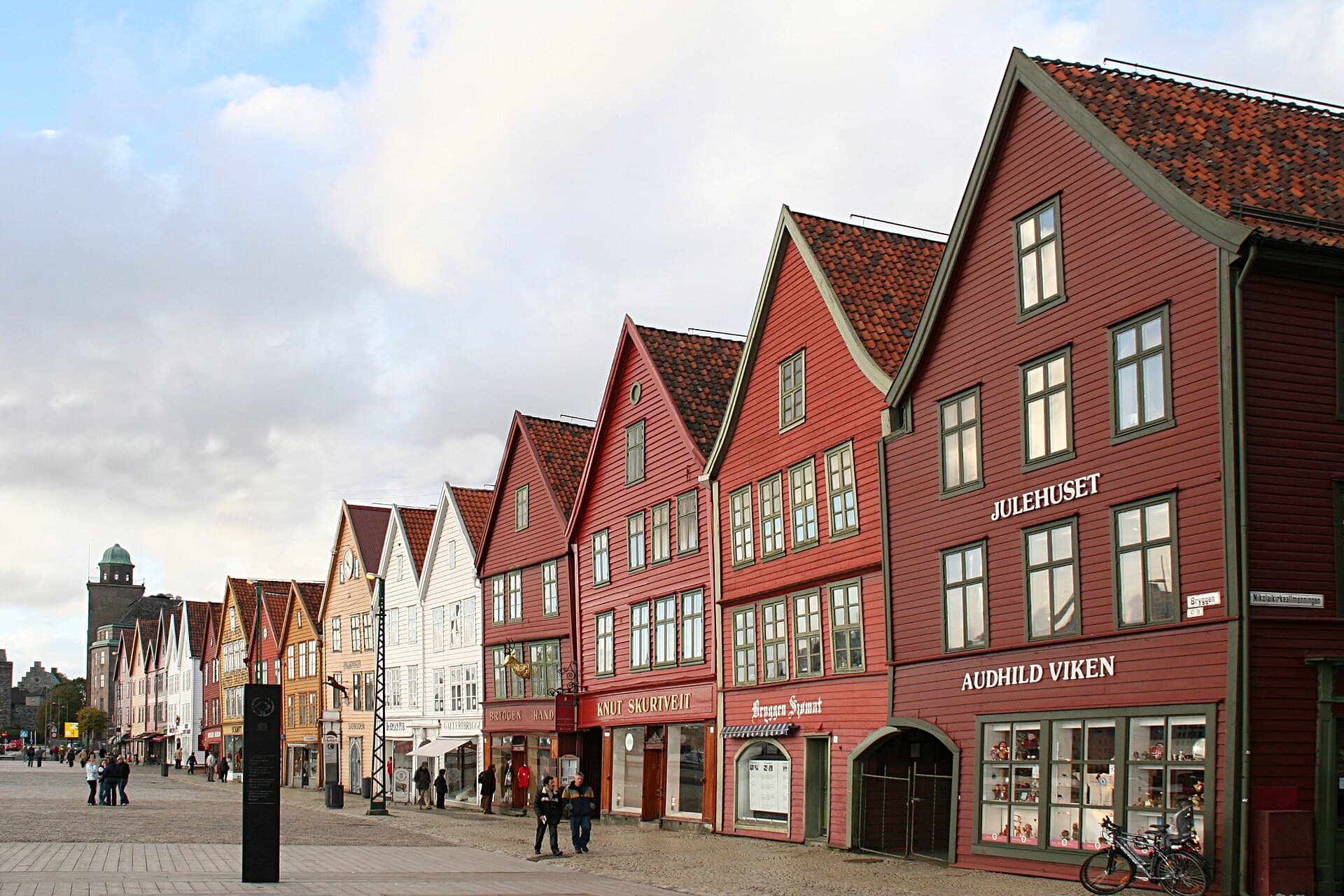 Bryggen — the Hanseatic WharfBryggen is the entire remaining commercial face of the Hanseatic trading league:3 minutes walk4.6
 Seamen's MonumentA bronze monument on Torgallmenningen square in central Bergen, raised in 1950 i4 minutes walk4.6
An internal Hanseatic rule: young apprentice traders bound themselves to long contracts (seven years or more) without local marriage, to prevent divided trading loyalty or league secrets leaking through local marriages — living a near-monastic communal life inside Bryggen's houses until their service ended or they returned to Germany. The rule held for centuries until the Hanseatic system itself withered.