
The transmitter
The room set out as found, with the set and the papers.
Guillaume Baviere — CC BY 2.0 · Mikkoau — CC BY-SA 4.0 · Odd Roar Aalborg — CC BY-SA 3.0 no · Riksantikvaren — CC BY 2.0
The Theta Museum is a single room in the attic of a wooden building in Bryggen, described as the smallest museum in Norway — and its smallness is exactly what makes it affecting. This room was the secret headquarters of the Theta group: four young Norwegians, the youngest of them twenty, who operated a radio transmitter to London from here between 1940 and 1942, reporting German ship movements in Bergen harbour — intelligence used to strike at the occupation's vessels. They chose the attic because it sat above a German office: the last place anyone would search. The cell was discovered in 1942 and its members arrested. The room has been set out as it was, with the transmitter, the furniture and the papers, preserved as found. Volunteers run the museum and it opens for a few hours on limited days **in summer only** — check before going, because a locked door is the likelier outcome if you do not.
The room set out as found, with the set and the papers.
An attic in a wooden building inside the Hanseatic quarter.
Enhjørningsgården, Bryggen, 5003 Bergen
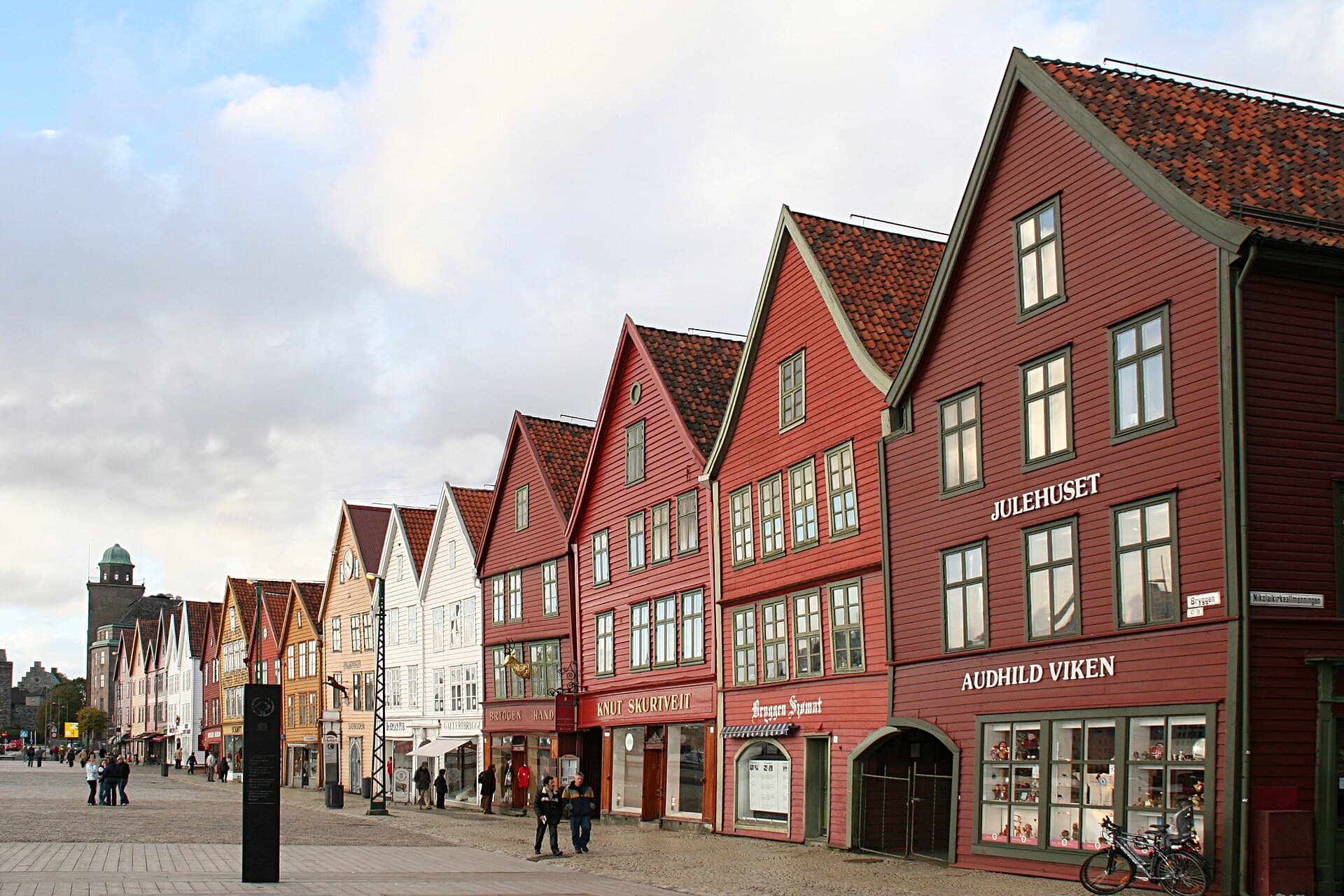 Bryggen — the Hanseatic WharfBryggen is the entire remaining commercial face of the Hanseatic trading league:1 minute walk4.6
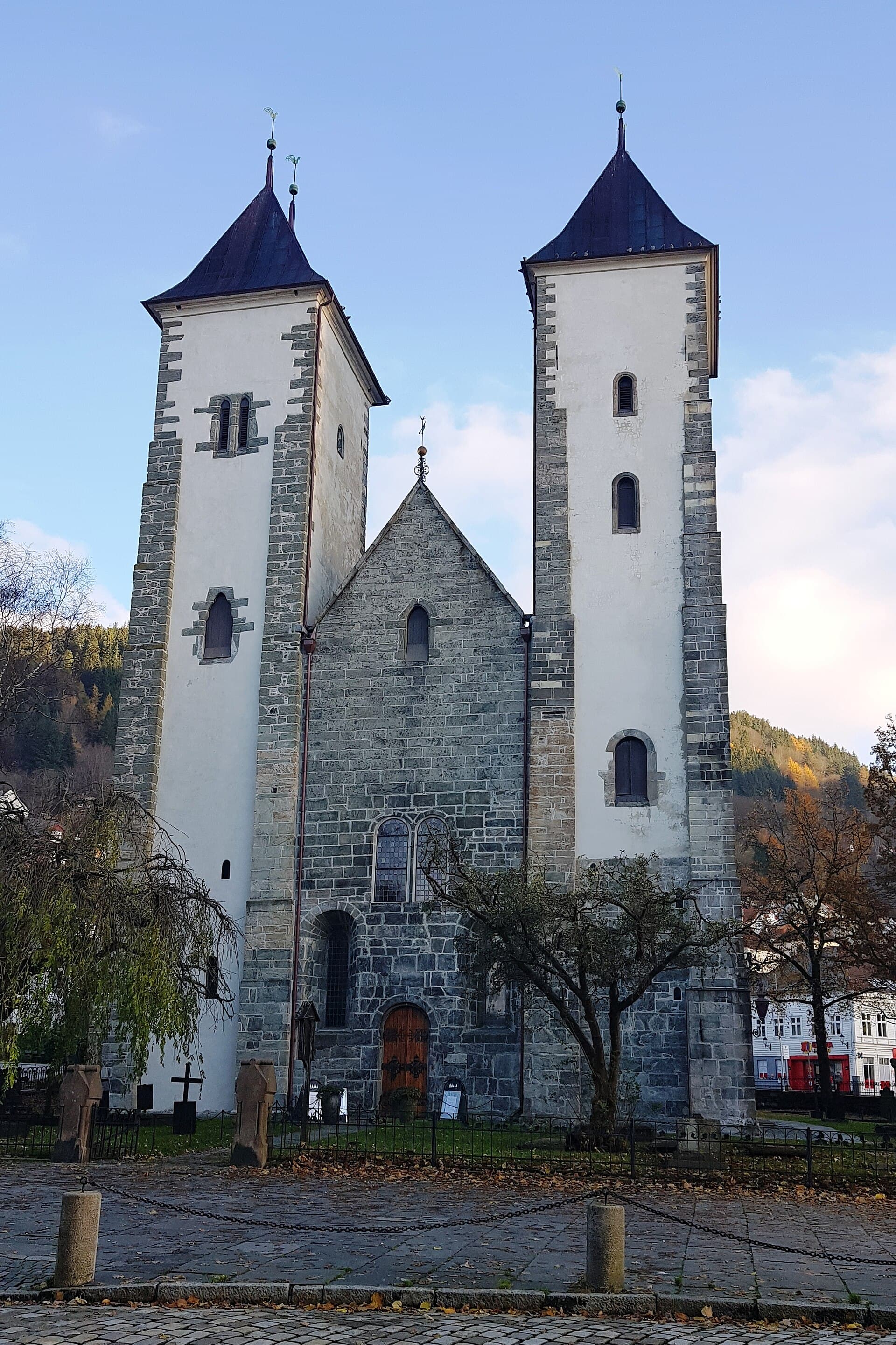 St Mary's ChurchMariakirken is the oldest surviving building in Bergen: built between about 11302 minutes walk4.3
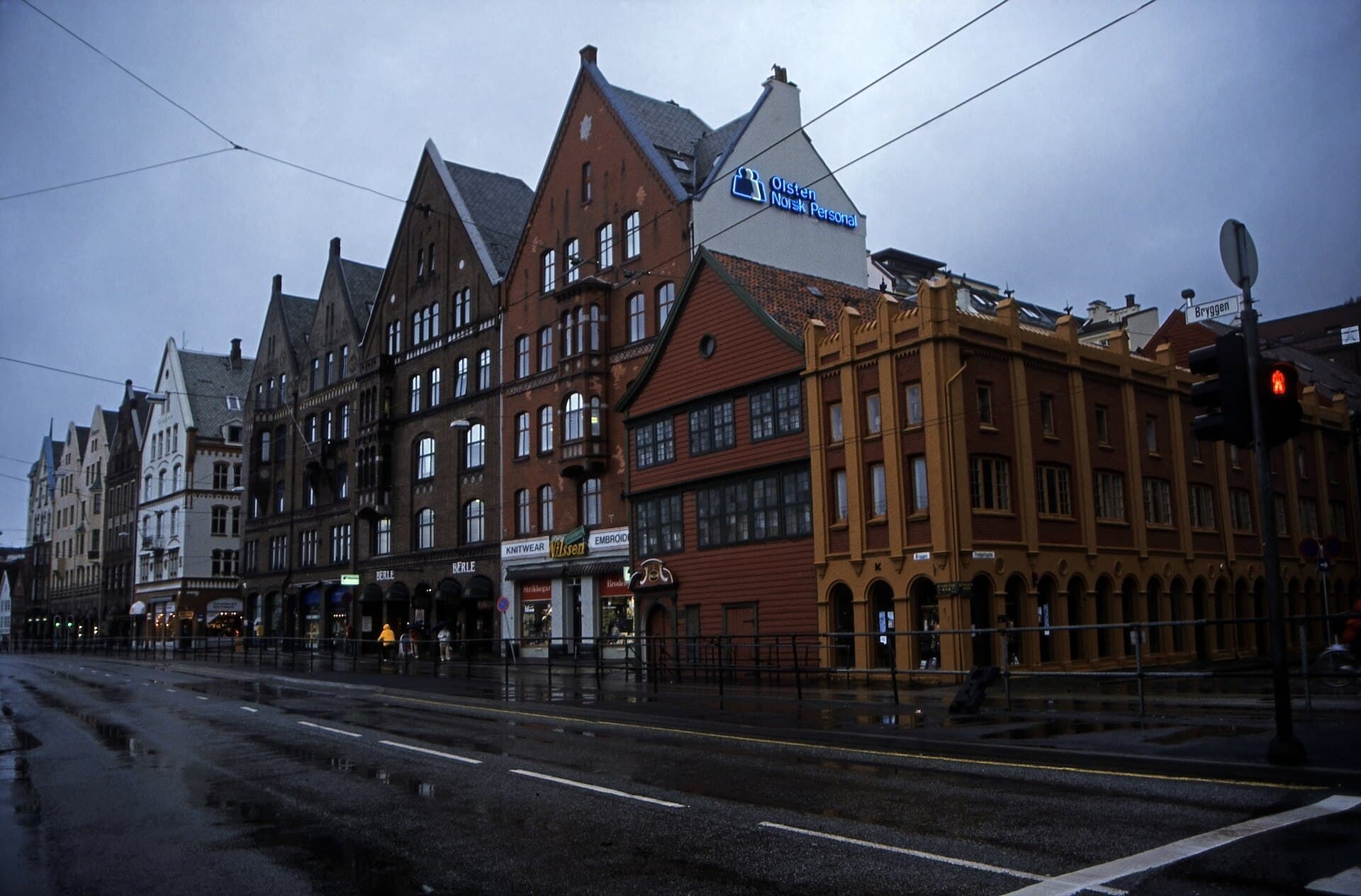 The Hanseatic Museum & SchøtstueneThe Hanseatic Museum is the sole chance to enter a real German merchant's house 3 minutes walk4.4
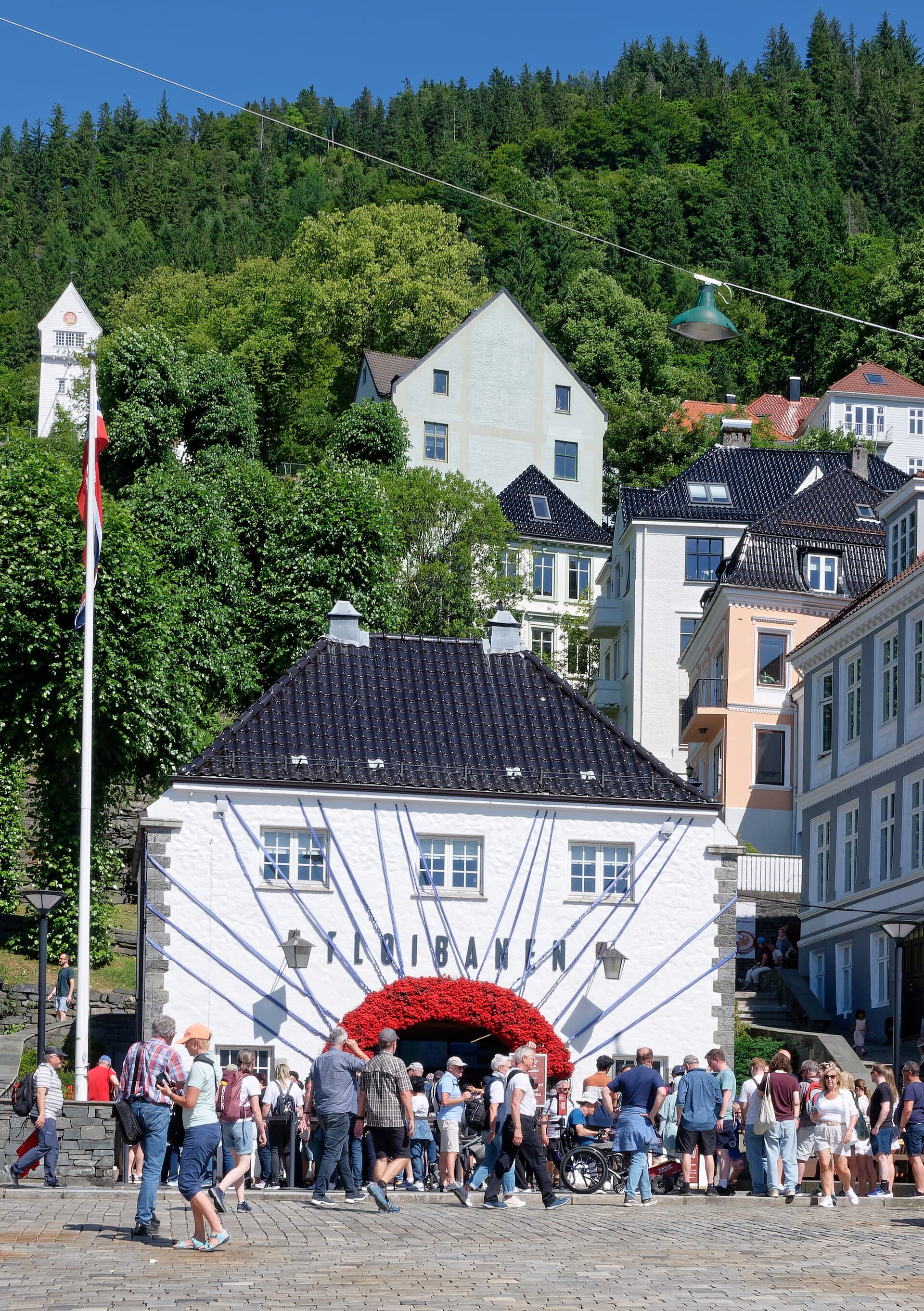 Fløibanen — the Mount Fløyen FunicularFløibanen is Bergen's most famous elevator to the sky: a venerable funicular (194 minutes walk4.8
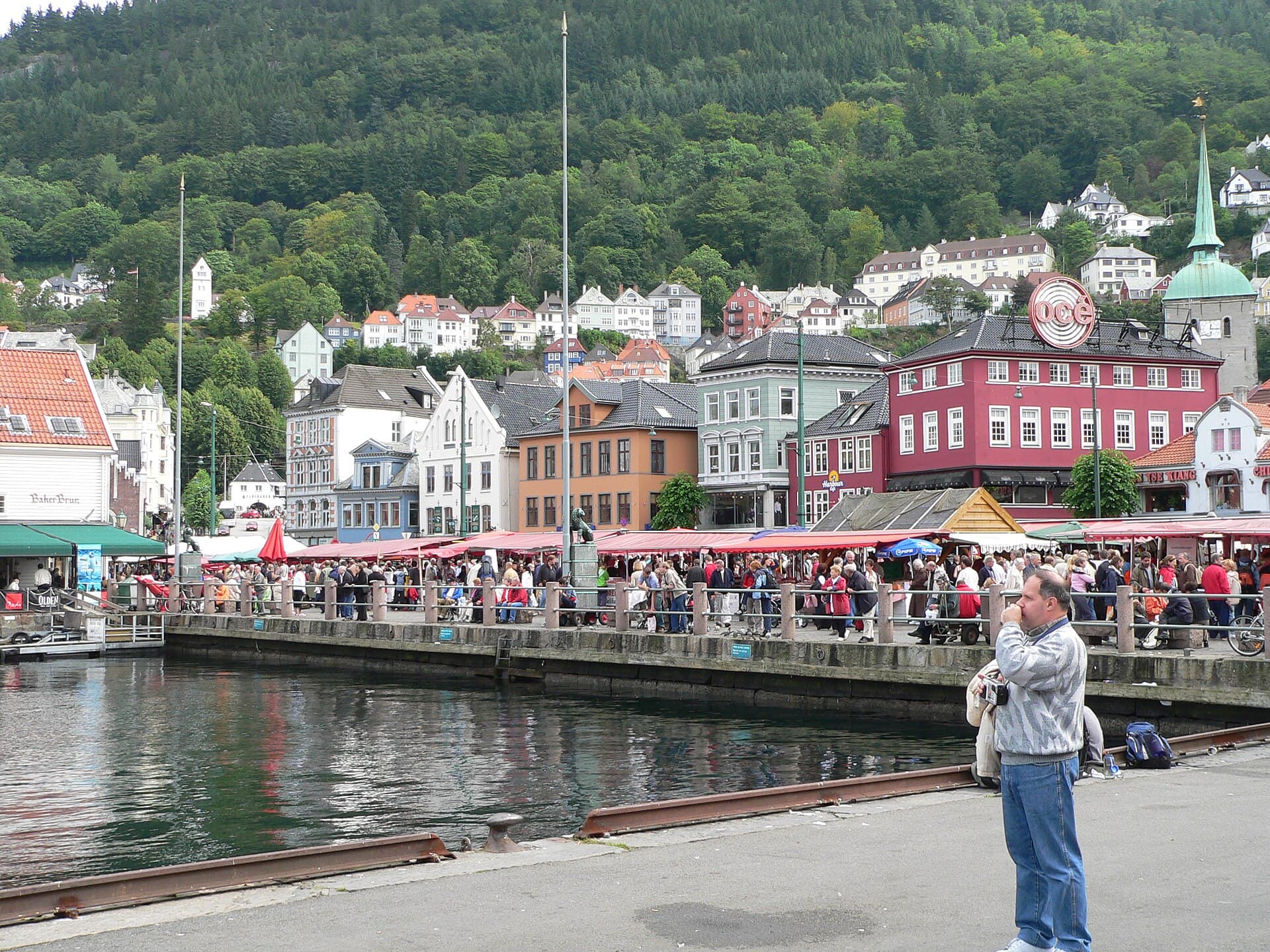 The Bergen Fish MarketThe fish market stands at the head of Vågen, the harbour inlet where the boats t4 minutes walk3.9
The Germans took it in April 1940 in the first days of the invasion, and it became a major naval base because it commands the entrance to the North Sea — a concrete-hardened submarine pen was built there and still stands. In April 1944 a German munitions ship exploded in the harbour with enormous force, killing more than a hundred and fifty people and damaging parts of Bergenhus fortress and the old town. Resistance groups like Theta were reporting the movements of ships from precisely this harbour.