
The Hauptstraße
One of Europe's longest pedestrian streets, a kilometre and a half of shops and cafés.
Miholz — CC BY-SA 3.0 · Schlurcher — CC BY 4.0 · BarzinH23 — CC BY-SA 4.0 · KaiBorgeest — CC BY-SA 4.0
Heidelberg's old town is among the loveliest in Germany, for a simple reason: it survived the Second World War bombing while many cities around it were destroyed. Most of what you see here is original rather than rebuilt. Its spine is the Hauptstraße, one of the longest pedestrian streets in Europe, running about a kilometre and a half. Around it are narrow lanes, small squares and eighteenth-century baroque houses, with the castle on the hill above and the river Neckar and the old bridge in front. Walking it is free, and it is the best thing to do in Heidelberg.
One of Europe's longest pedestrian streets, a kilometre and a half of shops and cafés.
The central square with the Church of the Holy Spirit and its old houses.
Narrow alleys climbing towards the hill — much quieter than the main street and better for photographs.
The castle appears from most corners of the old town, forming the backdrop to every photograph.
Hauptstraße, 69117 Heidelberg
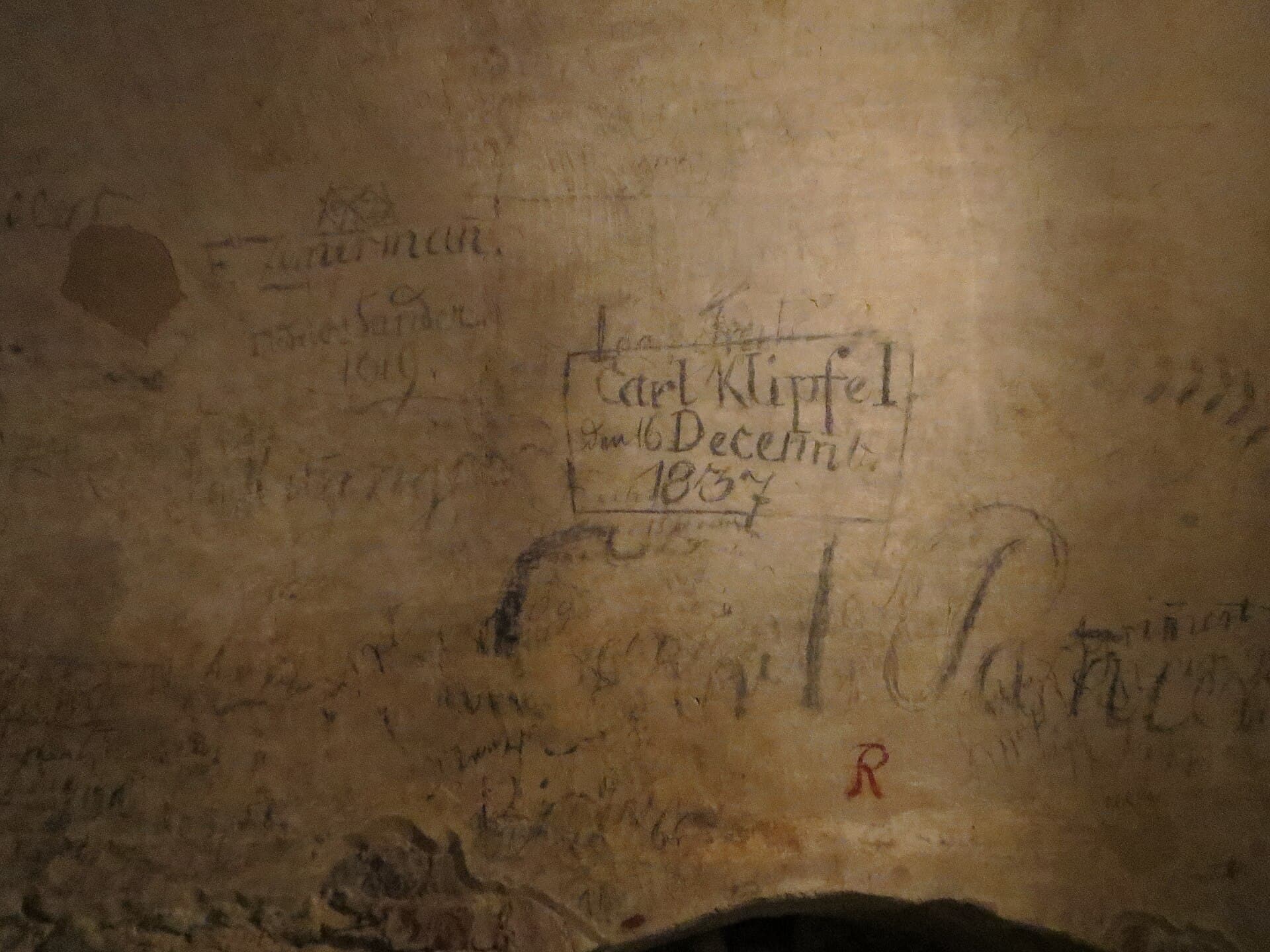 Student Prison (Studentenkarzer)The student prison is one of Heidelberg's strangest and most entertaining sights1 minute walk4.4
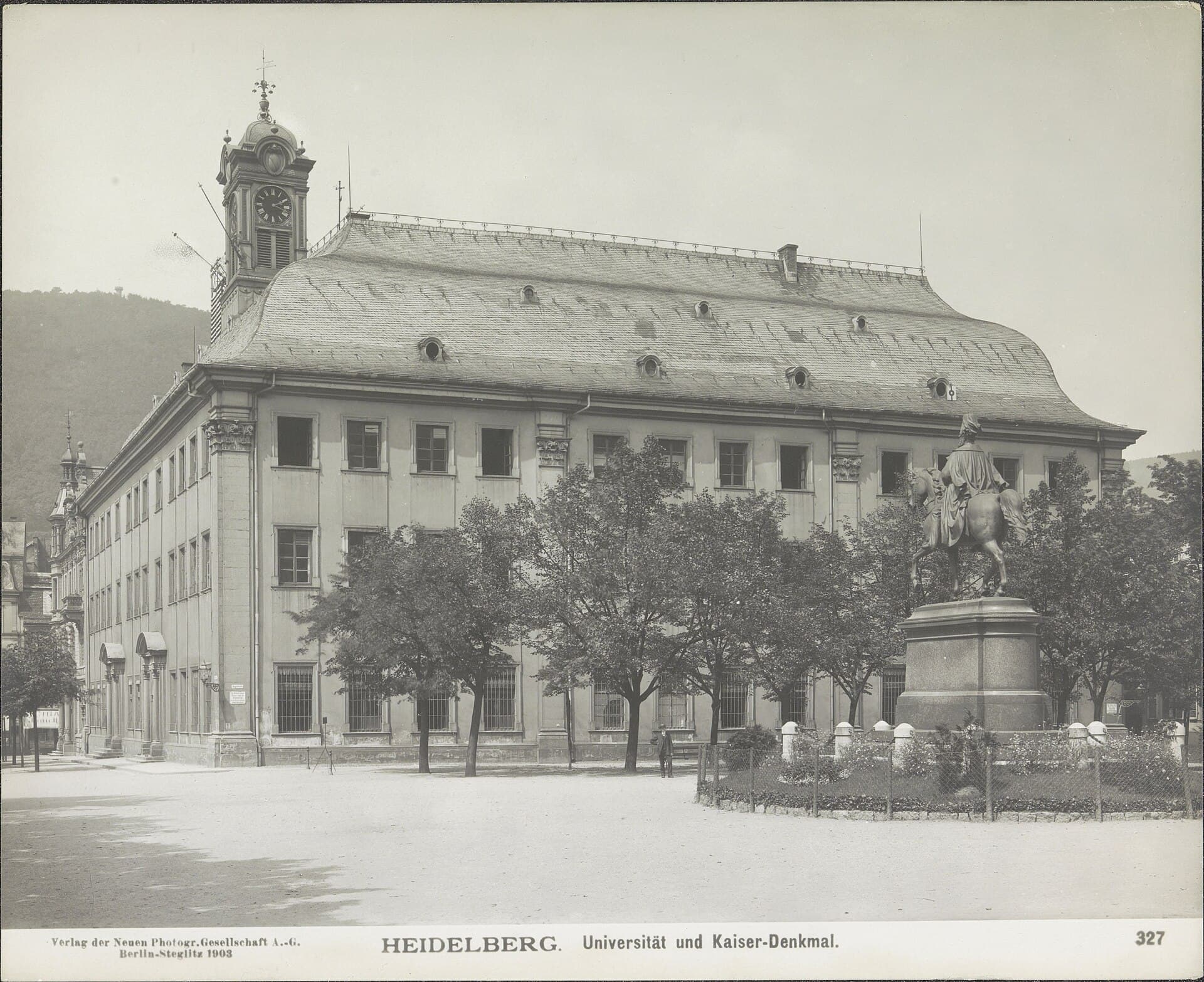 Heidelberg University MuseumA museum in the Old University building in Heidelberg, documenting the history o1 minute walk4.1
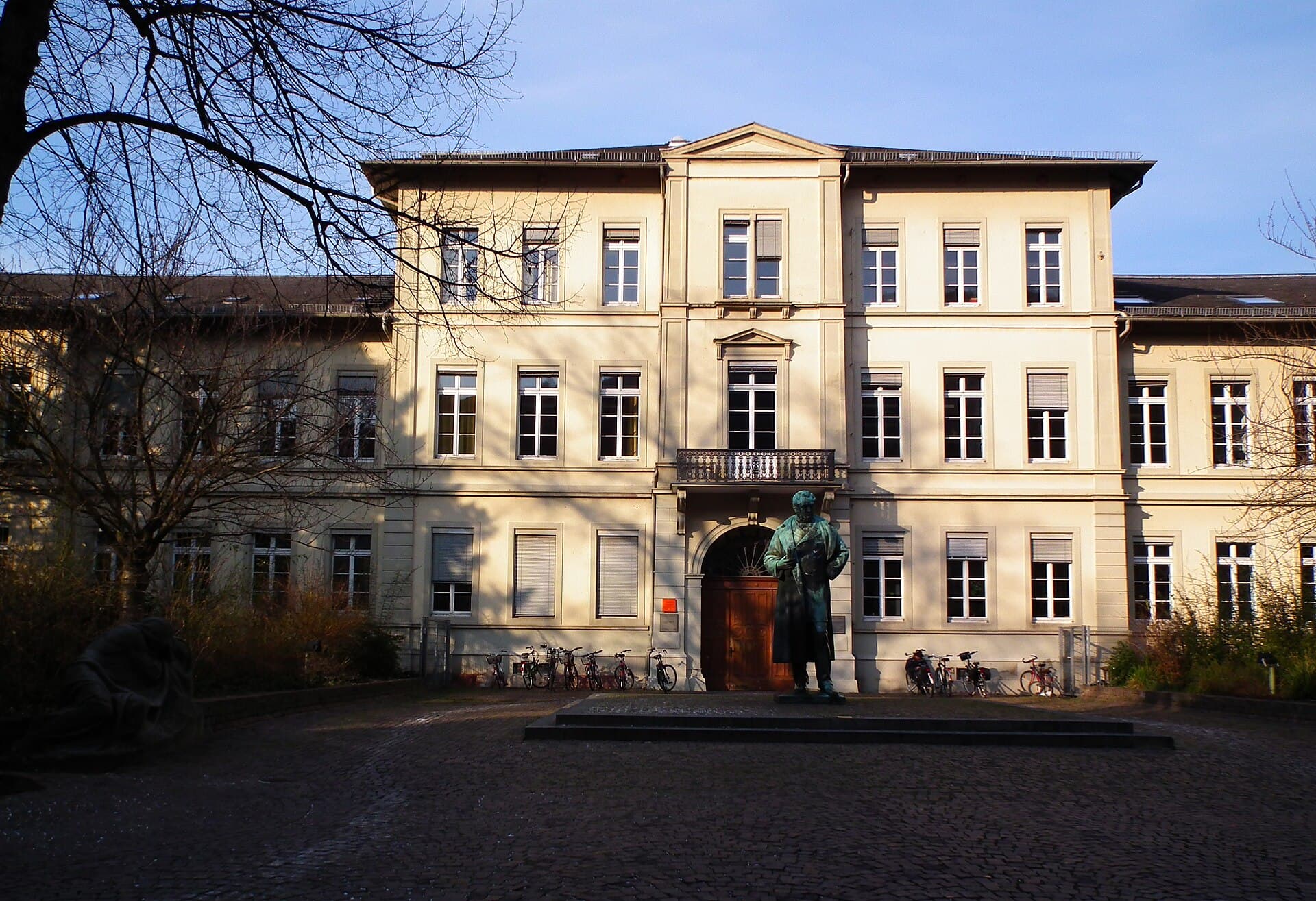 Heidelberg UniversityHeidelberg is Germany's oldest university, founded in 1386 by papal decree, and 1 minute walk4.6
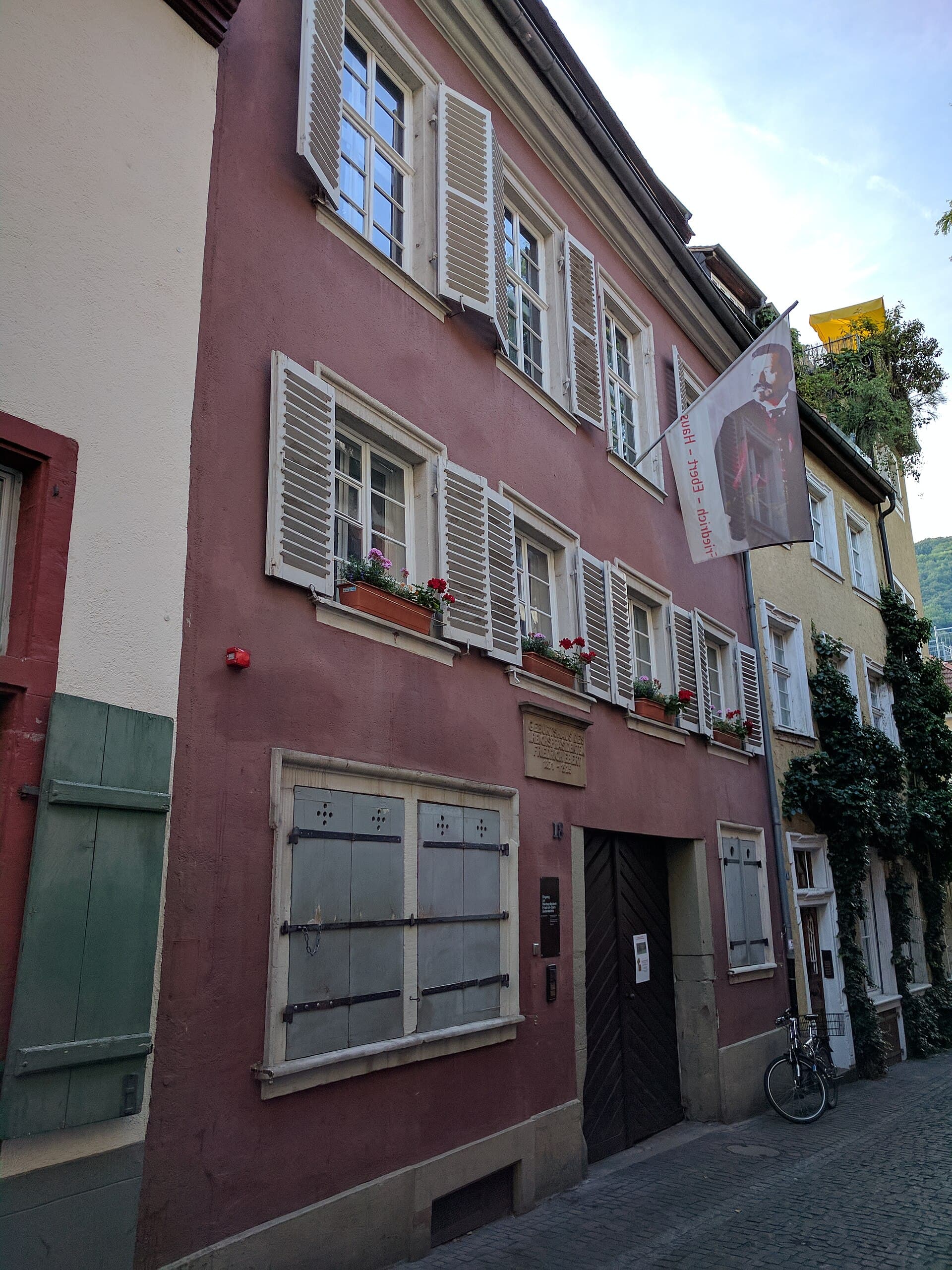 Friedrich Ebert MemorialThis house is where Friedrich Ebert was born in 1871 — Germany's first elected p3 minutes walk4.7
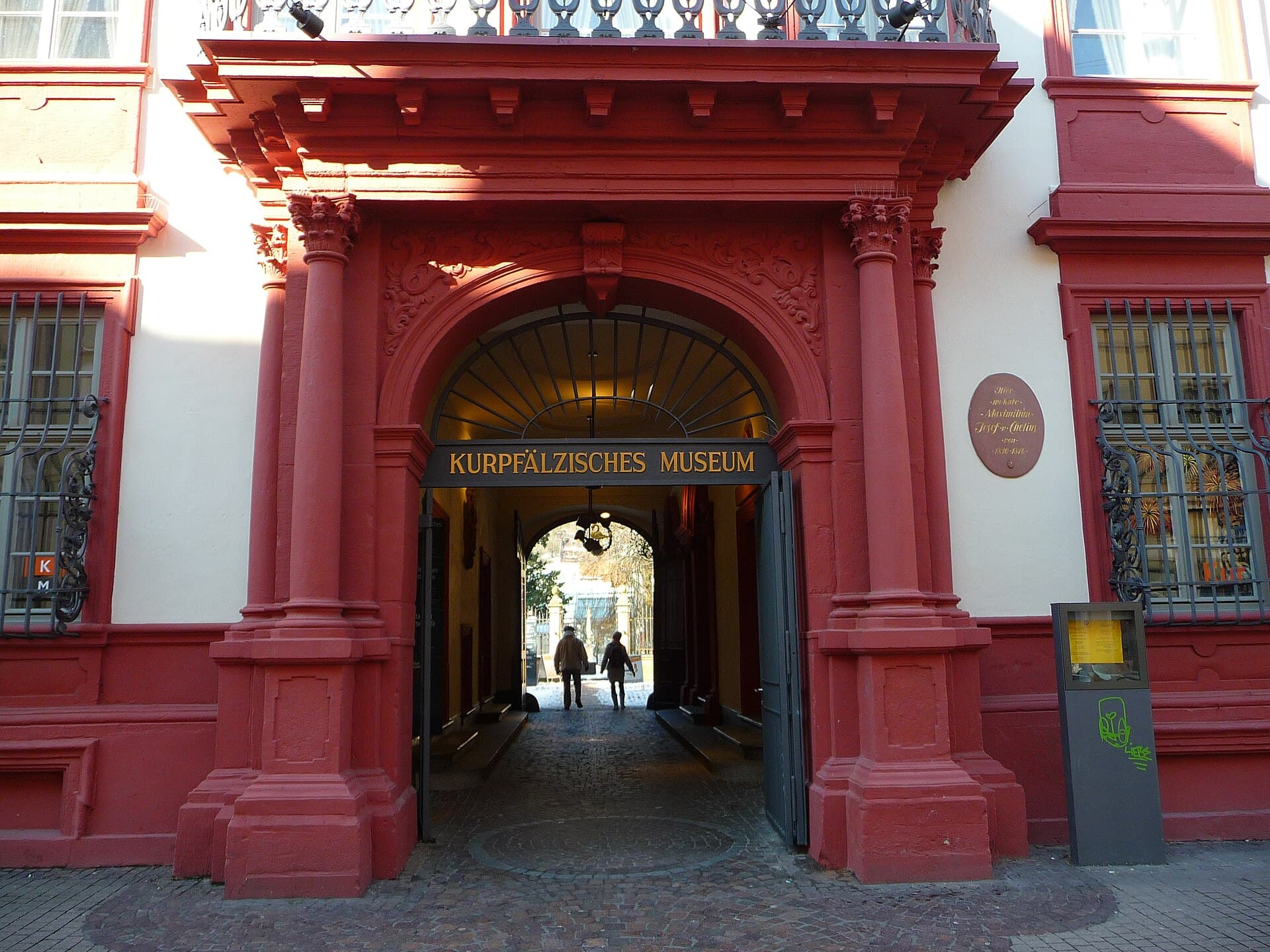 Kurpfälzisches MuseumThe Kurpfälzisches Museum is Heidelberg's city museum, housed in an eighteenth-c3 minutes walk4.4
Two hours to walk the main street and the squares, half a day if you go into a church or museum and sit in a café. With the castle and the old bridge it becomes a comfortable full day.
Heidelberg was not heavily bombed in the Second World War, while many German cities around it were destroyed entirely. That is why its old buildings are original rather than reconstructed, and why walking here feels different from most of Germany.
Before ten in the morning, or after seven in the evening. Heidelberg is among the most visited towns in Germany for its size, and the main street fills at midday in summer. The side lanes stay quiet almost always.