
The student prison
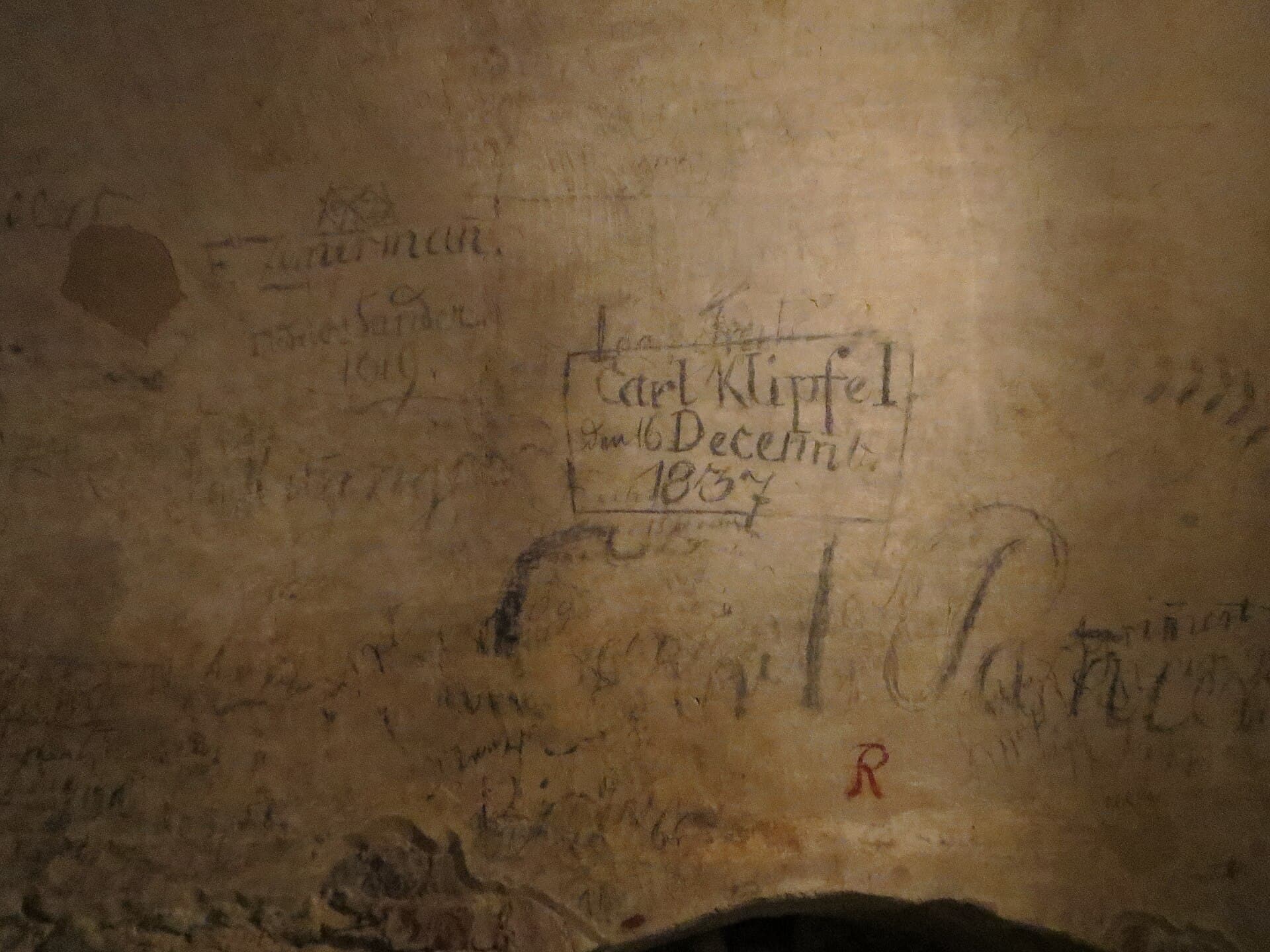
Walls the inmates covered in drawings and names.
4028mdk09 — CC BY-SA 3.0 · Ribax — CC BY-SA 4.0 · Ribax (Diskussion) 12:45, 10. Aug. 2014 (CEST) — CC BY-SA 4.0 · Ribax (Diskussion) 13:27, 10. Aug. 2014 (CEST) — CC BY-SA 4.0
Heidelberg is Germany's oldest university, founded in 1386 by papal decree, and it is the real reason the town exists in its present form: Heidelberg is comparatively small, yet close to a quarter of its residents are students, and the university is so woven into the fabric that it is not a separate campus but buildings scattered through the old town itself. Its historic heart is the Alte Universität on University Square, holding the ceremonial Alte Aula with its carved wood and decorated ceiling — the room where formal occasions have been held since the nineteenth century. Beneath the adjoining building is what actually makes the visit distinctive: the student prison. Until 1914 students answered to university justice rather than the town police, so anyone caught drunk or disorderly was locked up here for days — and because the punishment was treated as a badge of honour rather than a disgrace, the inmates covered the walls and ceilings with drawings, names, verses and silhouette portraits. The rooms are preserved as they left them, and they are among the strangest historic spaces in Germany.
Walls the inmates covered in drawings and names.
The ceremonial hall in carved wood.
Grabengasse 1, 69117 Heidelberg
 Student Prison (Studentenkarzer)The student prison is one of Heidelberg's strangest and most entertaining sights1 minute walk4.4
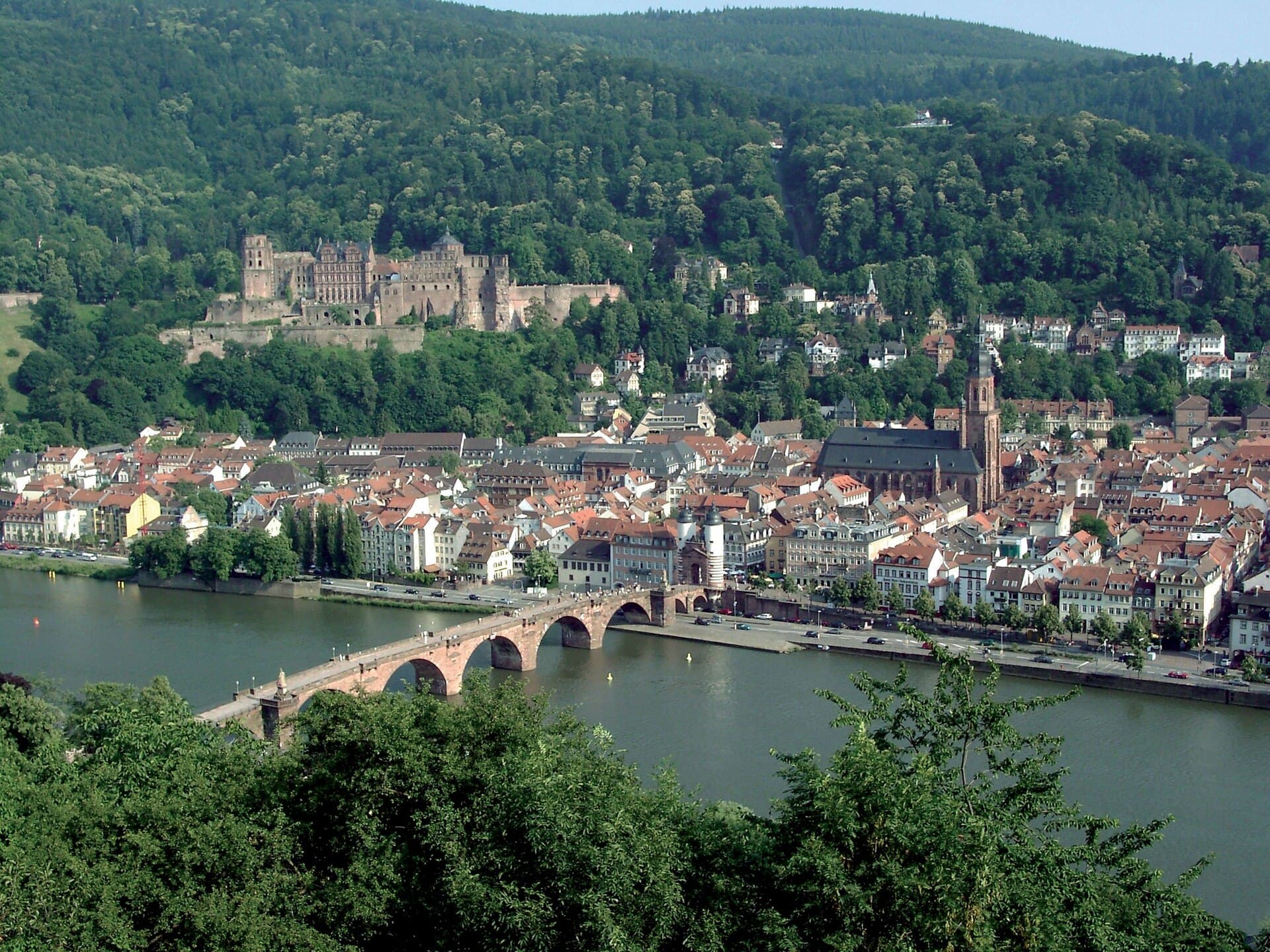 Heidelberg Old TownHeidelberg's old town is among the loveliest in Germany, for a simple reason: it1 minute walk4.7
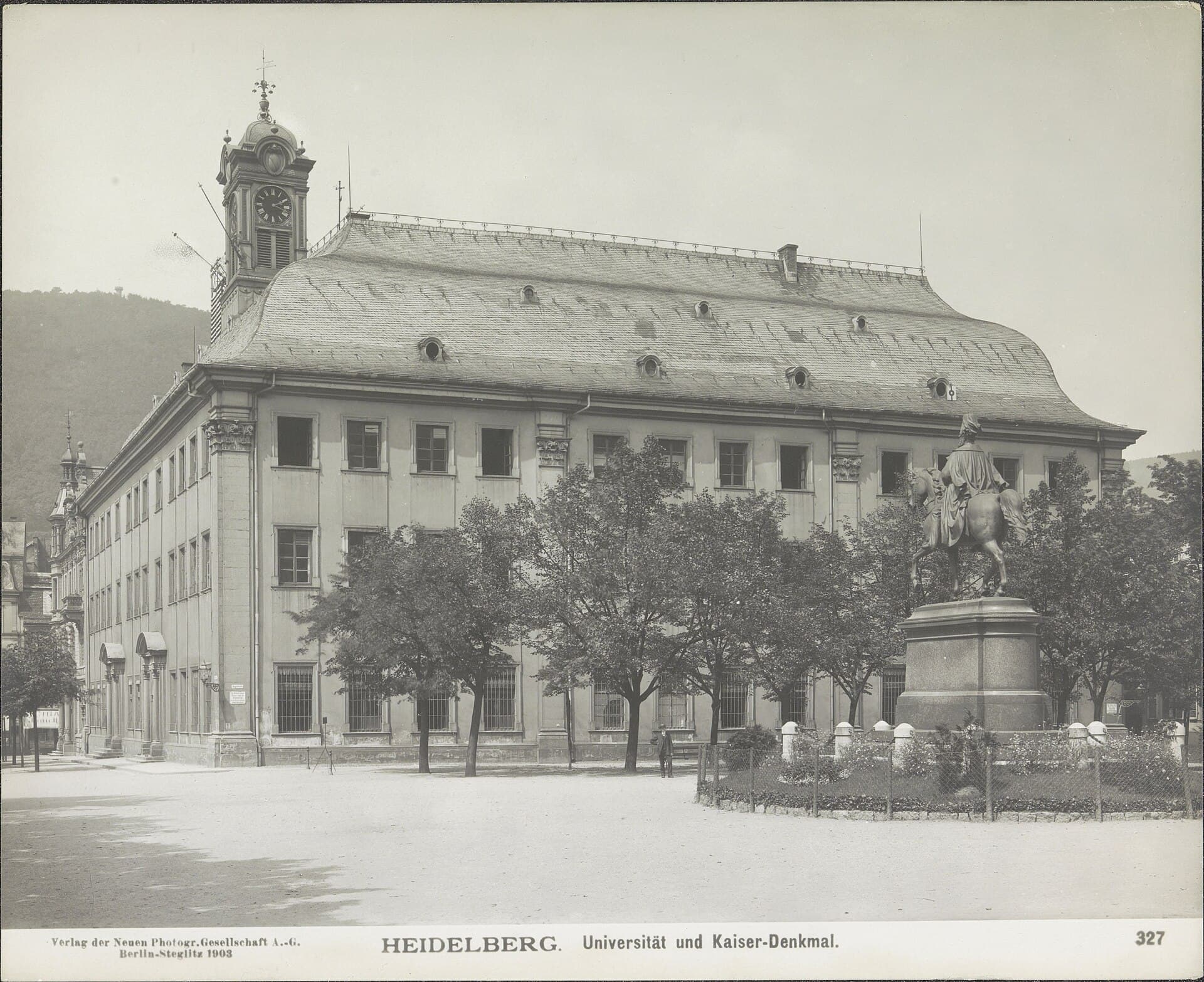 Heidelberg University MuseumA museum in the Old University building in Heidelberg, documenting the history o1 minute walk4.1
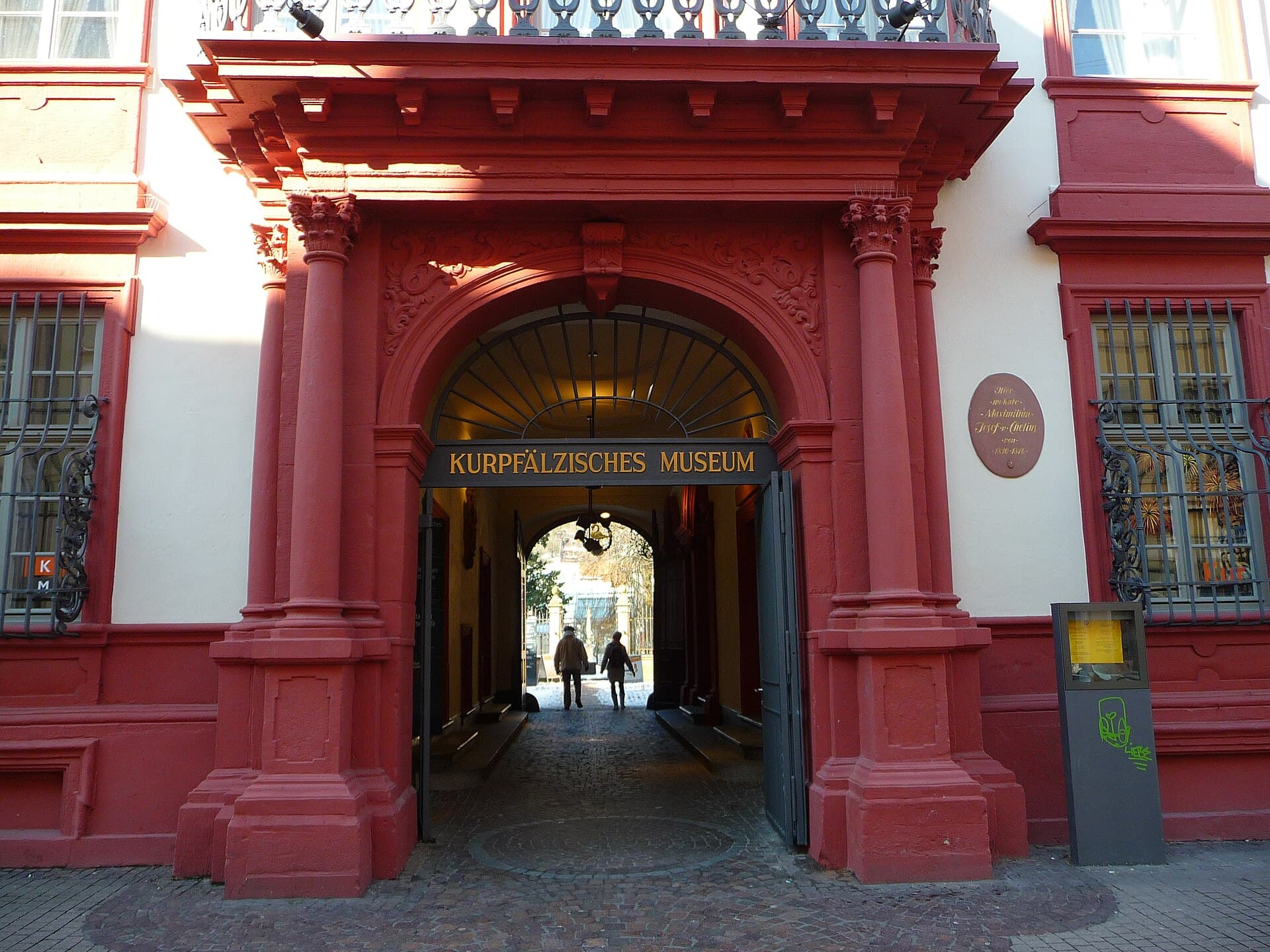 Kurpfälzisches MuseumThe Kurpfälzisches Museum is Heidelberg's city museum, housed in an eighteenth-c4 minutes walk4.4
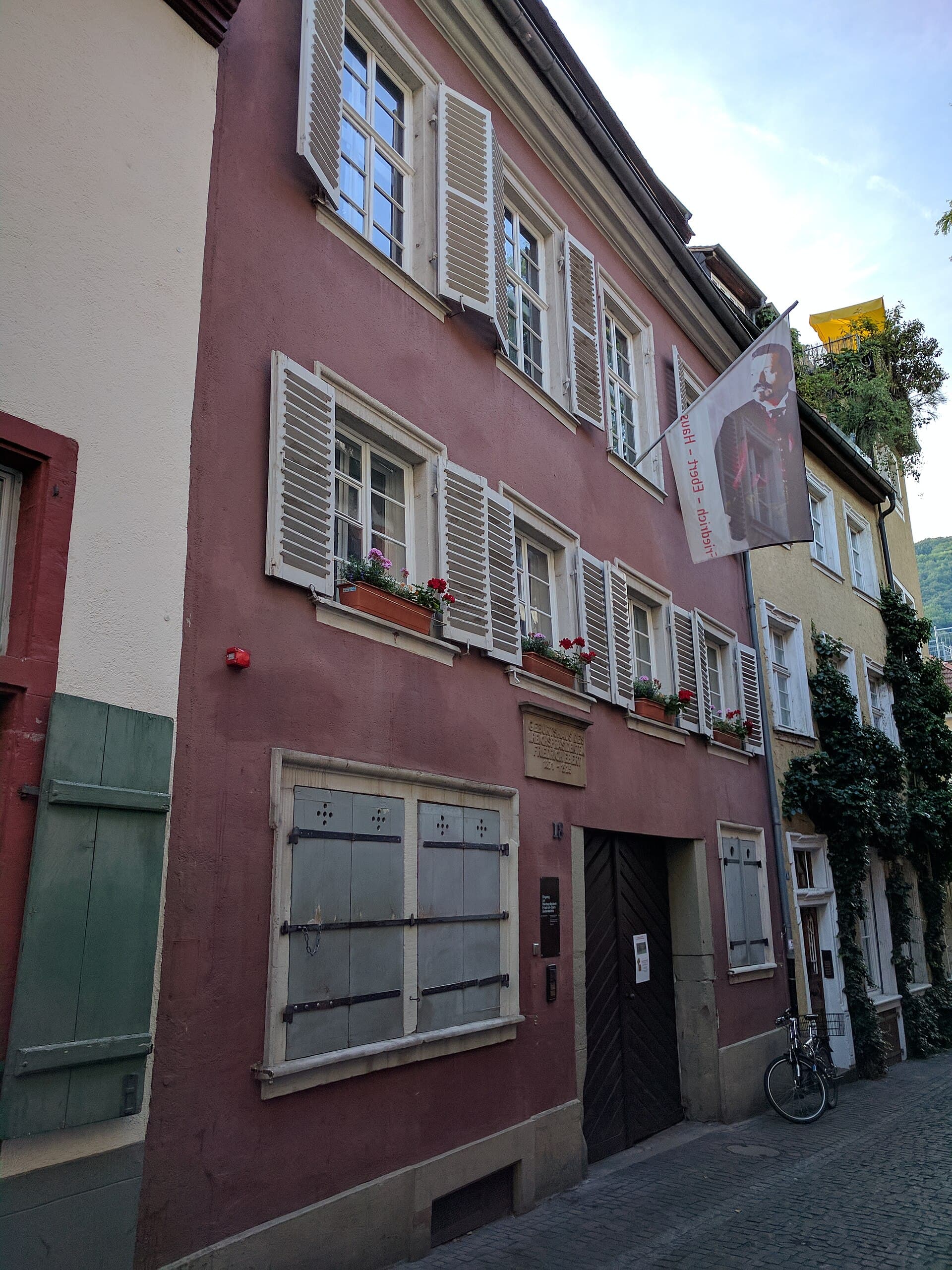 Friedrich Ebert MemorialThis house is where Friedrich Ebert was born in 1871 — Germany's first elected p4 minutes walk4.7
Because confinement here was not a humiliating punishment but a social rite: spending days in the Karzer was read as proof that its occupant had lived the full student life, and inmates received friends and continued attending lectures. So the walls became a collective register of names, dates and the silhouette self-portraits each occupant left behind.