
The memorial
Panels within an everyday green space.
Raimond Spekking — CC BY-SA 4.0 · Raimond Spekking — CC BY-SA 4.0 · Geolina163 — CC BY-SA 4.0 · Geolina163 — CC BY-SA 4.0
A small park in central Cologne named in 2004 for the two Japanese cities destroyed by nuclear weapons in 1945, on the initiative of the city council and local peace organisations. The naming is not merely symbolic: Cologne was itself destroyed by aerial bombing, and the connection between the two experiences is deliberate. The park holds a memorial and interpretive panels, and an annual event takes place there every sixth of August — the anniversary of the Hiroshima bombing — attended by residents. Cologne has also been twinned with the Japanese city of Kyoto since 1963. The park itself is small and ordinary in appearance: grass, trees and benches among the city-centre buildings, used by office workers and students for a break. It is not a tourist destination but an everyday space carrying a meaning — and standing a few minutes at the memorial is all it asks.
Panels within an everyday green space.
A bombed city marking two others.
Hiroshima-Nagasaki-Park, 50674 Cologne
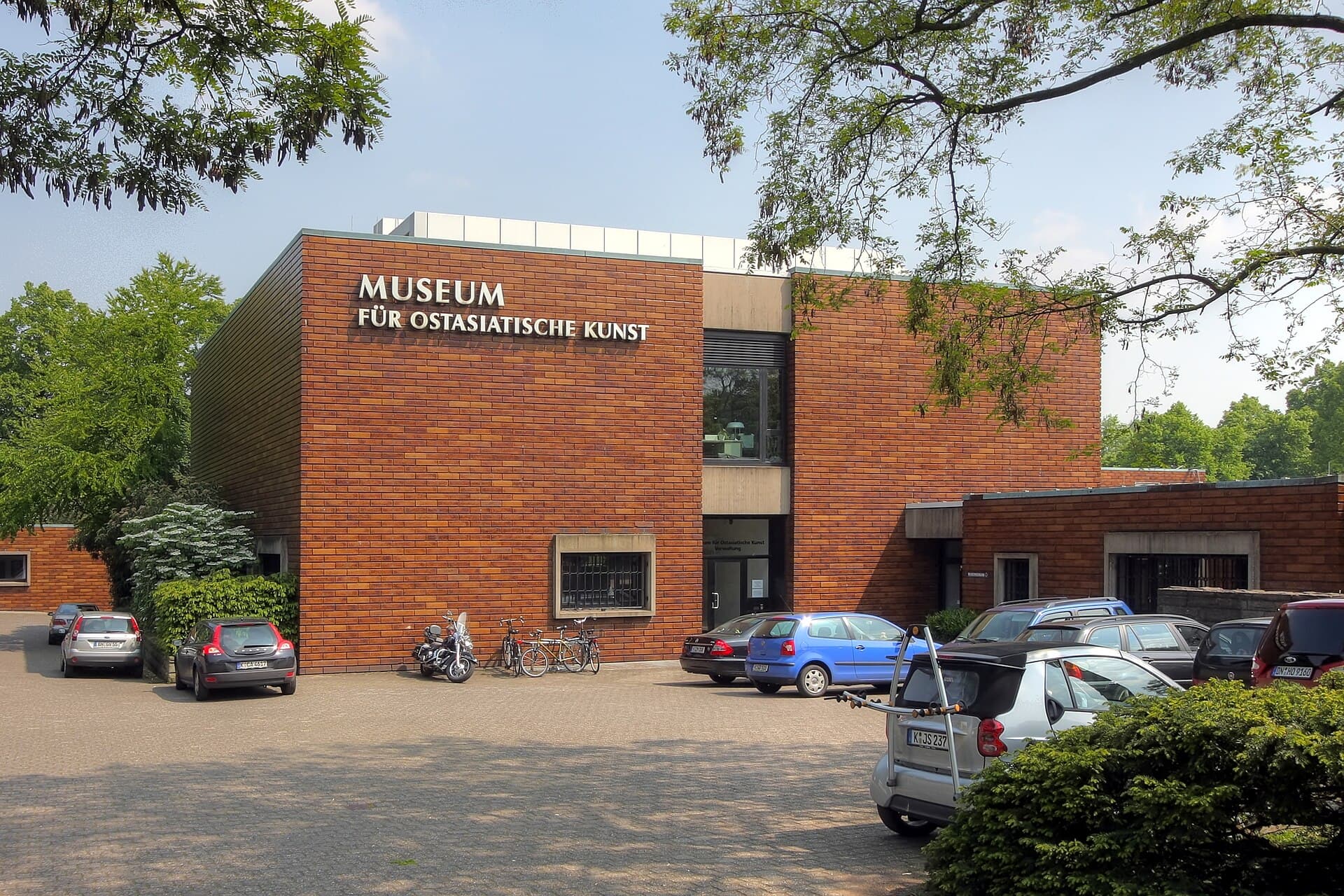 Museum of East Asian ArtThe first museum in Europe devoted to East Asian art alone. It was founded in ni4 minutes walk4.5
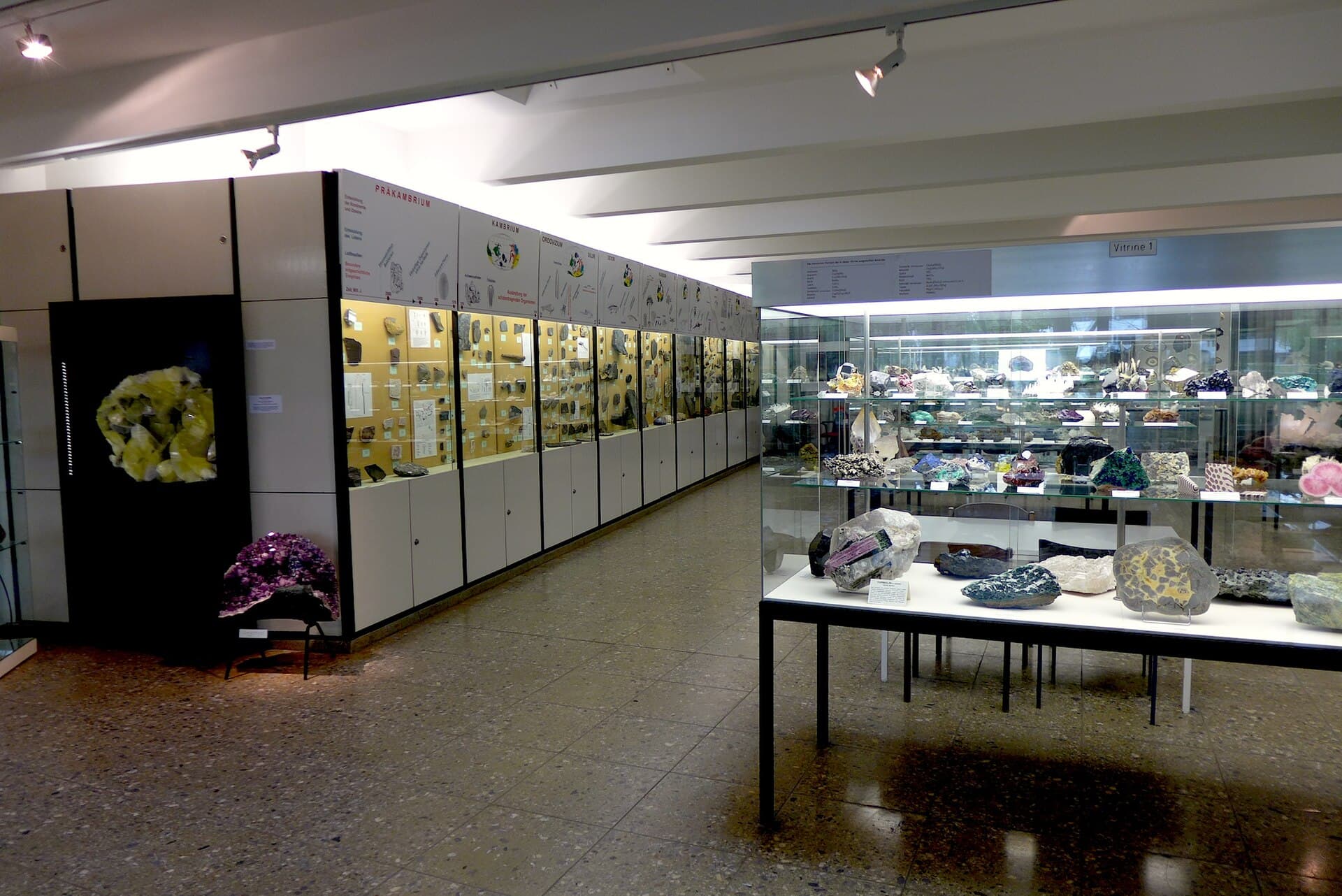 The University Geological MuseumA geological museum of the University of Cologne, showing minerals, rocks and fo10 minutes walk4.6
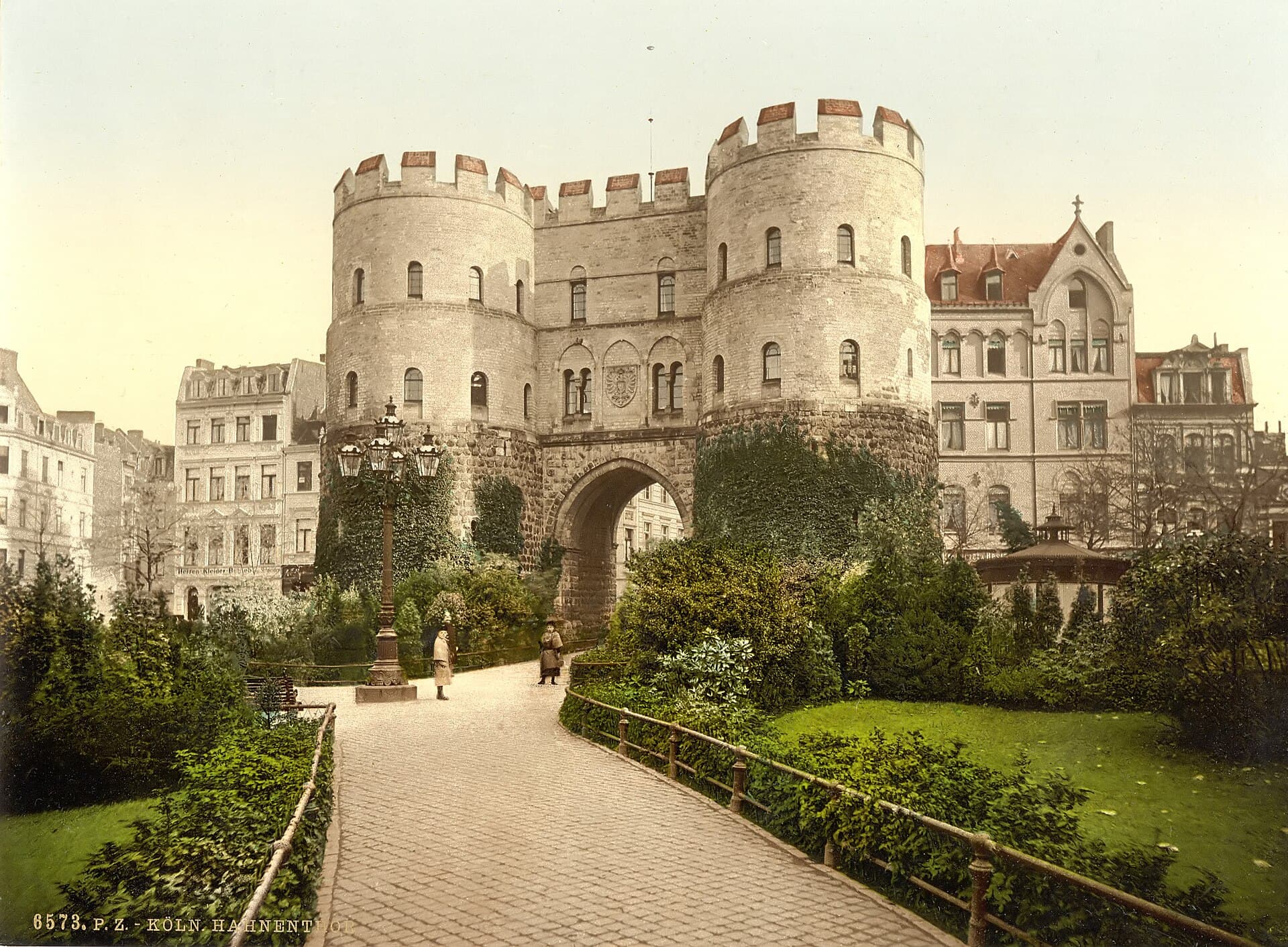 HahnentorburgThe Hahnentorburg is another of the four surviving gates of Cologne's wall, stan11 minutes walk4.6
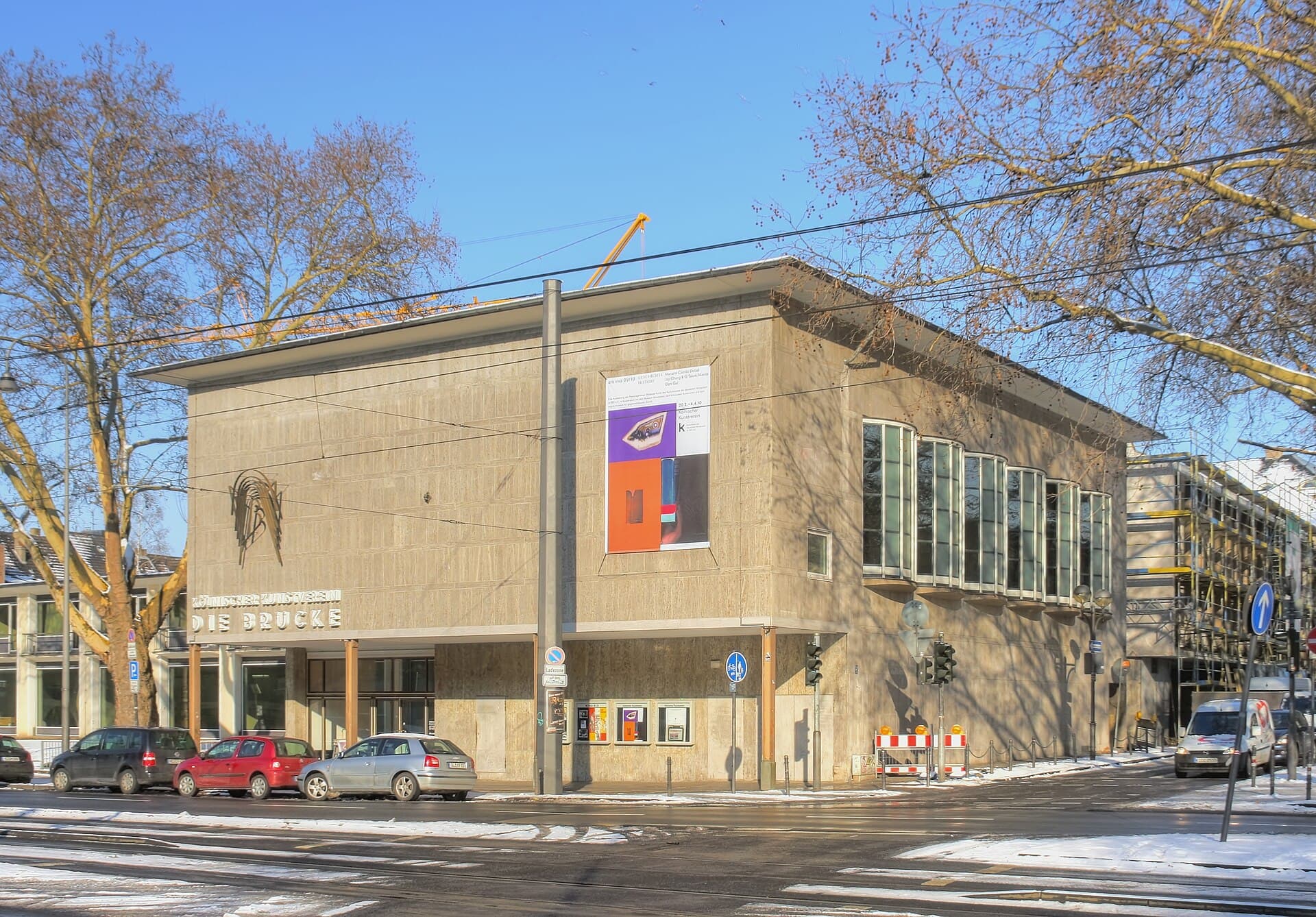 Kolnischer KunstvereinThe Kölnischer Kunstverein is among Germany's oldest contemporary art institutio14 minutes walk4.3
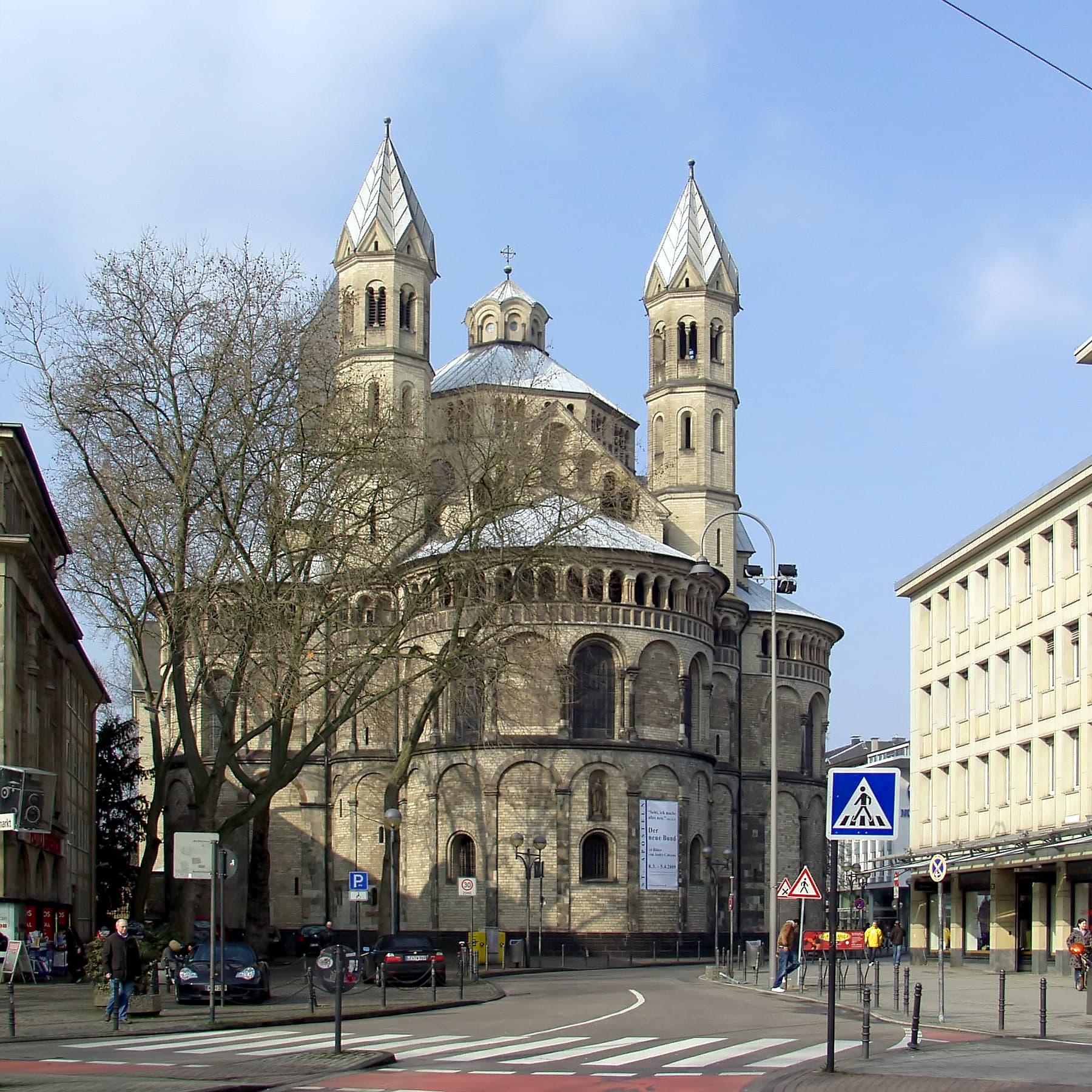 St Aposteln BasilicaSt Aposteln stands on the western edge of Neumarkt, Cologne's busiest shopping s15 minutes walk4.7
Because Cologne went through the experience of total destruction by aerial bombing — losing over ninety per cent of its centre and tens of thousands of residents. The German peace movement in recent decades has linked the memory of the bombing of Germany with the memory of the atomic bomb as a shared warning about war against civilians, and the naming came from that context rather than from any direct relationship between the cities.