
The Maekawa building
His only work in Europe, from 1977.
Raimond Spekking — CC BY-SA 4.0 · anonymous — CC0 · anonymous — CC0 · Gary Kirchenbauer (photographer) — CC0
The first museum in Europe devoted to East Asian art alone. It was founded in nineteen thirteen by the collector and diplomat Adolf Fischer and his wife Frieda, who gave it to the city on the condition that it stay independent rather than become a wing of something larger. The collection covers Buddhist sculpture, folding screens, silk painting, ceramics, lacquer and woodblock prints from China, Japan and Korea. The building is half the pleasure. The original home was destroyed in the war, and the present one opened in nineteen seventy-seven to a design by the Japanese architect Kunio Maekawa, a pupil of Le Corbusier and this his only building in Europe. It looks inward onto an artificial pond and a stone garden by the sculptor Masayuki Nagare, and the galleries are laid out to be read slowly and in low light. It stands in Lindenthal, west of the ring road beside the Aachener Weiher lake, which puts it off the usual tourist track. The result is that it stays quiet even in high season, a real advantage in a city whose central museums fill up. It opens from eleven until five and is closed on Mondays.
His only work in Europe, from 1977.
Designed by the sculptor Masayuki Nagare.
Universitaetsstrasse 100, 50674 Cologne
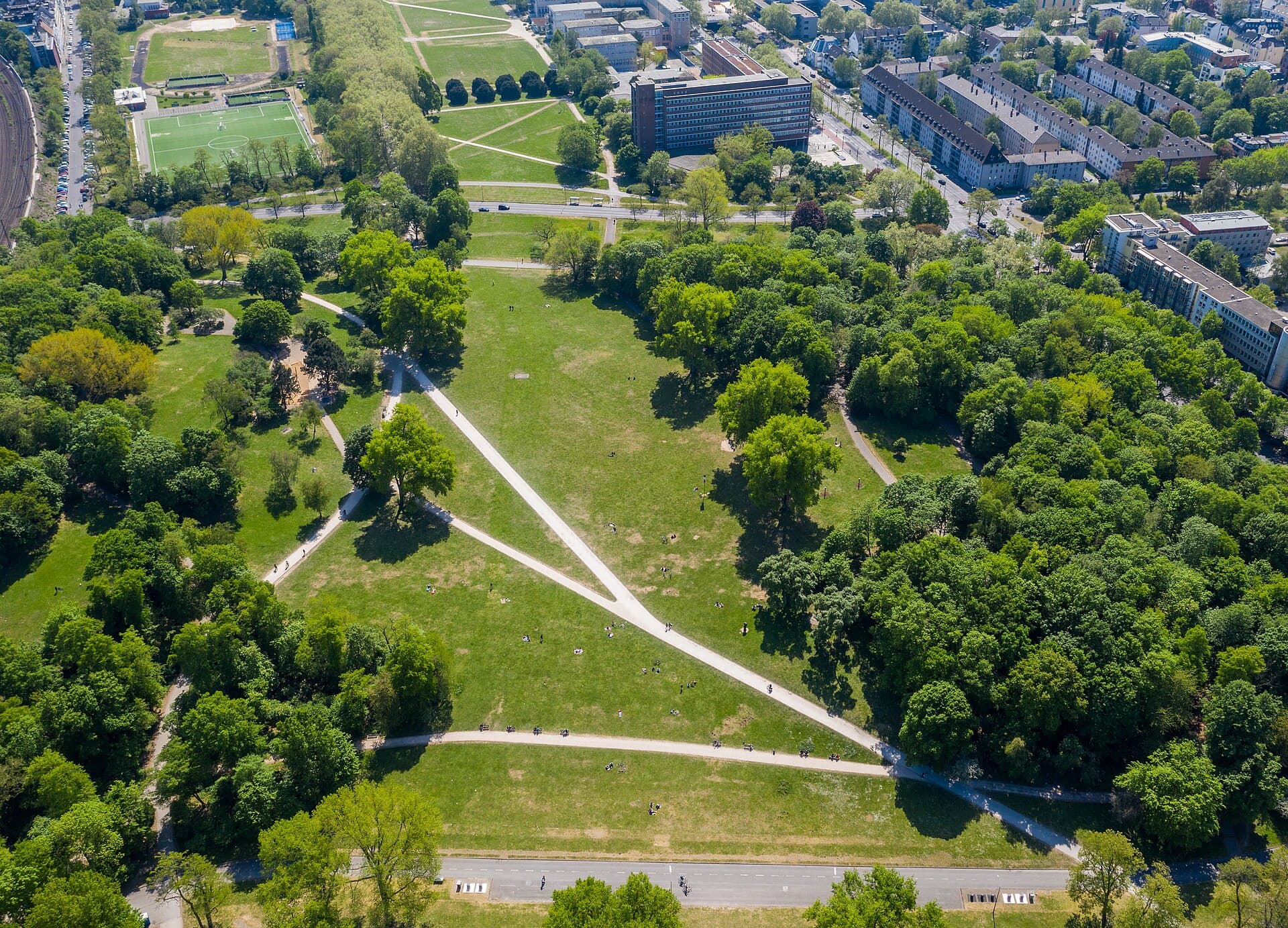 Hiroshima-Nagasaki ParkA small park in central Cologne named in 2004 for the two Japanese cities destro4 minutes walk4.6
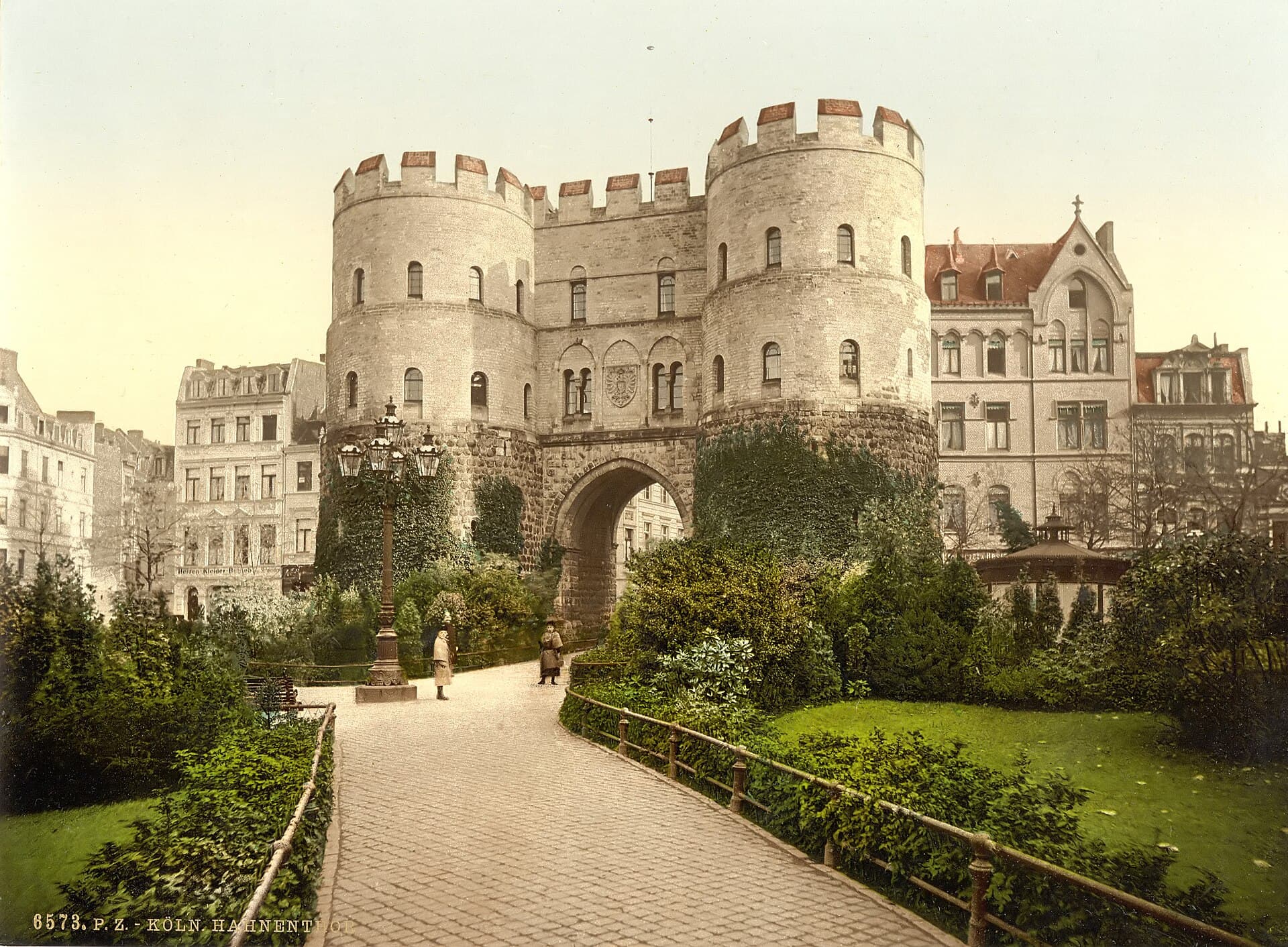 HahnentorburgThe Hahnentorburg is another of the four surviving gates of Cologne's wall, stan13 minutes walk4.6
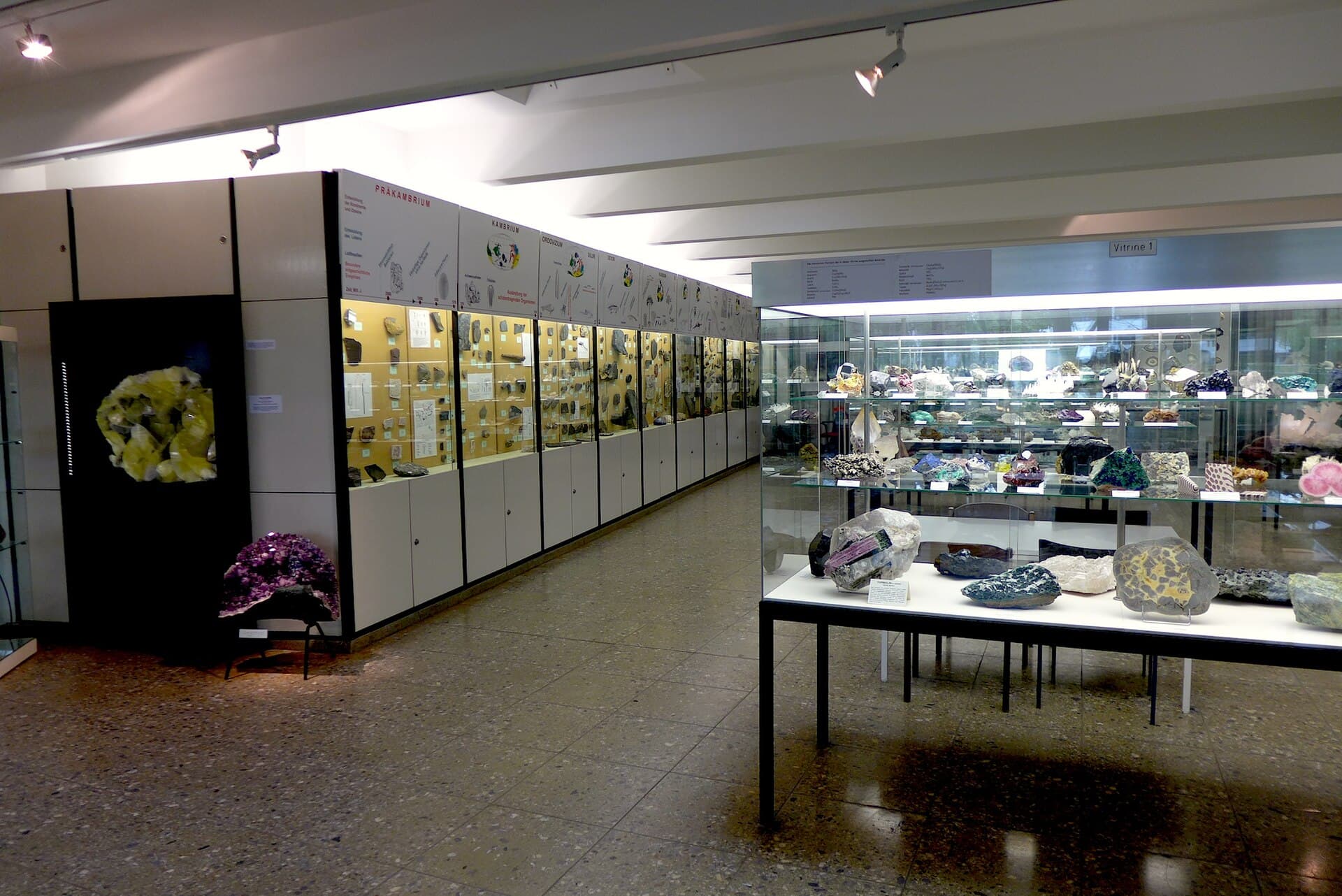 The University Geological MuseumA geological museum of the University of Cologne, showing minerals, rocks and fo14 minutes walk4.6
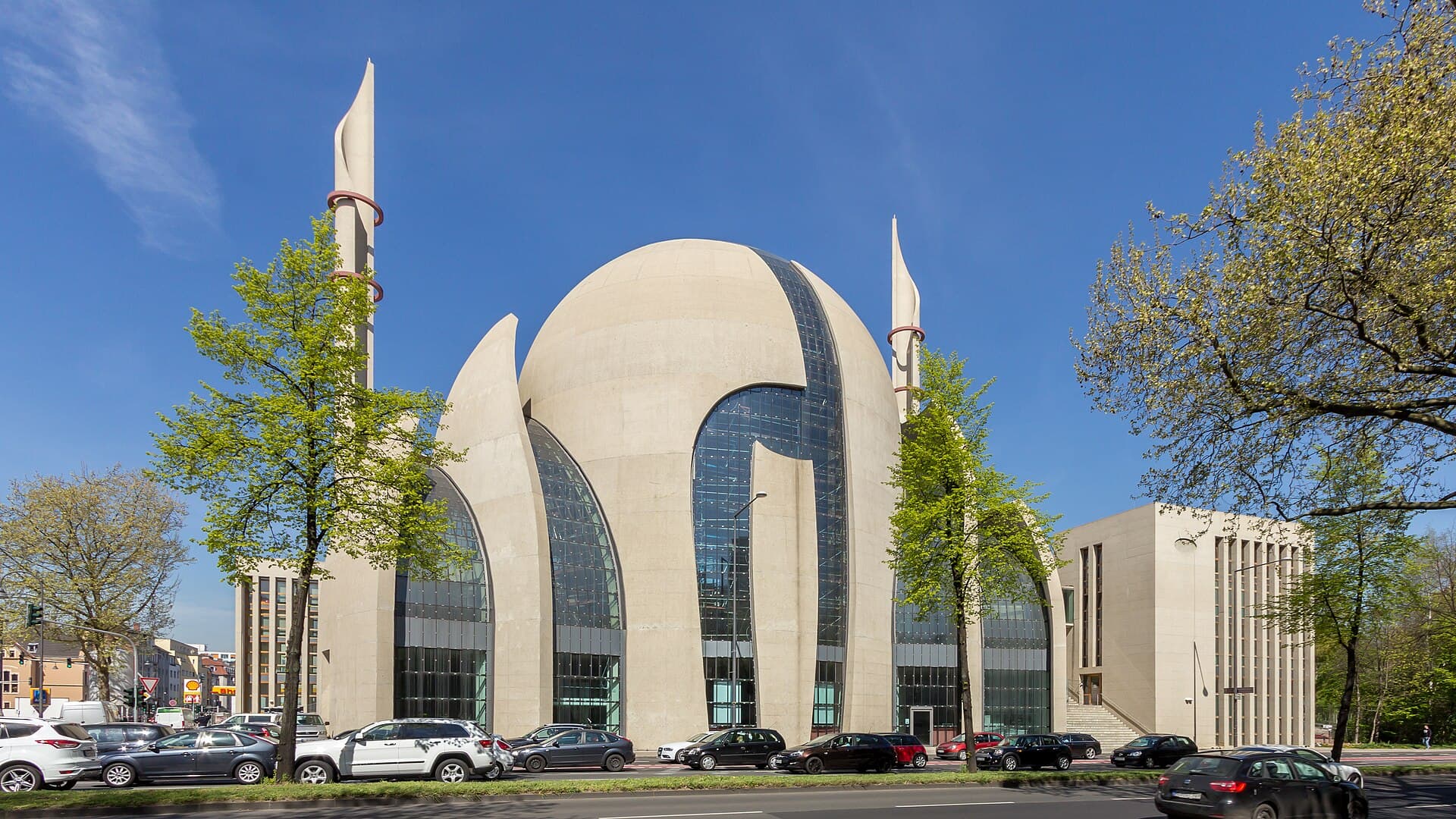 Cologne Central MosqueThe Cologne Central Mosque is among the largest and best-known mosques in Europe15 minutes walk4.7
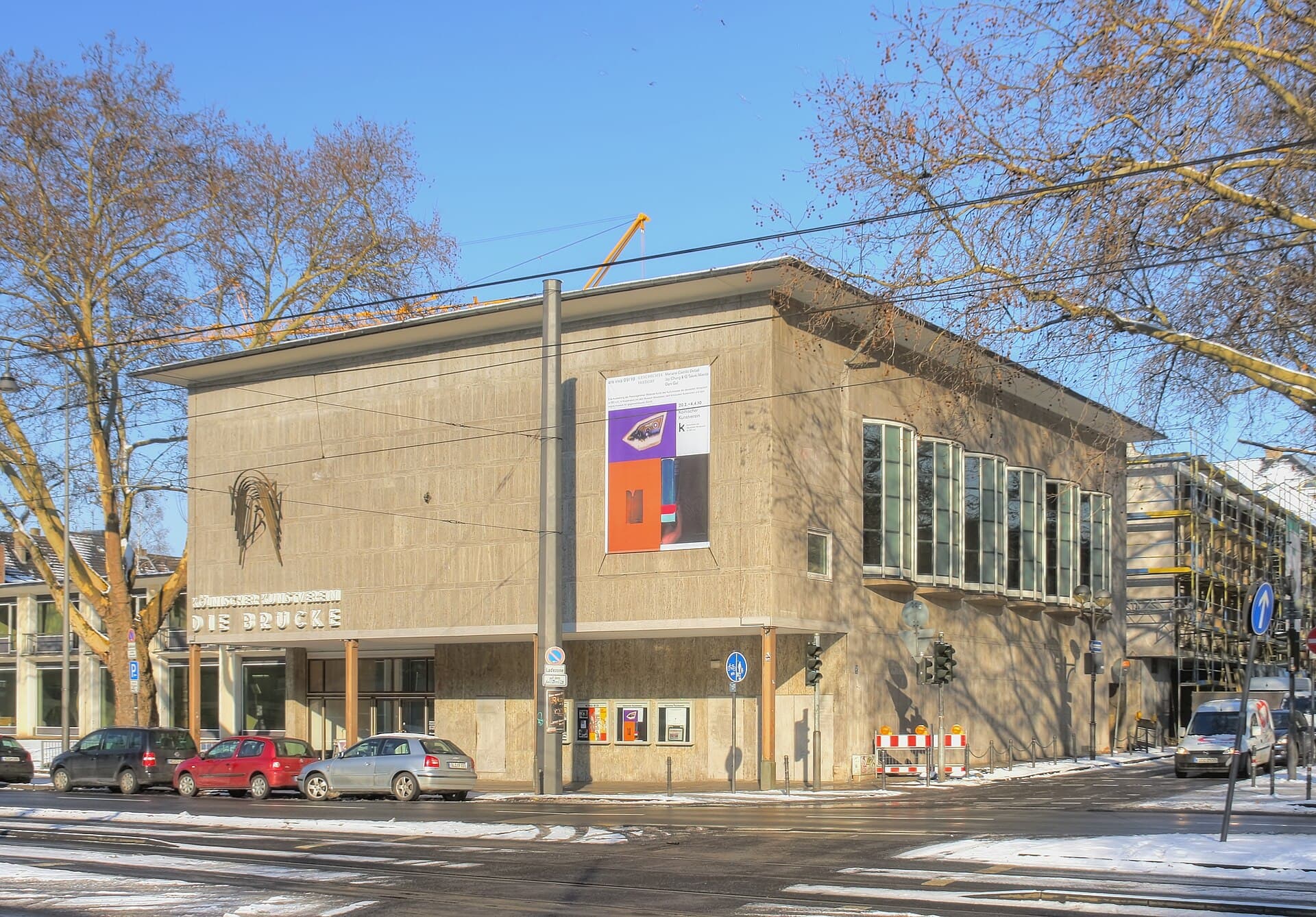 Kolnischer KunstvereinThe Kölnischer Kunstverein is among Germany's oldest contemporary art institutio16 minutes walk4.3
On a two-day trip, probably not; the central museums are closer and bigger. On a longer stay, or if East Asian art interests you at all, yes — the building is an exhibit rather than a container, and you will find near-empty rooms at hours when the rest of the city's museums are full. Combine it with a walk round the Aachener Weiher lake next door.