
Mines that removed villages
Opencast pits relocated whole villages — a live political issue.
Velopilger — CC BY-SA 4.0 · Velopilger — CC BY-SA 4.0 · Ra'ike (Wikipedia) — CC BY-SA 3.0 de · Ra'ike (Wikipedia) — CC BY-SA 3.0 de
A geological museum of the University of Cologne, showing minerals, rocks and fossils from the department's research collections. What distinguishes it locally is its connection to the Rhineland itself: the Rhenish basin is among Europe's richest areas for lignite, and its opencast mining shaped the landscape, economy and politics of this state for a century. Enormous opencast pits removed entire villages whose inhabitants were relocated, and it remains a live political issue in Germany today. Those mines also exposed an exceptional fossil record: the lignite seams formed from tropical forests around thirty million years ago, and what comes out of them includes precisely preserved plants and animals. Many exhibits in the region's museums came from the floor of those pits. The museum is small and academic, attached to a university department. Practical points: entry is normally free and hours are limited and follow the academic calendar — check before going. The site is on the university campus south of the centre.
Opencast pits relocated whole villages — a live political issue.
The coal seams preserved plants and animals in exceptional detail.
Academic and small — a research collection, not a visitor attraction.
University of Cologne campus
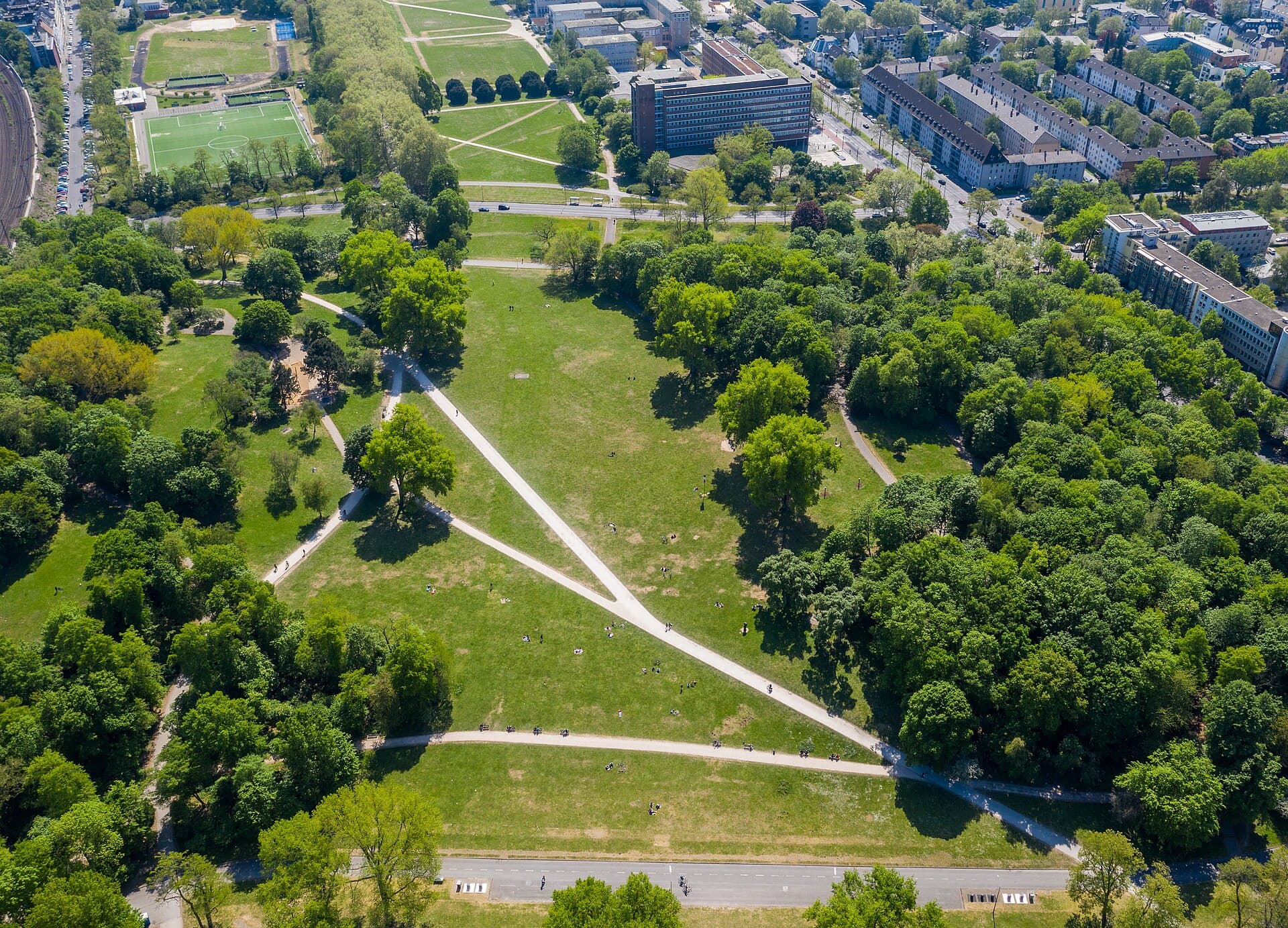 Hiroshima-Nagasaki ParkA small park in central Cologne named in 2004 for the two Japanese cities destro10 minutes walk4.6
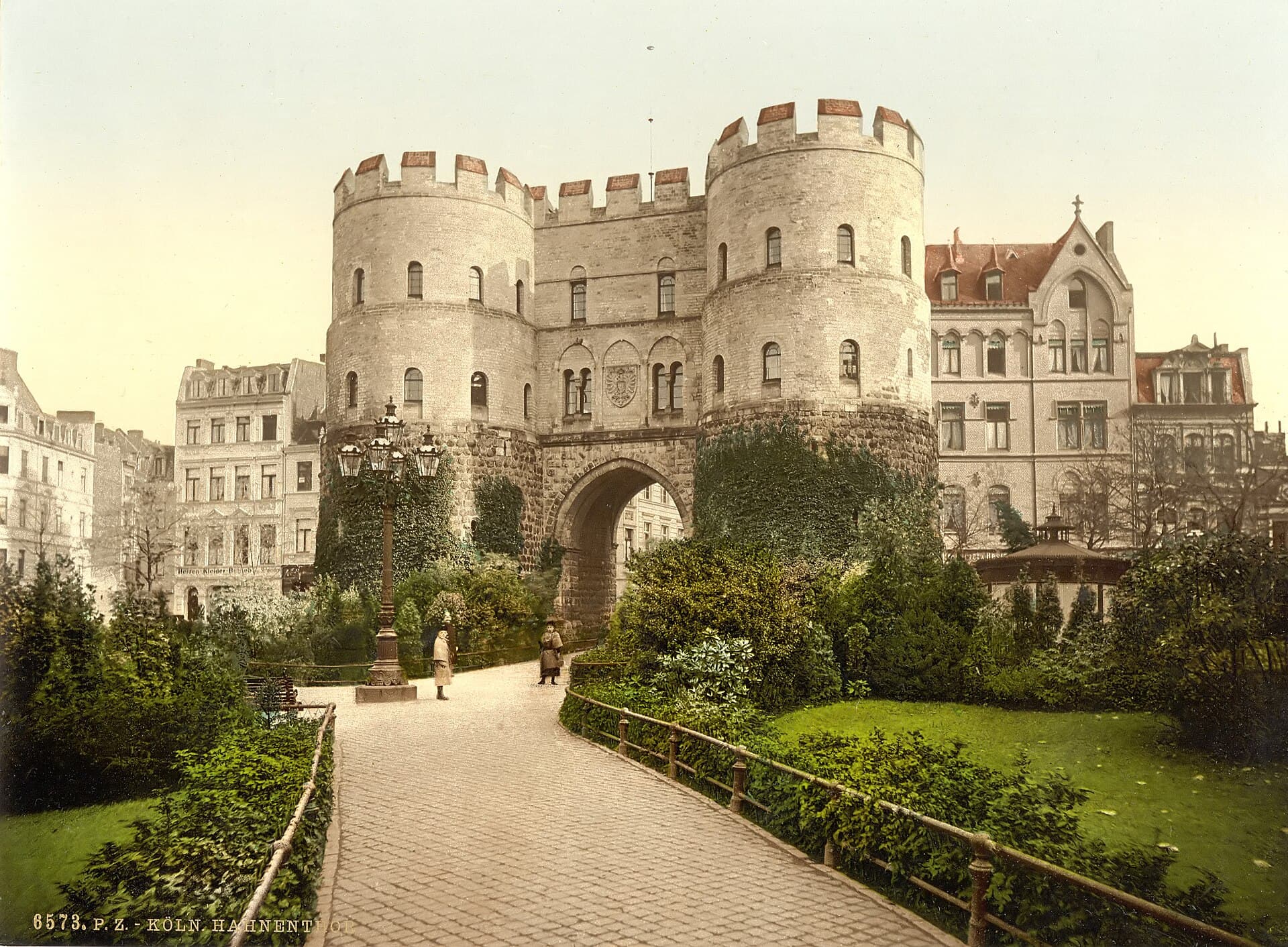 HahnentorburgThe Hahnentorburg is another of the four surviving gates of Cologne's wall, stan14 minutes walk4.6
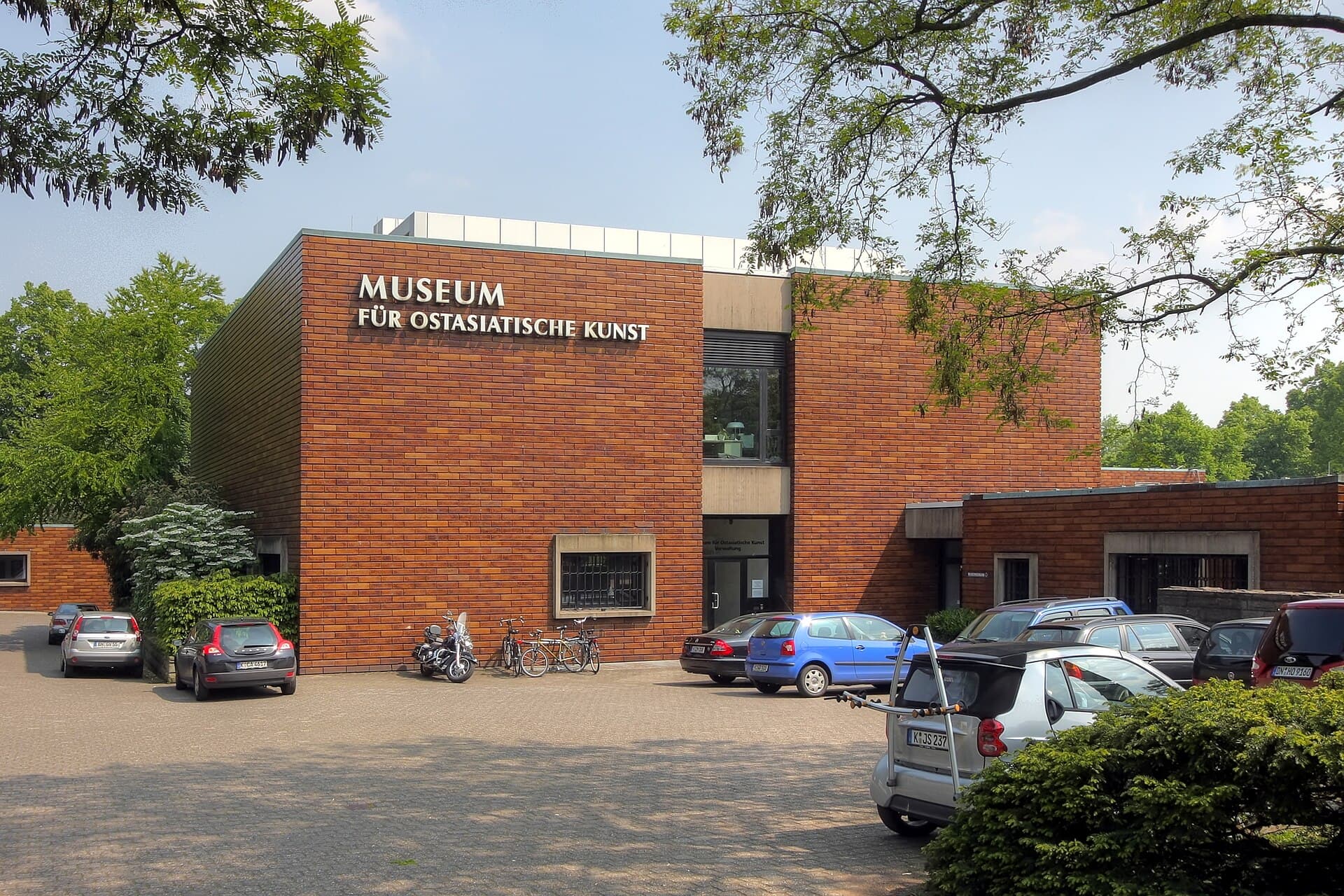 Museum of East Asian ArtThe first museum in Europe devoted to East Asian art alone. It was founded in ni14 minutes walk4.5
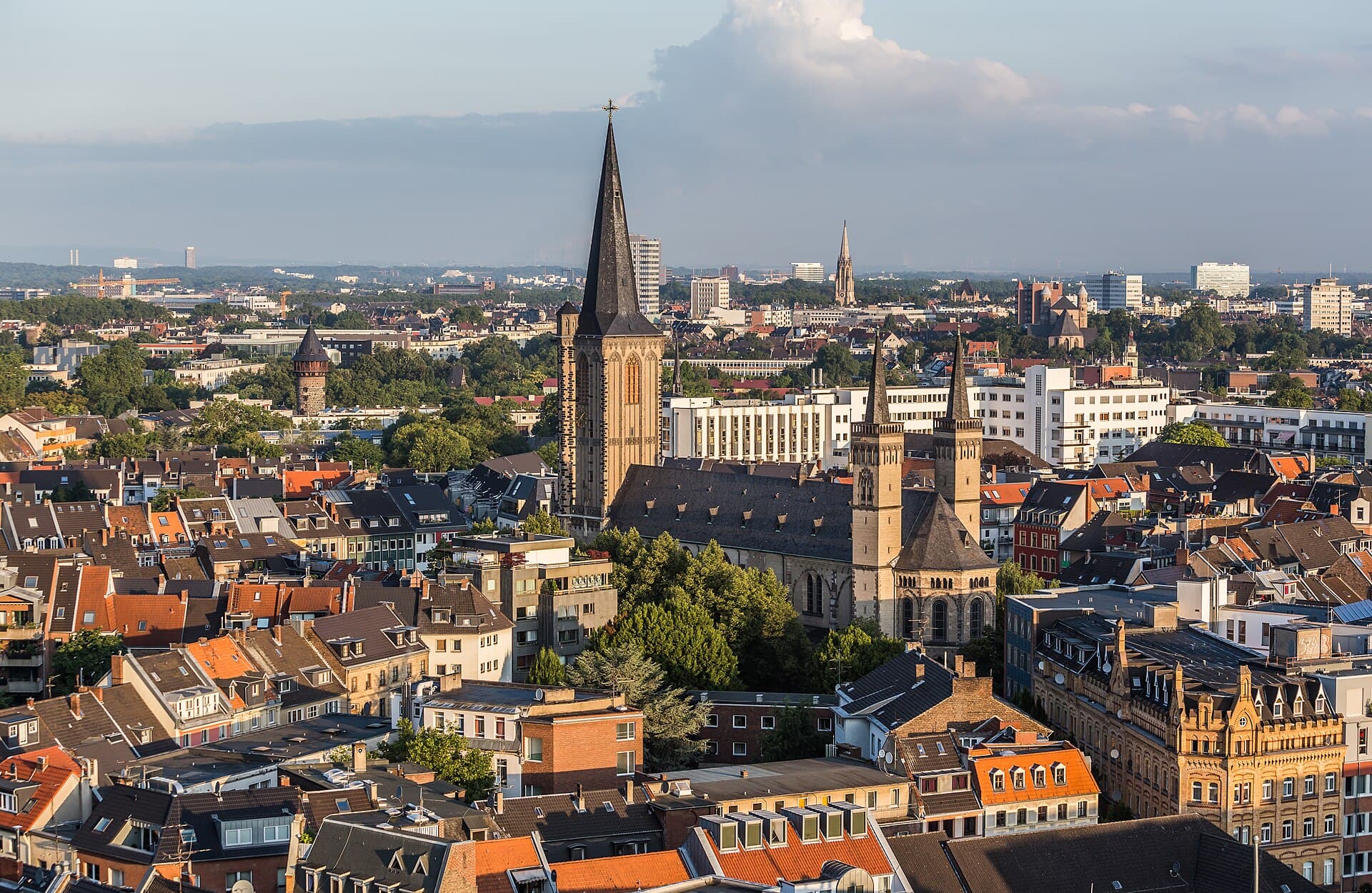 UlrepforteThe Ulrepforte is a thirteenth-century stone gate, a surviving piece of Cologne'14 minutes walk4.6
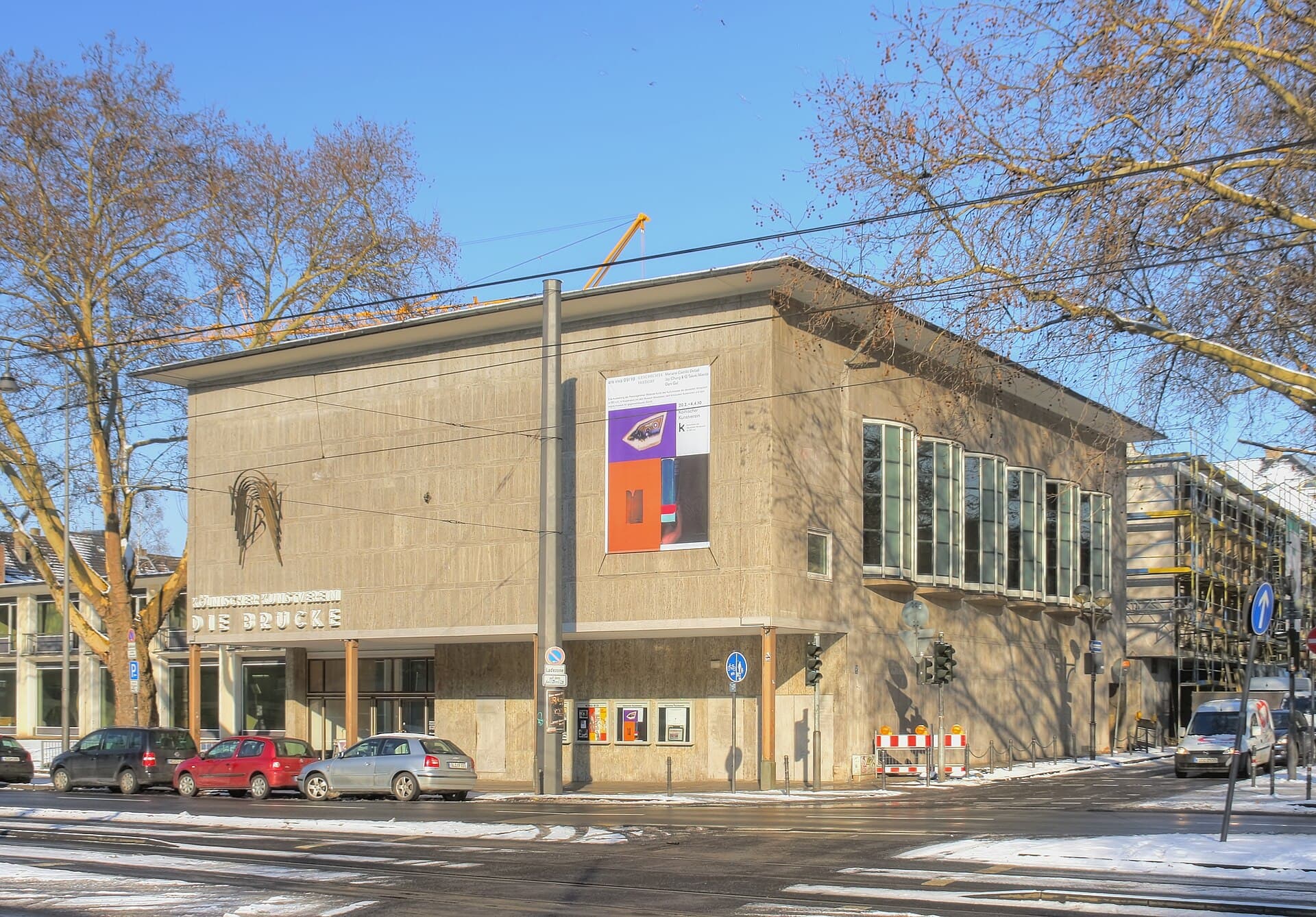 Kolnischer KunstvereinThe Kölnischer Kunstverein is among Germany's oldest contemporary art institutio15 minutes walk4.3
Opencast mining in the Rhineland and Lusatia extracts coal by stripping away the ground above it, which has required demolishing villages and relocating their inhabitants — dozens of villages since the 1950s. As Germany moves away from coal, every new expansion has drawn wide protest; the village of Lützerath became a symbol of this in 2023. The argument combines climate, energy security and people's right to their own places.
For anyone interested in geology or fossils, yes, and entry is free. But it is a small university museum with limited hours, not a competitor to Cologne's major museums. Check the hours first — travelling to the campus to find a closed door wastes the trip.