
The Giants' Hall
Maria Theresa's rococo under Austria's heaviest chandeliers.
VitVit — CC BY-SA 4.0 · Andrew Bossi — CC BY-SA 2.5 · FOTO:Fortepan — ID 93520: Adományozó/Donor: LHM. archive copy at the Wayback Machine — CC BY-SA 3.0 · Nicht bekannt — CC BY-SA 4.0
Innsbruck's Hofburg is Austria's third imperial palace after Vienna's Schönbrunn and Hofburg: Maximilian's Gothic seat remade in full Viennese rococo by Maria Theresa (1750s) — its colossal Giants' Hall frescoed with the complete Habsburg line under some of Austria's heaviest chandeliers. The route runs state rooms and imperial apartments in their furniture — and the palace's founding tragedy: here Maria Theresa's husband Franz I died suddenly during their son's wedding, his death room turned chapel, his memory made a cult. It is the imperial trio's smallest and quickest — a full hour — its value the position: the garden door faces the Hofkirche, the Golden Roof steps away, the civic trio walked in one morning.
Maria Theresa's rococo under Austria's heaviest chandeliers.
Franz's sudden wedding-night death — the room made chapel.
Rennweg 1, 6020 Innsbruck
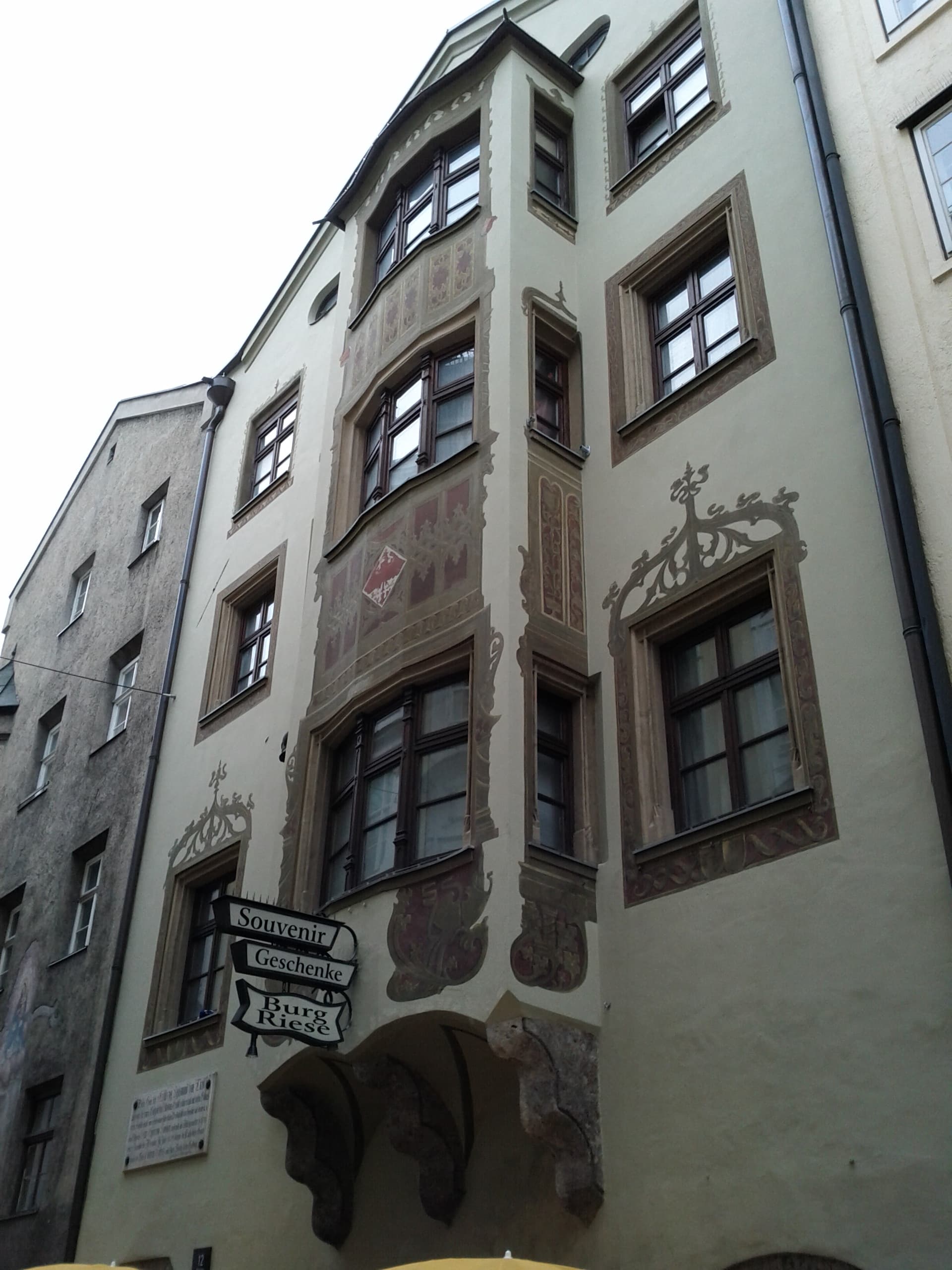 The BurgriesenhausA historic house on the Hofgasse in the old town, between the Golden Roof and th1 minute walk3.1
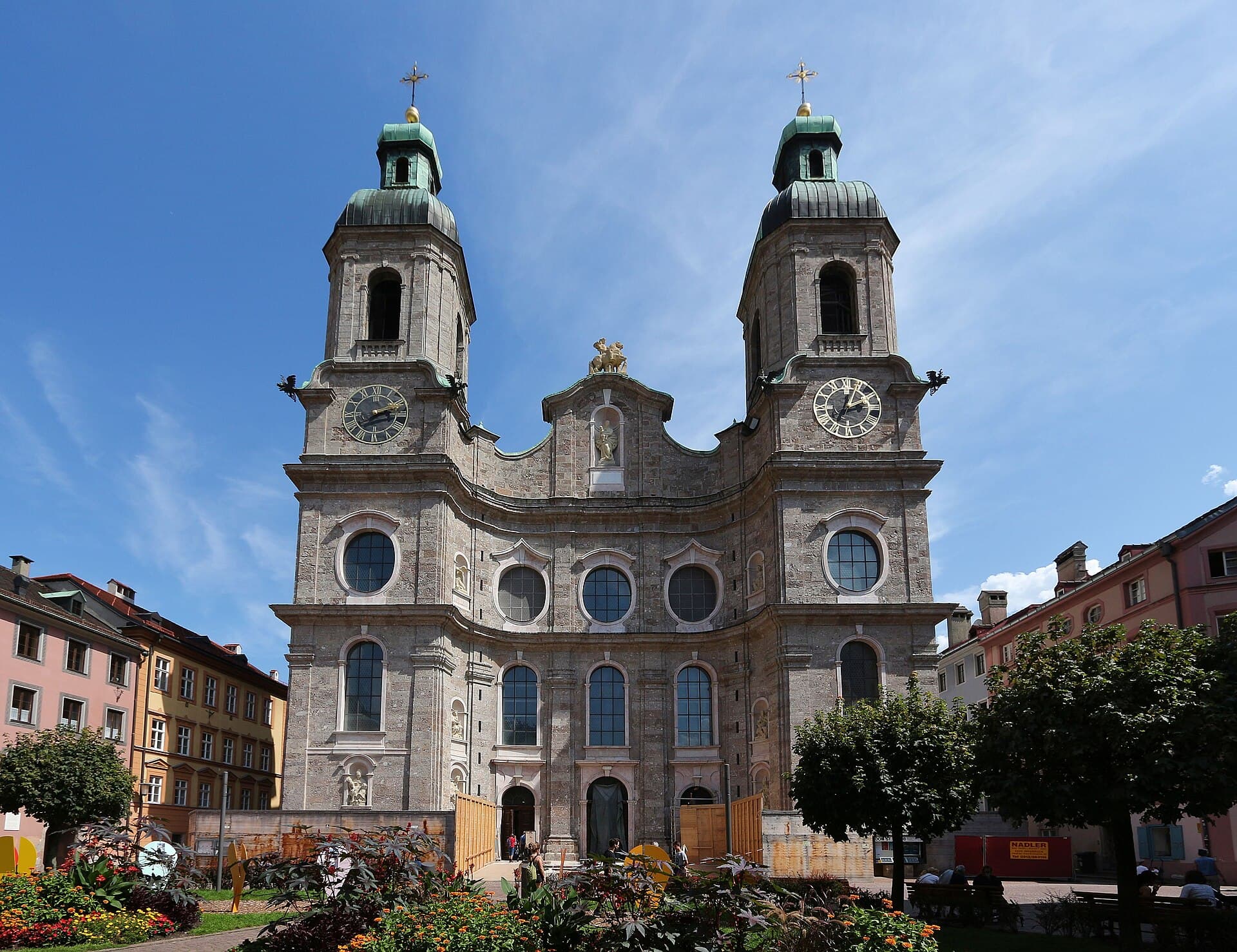 St. James's CathedralInnsbruck's Dom is complete Tyrolean baroque behind a quiet twin-towered face: a1 minute walk4.7
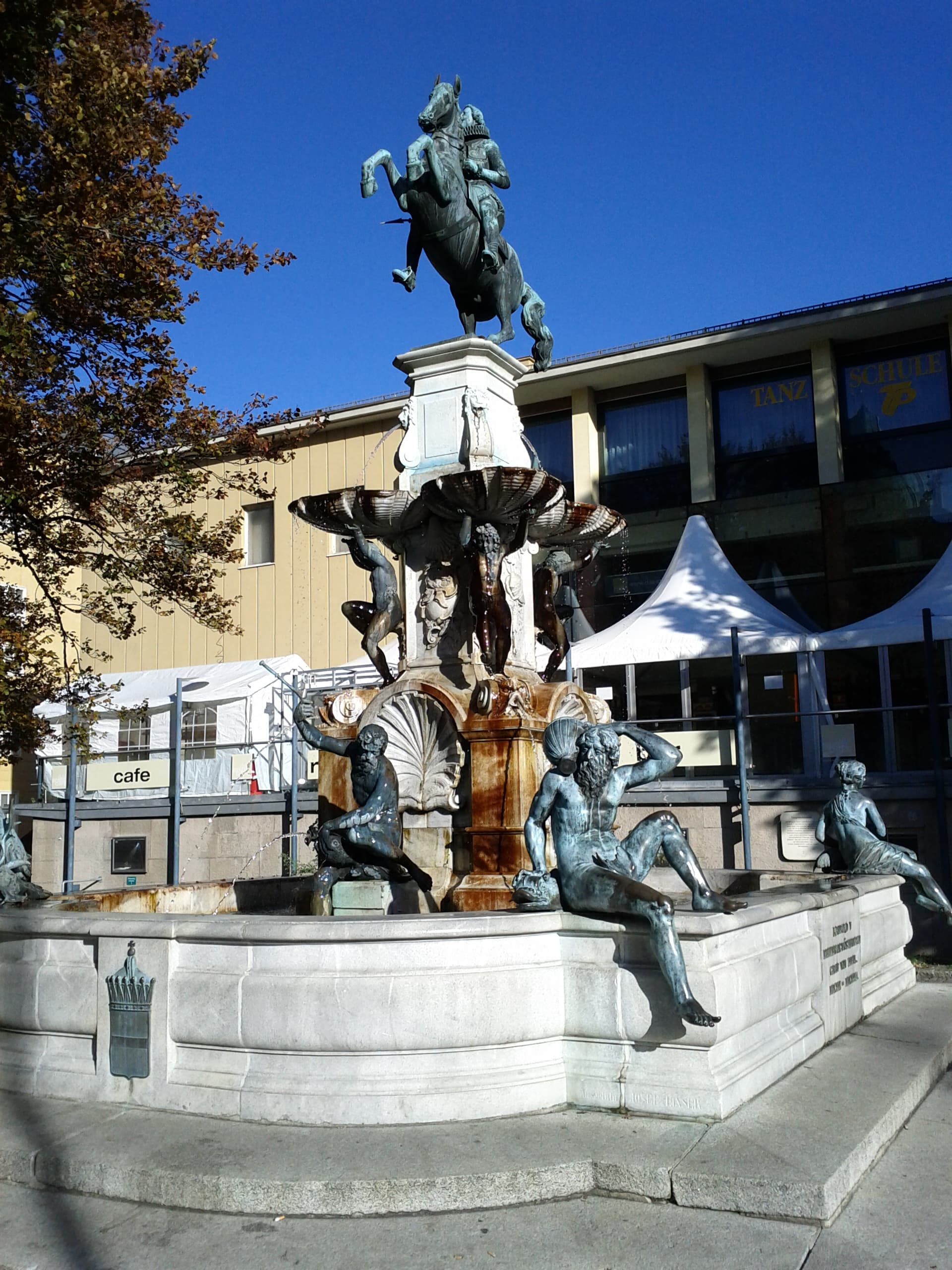 The Leopold FountainThe Leopold Fountain stands on Rennweg between the Hofburg palace and the state 1 minute walk4.7
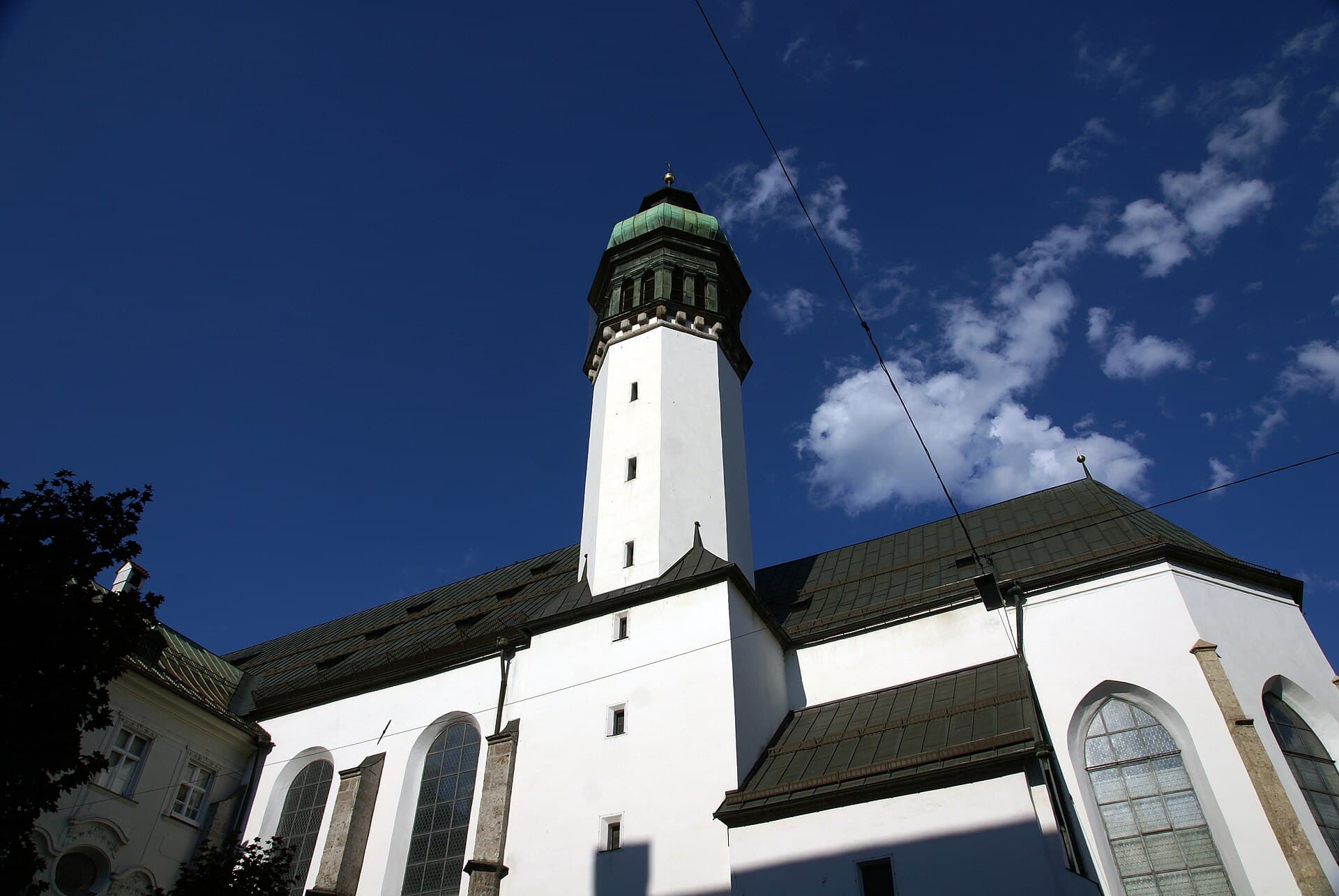 The Hofkirche & Black KnightsThe Hofkirche guards Europe's strangest empty tomb: Maximilian I's marble cenota1 minute walk4.7
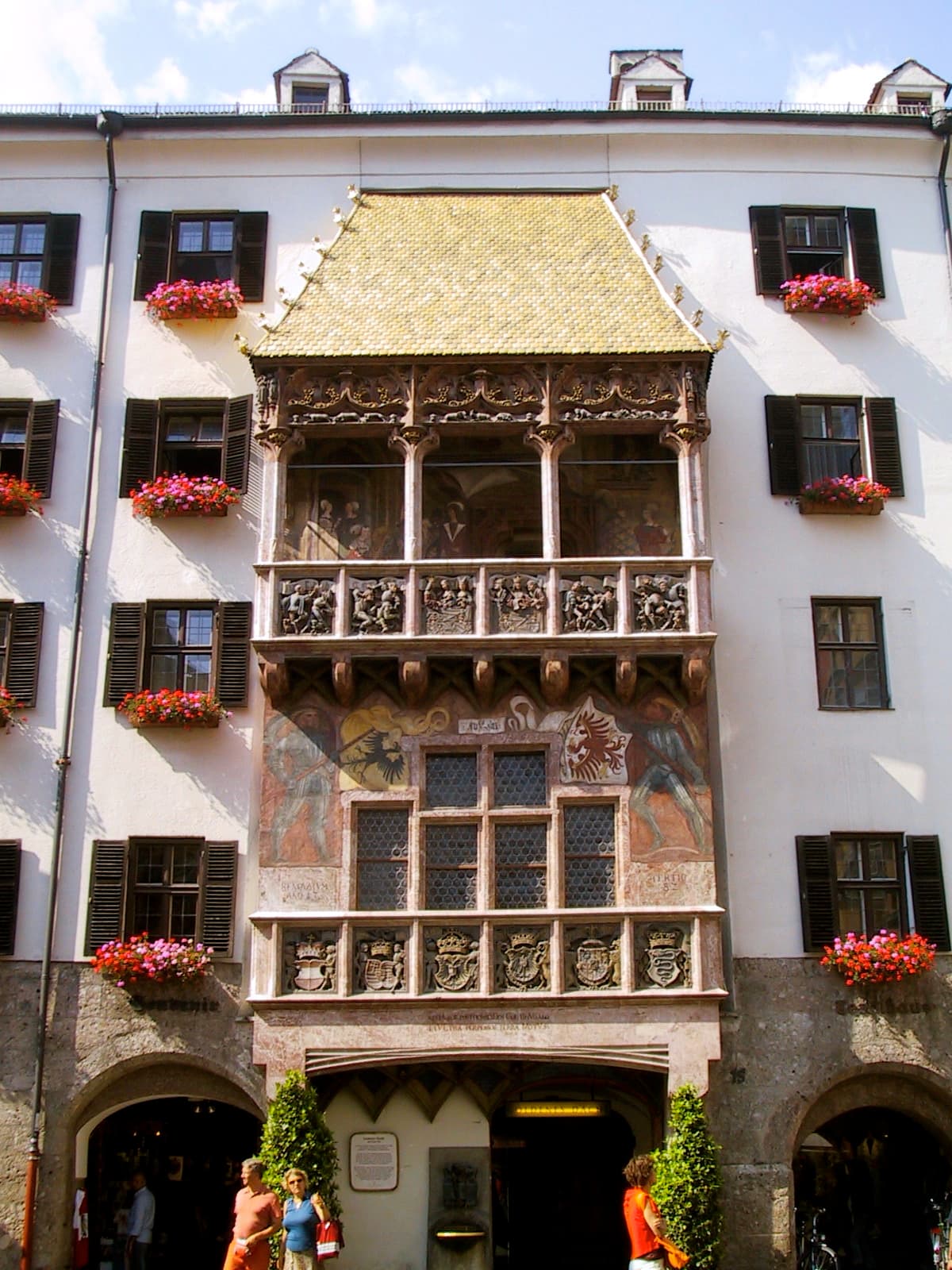 The Golden Roof & Old TownThe Golden Roof is Innsbruck's absolute symbol: a balcony of 2,657 gilded copper1 minute walk4.5
Miniaturised, yes — but western Austria's rococo and its founding tragedy are its own, and its hour falls naturally on the old-town route. For those yet to see Vienna: the elegant prelude.