
The balanced cast
A rare 17th-century engineering feat.
Leitzsche — CC0 · Infrogmation of New Orleans — CC BY-SA 4.0 · Dani IBK Kofler — CC BY-SA 3.0 at · Simon Legner (User:simon04) — CC BY-SA 4.0
The Leopold Fountain stands on Rennweg between the Hofburg palace and the state theatre, centred on a bronze equestrian statue of Archduke Leopold V, ruler of Tyrol, cast by the sculptor Caspar Gras in 1630. Its artistic value lies in a technical detail: the horse rears on its hind legs alone, with no support beneath the body. Casting a bronze of that size balanced on two points was a rare engineering achievement at the time, and this is among the earliest examples north of the Alps — preceding better-known European works by decades. Around the base are smaller bronzes of mythological sea creatures and figures, added and rearranged over the centuries, so the group is not all of one date. The fountain is free and in the open air, and lies on the natural walking route between the old town and the Hofgarten.
A rare 17th-century engineering feat.
Mythological bronzes added over centuries.
Rennweg, in front of the state theatre, 6020 Innsbruck
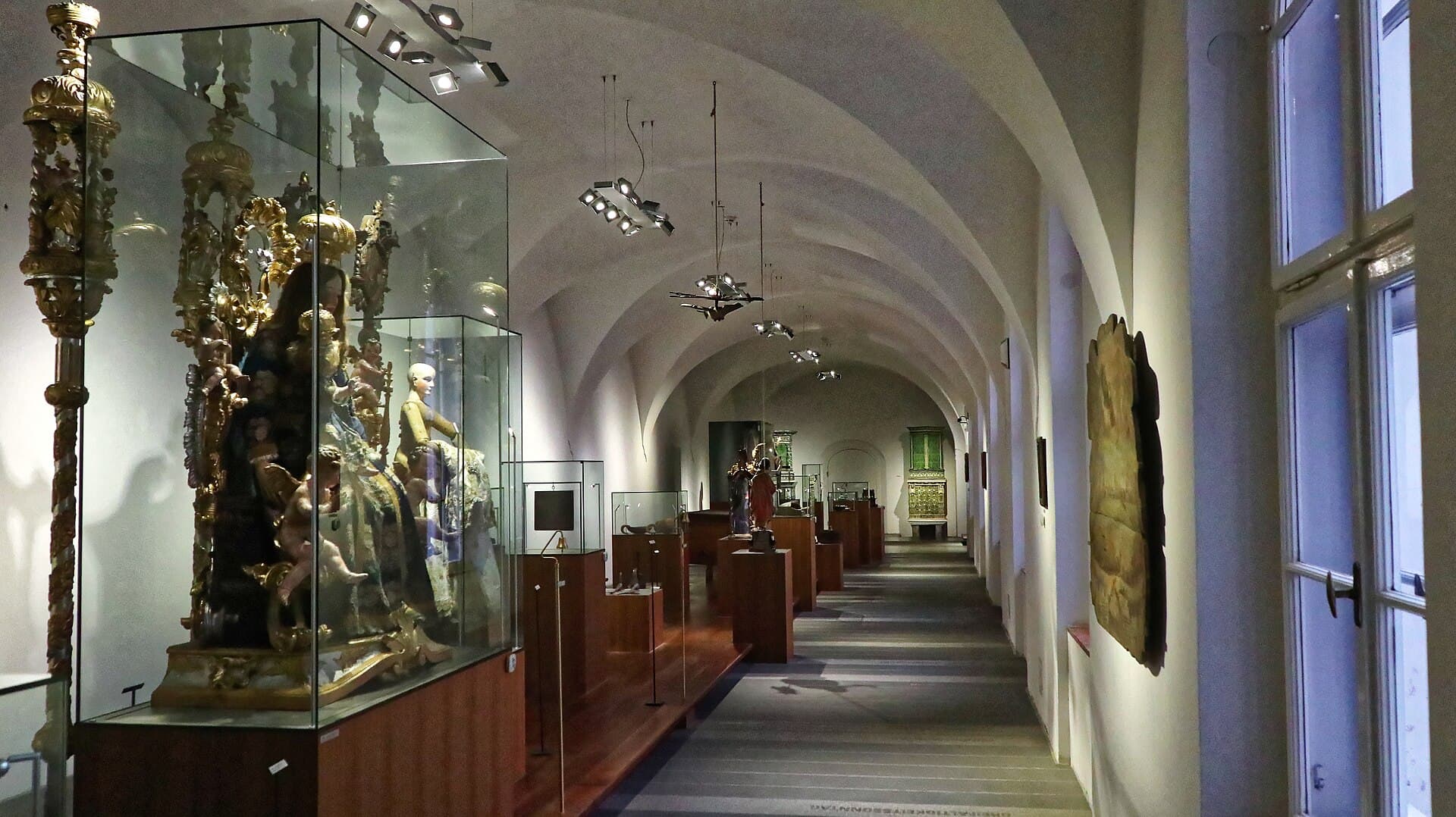 The Tyrolean Folk Art MuseumThe Tyrolean Folk Art Museum occupies the former Franciscan monastery adjoining 1 minute walk4.5
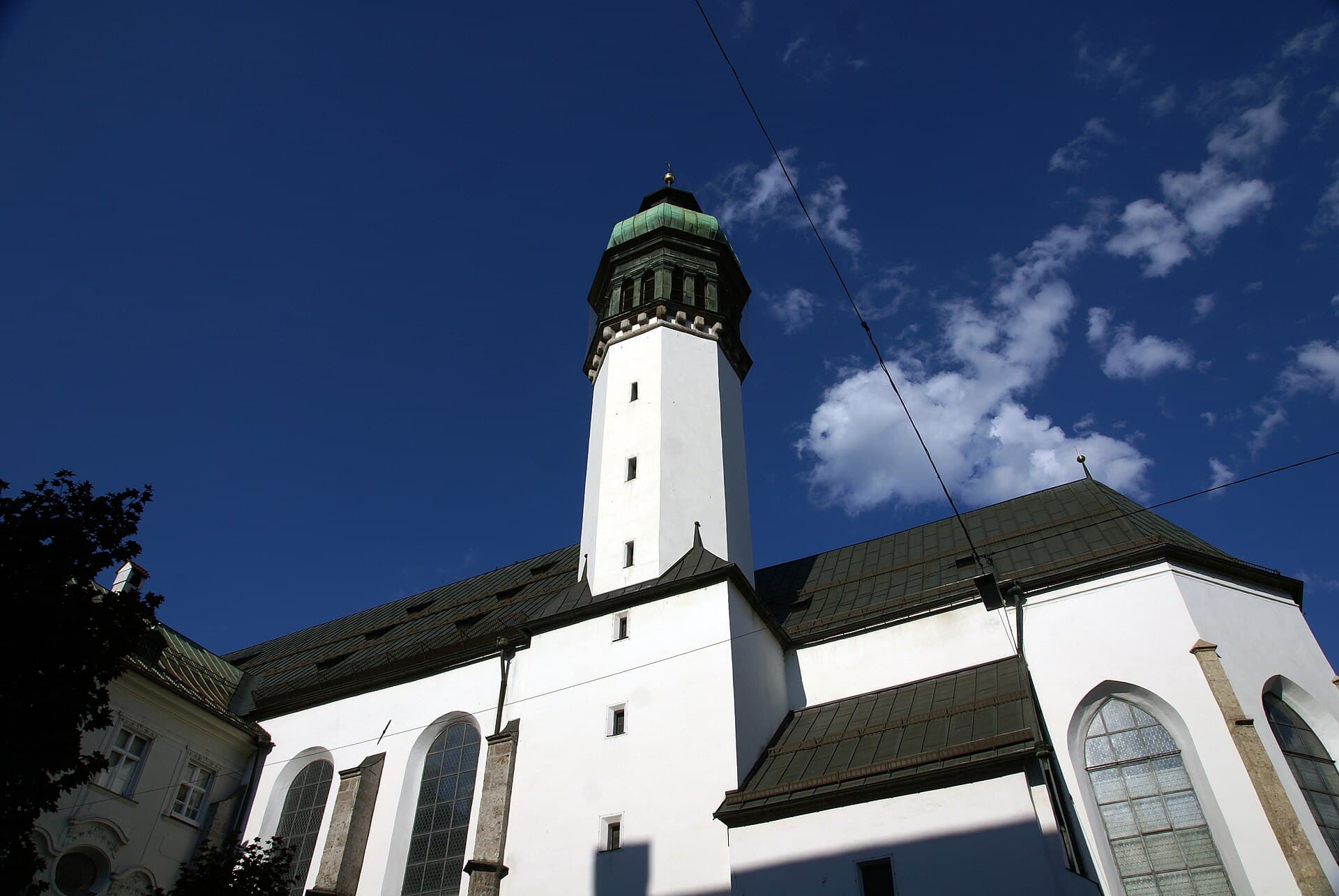 The Hofkirche & Black KnightsThe Hofkirche guards Europe's strangest empty tomb: Maximilian I's marble cenota1 minute walk4.7
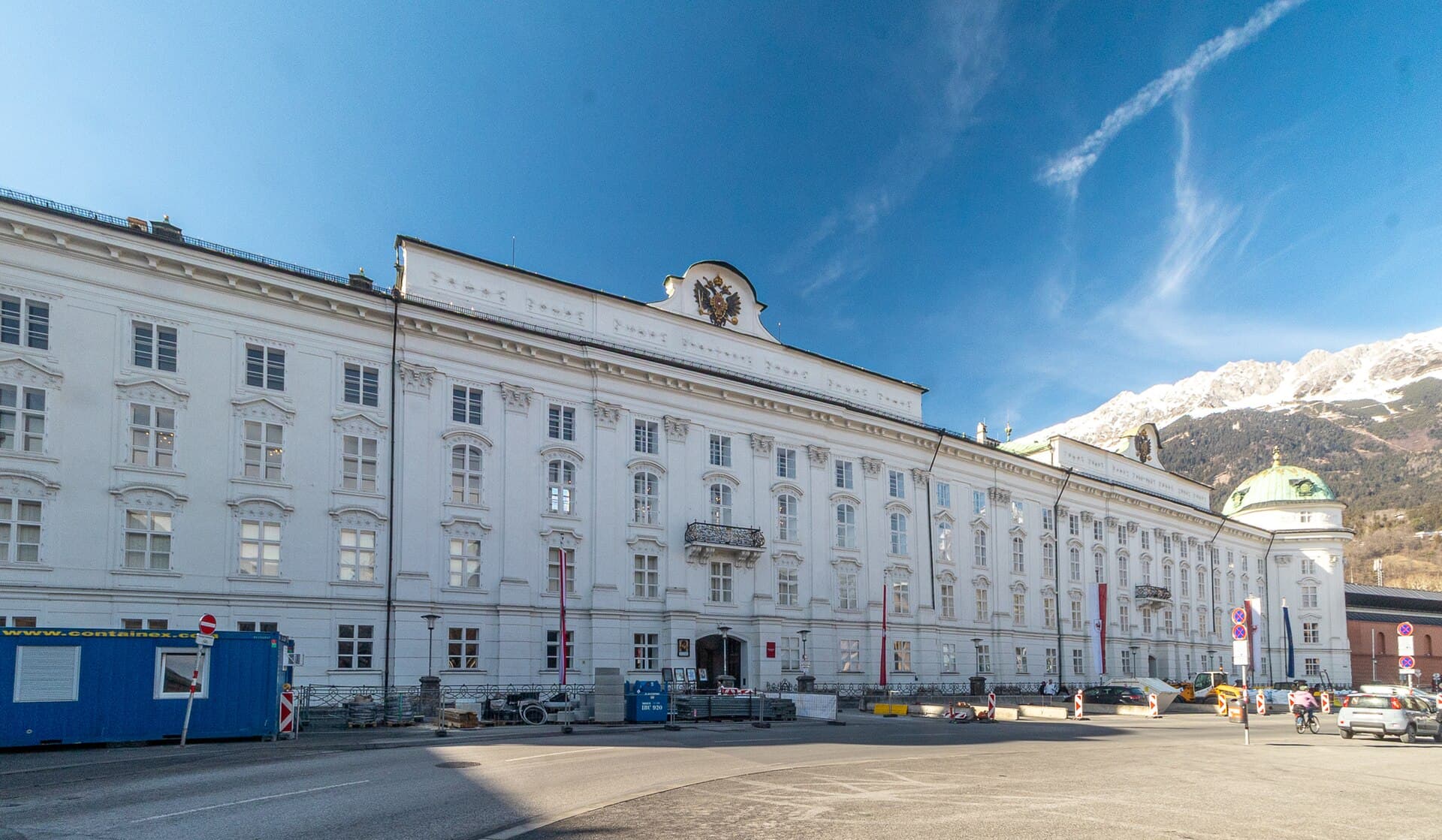 The Imperial HofburgInnsbruck's Hofburg is Austria's third imperial palace after Vienna's Schönbrunn1 minute walk4.3
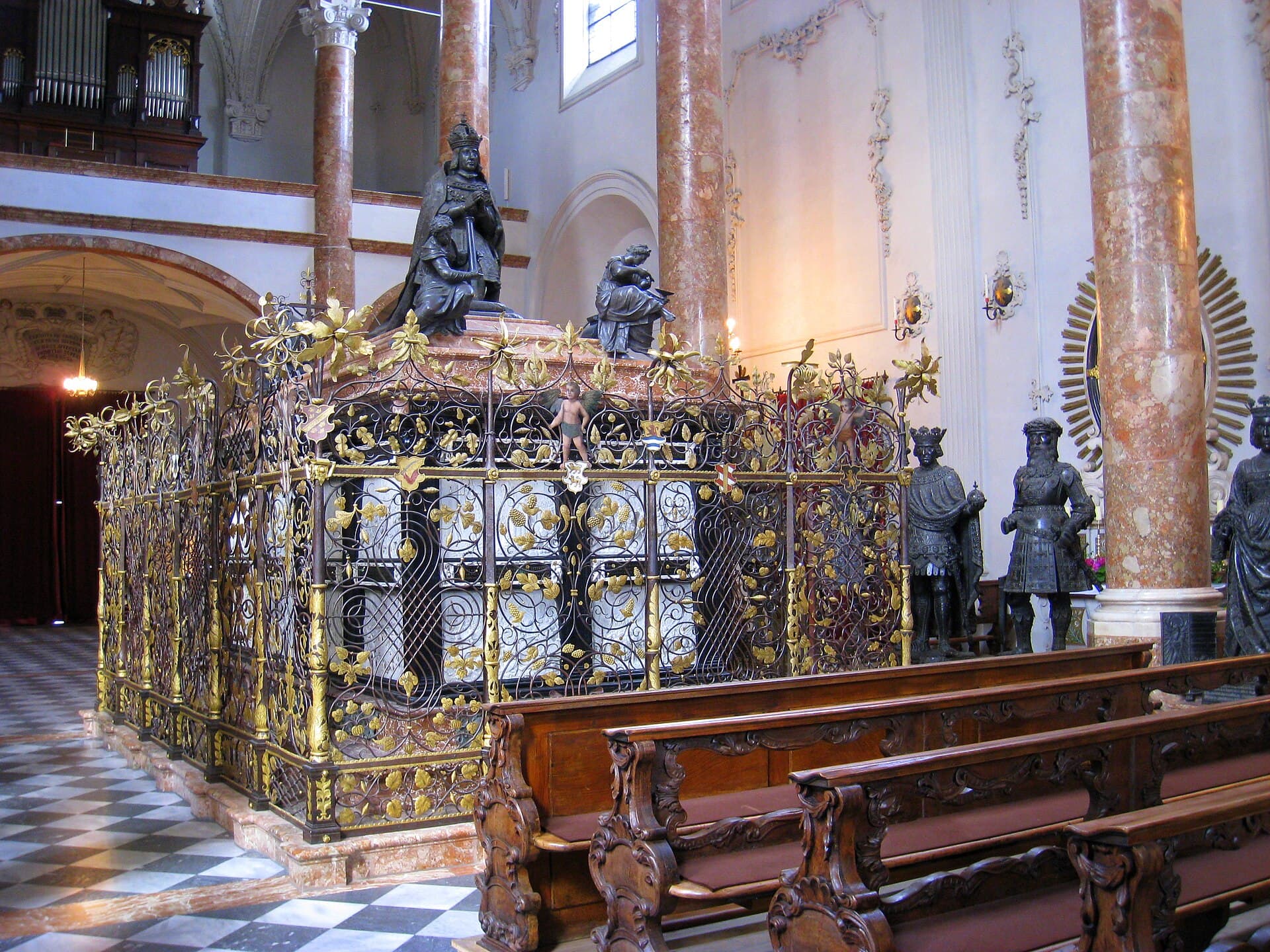 Cenotaph of Emperor Maximilian IA symbolic tomb for Emperor Maximilian I inside Innsbruck's court church, among 1 minute walk4.8
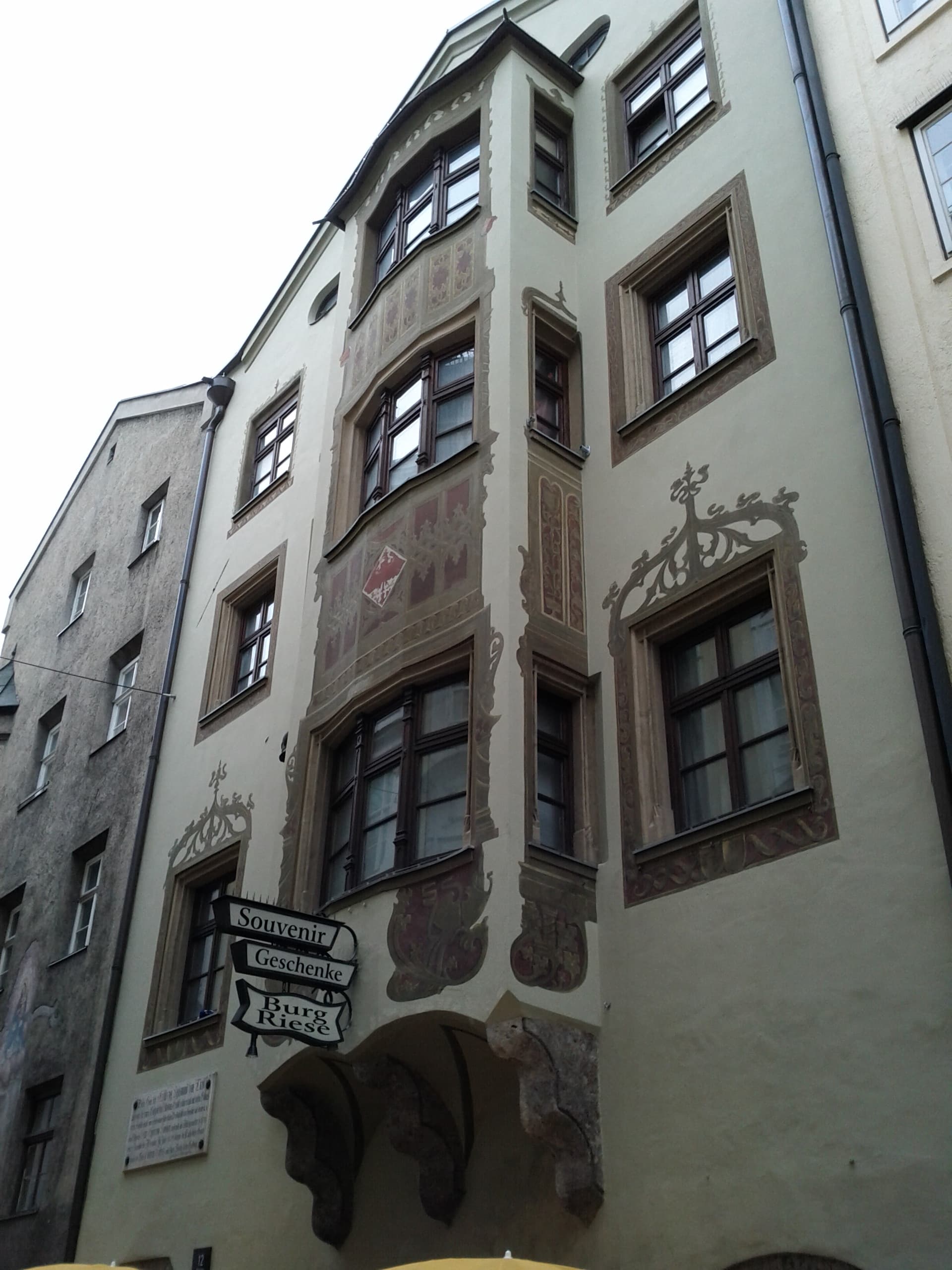 The BurgriesenhausA historic house on the Hofgasse in the old town, between the Golden Roof and th1 minute walk3.1
Because the entire bronze mass — head, body, rider and armour — must rest on two points of contact, which makes it a question of weight distribution and precise wall thickness inside the cast itself rather than of carving. Small errors in that distribution mean the statue collapses or cracks over time. That is why such statues stayed rare for centuries, and every successful example was studied and copied.