
The Black Men
Arthur, Goths and Habsburgs over-size — Dürer's bronze procession.
Bede735c — CC BY-SA 3.0 · Flocci Nivis — CC BY 4.0 · Reinhold Möller Ermell — CC BY-SA 4.0 · Rijksmuseum — Public domain
The Hofkirche guards Europe's strangest empty tomb: Maximilian I's marble cenotaph carved with his epics — the emperor actually buried in another city — ringed by the Black Men: twenty-eight over-life-size bronze figures of his ancestors and peers, legendary Arthur to Gothic kings, in two solemn ranks, some designed by Dürer himself. The bronze procession (1550s) is the German Renaissance's greatest casting project — and standing among the dark giants in the church's dim light is Austria's one shiver-guaranteed experience. It also holds Tyrol's hero Andreas Hofer, and the golden 1560 organ still plays. The ticket includes the adjoining Tyrolean folk-art museum — the site literally at the Hofburg's garden door.
Arthur, Goths and Habsburgs over-size — Dürer's bronze procession.
Maximilian's epics in marble — the body in Wiener Neustadt.
Universitätsstrasse 2, 6020 Innsbruck
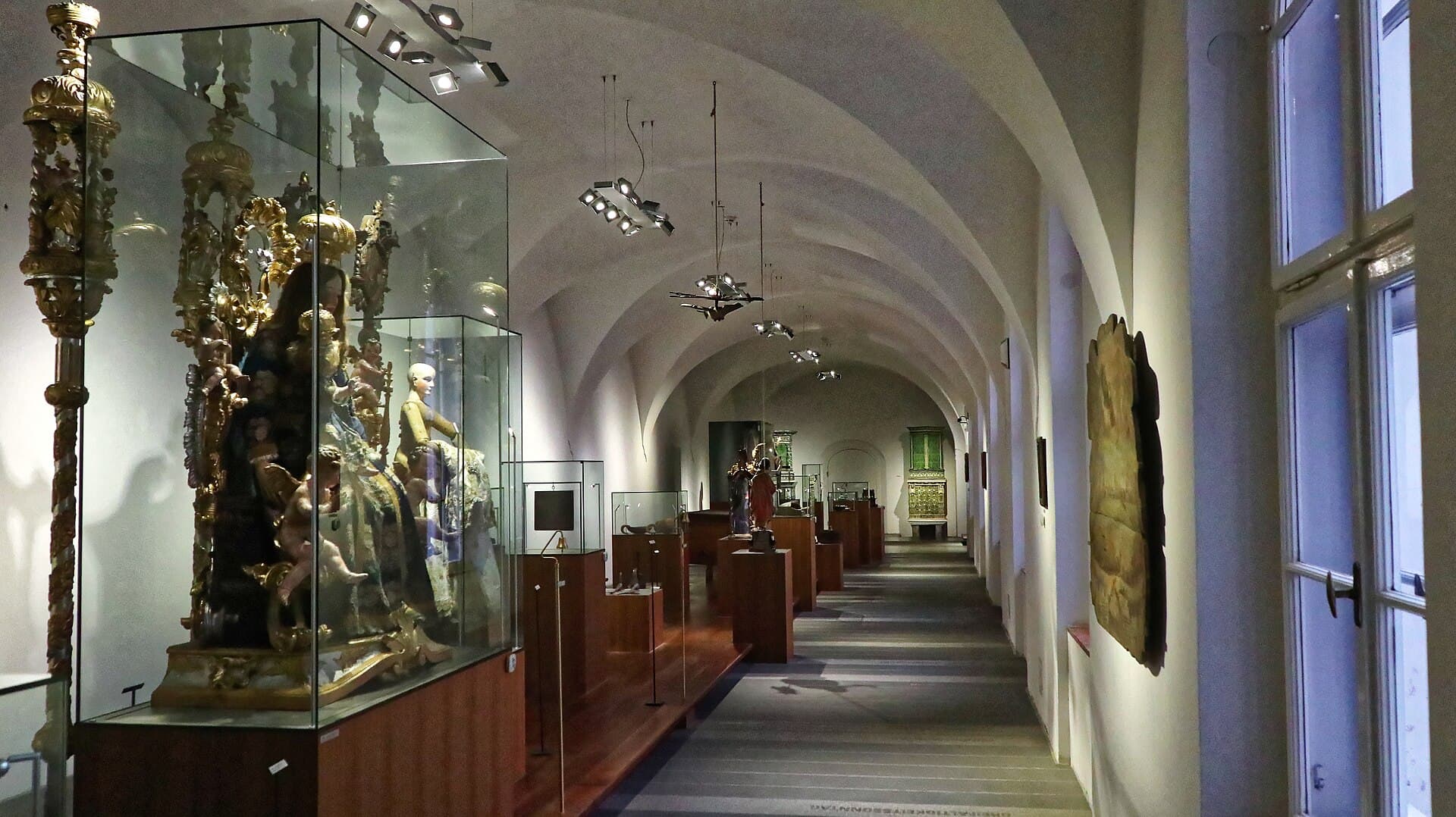 The Tyrolean Folk Art MuseumThe Tyrolean Folk Art Museum occupies the former Franciscan monastery adjoining 1 minute walk4.5
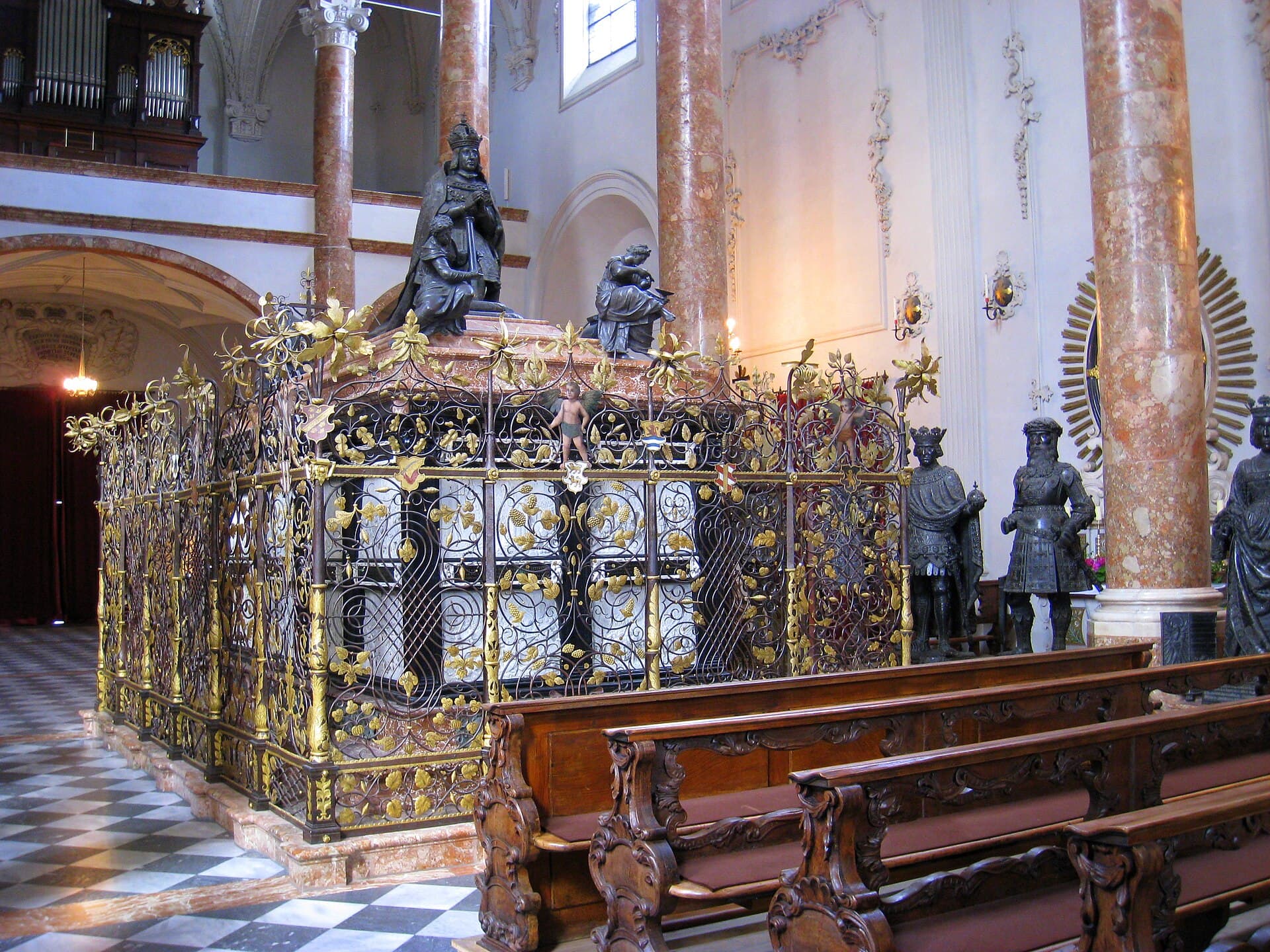 Cenotaph of Emperor Maximilian IA symbolic tomb for Emperor Maximilian I inside Innsbruck's court church, among 1 minute walk4.8
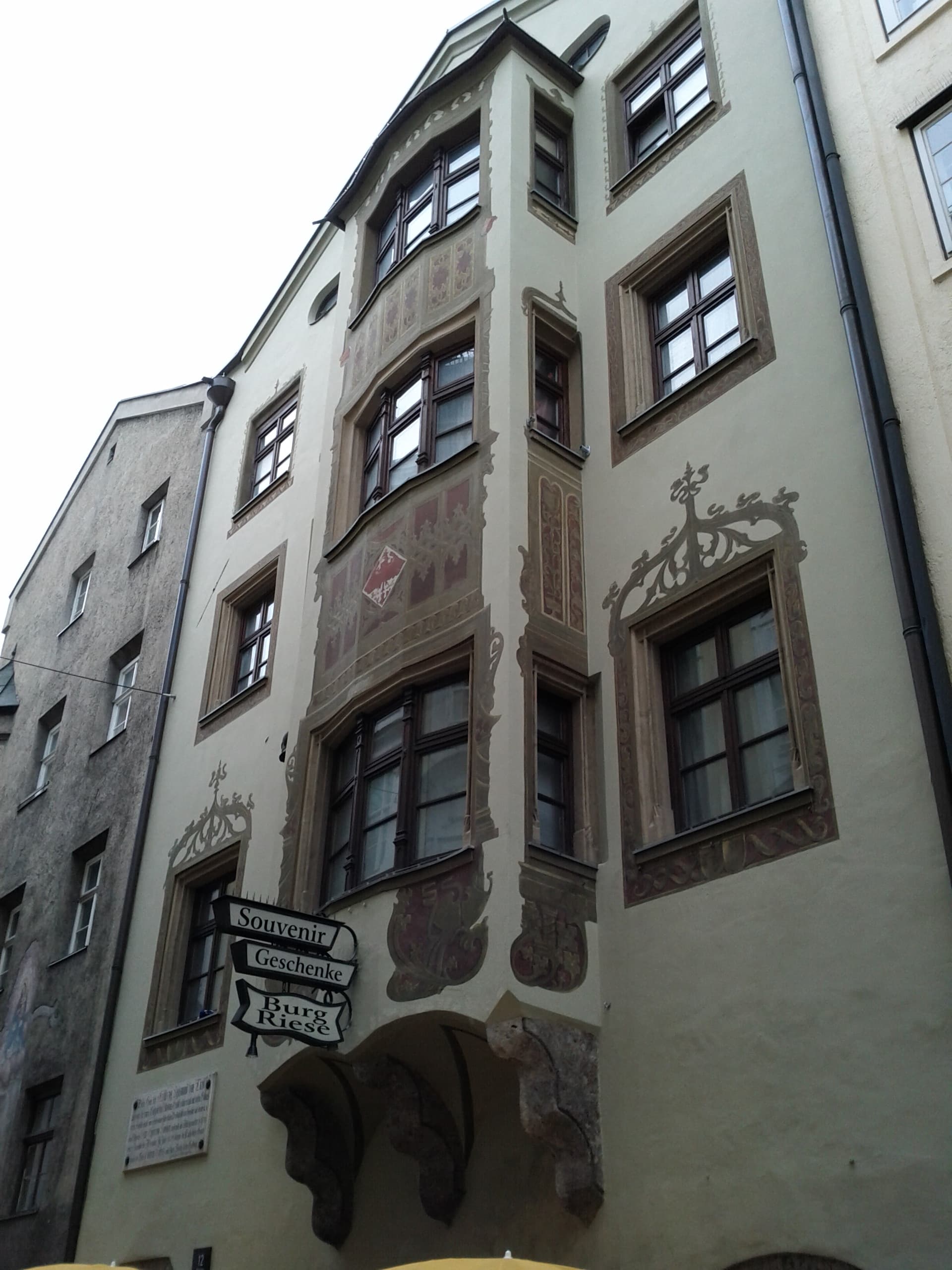 The BurgriesenhausA historic house on the Hofgasse in the old town, between the Golden Roof and th1 minute walk3.1
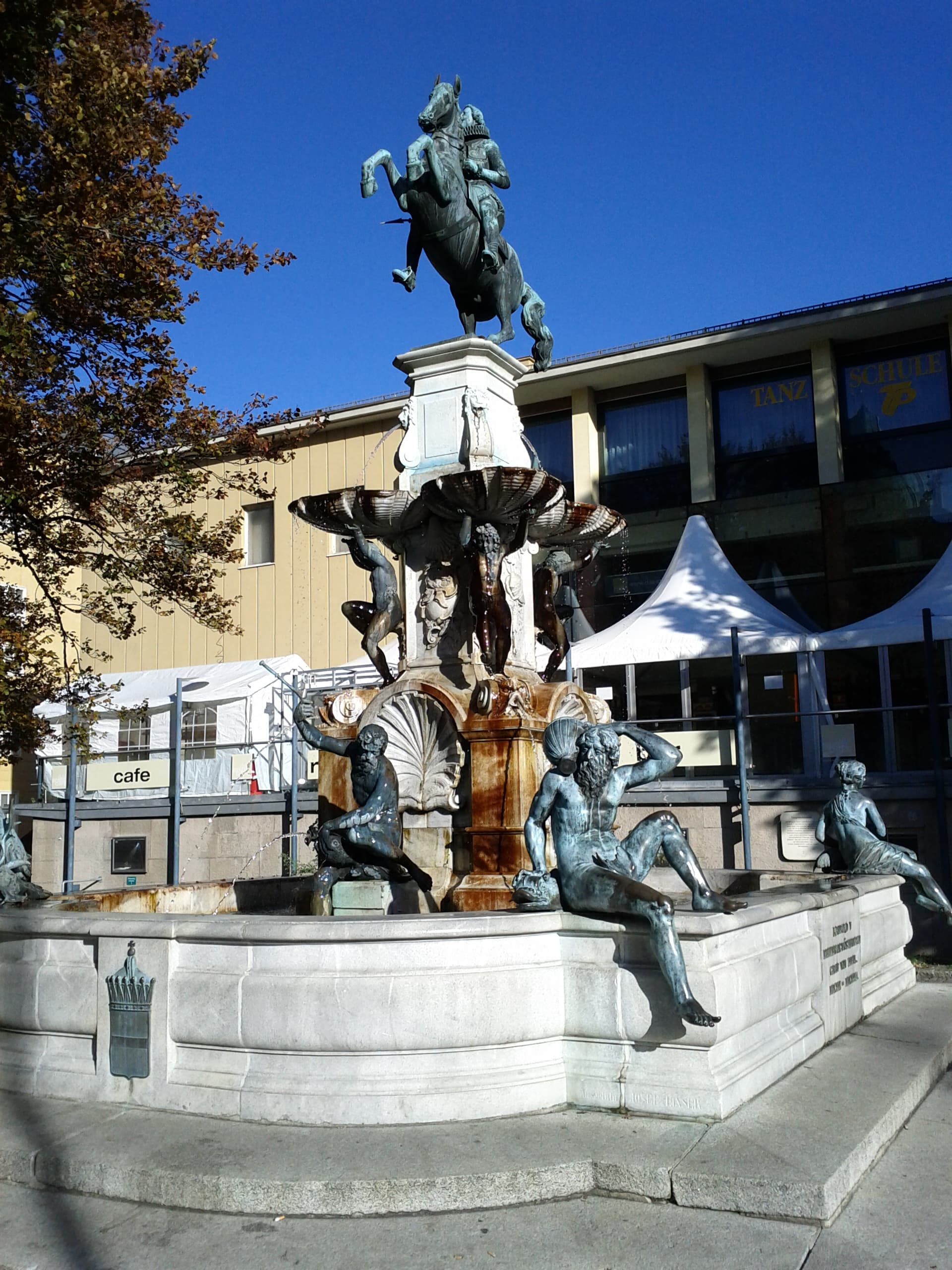 The Leopold FountainThe Leopold Fountain stands on Rennweg between the Hofburg palace and the state 1 minute walk4.7
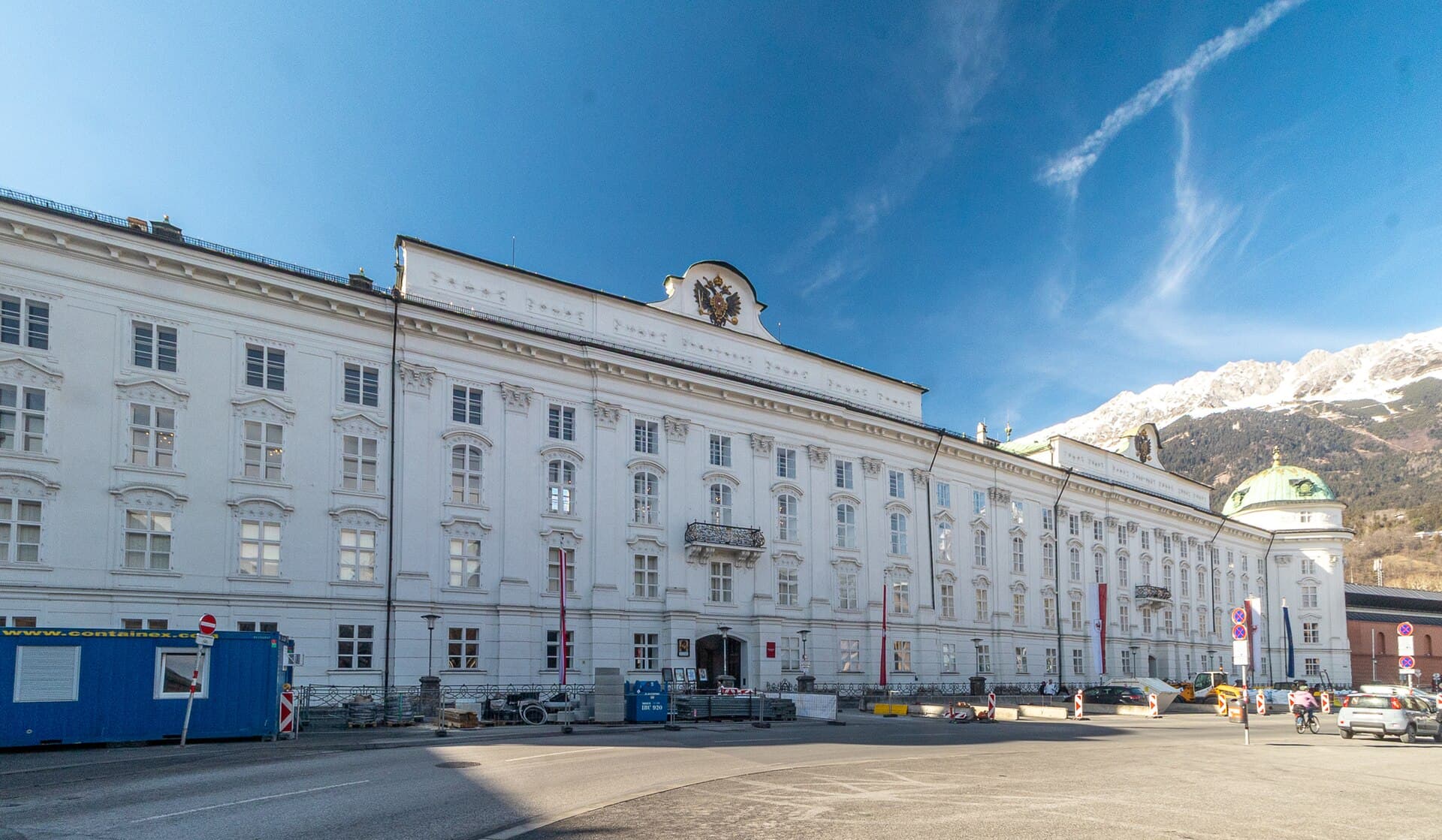 The Imperial HofburgInnsbruck's Hofburg is Austria's third imperial palace after Vienna's Schönbrunn1 minute walk4.3
Maximilian willed burial at Wiener Neustadt, where he lies — the epic monument here was finished by his heirs as memory's shrine, not the body's: pure dynastic theatre, the giants its eternal guard.