
The siege record
Maps, photographs and film of the old town under fire.
Tromber — CC BY-SA 4.0 · Bracodbk — CC BY-SA 3.0 · Tromber — CC BY-SA 4.0 · Tromber — CC BY-SA 4.0
This museum is inside Fort Imperial on the summit of Mount Srđ directly above Dubrovnik, a fort the French built under Napoleon at the start of the nineteenth century — but the reason the museum is here dates from 1991. When Dubrovnik was besieged during Croatia's war of independence, this fort was the only position above the city that stayed in the defenders' hands. A small number of men held it for months under continuous shelling, and had it fallen the old town below would have fallen with it. The damage from that shelling is still on its walls and has deliberately not been repaired. The display inside documents the siege: maps, film, photographs of the old town burning, weapons, personal belongings and testimony. It is not a neutral presentation — it is a clearly Croatian account — but it records precisely what happened to a World Heritage site. You reach it by cable car from the city or by road, and the view from the summit is the most famous in Croatia.
Maps, photographs and film of the old town under fire.
Croatia's most famous view over the city and islands.
Fort Imperial, Mount Srd, 20000 Dubrovnik
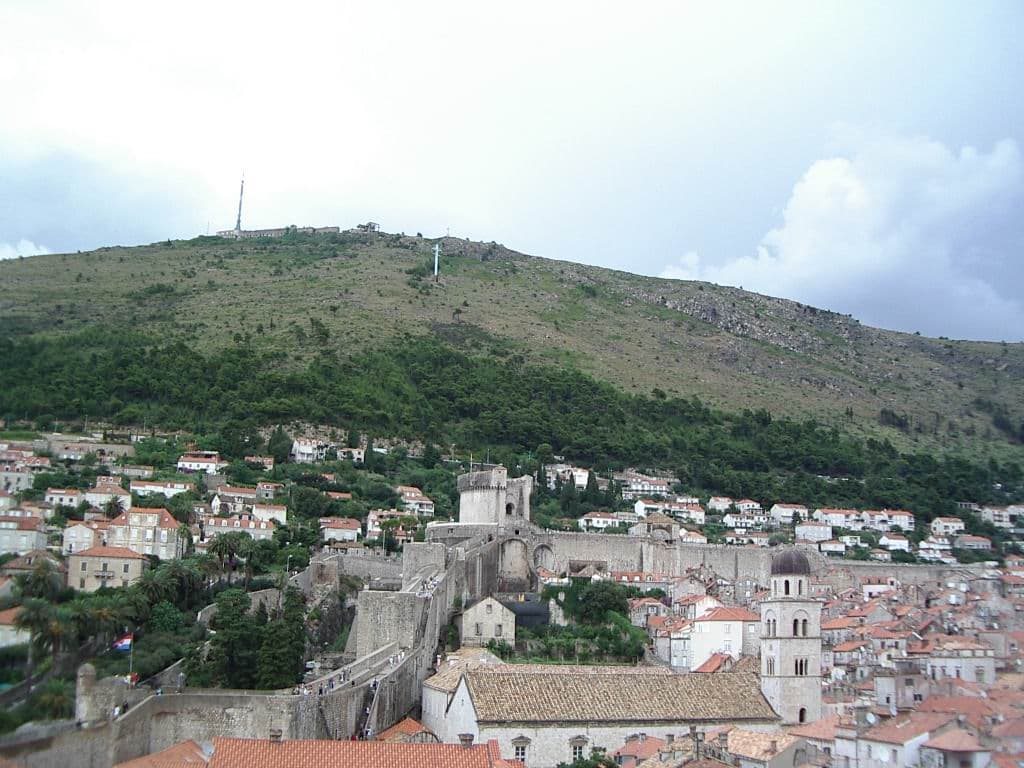 Mount Srđ & the Cable CarSrđ is Dubrovnik's sky balcony: the cable car lifts you from just above the wall10 minutes walk4.2
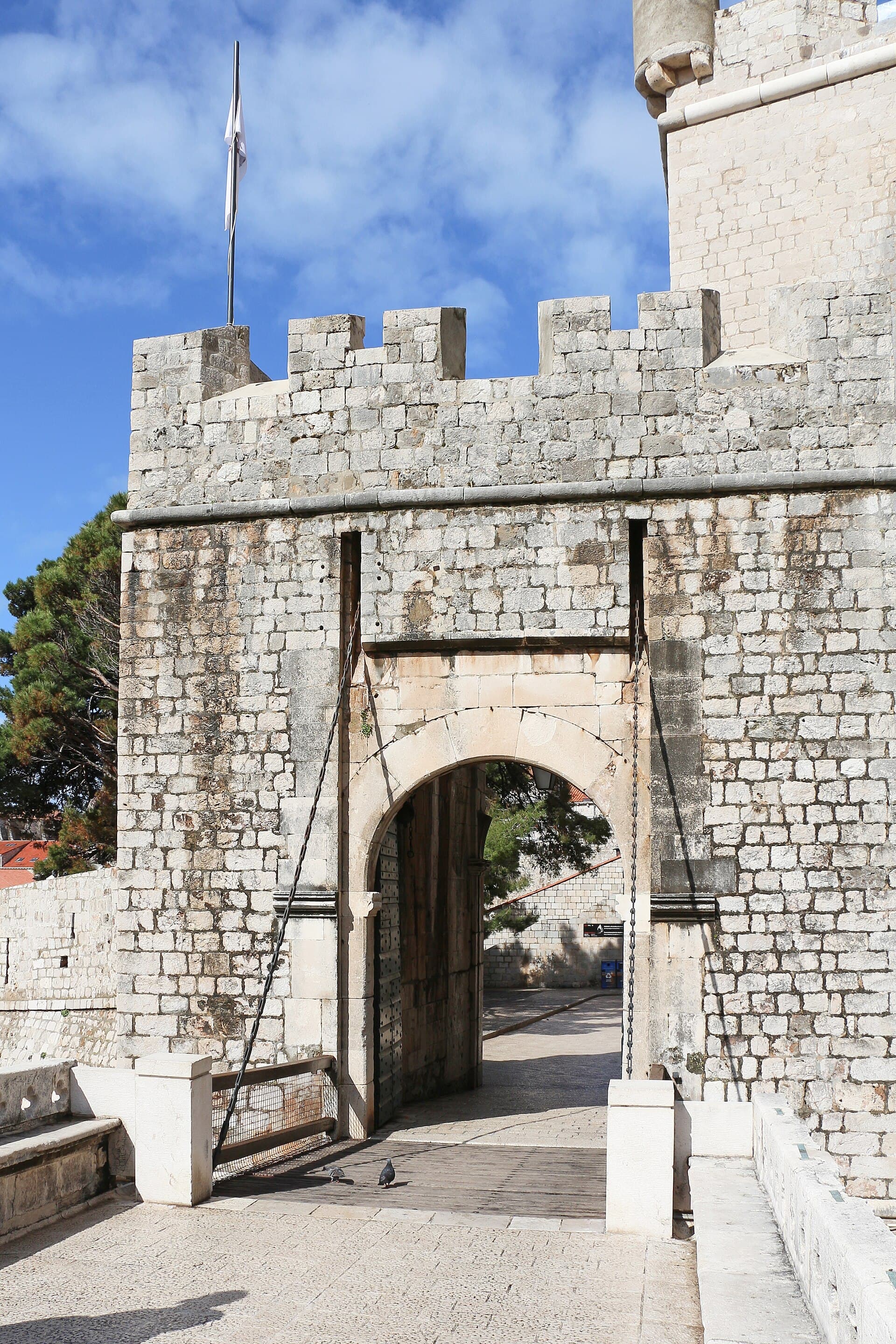 The Ploče GateThe eastern entrance to Dubrovnik's old town, less crowded than the famous Pile 11 minutes walk4.6
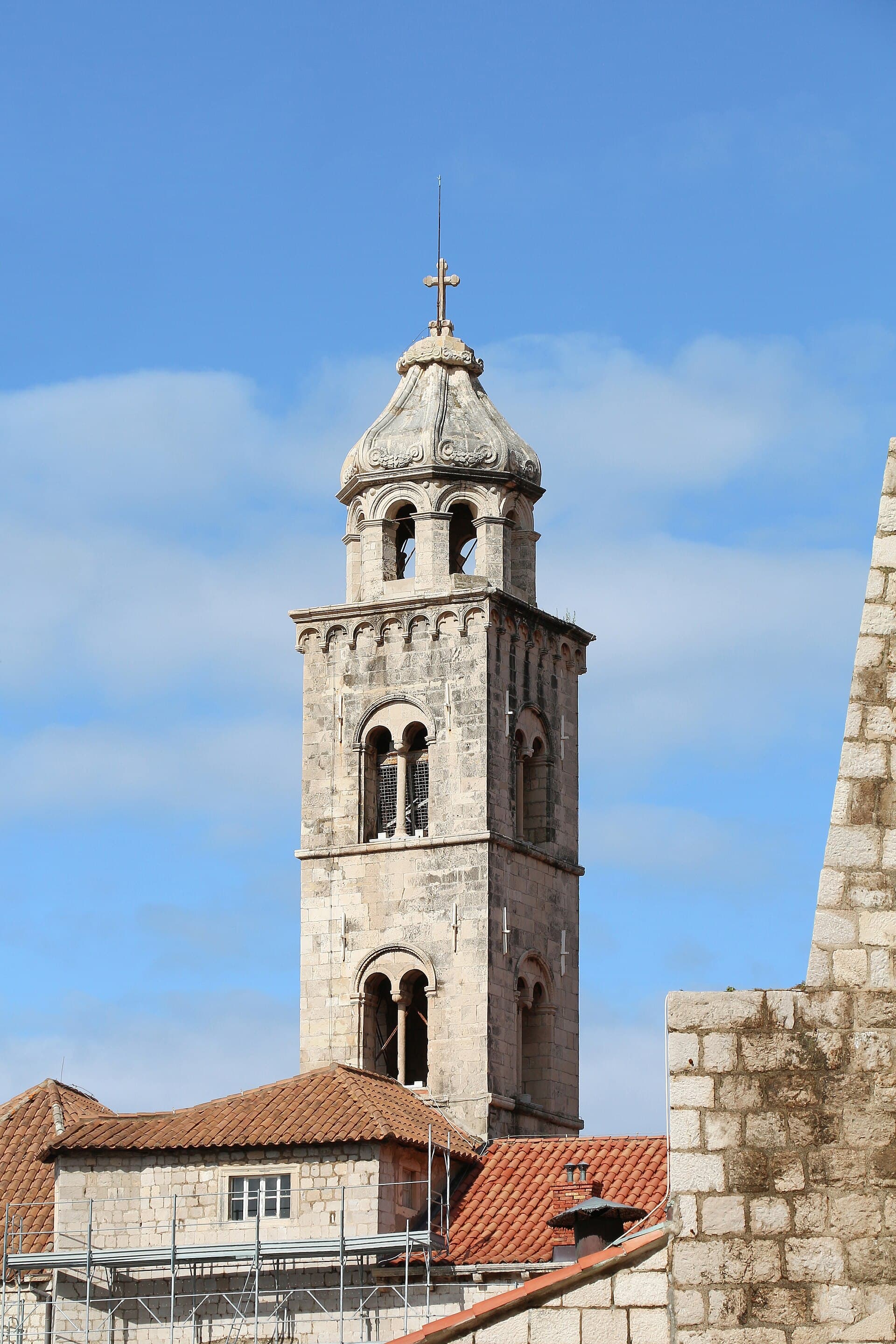 Dominican MonasteryAt the **eastern** end of the old town near the Ploče Gate — the opposite end fr11 minutes walk4.1
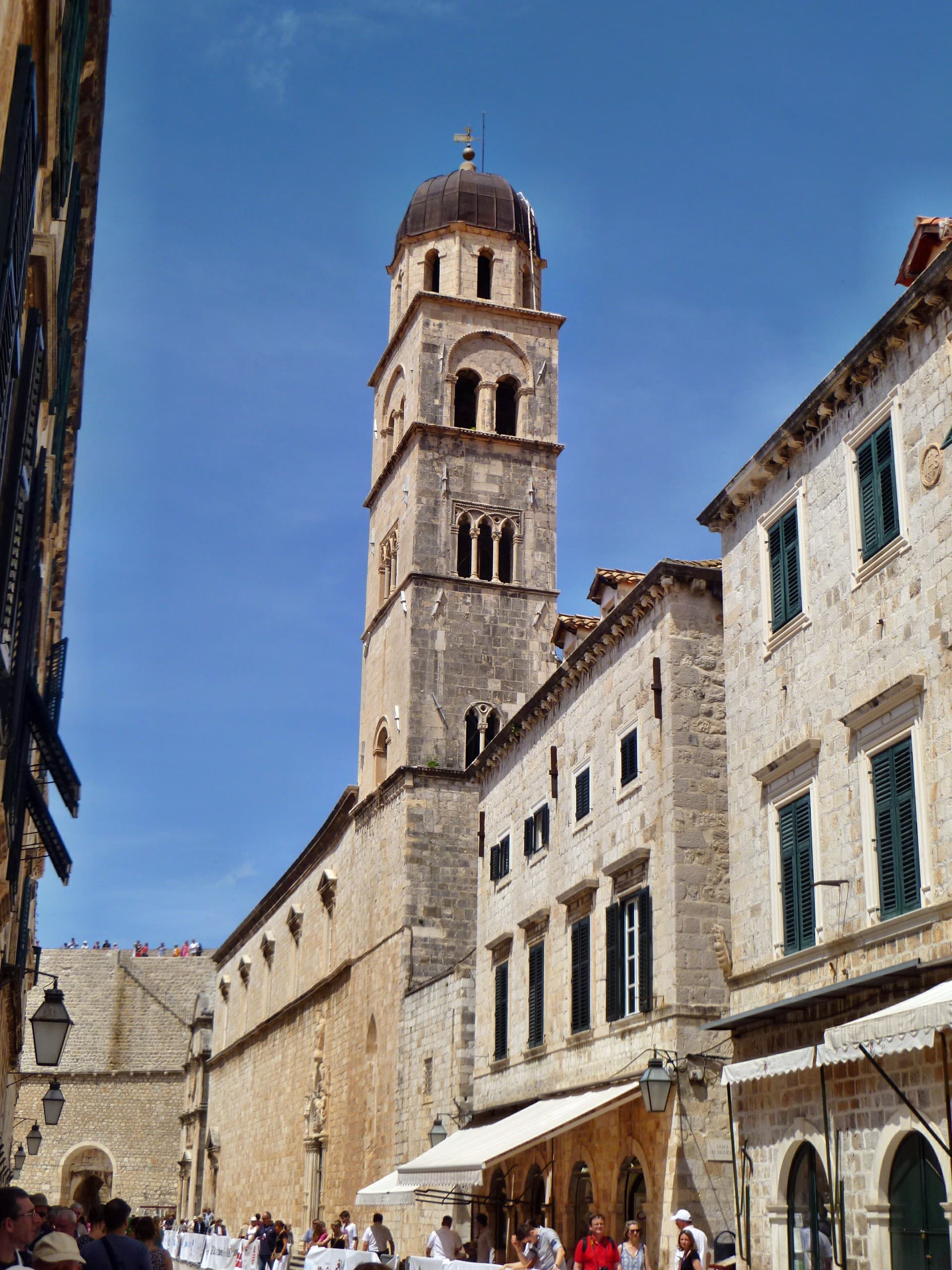 Franciscan Monastery and the Old PharmacyIt stands at the very start of the **Stradun**, just inside the Pile Gate, and h11 minutes walk4.3
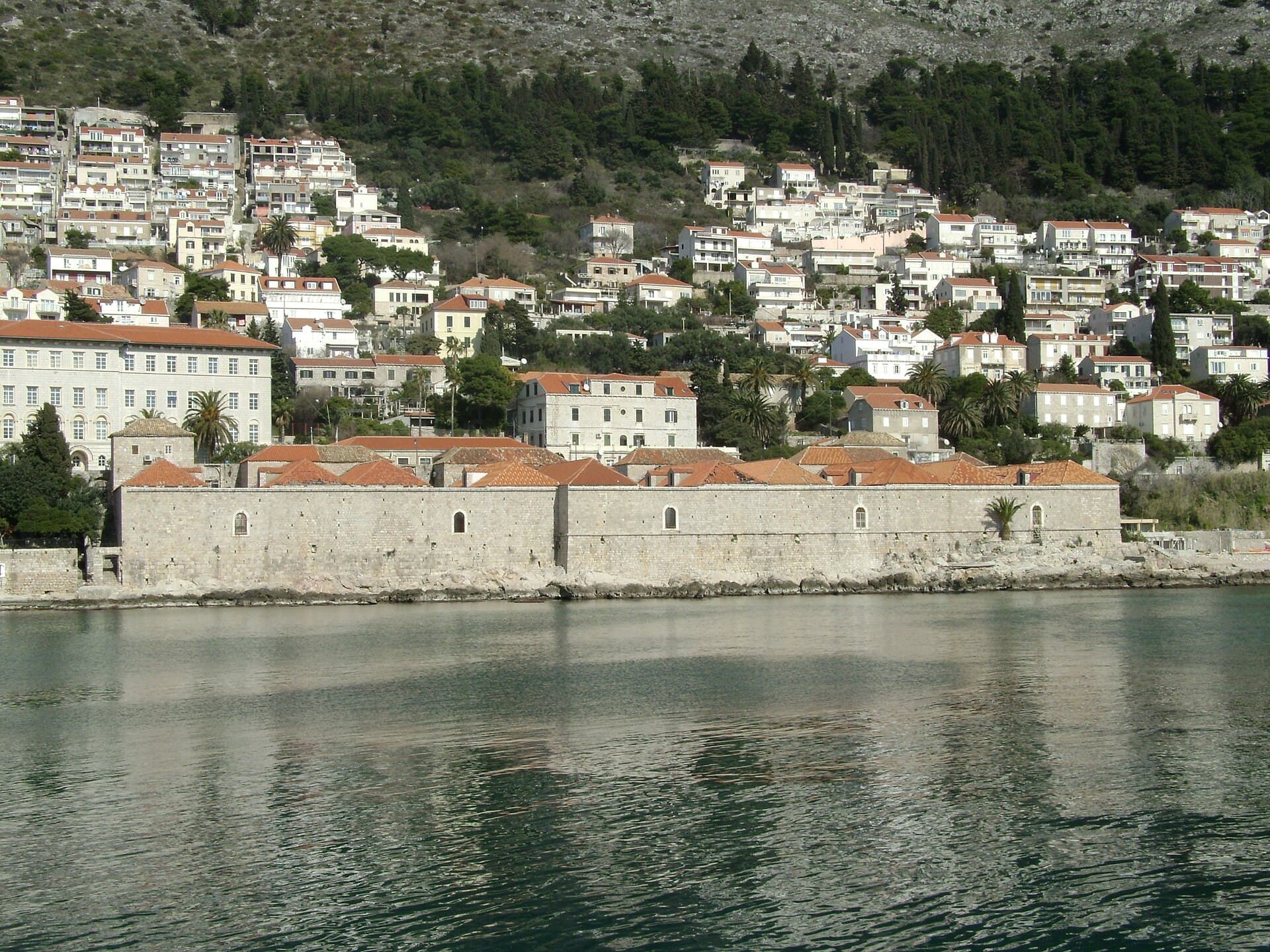 Lazareti — The Quarantine BuildingsA complex of eight adjoining stone buildings with open courtyards just outside t11 minutes walk4.6
The war that accompanied Croatia's separation from Yugoslavia between 1991 and 1995. Dubrovnik was shelled in late 1991 by Yugoslav army forces advancing from the south, and the shells struck the UNESCO-listed old town itself, which caused wide international shock because the target was civilian heritage rather than a military position. The city was later restored, and from the walls you can pick out the lighter new tiles on the roofs.