
A rector for one month
Elected monthly and unable to leave the palace, so power could not concentrate.
Bernard Gagnon — CC BY-SA 4.0 · Diego Delso — CC BY-SA 3.0 · Bernard Gagnon — CC BY-SA 4.0 · Bernard Gagnon — CC BY-SA 4.0
The eastern entrance to Dubrovnik's old town, less crowded than the famous Pile Gate to the west though no less important. What distinguishes it is its defensive design: not one gate but a sequence of three, with two bridges and a bent passage forcing anyone entering to turn repeatedly. This is deliberate — a straight passage lets an attacker charge; a bent one slows him and exposes him from above. The outer stone bridge dates from the fifteenth century, and before it there was a wooden drawbridge raised at night. The city's gates were closed every night for centuries and the keys handed to the rector — who was himself elected for one month only and could not leave the palace during it, so that power could not concentrate in his hands. Immediately outside the gate stands the Lazareti complex — quarantine houses built by the rectors in the seventeenth century to isolate arrivals from the sea for forty days. The word quarantine itself comes from the Italian for forty. Passing through is free and always open.
Elected monthly and unable to leave the palace, so power could not concentrate.
From the Italian for forty — the isolation period at the Lazareti outside the gate.
The city's gates were shut nightly for centuries and the keys given to the rector.
The eastern entrance to Dubrovnik's walls
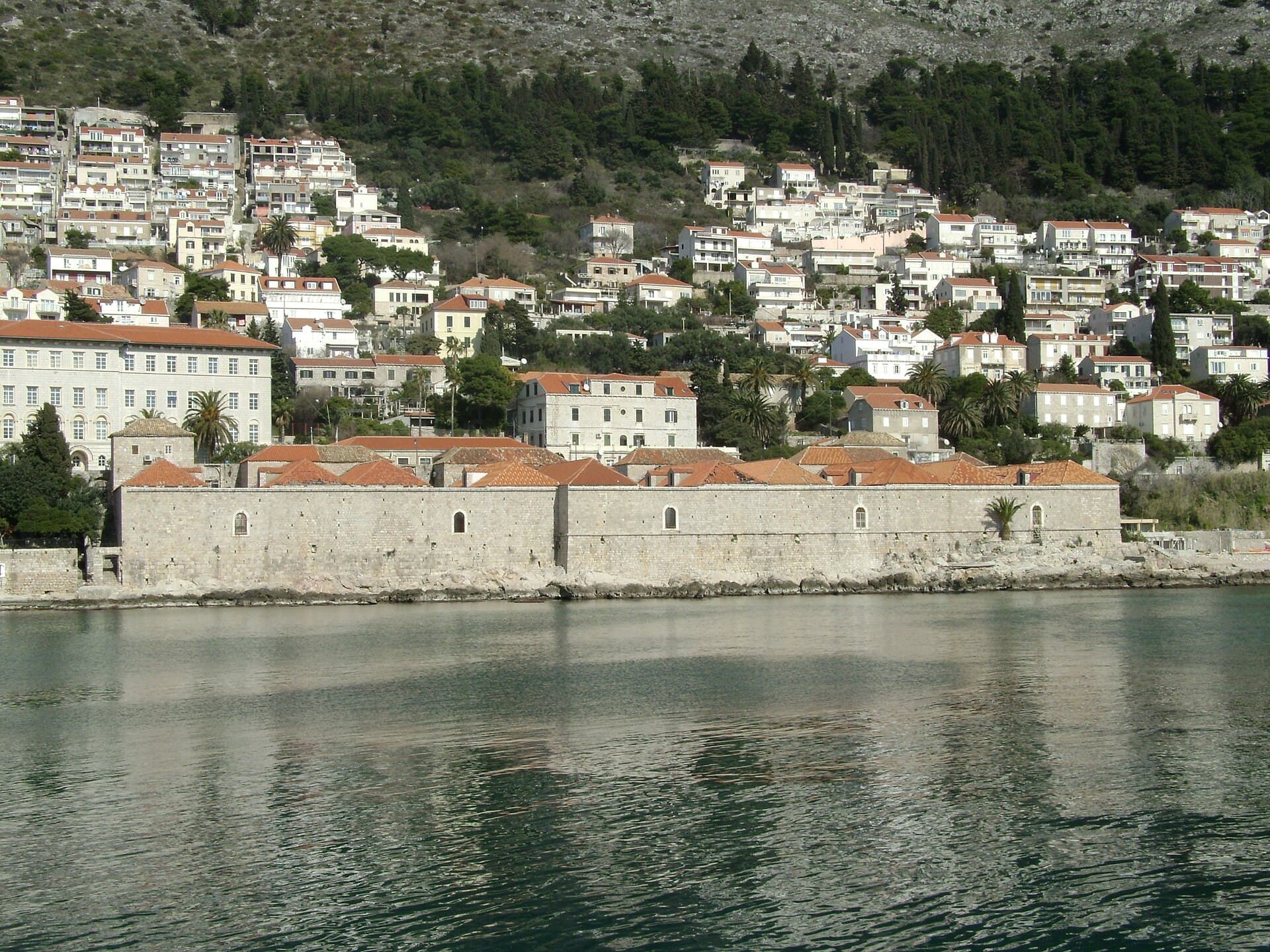 Lazareti — The Quarantine BuildingsA complex of eight adjoining stone buildings with open courtyards just outside t1 minute walk4.6
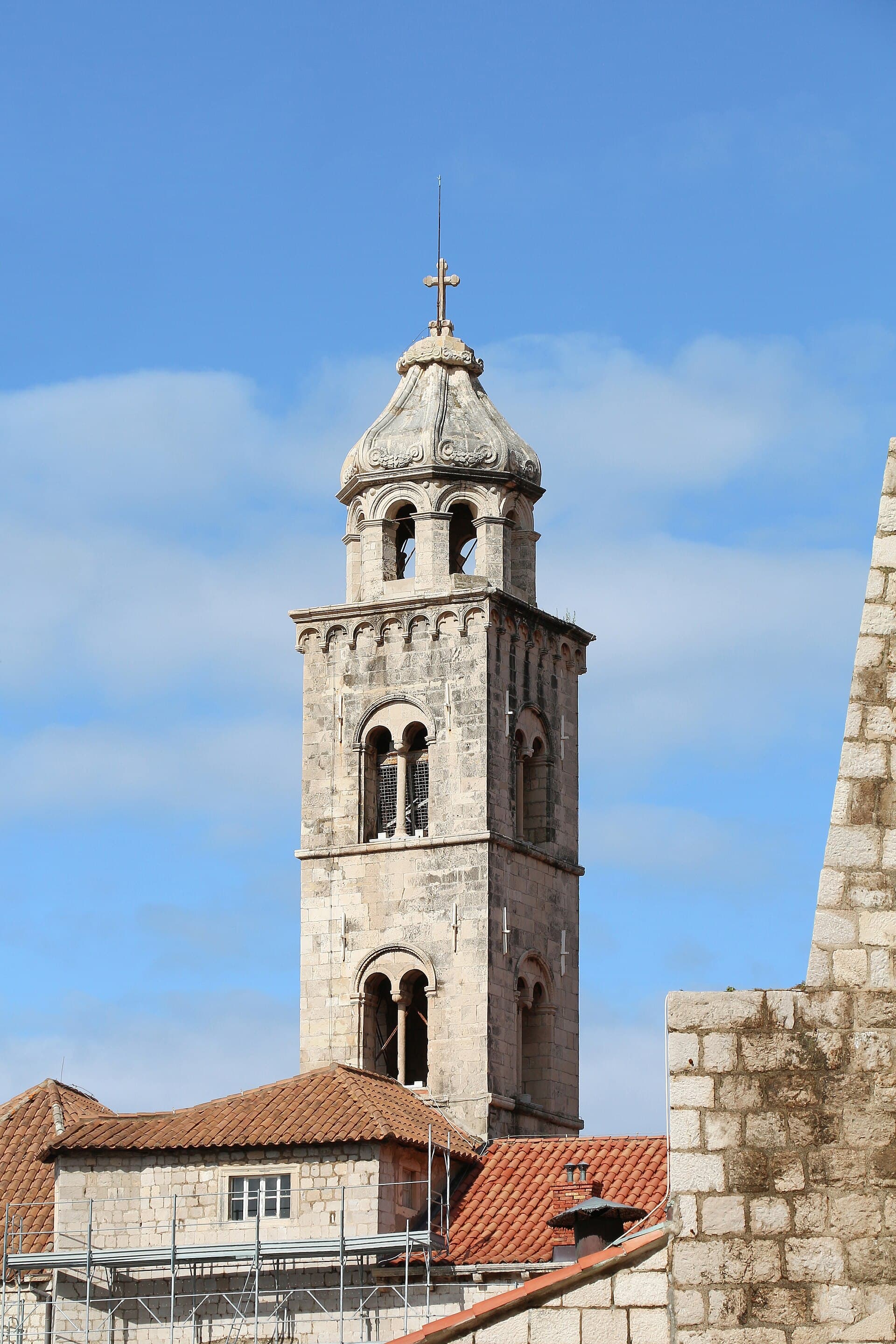 Dominican MonasteryAt the **eastern** end of the old town near the Ploče Gate — the opposite end fr2 minutes walk4.1
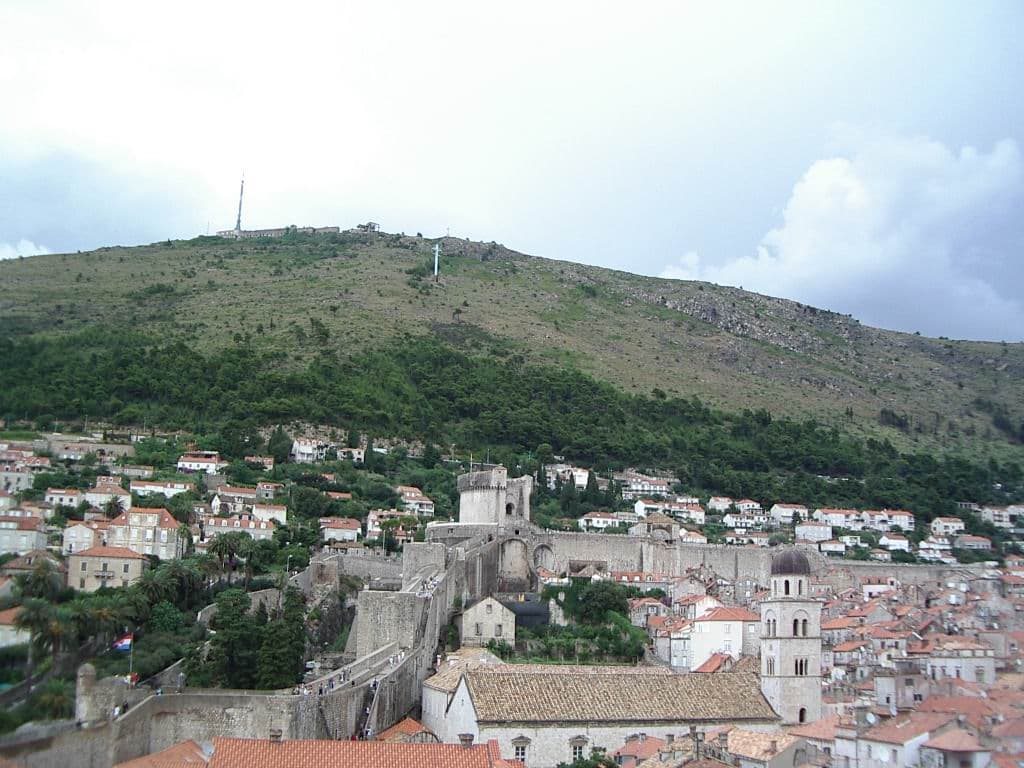 Mount Srđ & the Cable CarSrđ is Dubrovnik's sky balcony: the cable car lifts you from just above the wall2 minutes walk4.2
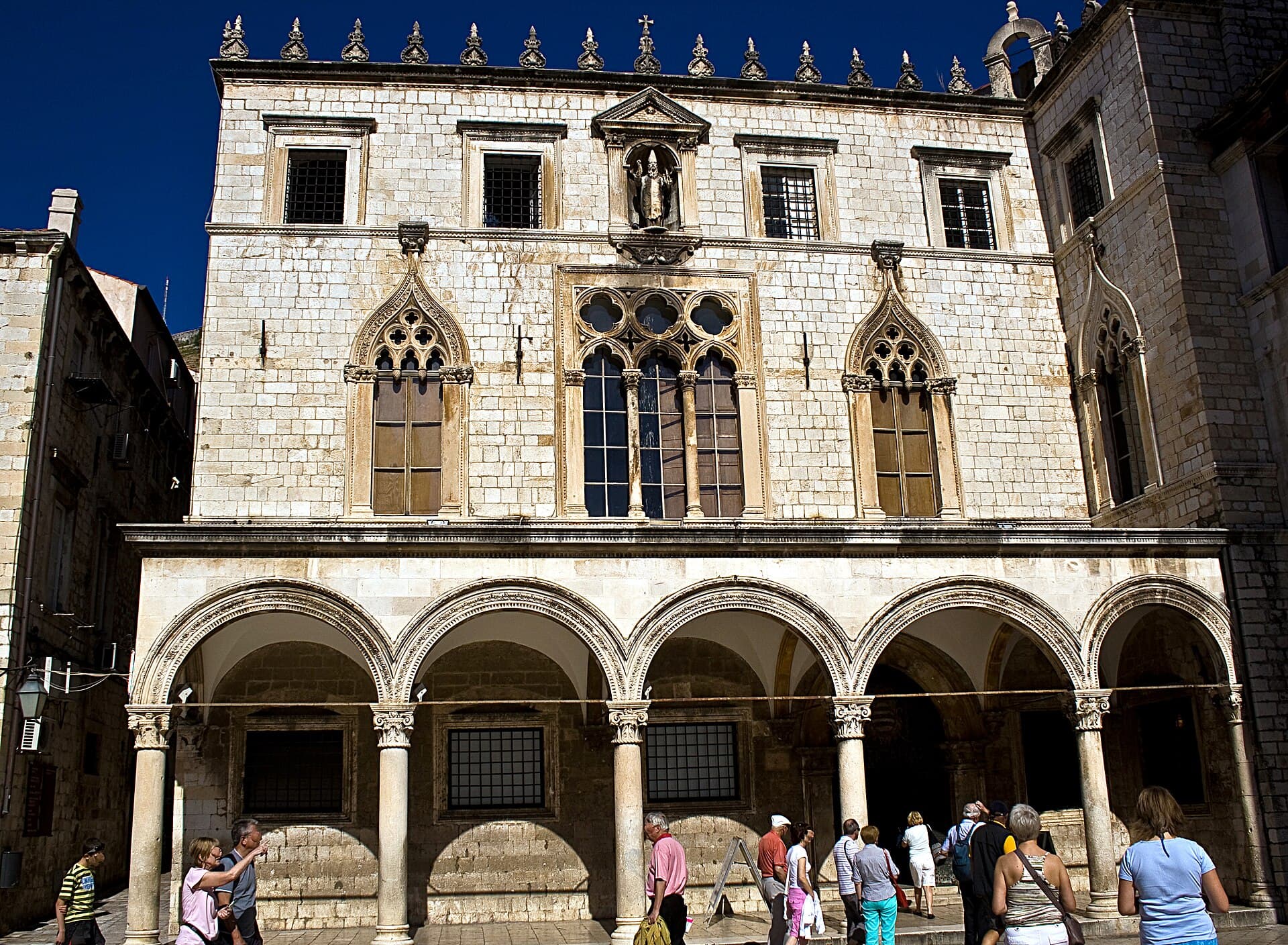 Sponza PalaceThe building that survived. When the **1667 earthquake** destroyed medieval Dubr3 minutes walk4.4
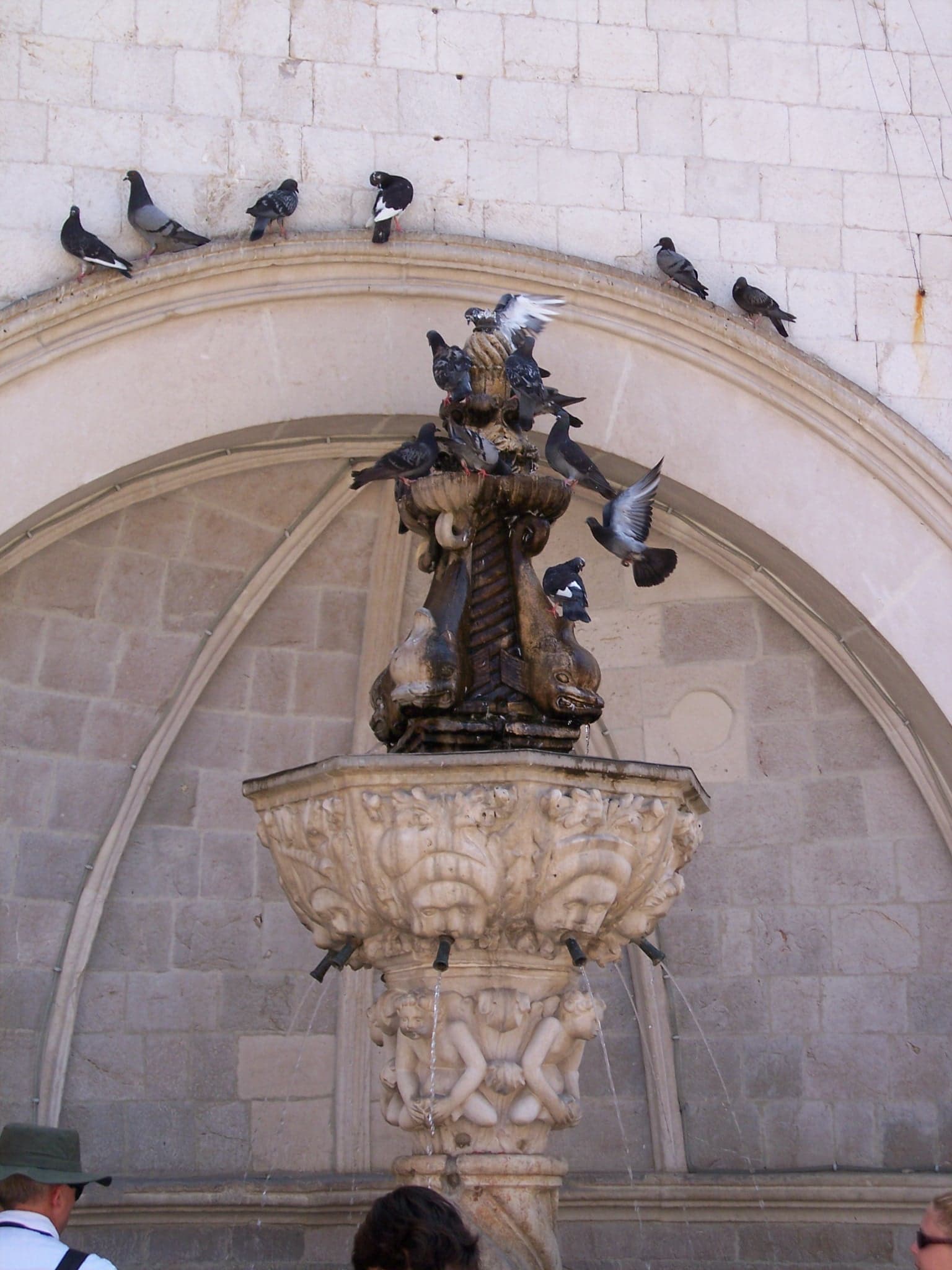 The Small Onofrio's FountainA small stone fountain at the eastern end of Dubrovnik's Stradun, from 1438, by 3 minutes walk4.7
By a system deliberately designed to prevent power concentrating. The rector was elected by the noble council for one month only, lived in the Rector's Palace throughout his term without leaving except on official business, and could not be re-elected for two years. Real power lay with the councils. An inscription at the entrance to the council hall reads, in effect, forget private affairs and attend to public ones. The system kept the republic stable for centuries.
A complex of buildings and courtyards built by Dubrovnik's rectors in the seventeenth century outside the walls to isolate merchants and their goods arriving by land and sea for forty days before allowing them into the city. Dubrovnik was among the first cities in Europe to apply organised quarantine — from 1377. The complex today is a cultural space for concerts and exhibitions.