
The eight courtyards
Where caravans were unloaded and isolated for forty days.
Lasta — Public domain · Hons084 — CC BY-SA 4.0 · dronepicr — CC BY 2.0 · Ramón from Llanera, España — CC BY-SA 2.0
A complex of eight adjoining stone buildings with open courtyards just outside the Ploče Gate, among the most historically important things in Dubrovnik and among the least visited. Because Dubrovnik — Ragusa — is the city that **invented quarantine**. In **1377** its council passed a law requiring anyone arriving from an infected region to remain isolated for **thirty days** before entering the city; the period was later extended to **forty days** — and *quaranta*, Italian for forty, is where the word **quarantine** in every language comes from. That law, the first of its kind on record, protected the city from plague repeatedly and became a model copied by Venice, Marseille and other ports. This complex was built in the seventeenth century to enforce it: goods and caravans arriving from the Ottoman East were unloaded in the courtyards, and merchants and their animals stayed in the rooms for forty days under watch while the goods were aired and fumigated. Today the complex is a **cultural centre**, with exhibitions, concerts, workshops and a craft market.
Where caravans were unloaded and isolated for forty days.
"Quarantine" entered every language from here.
Exhibitions, concerts and workshops in the same buildings.
Frana Supila 8, 20000 Dubrovnik
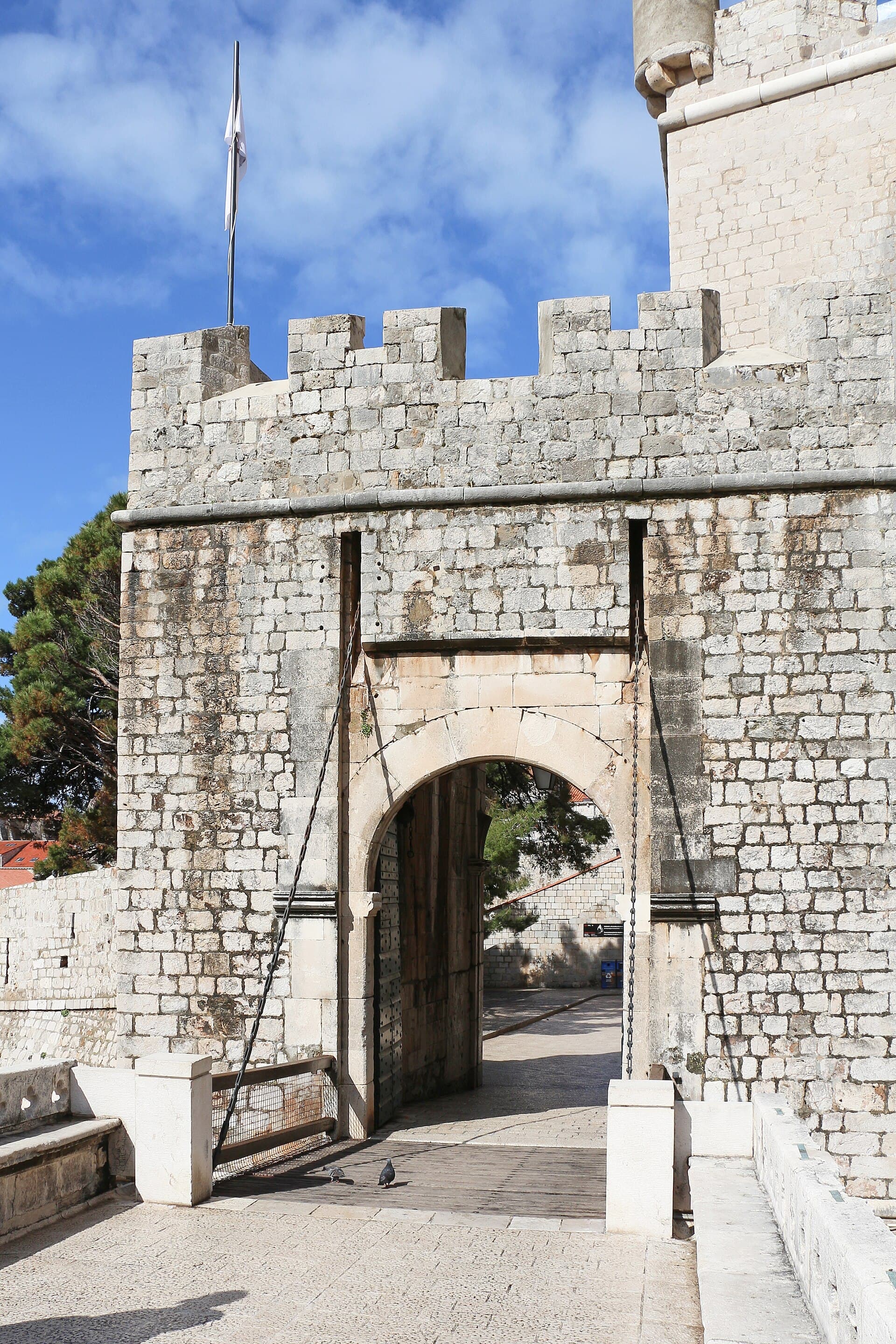 The Ploče GateThe eastern entrance to Dubrovnik's old town, less crowded than the famous Pile 1 minute walk4.6
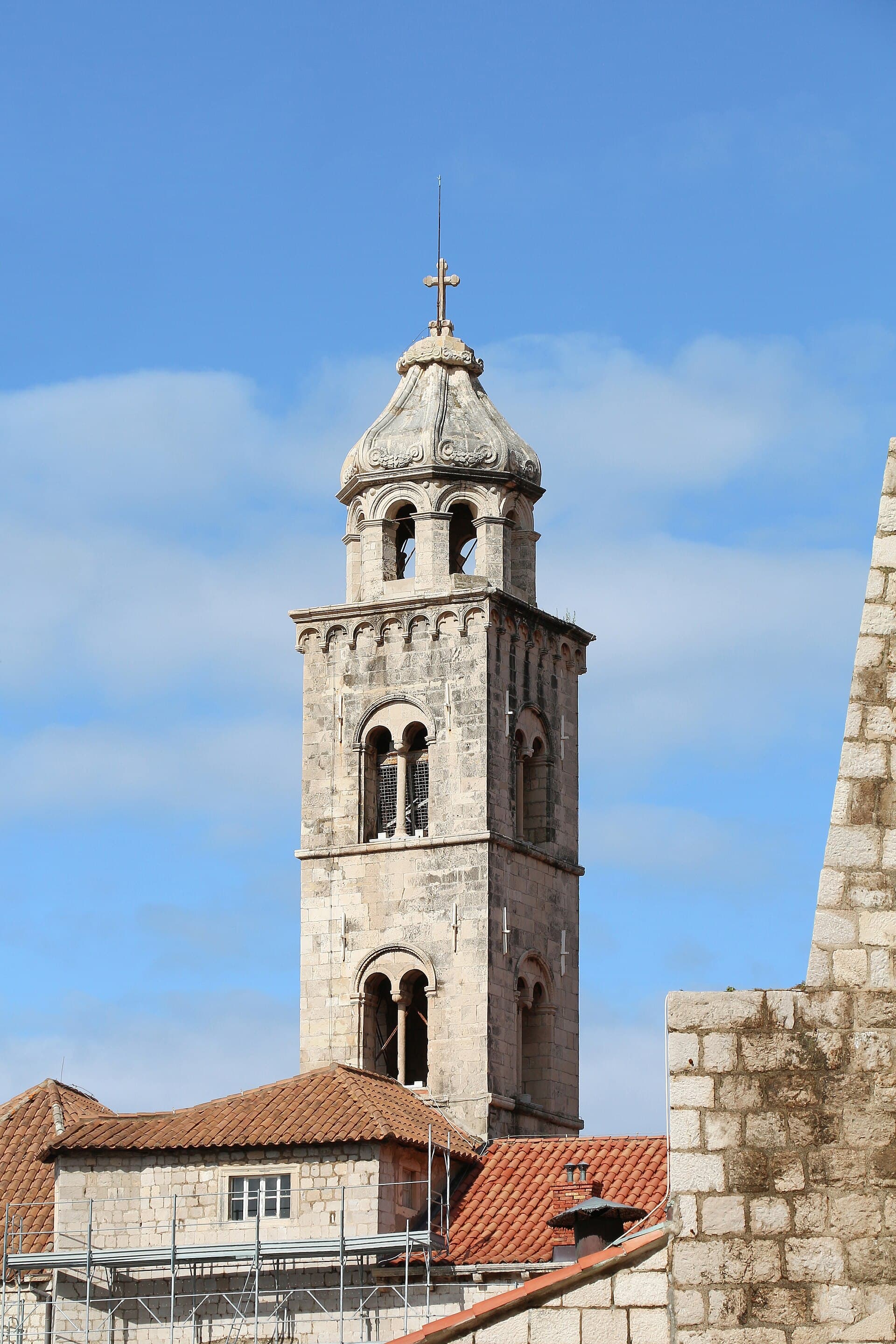 Dominican MonasteryAt the **eastern** end of the old town near the Ploče Gate — the opposite end fr2 minutes walk4.1
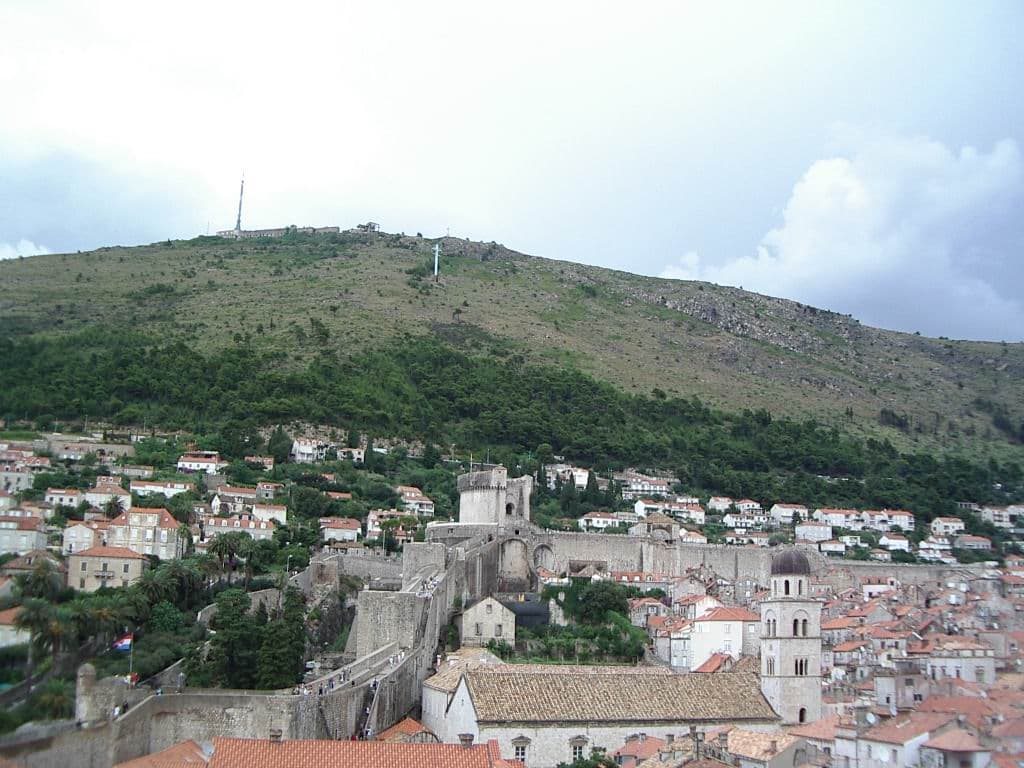 Mount Srđ & the Cable CarSrđ is Dubrovnik's sky balcony: the cable car lifts you from just above the wall2 minutes walk4.2
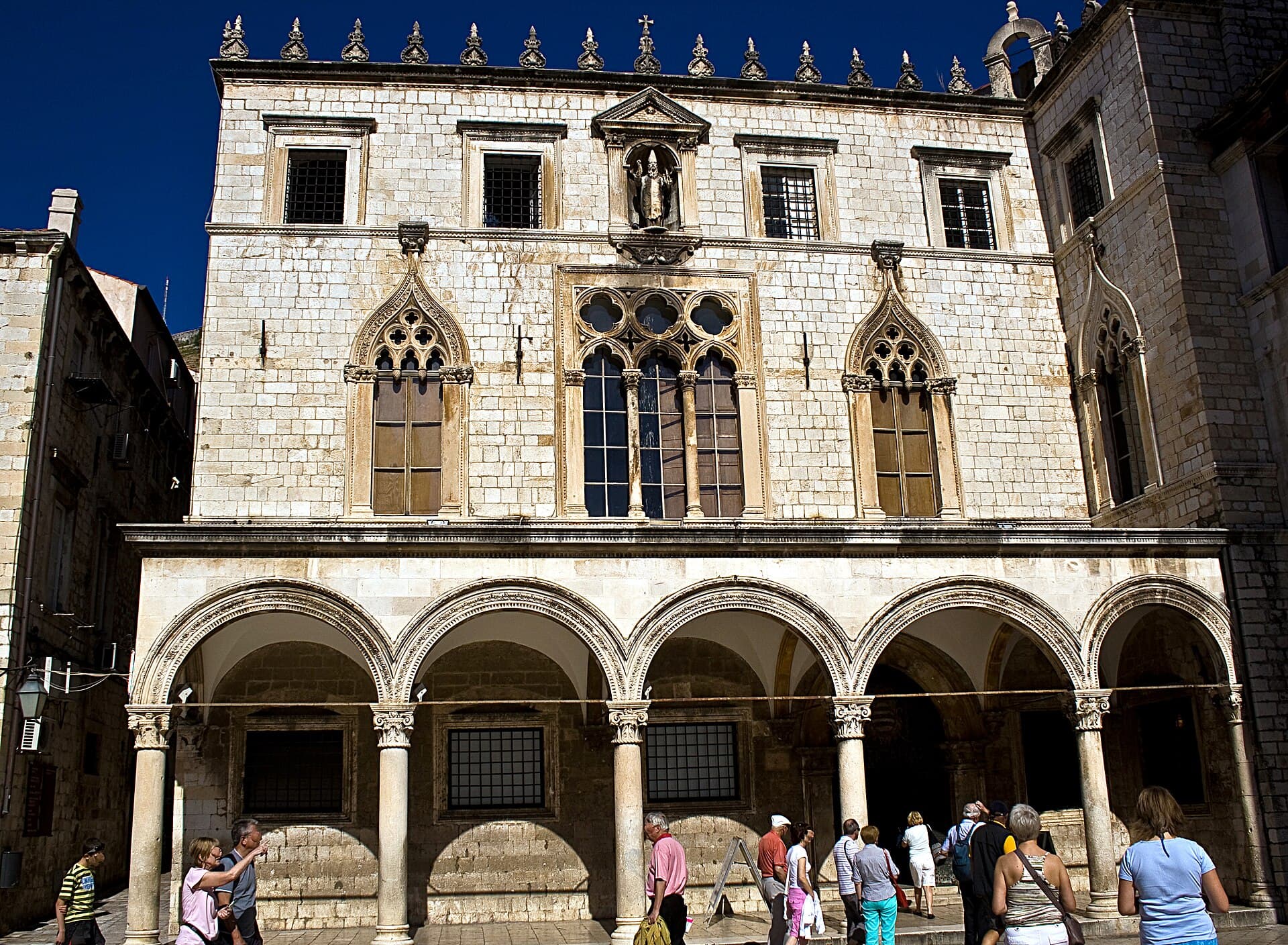 Sponza PalaceThe building that survived. When the **1667 earthquake** destroyed medieval Dubr3 minutes walk4.4
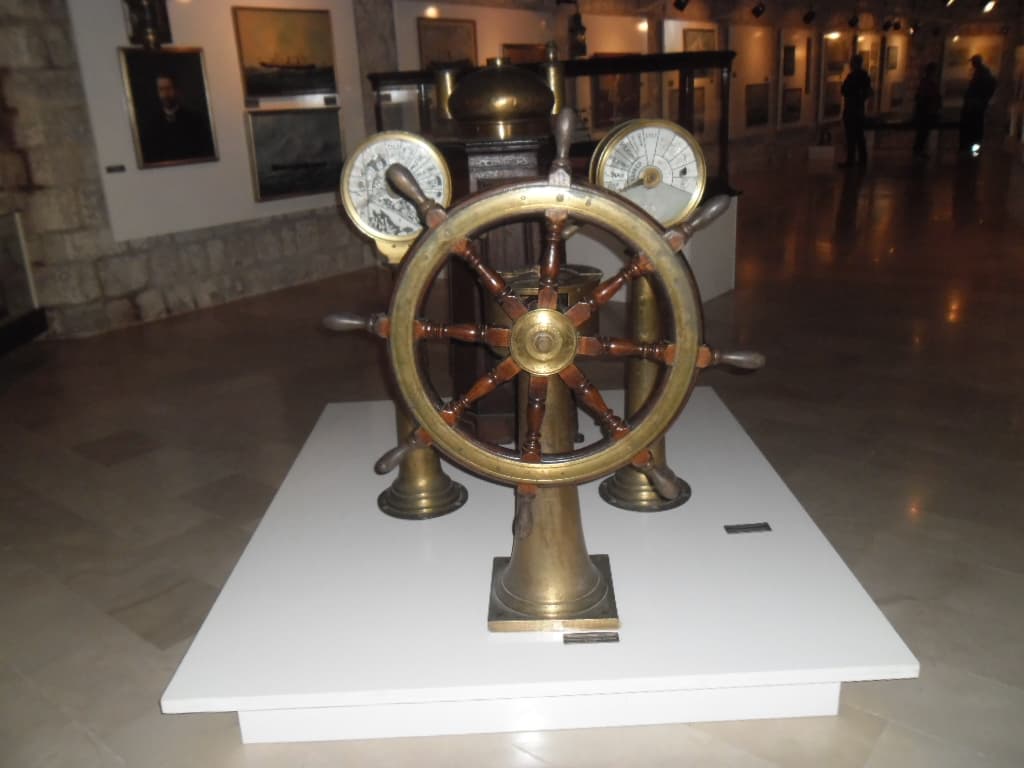 Maritime MuseumIt occupies the upper two floors of **St John's Fortress**, the great tower guar3 minutes walk4.0
Worth it **if you know the story**, not worth it if you don't — and that is the site's real problem: there is not enough interpretation, so visitors pass it as though it were old warehouses. But where you are standing is **the place the idea of quarantine was born**, one of the most consequential public-health inventions in human history, which has saved millions of lives across the centuries. It is free and minutes from the Ploče Gate — give it twenty minutes, knowing what you are looking at.
The complex has become a **cultural centre** for a city that suffers from being an open-air museum for tourists: art exhibitions, concerts, performance and dance, workshops and a local craft market — one of the few places in Dubrovnik where you feel the life of **its residents** rather than its visitors. ⚠ But the programme is **seasonal and changeable**, concentrated in the evenings and the summer months; check what is on for your dates — with no event you will see empty stone courtyards and nothing more.