
The Bartholdi fountain
By the sculptor of the Statue of Liberty, in the middle of the square.
Danichou — CC BY-SA 3.0 · Chabe01 — CC BY-SA 4.0 · Gargarapalvin — CC BY-SA 4.0 · Gargarapalvin — CC BY-SA 4.0
Lyon's city hall on Place des Terreaux, dating from the seventeenth century, among the largest historic buildings in the centre and the most heavily ornamented from outside. The present facade is the result of a rebuilding after a fire damaged the original at the end of the seventeenth century, overseen by the architect Jules Hardouin-Mansart, who worked at Versailles. That explains the distinctly royal character of the front: statues, columns, a large clock and an equestrian figure above the entrance. The building occupies a whole side of Place des Terreaux, with the Museum of Fine Arts on the opposite side and the Bartholdi fountain between them — by the sculptor who made the Statue of Liberty. Taken together the square is among the most important urban spaces in France. A plain practical point: this is a working seat of government and is not normally visitable inside, except on heritage open days or rare tours. The visit means standing in the square and looking at the facade — minutes on a walk you are making anyway.
By the sculptor of the Statue of Liberty, in the middle of the square.
The city hall and the Museum of Fine Arts face each other across it.
In September the doors open and the state rooms can be seen.
Place des Terreaux, Lyon
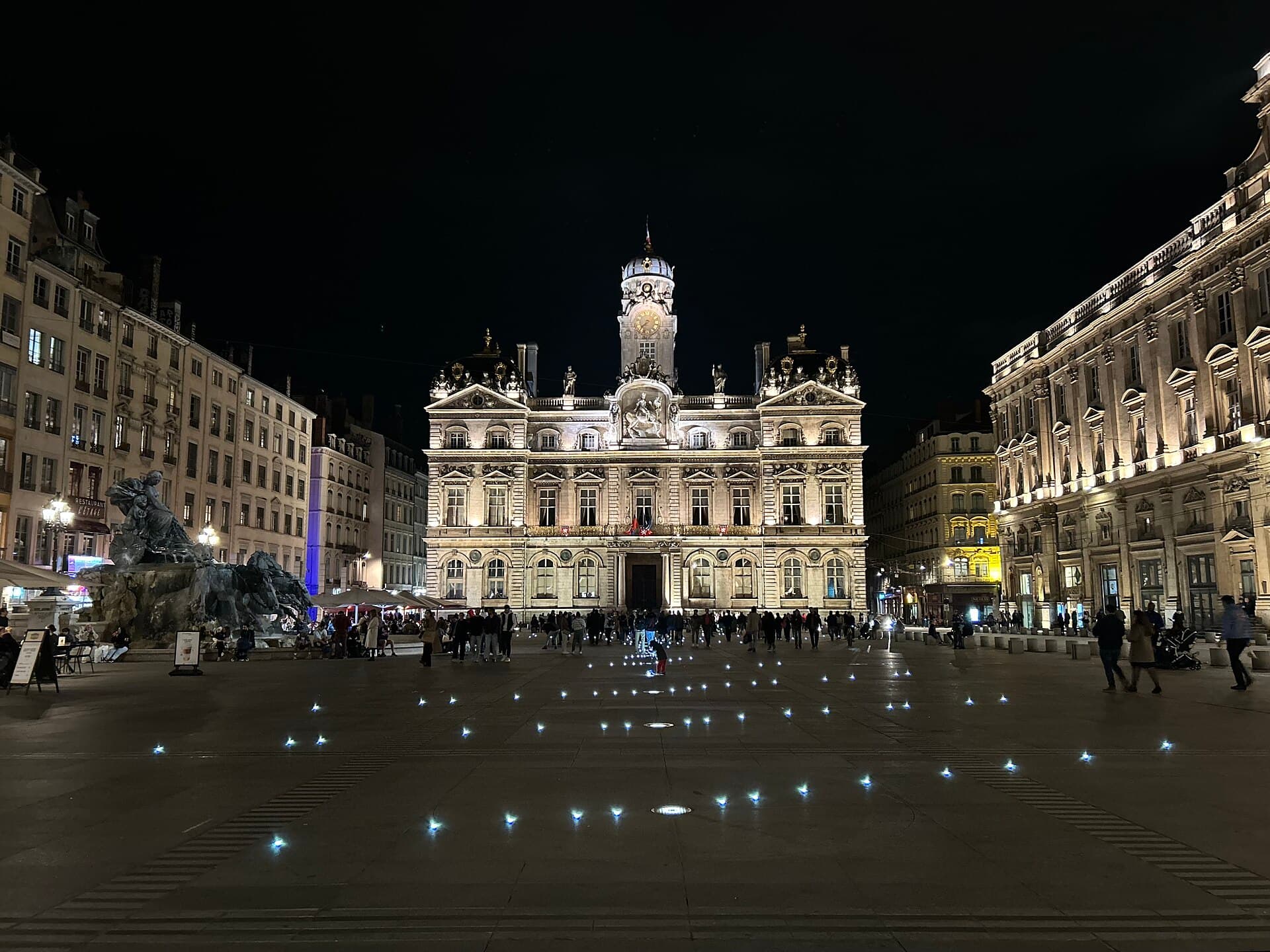 Place des TerreauxThe Terreaux is Lyon's formal salon: the city hall's grand seventeenth-century f2 minutes walk4.4
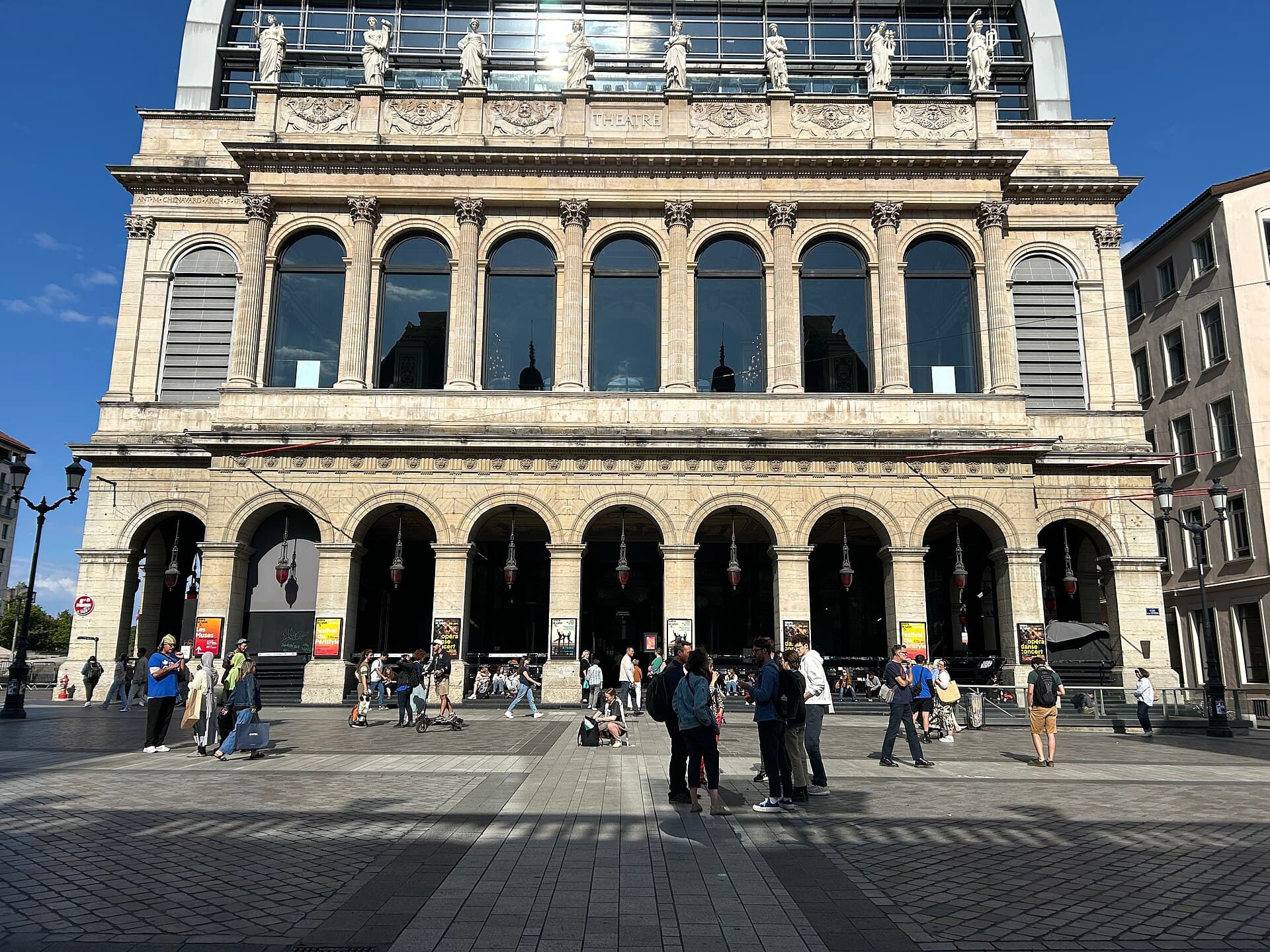 Opéra Nouvel, LyonLyon's national opera house, and one of Europe's boldest examples of fusing a co2 minutes walk4.4
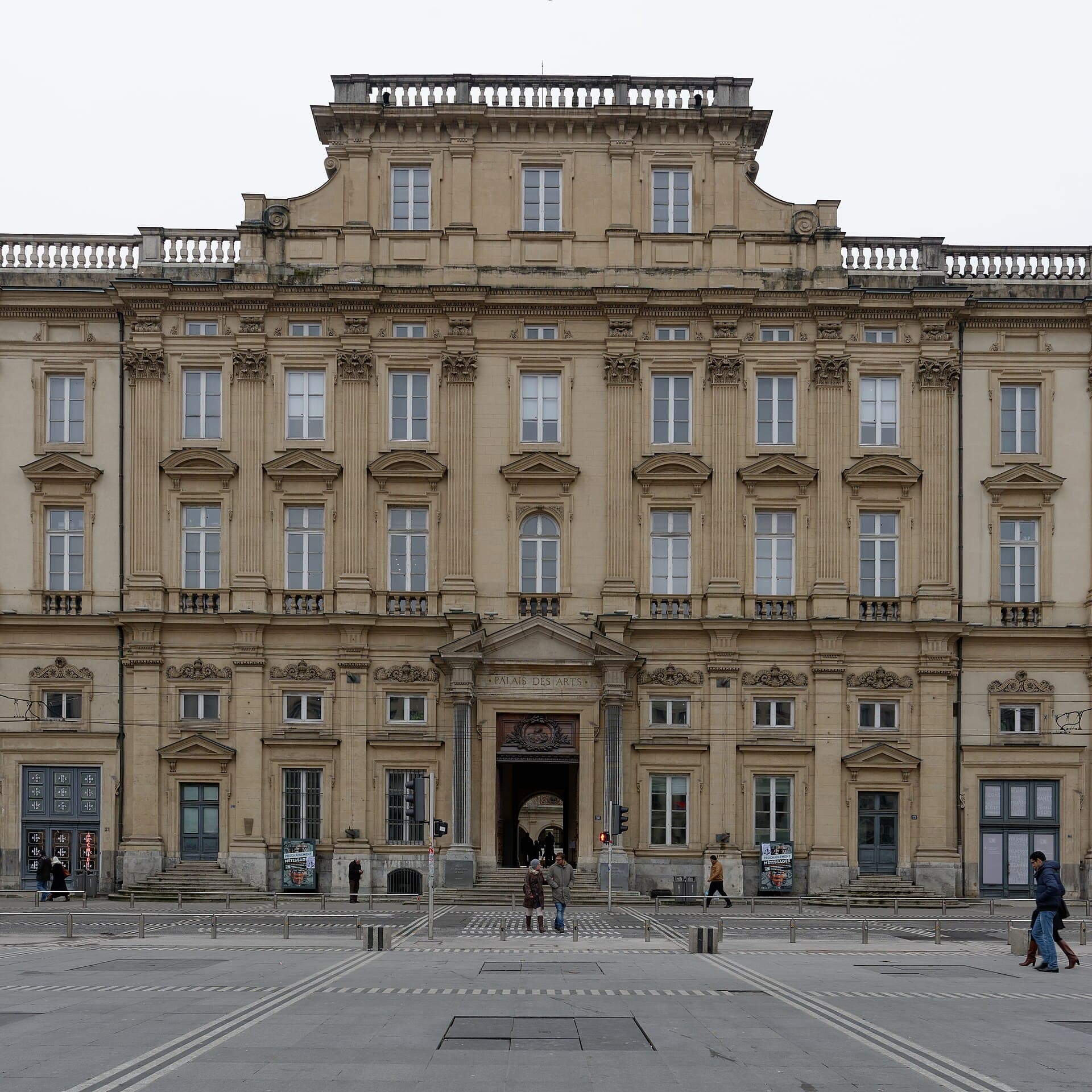 Museum of Fine Arts, LyonOne of the most important art museums in France outside Paris, occupying a seven2 minutes walk4.4
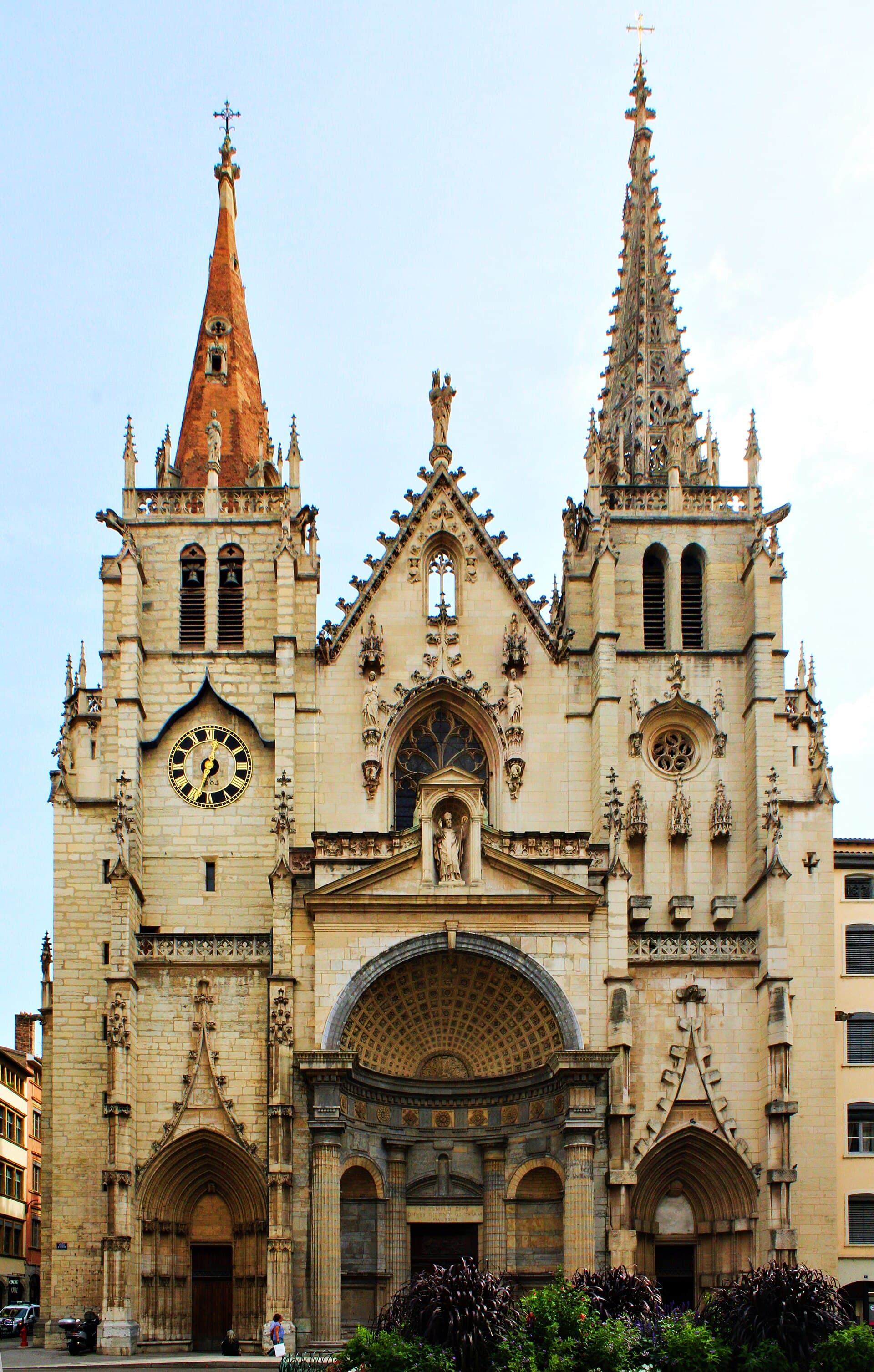 Church of Saint-NizierA Gothic church in the middle of the Presqu'île, among the most prominent religi4 minutes walk4.6
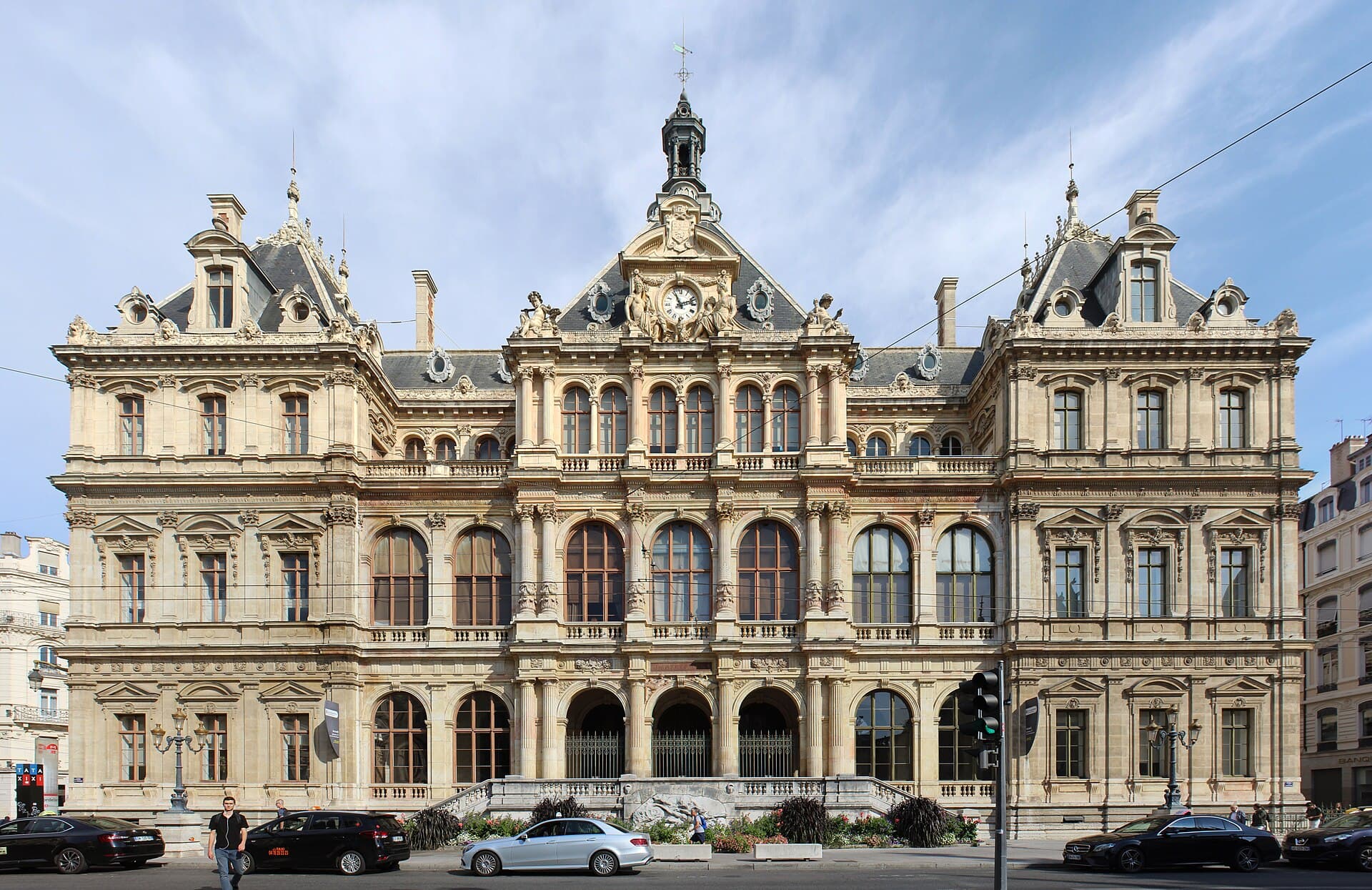 The Palais de la BourseA mid-nineteenth-century building in the heart of Lyon, built as the city's stoc5 minutes walk4.8
Not on ordinary days — it is a working seat of government. The exception is the European Heritage Days in September, when many French official buildings open free of charge; if your visit coincides, take the chance.
The square itself takes ten to twenty minutes: the city hall, the fountain and the facades. But the Museum of Fine Arts opposite needs at least two hours, so plan the square as a starting point rather than a destination.