
The Cranach portraits
Two paintings of Martin Luther by Cranach.
JoachimKohler-HB — CC BY-SA 4.0 · MHM55 — CC BY-SA 4.0 · AbrahamdeBaptista — CC BY-SA 4.0 · AbrahamdeBaptista — CC BY-SA 4.0
The museum occupies the **Maison Mallet**, a small mansion built in 1723 by the banker Gédéon Mallet over the ground of the old cloister of Saint-Pierre cathedral — the very place where, on **21 May 1536**, the citizens of Geneva voted to adopt the Reformation, turning the city within a generation into a European intellectual capital. The museum opened in 2005, won the **Council of Europe Museum Prize for 2007**, and reopened after some twenty-one months of renovation with a new, strongly coloured staging. The permanent display runs through twelve rooms across the ground floor and basement, mixing paintings, manuscripts, engravings, books and audiovisual pieces: among them **two portraits of Martin Luther by Cranach**, a letter in Calvin's own hand, and testimony from the German theologian Dietrich Bonhoeffer, executed by the Nazis. The most useful practical feature: from the museum basement you pass directly into the **archaeological site beneath the cathedral**, which exposes the building's layers back to the fourth century. The subject is frankly specialised, and anyone with no interest in European religious history may find an hour enough. But it explains Geneva itself better than any other museum here: why the city became a place of refugees, printing presses and banks, and later a city of international organisations. It stands against the cathedral at the top of the old town, and the combined ticket is what makes the visit add up.
Two paintings of Martin Luther by Cranach.
The hand of the man who shaped Geneva's mind for a century.
Straight from the museum basement to beneath the cathedral.
Cour de Saint-Pierre 10, 1204 Geneva
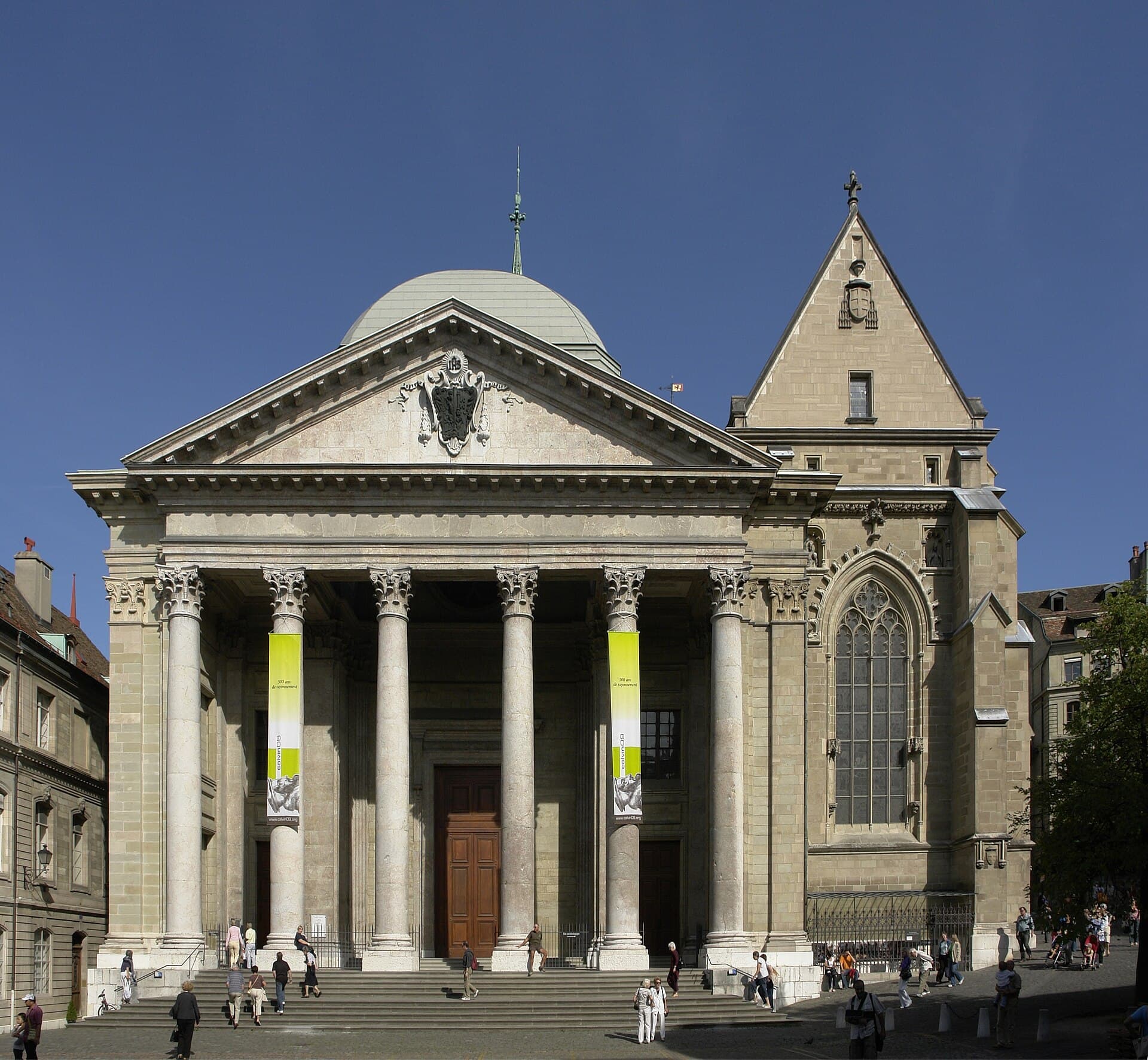 St Pierre CathedralAtop the old town sits Geneva's cathedral in its strange mixture: a twelfth-cent1 minute walk4.7
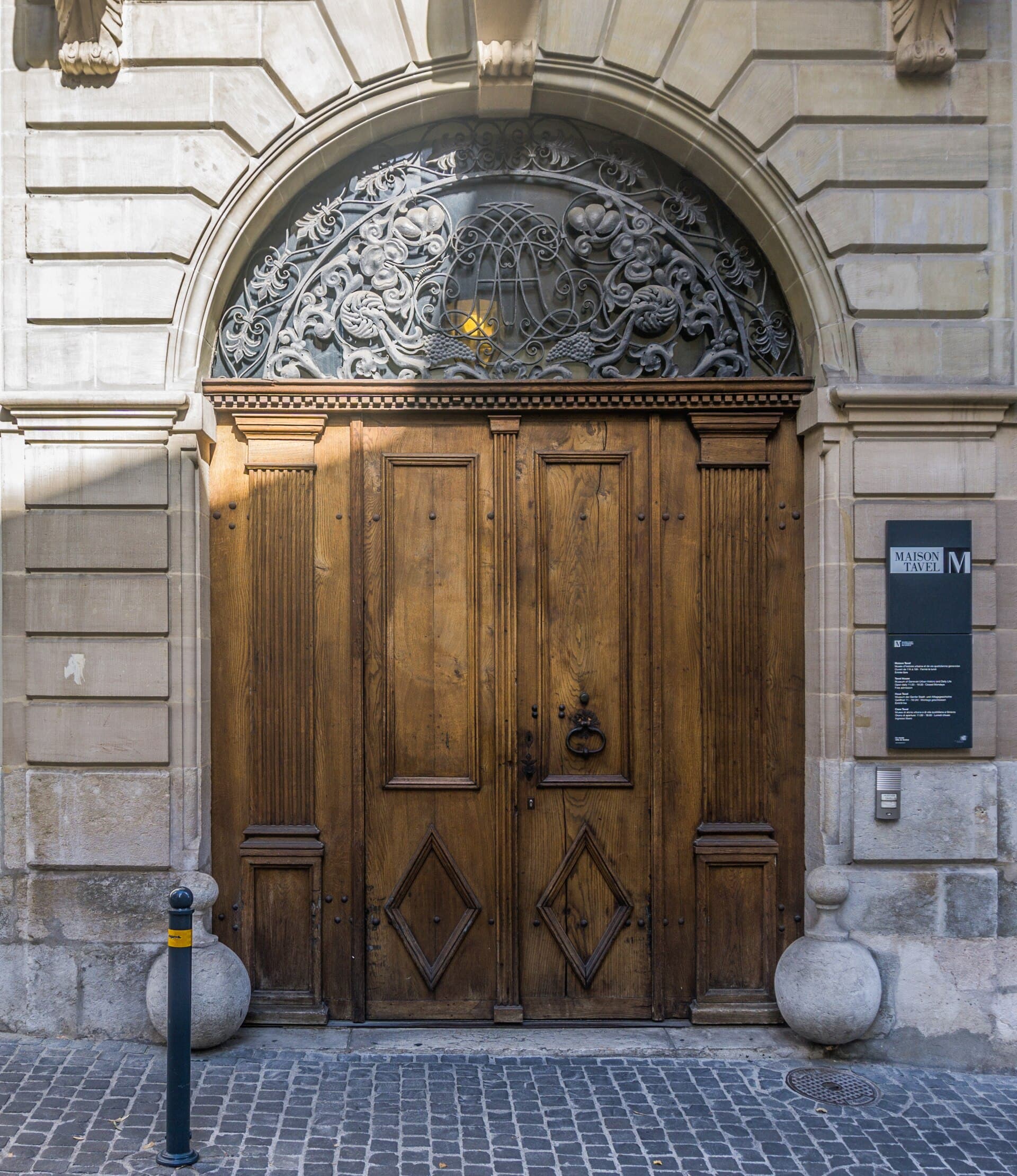 Maison TavelMaison Tavel is **the oldest surviving private house in Geneva**, standing a few1 minute walk4.6
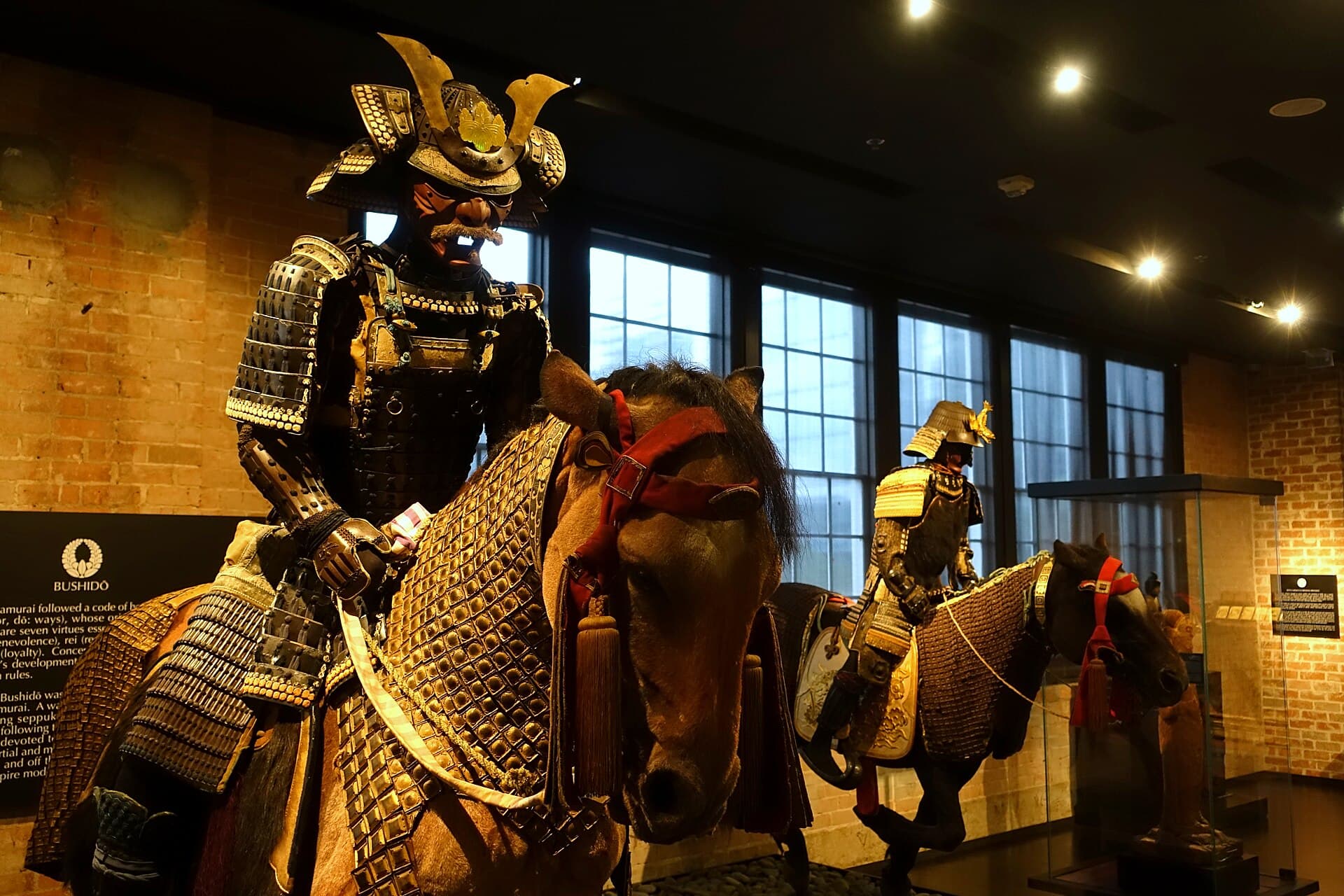 Musée Barbier-MuellerA small private museum in a sixteenth-century house in the heart of Geneva's old2 minutes walk4.4
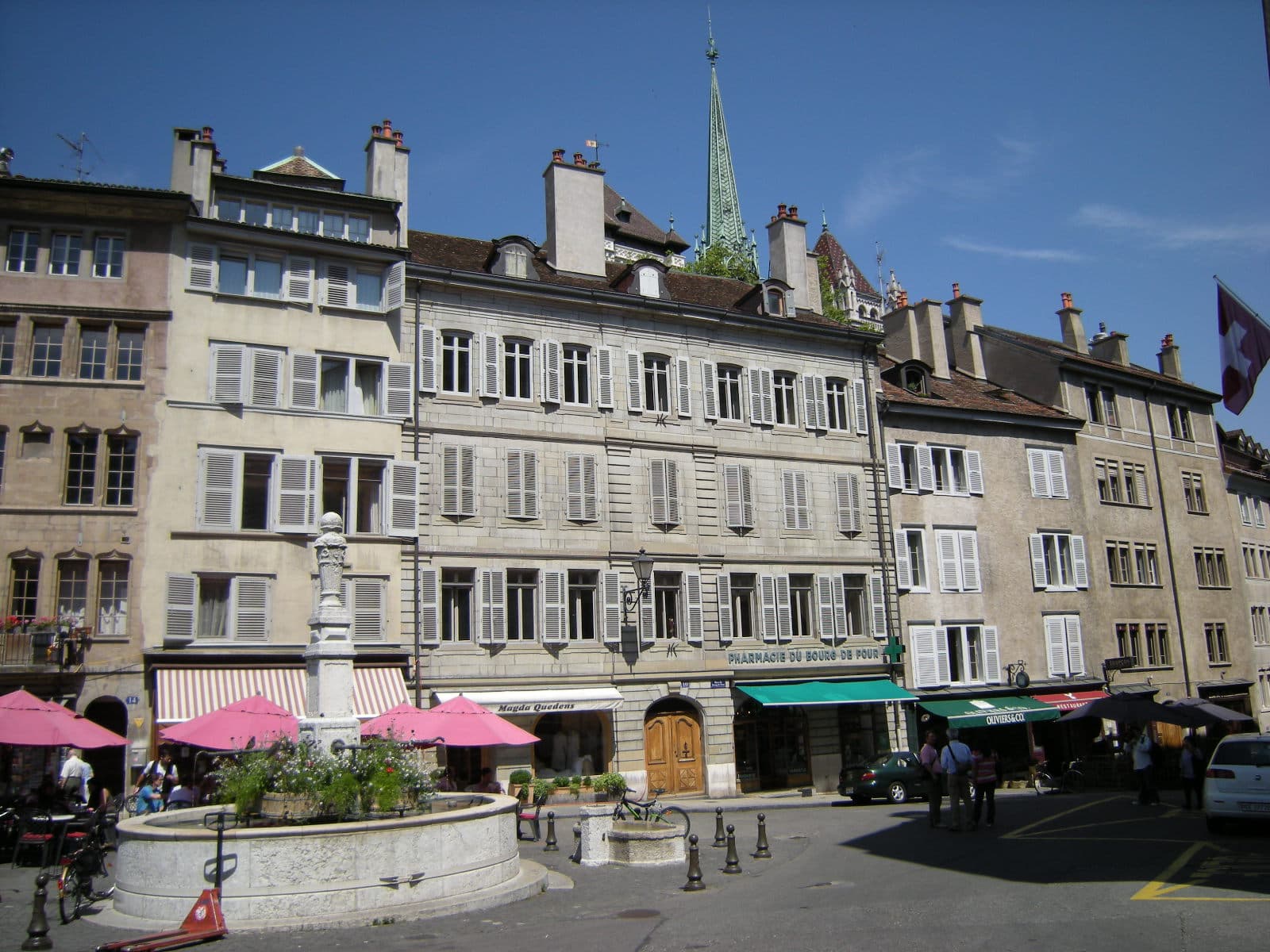 Place du Bourg-de-FourGeneva's oldest square and the upper town's heart: the Bourg-de-Four was a Roman2 minutes walk4.4
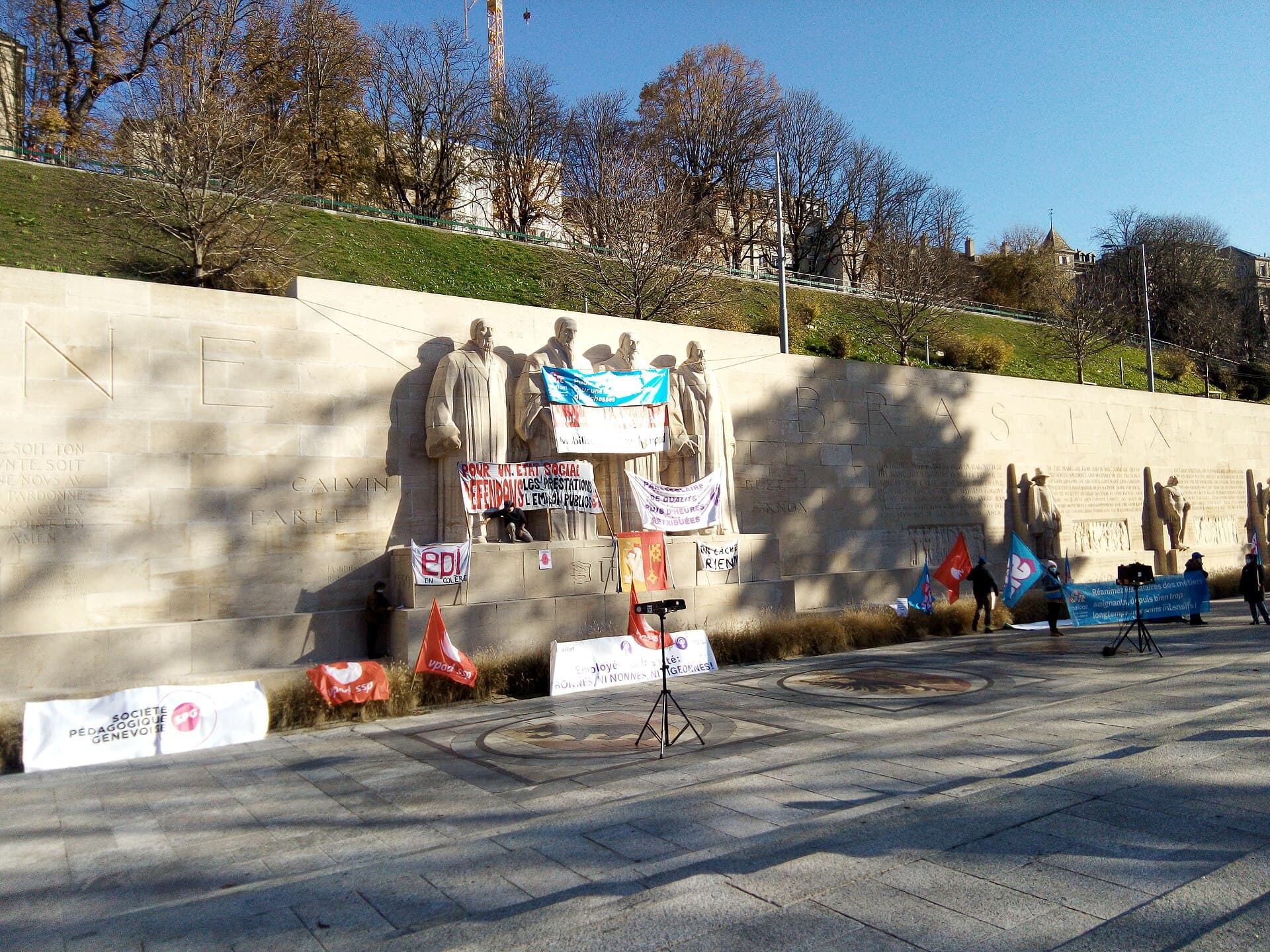 Reformation Wall & Parc des BastionsIn the Bastions park below the old-town ramparts runs the Reformation Wall's hun3 minutes walk4.6
The **combined ticket**, without hesitation. For about five francs more it adds the climb up the cathedral towers — the best paid view over city and lake — and the archaeological site beneath, which is in our view the most interesting part of the whole ensemble. The cathedral nave is free anyway, so do not pay for that. Budget three hours for the group, not one.
As history rather than doctrine: yes. The Reformation redrew Europe's political map and set off a century of war; from it came the idea of printed scripture in ordinary people's hands; and Geneva in particular became a refuge for thousands of French people fleeing religious persecution — a legacy that later made it the city of the Red Cross and the United Nations. The museum presents this in historical, not devotional, terms.