
The walk between sights
The Zwinger, the Frauenkirche, Brühl's Terrace and the Fürstenzug are all minutes apart.
Henry Mühlpfordt — CC BY-SA 3.0 · Bybbisch94, Christian Gebhardt — CC BY-SA 4.0 · Bybbisch94, Christian Gebhardt — CC BY-SA 4.0 · Bybbisch94, Christian Gebhardt — CC BY-SA 4.0
The Innere Altstadt is the historic heart of Dresden, where all its major sights stand within minutes of each other: the Zwinger, the Frauenkirche, the Residenzschloss, Brühl's Terrace, the Fürstenzug and the opera house. One story binds them: this area was flattened in the bombing of February 1945, and what you see today is the result of seventy years of rebuilding, some in the East German era and some after reunification. Walking it is free, and you can see every façade without buying a single ticket — the tickets are only for the museums.
The Zwinger, the Frauenkirche, Brühl's Terrace and the Fürstenzug are all minutes apart.
The opera house square with its surrounding buildings — among the finest architectural squares in Germany.
Crossing to the north bank gives you the whole old town in a single frame.
Innere Altstadt, 01067 Dresden
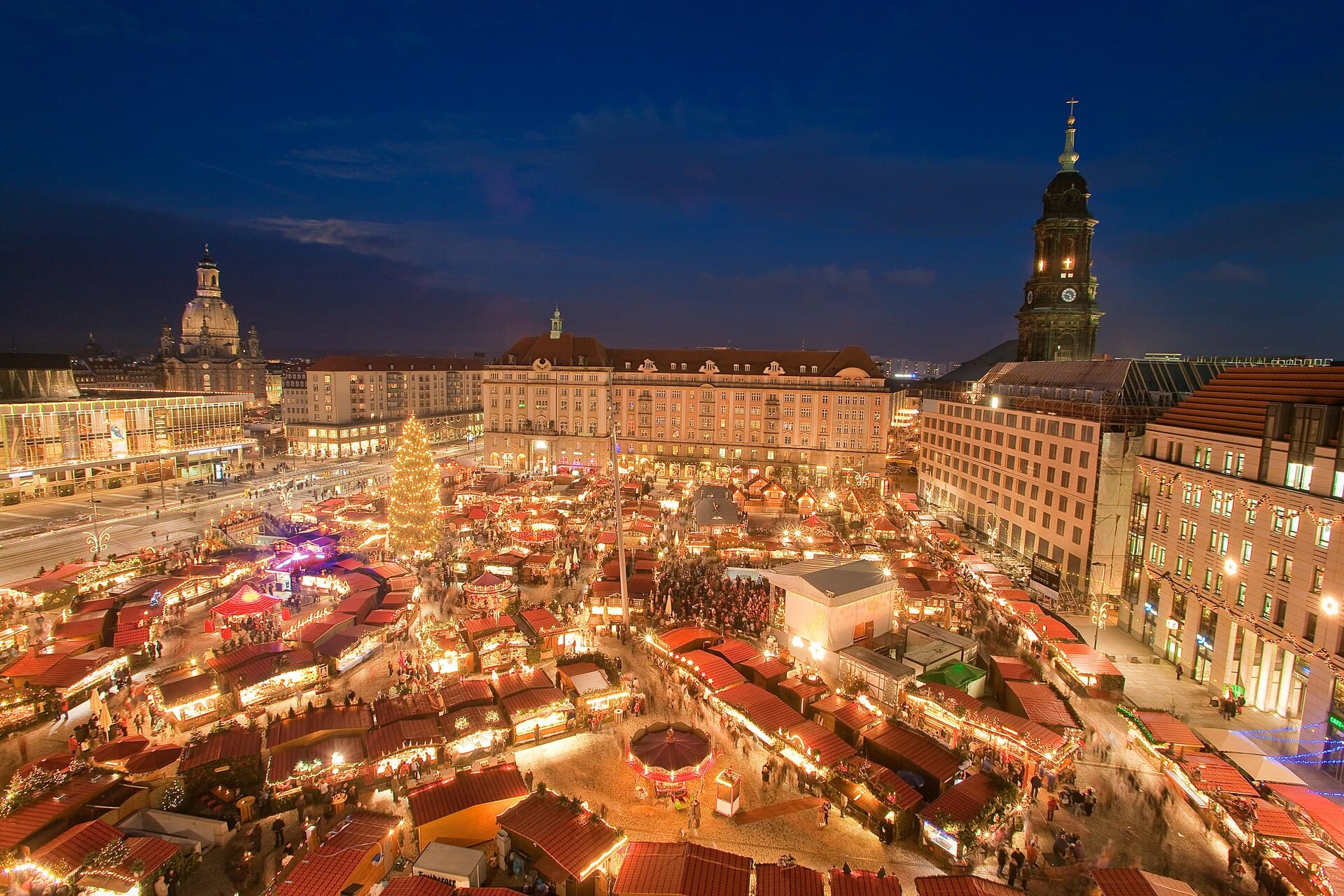 StriezelmarktThe Striezelmarkt is Germany's oldest Christmas market, first recorded in 1434. 1 minute walk4.8
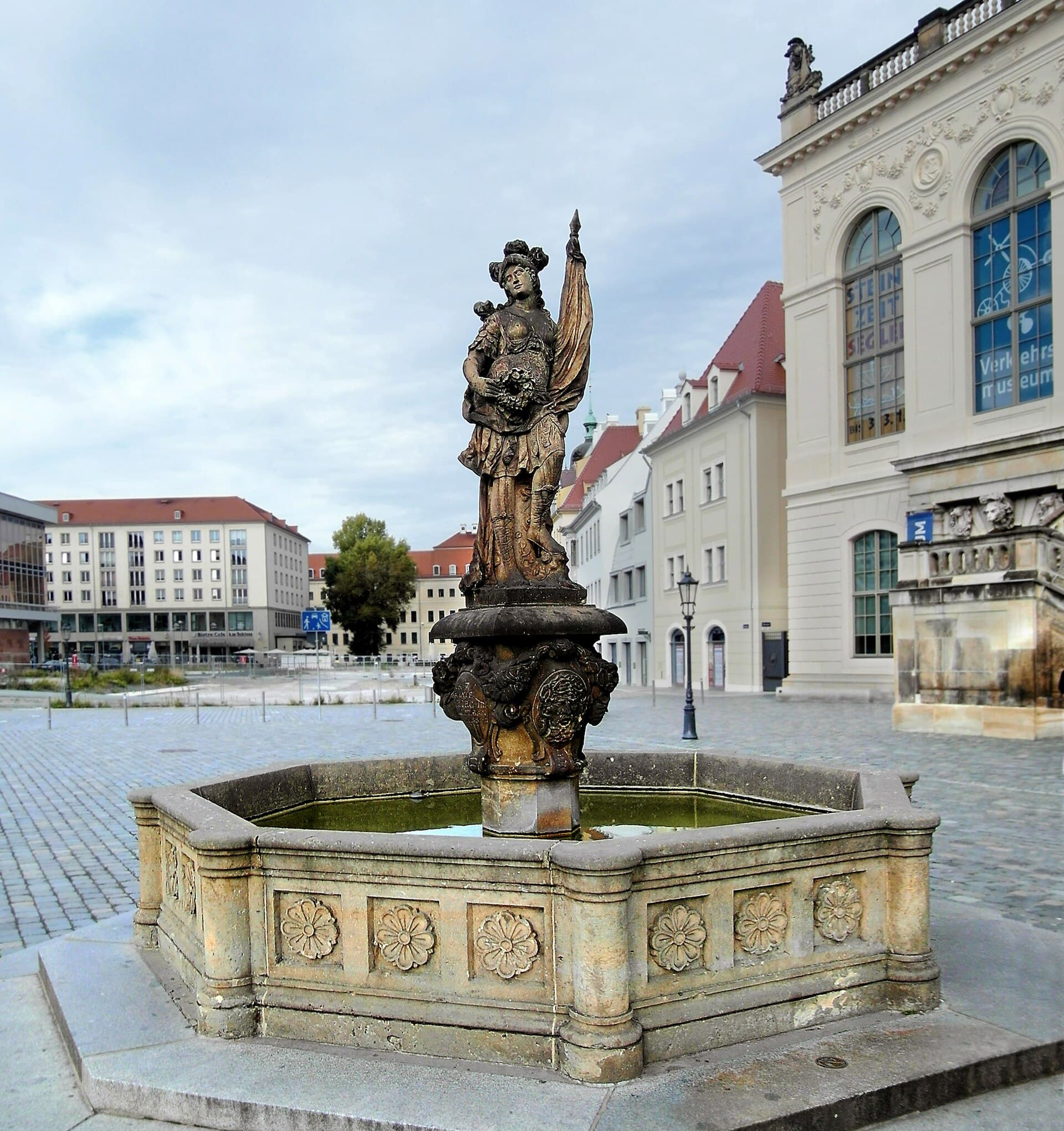 The Peace FountainAn early seventeenth-century stone fountain in central Dresden, known by two nam2 minutes walk4.7
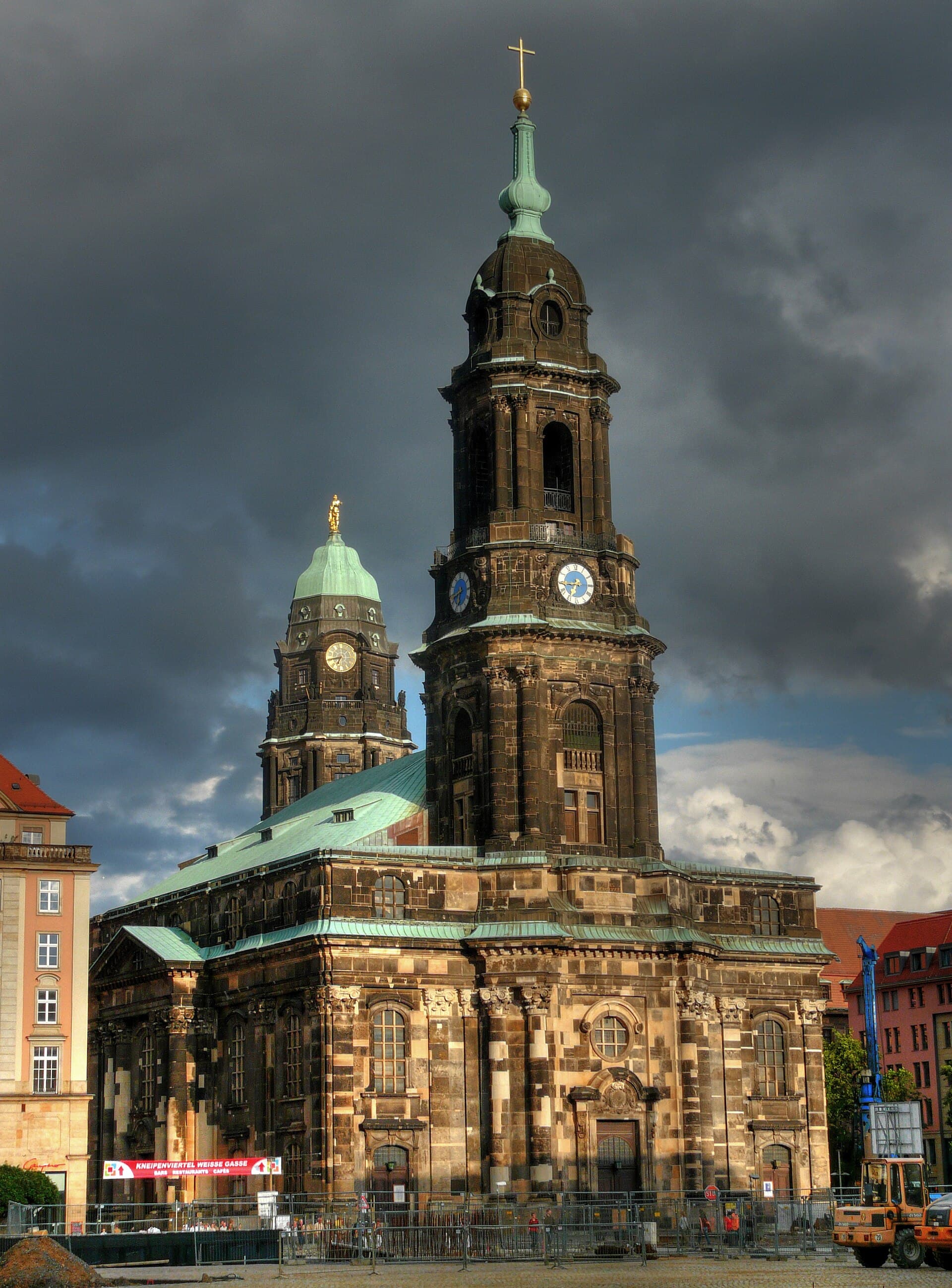 Kreuzkirche DresdenThe Kreuzkirche is the largest church in Saxony and the oldest in Dresden. It ha2 minutes walk4.5
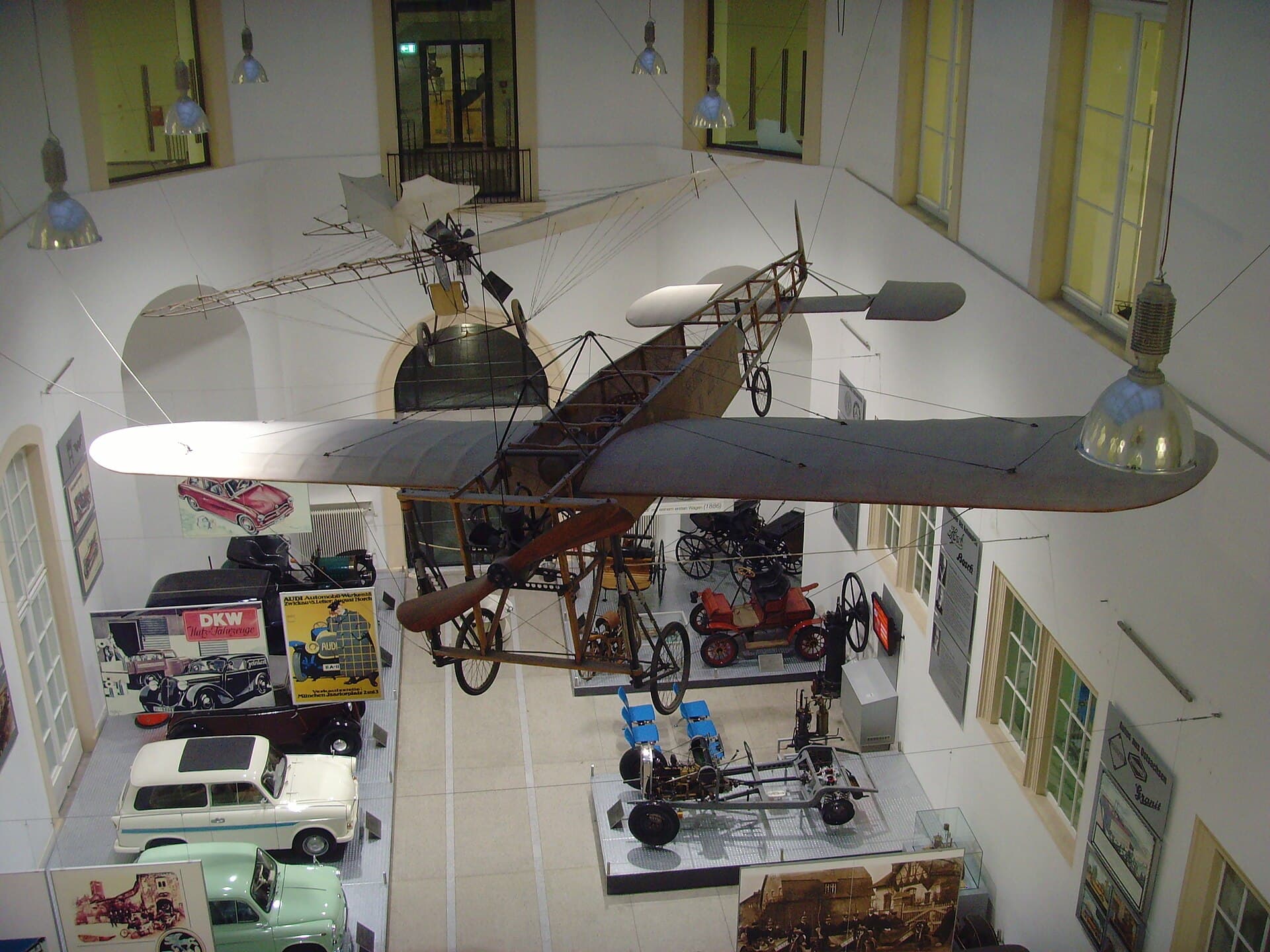 Dresden Transport MuseumThe Dresden Transport Museum occupies the historic Johanneum building in the hea2 minutes walk4.5
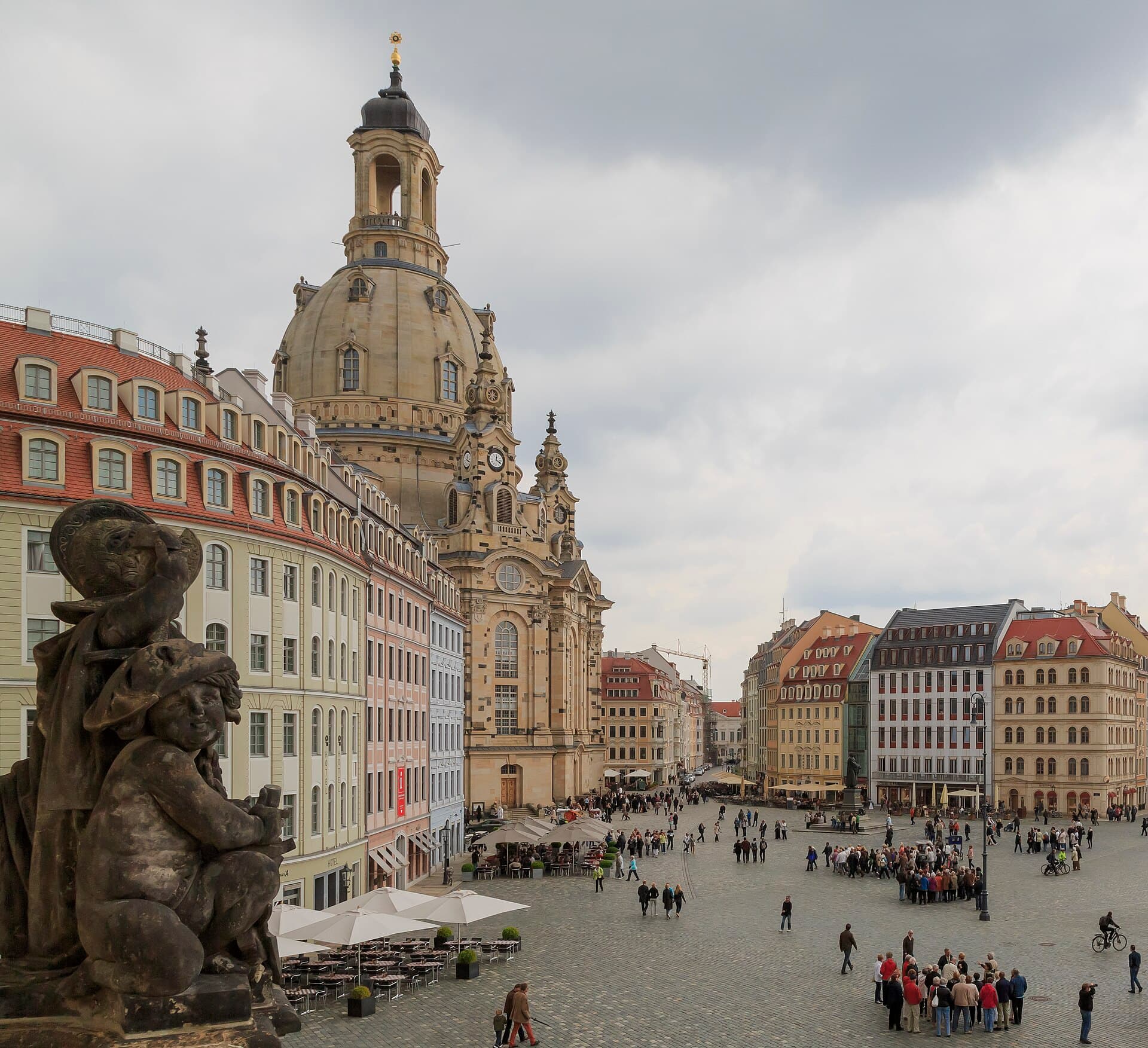 NeumarktThe Neumarkt is the square the Frauenkirche stands in. Before nineteen forty-fiv3 minutes walk4.7
An hour and a half to walk between the sights and see the façades alone; a full day if you go into two or three museums. The area is small and concentrated, which makes Dresden easy on a short visit.
Mostly not. The bombing of February 1945 destroyed the area almost entirely. The monuments were rebuilt over many years from plans and photographs, reusing original stone where possible, as at the Frauenkirche. The site is historic; the buildings are careful reconstructions.
Start at the Zwinger, then Theaterplatz, then the Residenzschloss and the Fürstenzug, then the Frauenkirche, ending on Brühl's Terrace by the river. That is a loop that never doubles back and takes about two hours.