
Two names, one fountain
Peace Fountain officially, Turk Fountain locally.
Jörg Blobelt — CC BY-SA 4.0 · Jörg Blobelt — CC BY-SA 4.0 · Jörg Blobelt — CC BY-SA 4.0 · SchiDD — CC BY-SA 4.0
An early seventeenth-century stone fountain in central Dresden, known by two names: the Peace Fountain and the Turk Fountain, the second being the older and more commonly used locally. The name comes from the form of the figure surmounting it, traditionally read as an Ottoman warrior. That reflects a genuine preoccupation: in the sixteenth and seventeenth centuries the Ottoman Empire was the military power that occupied central Europe's attention, and its armies reached the walls of Vienna twice — in 1529 and 1683. The wars with the Ottomans funded and organised the armies of the German principalities, and left a wide trace in their art, architecture and even their cooking. The fountain is among the oldest surviving pieces of Dresden's urban fabric from before the Baroque era that later shaped the city under Augustus the Strong. Practical points: free and always open in public space. The visit is minutes on a walk through the centre.
Peace Fountain officially, Turk Fountain locally.
1529 and 1683 — both shaped central European consciousness for centuries.
The Ottoman wars marked art, architecture and cooking alike.
Historic centre, Dresden
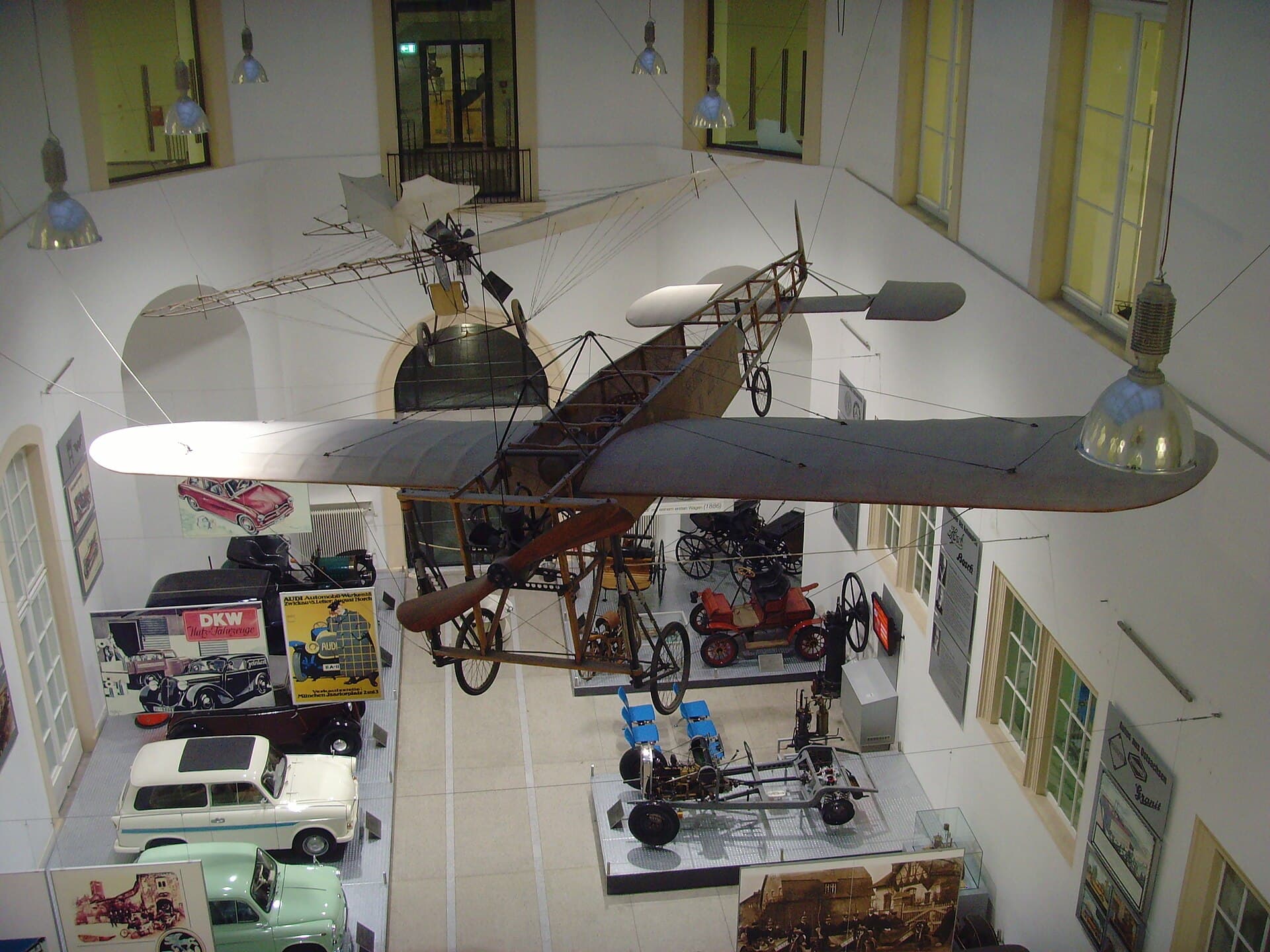 Dresden Transport MuseumThe Dresden Transport Museum occupies the historic Johanneum building in the hea1 minute walk4.5
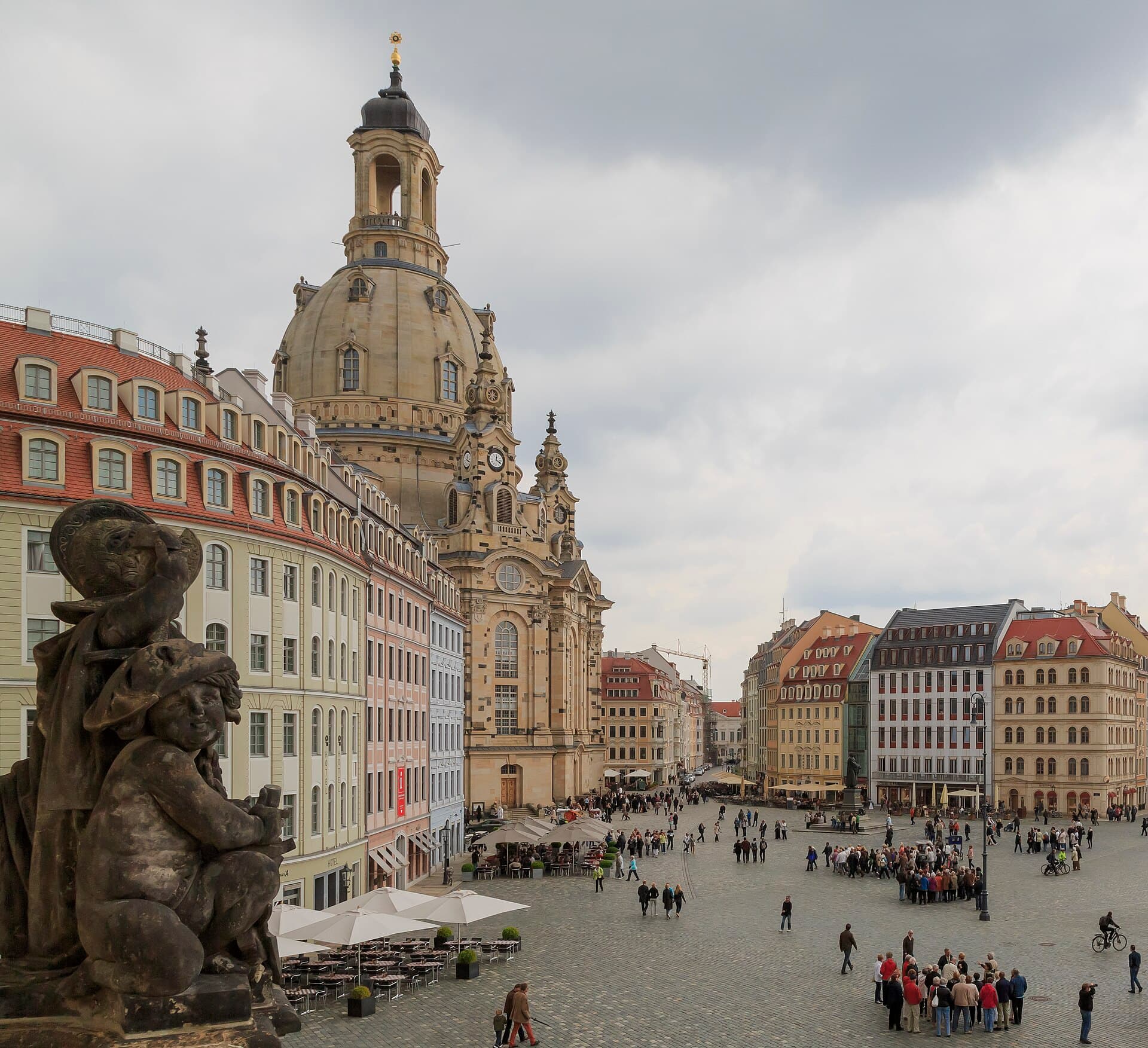 NeumarktThe Neumarkt is the square the Frauenkirche stands in. Before nineteen forty-fiv1 minute walk4.7
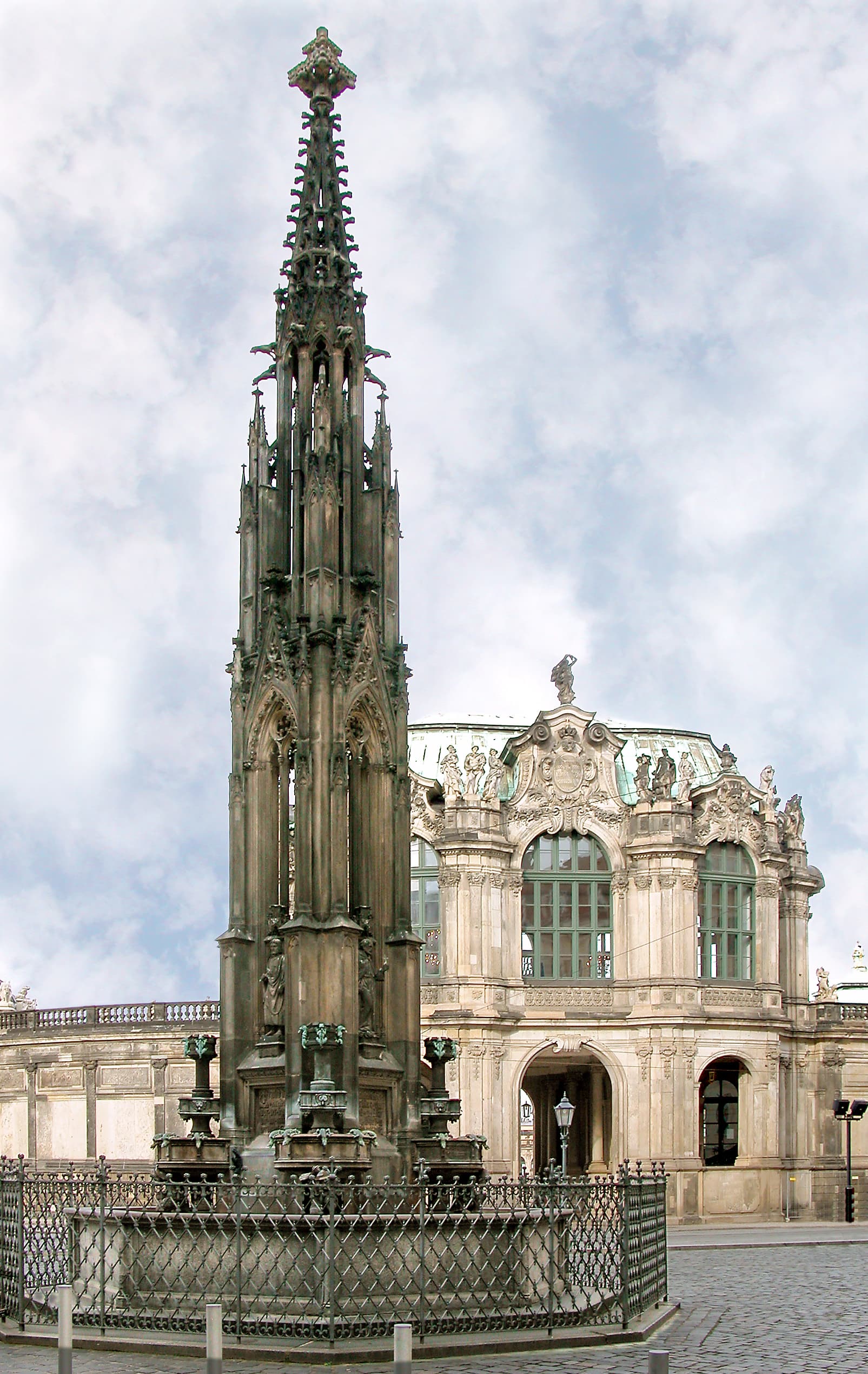 Cholera FountainThe Cholera Fountain is a Gothic-styled stone monument standing near Dresden's o1 minute walk4.8
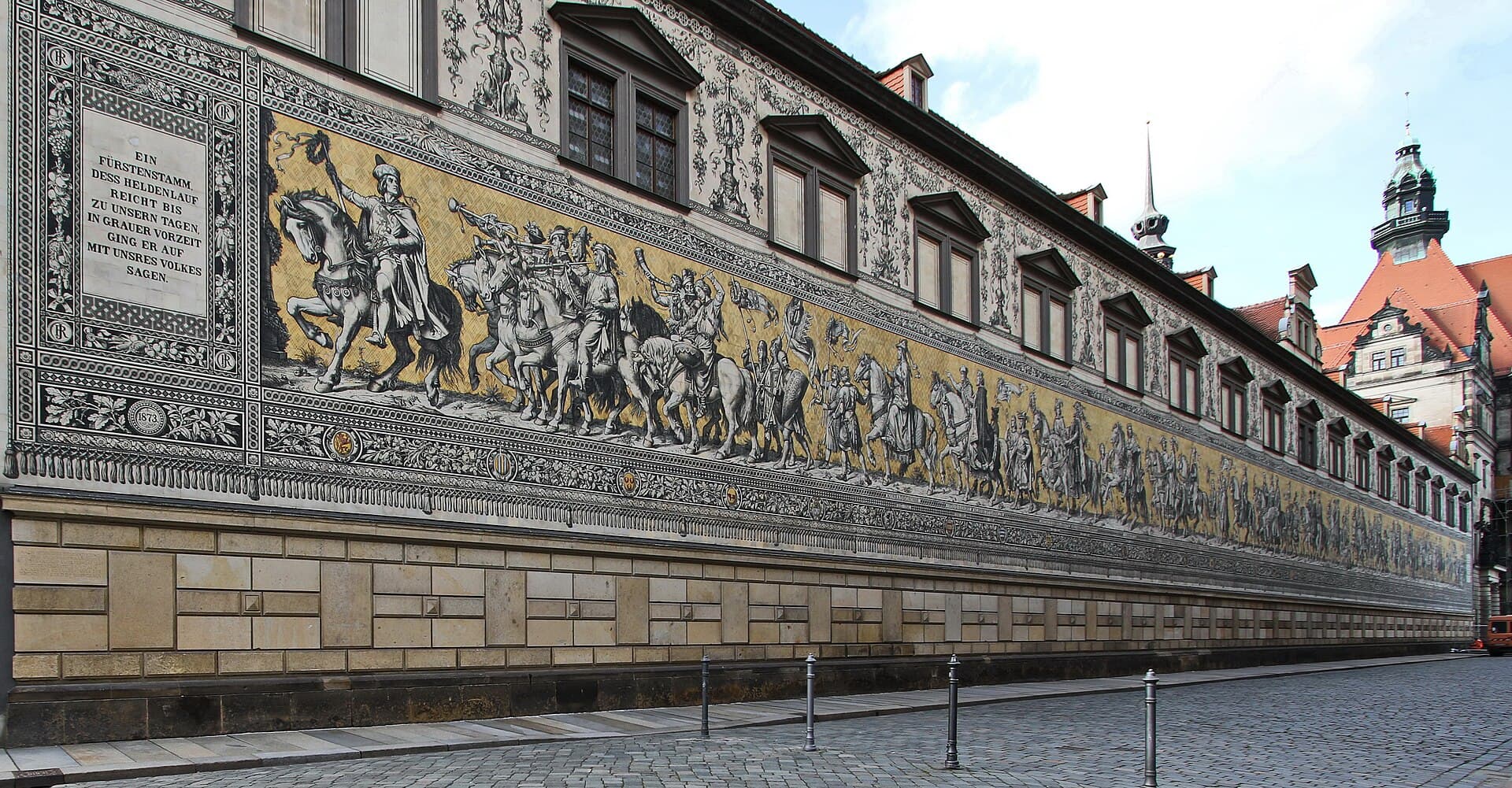 FürstenzugThe Fürstenzug is a huge mural on a wall along Augustusstraße, one hundred and t2 minutes walk4.7
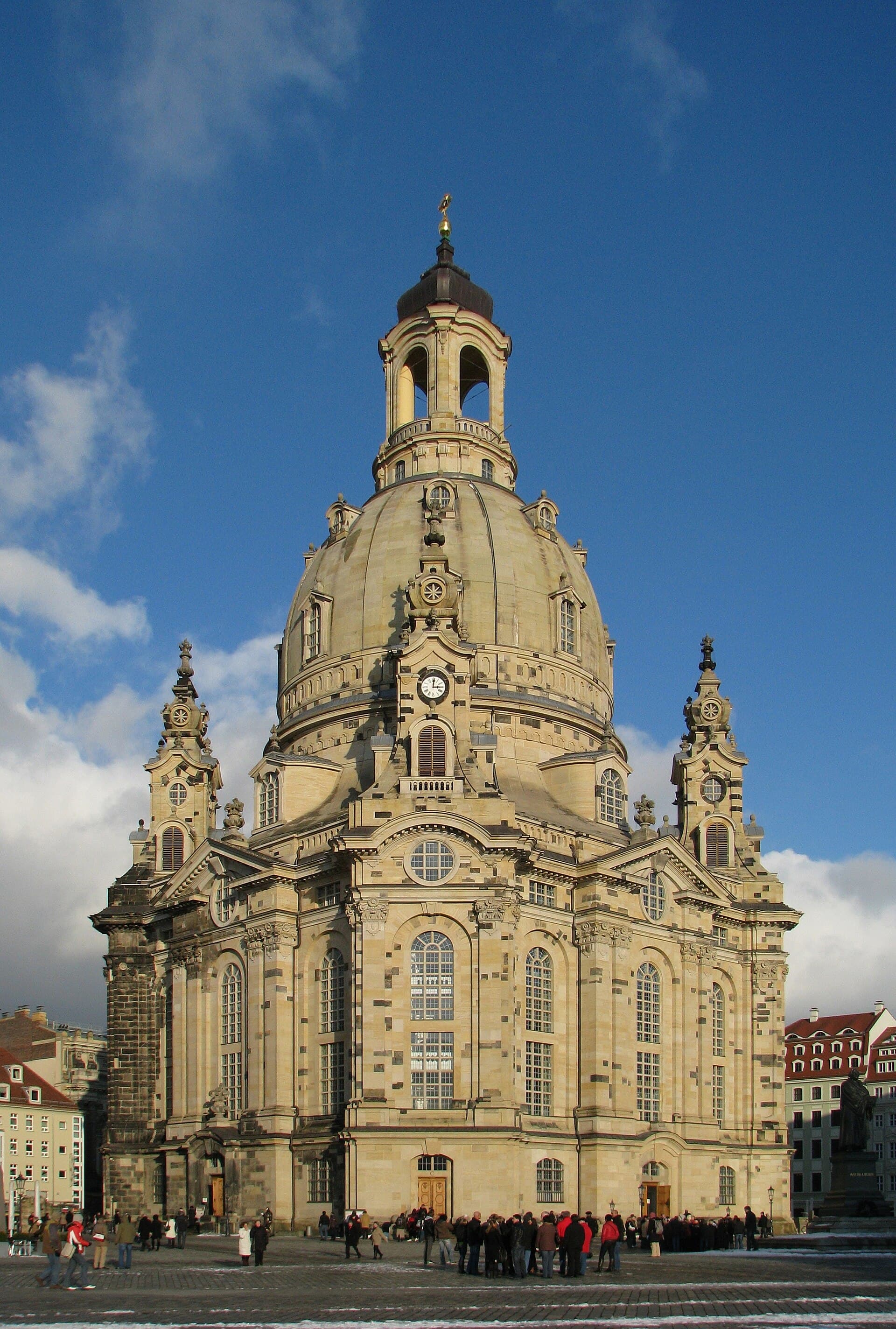 Frauenkirche DresdenThe Frauenkirche is Dresden's most important and most symbolic building. Built i2 minutes walk4.7
More than most people assume. The wars funded standing armies and tax bureaucracies, the foundations of the modern state in the region. They also left a cultural trace: coffee spread in Vienna after the 1683 siege, and Turkish ornament, dress and music became a European fashion in the eighteenth century — both Mozart and Beethoven wrote pieces alla turca. This fountain belongs to that layer.
The Zwinger and its museums, the Frauenkirche rebuilt from its original rubble, the Green Vault in Dresden Castle, and the Brühl Terrace along the Elbe. The city is small and its centre entirely walkable; two days cover its most important sights.