
Roman underfloor heating
Remains of the hypocaust system, among the clearest things to read on site.
Arnaud Fafournoux — CC BY-SA 3.0 · Marie-Lan Nguyen — Public domain
An archaeological site on the Fourvière hill holding the remains of what is most likely the palace of the Roman governor of Lugdunum, a relatively recent identification among the city's discoveries. Lugdunum was no ordinary Roman town: it was the capital of Gaul, the governor's seat and an imperial mint, and at least two emperors were born there. An administrative building of this size on the best position on the hill reflects that weight directly. What you see today is foundations, floors, low walls and the remains of an underfloor heating system. It asks for a degree of imagination — there are no standing columns or arches, and reading the site depends on the interpretive panels. Practical points: the site lies in the same archaeological area as the Roman theatres and the Lugdunum museum, so visit it as part of that rather than on its own. Entry to the archaeological area is free and the museum is ticketed. The visit is short, twenty to forty minutes.
Remains of the hypocaust system, among the clearest things to read on site.
The site itself is evidence of the building's rank in the city.
Foundations and low walls, not columns — read the panels before looking.
Fourvière hill, near the Roman theatres, Lyon
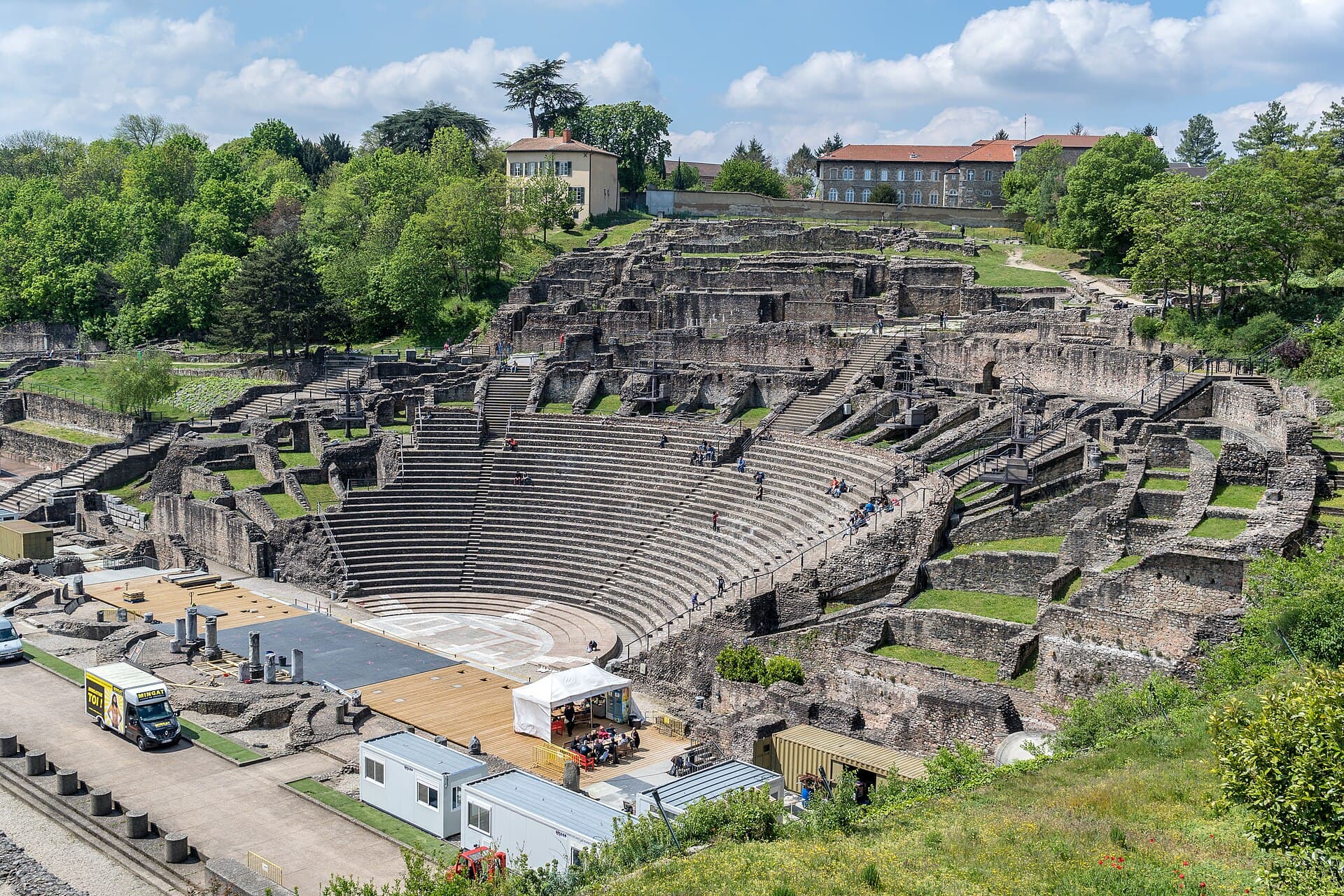 Roman Theatres of FourvièreBefore Lyon was French it was Lugdunum — capital of Roman Gaul and birthplace of1 minute walk4.6
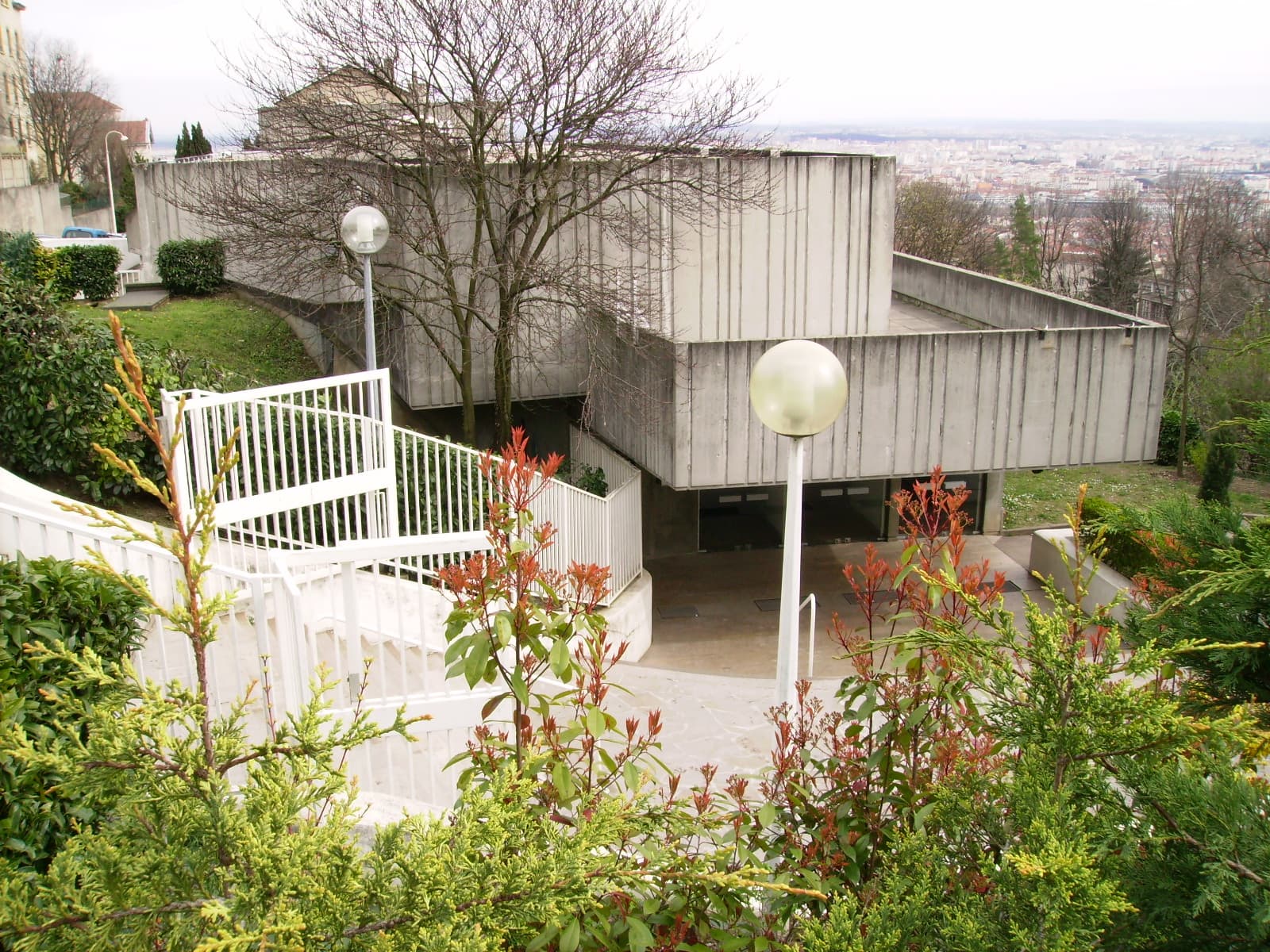 Lugdunum MuseumLugdunum is Roman Lyon's memory: a museum buried in the Fourvière hill beside th2 minutes walk4.7
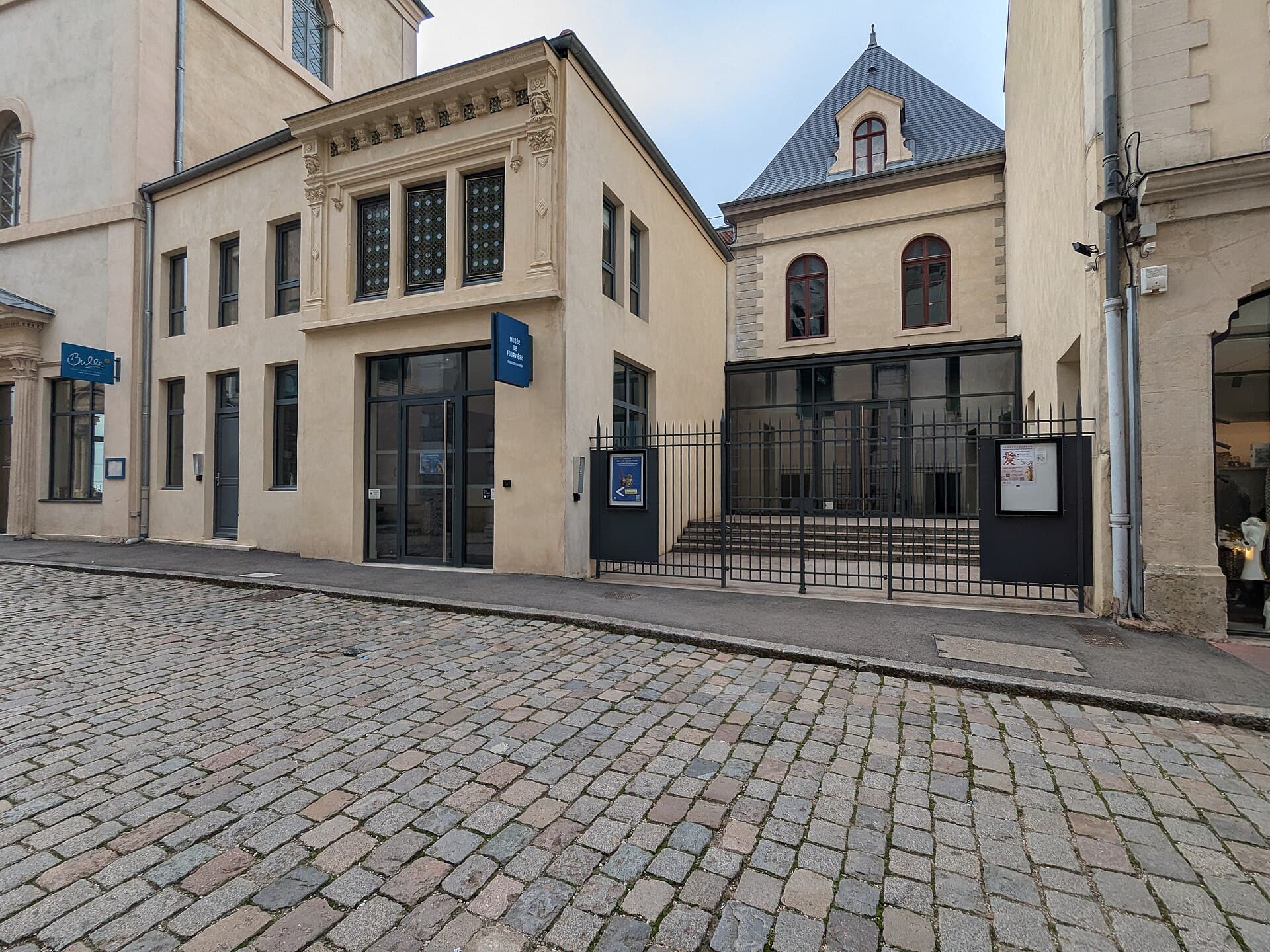 Fourvière Museum of Sacred ArtA small museum within the complex of the basilica of Notre-Dame de Fourvière, sh5 minutes walk4.1
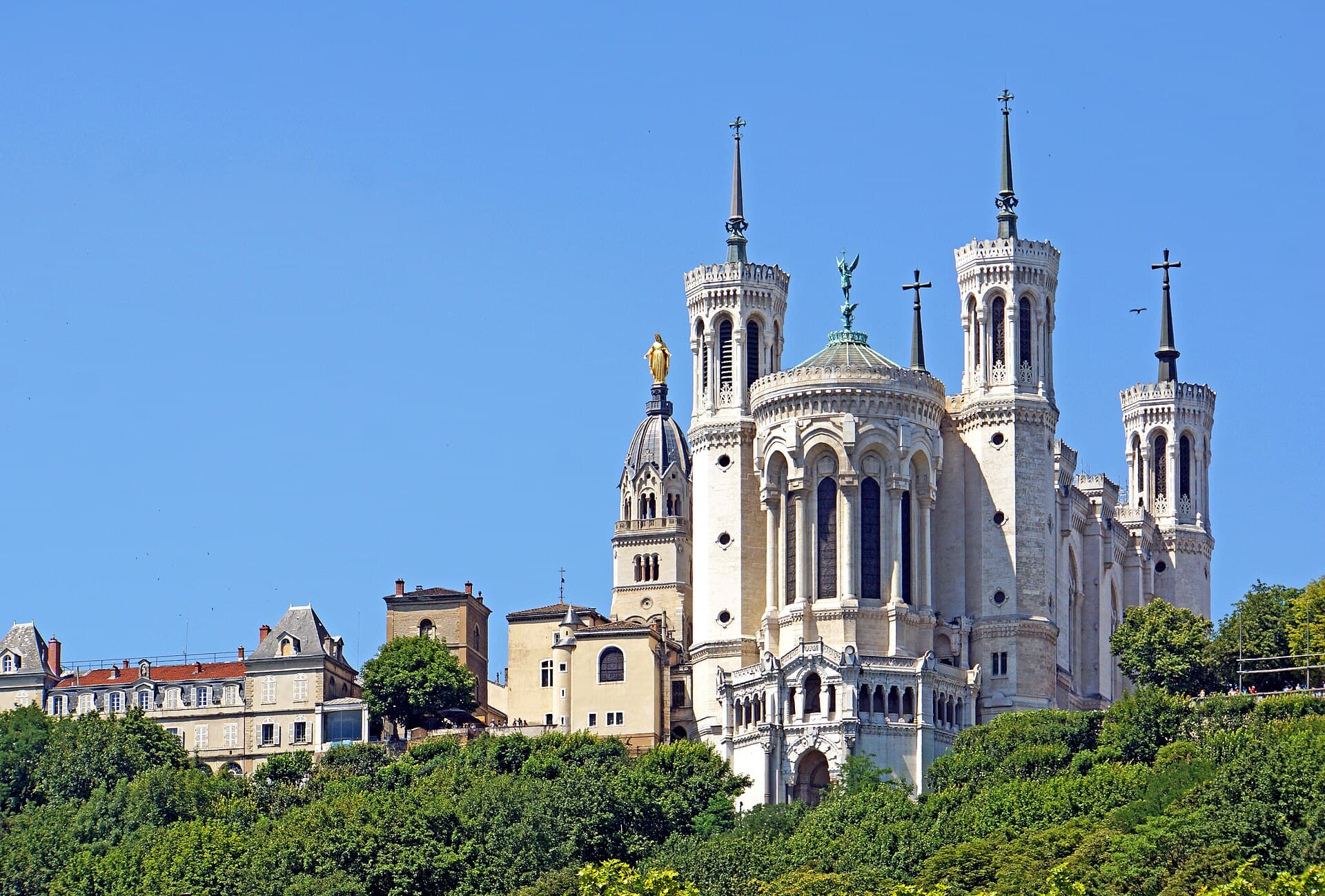 Basilica of FourvièreThe Basilica of Fourvière crowns Lyon's white hill and shows from the whole city5 minutes walk4.9
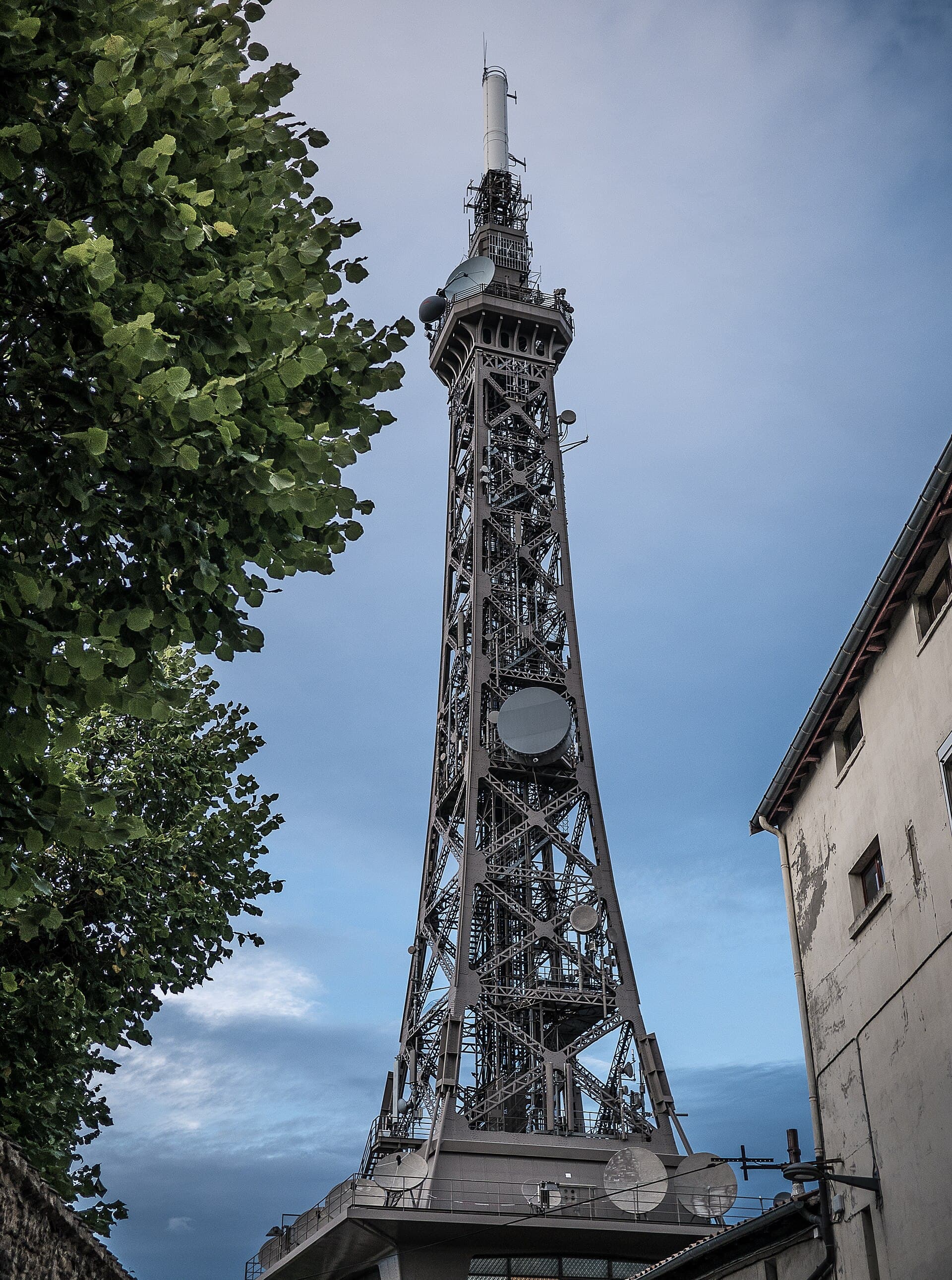 Fourvière Metallic TowerA metal tower on the Fourvière hill beside the basilica, built at the end of the7 minutes walk3.7
No. The site is modest visually and needs context. But it is minutes from the Roman theatres and the Lugdunum museum, and visiting it within them adds a layer to understanding the Roman city. See the museum first, then the site — the order changes what you see.
A comfortable half day: the Lugdunum museum ninety minutes to two hours, the Roman theatres thirty to sixty minutes, this site half an hour, plus the basilica and the view at the top. All within a short walk of each other.