
The Claudian Tablet
The emperor's own speech engraved in bronze — Rome's document in its hand.
Alorange — Public domain · Romainbehar — CC0 · Romainbehar — CC0 · Romainbehar — CC0
Lugdunum is Roman Lyon's memory: a museum buried in the Fourvière hill beside the two Roman theatres it serves — a stroke of concrete architecture (1975) spiralling down into the hill's belly almost windowless, so you descend through time while its few windows open onto the living ruins outside. Lyon was Lugdunum, capital of the three Roman Gauls and birthplace of two emperors — and the museum's treasures explain it: the bronze Claudian Tablet with the emperor's original engraved speech, the vast chariot-race mosaic, and coins struck here when the city was the western empire's mint. Outside, the two Roman theatres (free) are Gaul's largest — still hosting the Nuits de Fourvière festival each summer. The trio — museum, theatres and the Fourvière basilica above — makes old Lyon's complete morning.
The emperor's own speech engraved in bronze — Rome's document in its hand.
A concrete ramp into the hill overlooking the ruins.
Gaul's largest — still performing each summer.
17 rue Cléberg, 69005 Lyon
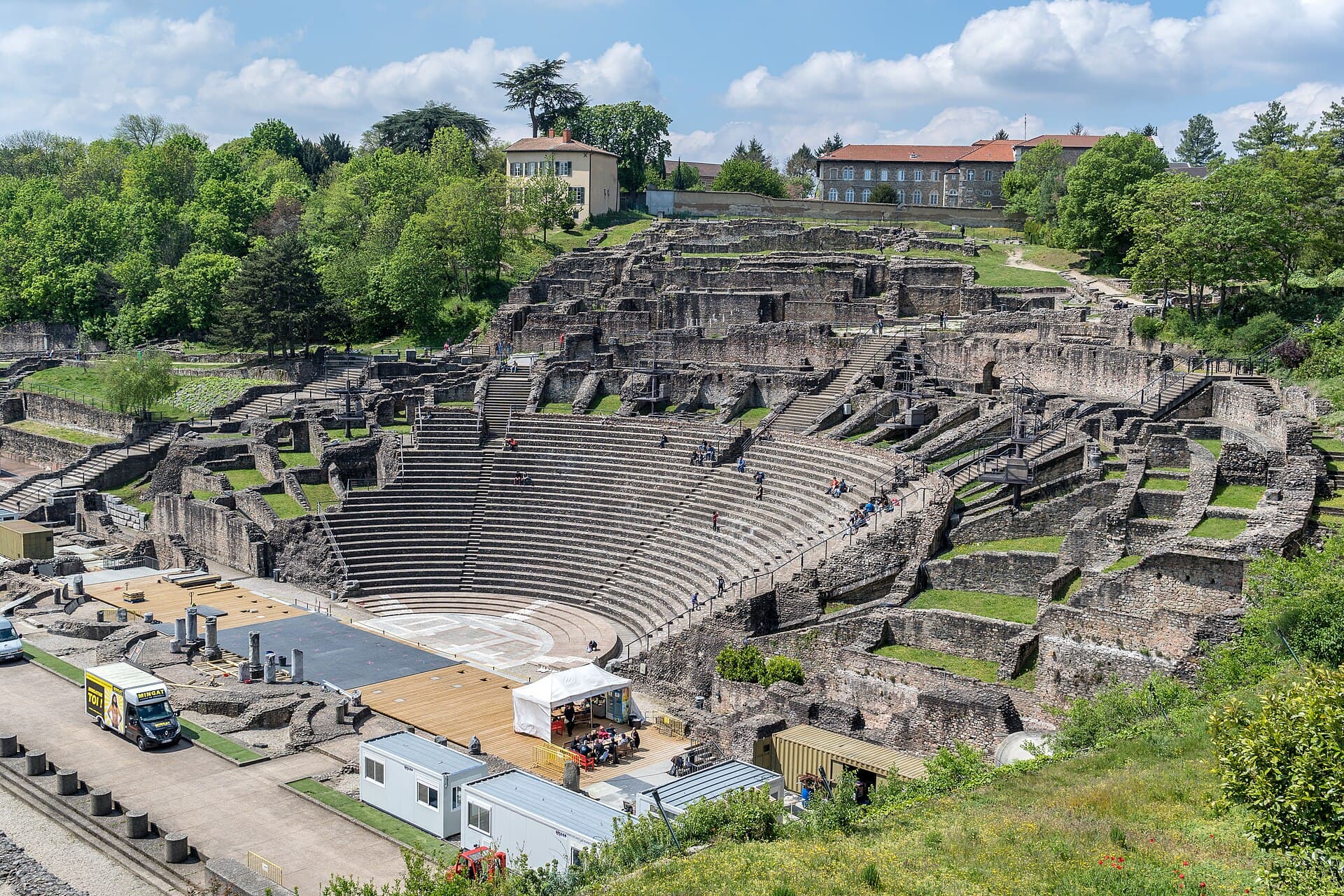 Roman Theatres of FourvièreBefore Lyon was French it was Lugdunum — capital of Roman Gaul and birthplace of1 minute walk4.6
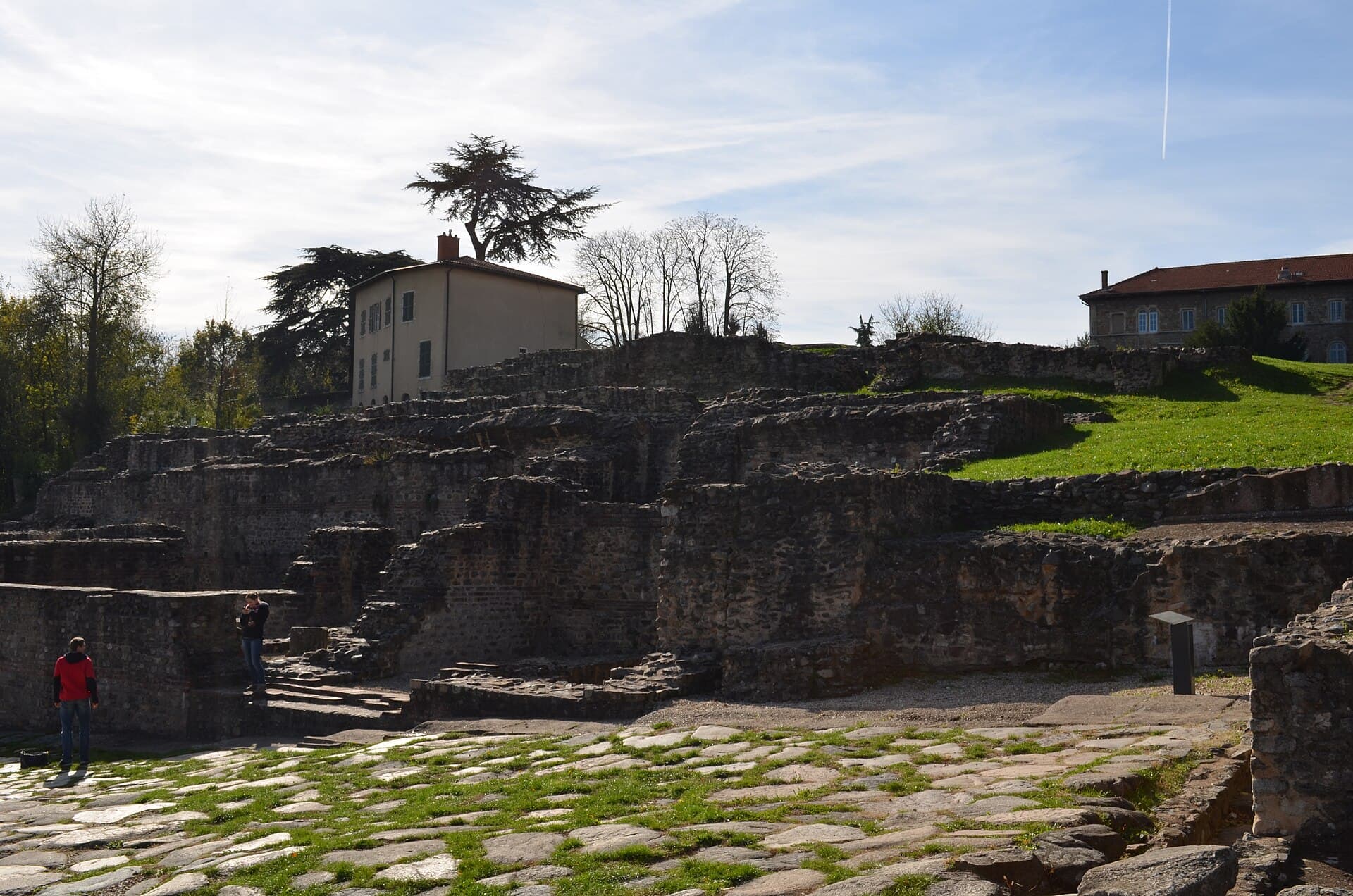 Governor's Palace of LugdunumAn archaeological site on the Fourvière hill holding the remains of what is most2 minutes walk4.8
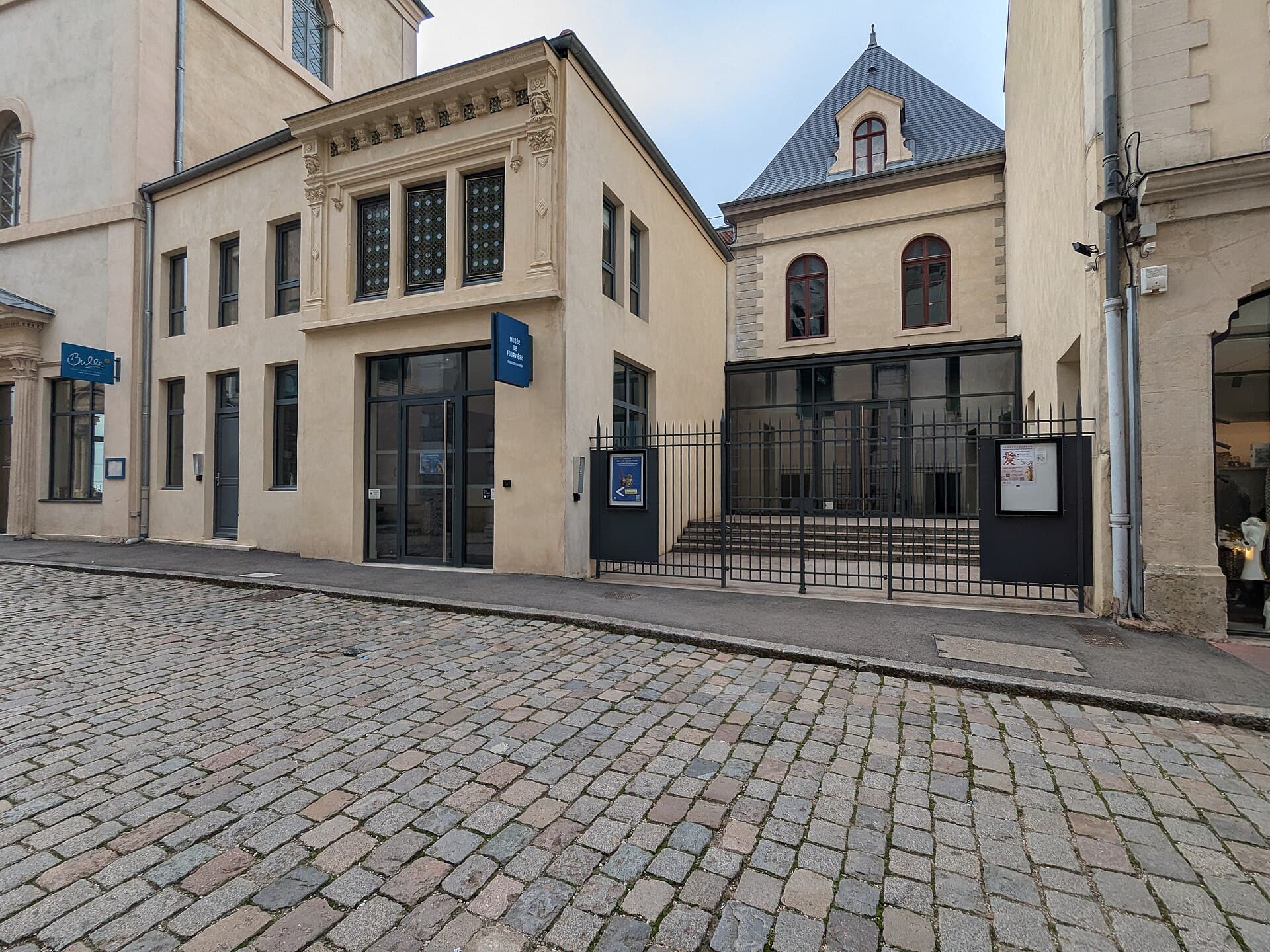 Fourvière Museum of Sacred ArtA small museum within the complex of the basilica of Notre-Dame de Fourvière, sh4 minutes walk4.1
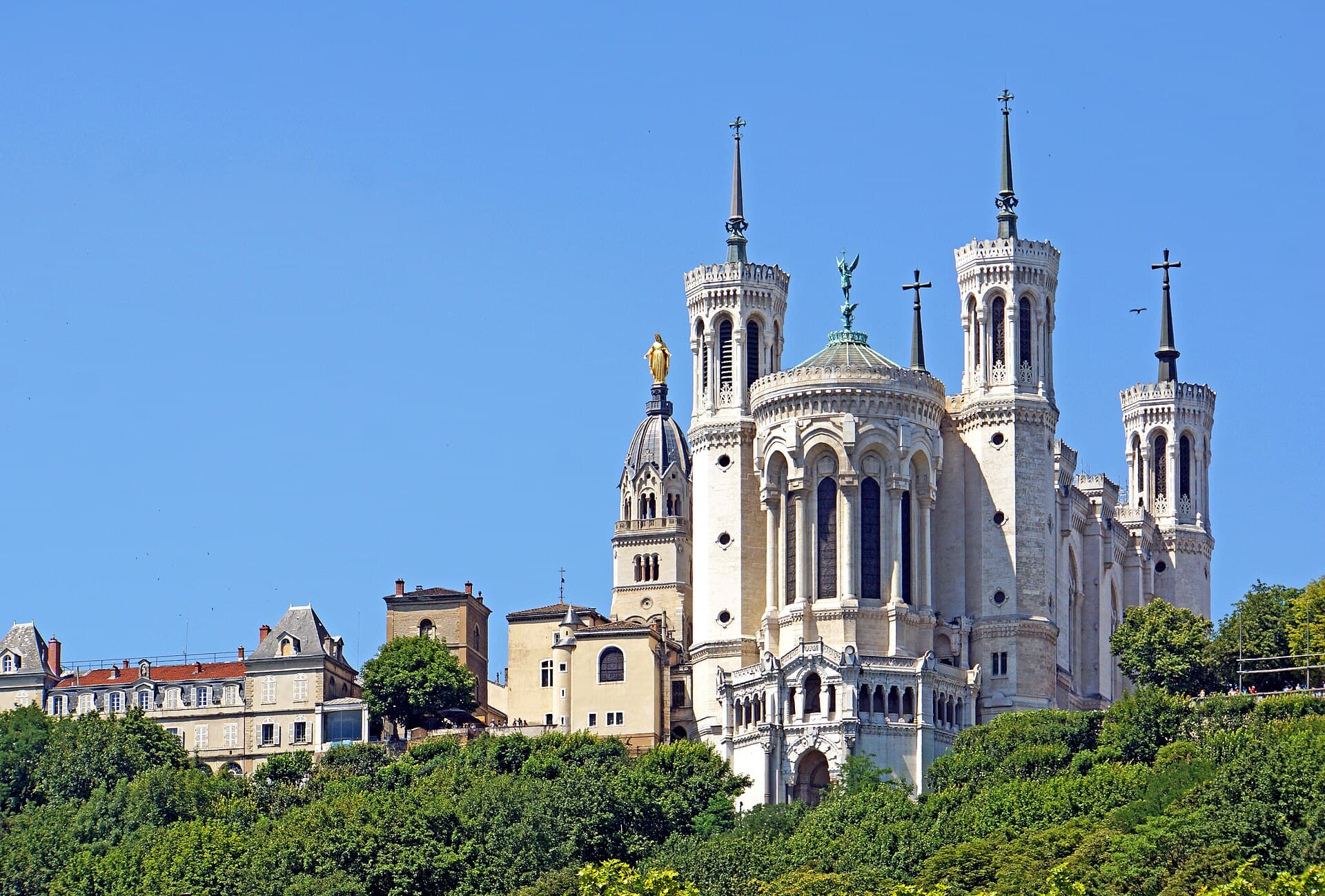 Basilica of FourvièreThe Basilica of Fourvière crowns Lyon's white hill and shows from the whole city4 minutes walk4.9
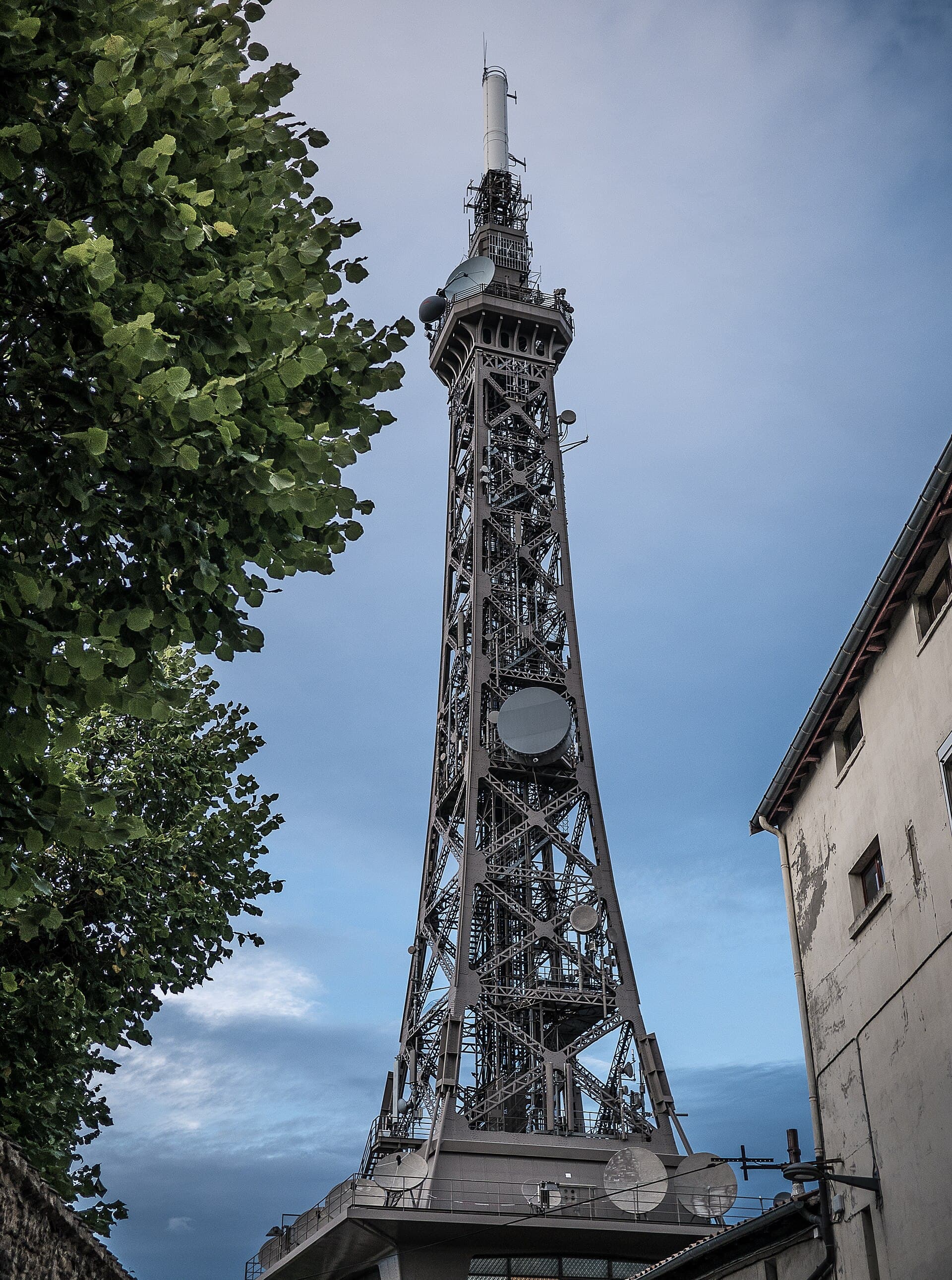 Fourvière Metallic TowerA metal tower on the Fourvière hill beside the basilica, built at the end of the5 minutes walk3.7
The city's Roman name: founded by Rome in 43 BC as Gaul's capital, so important that emperors Claudius and Caracalla were born here. Fourvière hill was its heart — the museum sits on the old forum itself, the modern city having grown down from this hill.
Funicular from Vieux Lyon to the top, the Fourvière basilica and its view, a short descent to museum and theatres — then walk down the hill paths to old Vieux Lyon and its traboules. A half day spanning two thousand years.