
Blue roofs
Pointed Malay architecture.
Sharon Hahn Darlin — CC BY 2.0 · Andy Mitchell from Glasgow, UK — CC BY-SA 2.0 · Gryffindor — Public domain · Whjayg — CC BY-SA 4.0 · CEphoto, Uwe Aranas — CC BY-SA 3.0
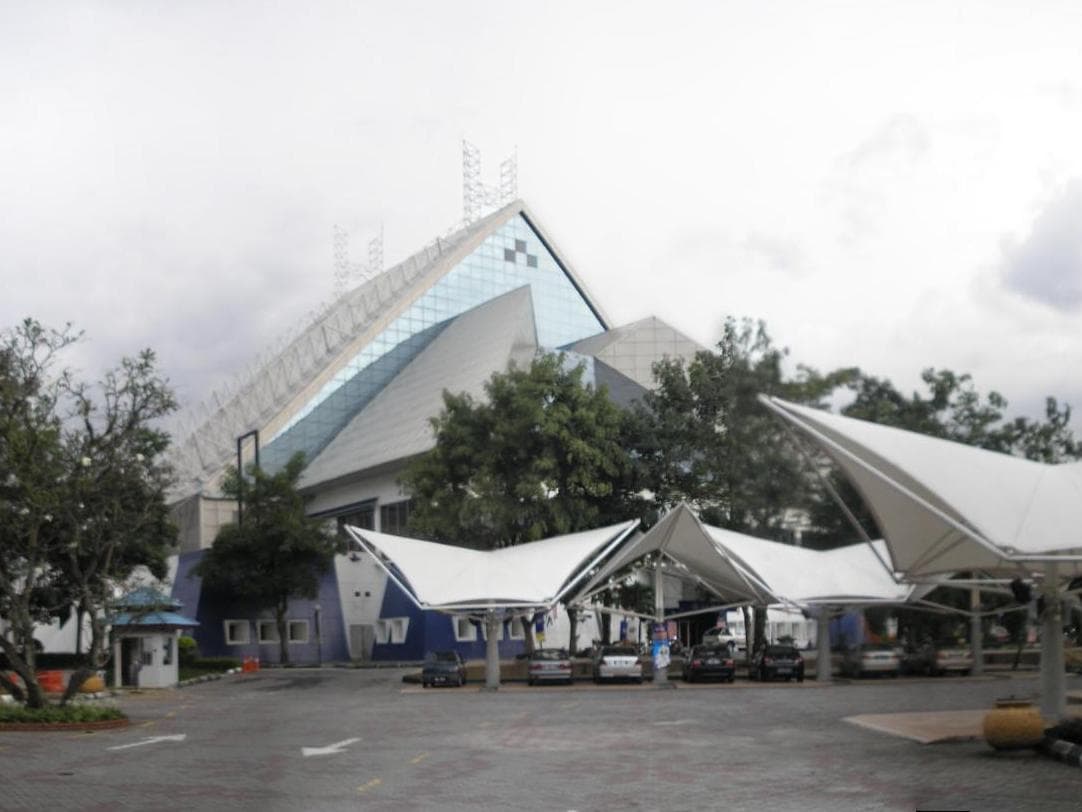
Malaysia's national theatre, whose name means Palace of Culture, and the country's main stage for musicals, opera, classical concerts and traditional dance. It was built between 1995 and 1998 and opened in 1999, close to the Titiwangsa Lake Gardens. It catches the eye from afar with its layered, pointed blue roofs inspired by traditional Malay architecture and by the shape of the sirih junjung arrangement at Malay weddings. Its main hall has royal boxes modelled on the windows of a Malay house and seats about fourteen hundred people. It is home to the National Symphony Orchestra and the national dance company, with performances through the year ticketed on its website and smart dress expected. Seeing the building from outside is free. It stands next to the National Art Gallery, so combine the two in one visit, then carry on to the nearby Titiwangsa Lake Gardens to see the building reflected in the water.
Pointed Malay architecture.
Orchestra and traditional dance.
With the National Art Gallery.
Jalan Tun Razak, beside the National Art Gallery and Titiwangsa Lake
 National Art Gallery (Balai Seni Negara)If you want to see how Malaysians see themselves, this is the place. The Nationa2 minutes walk4.4
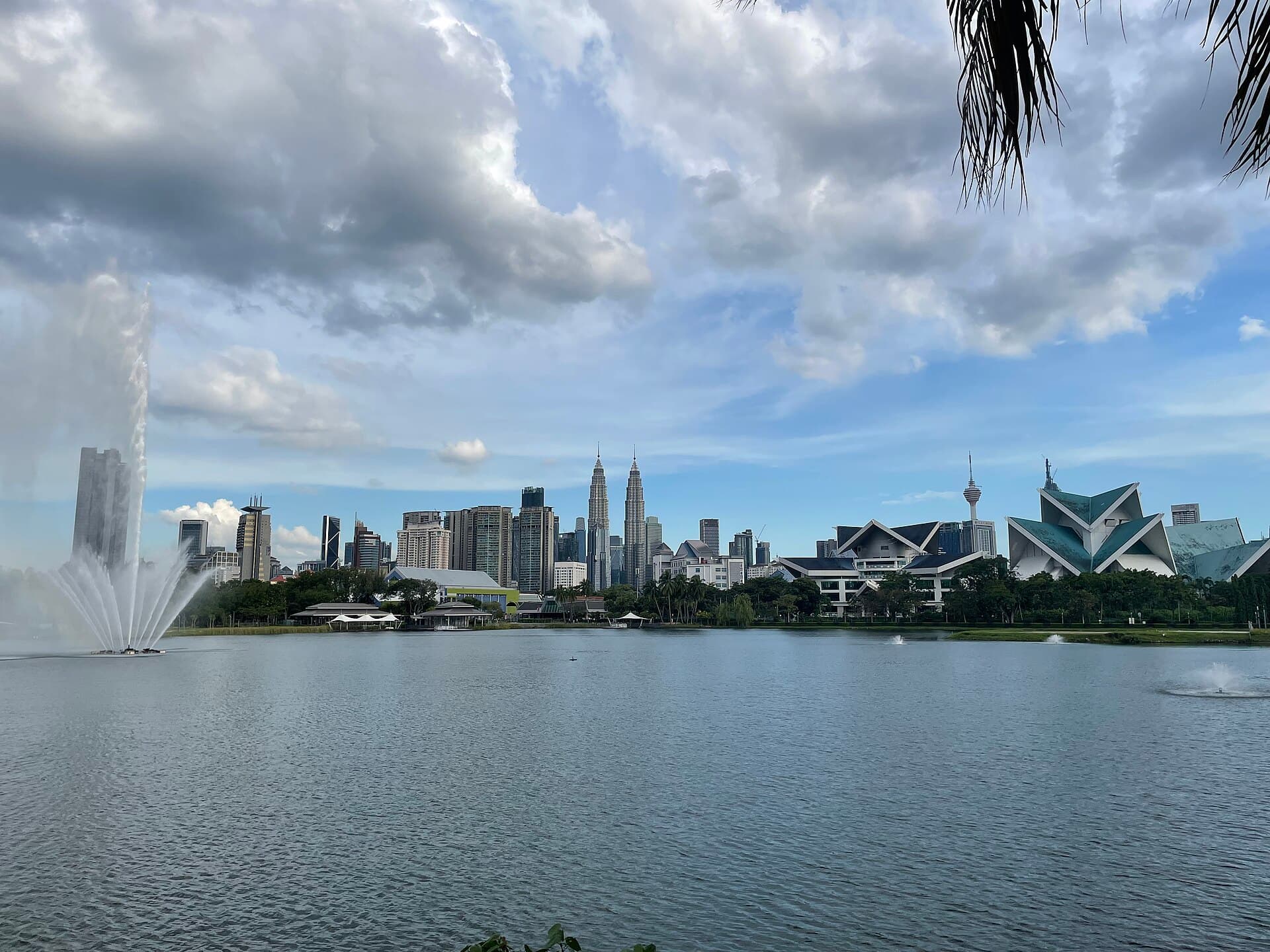 Titiwangsa Lake GardensA large public park around a big lake north of central Kuala Lumpur; the lake wa7 minutes walk
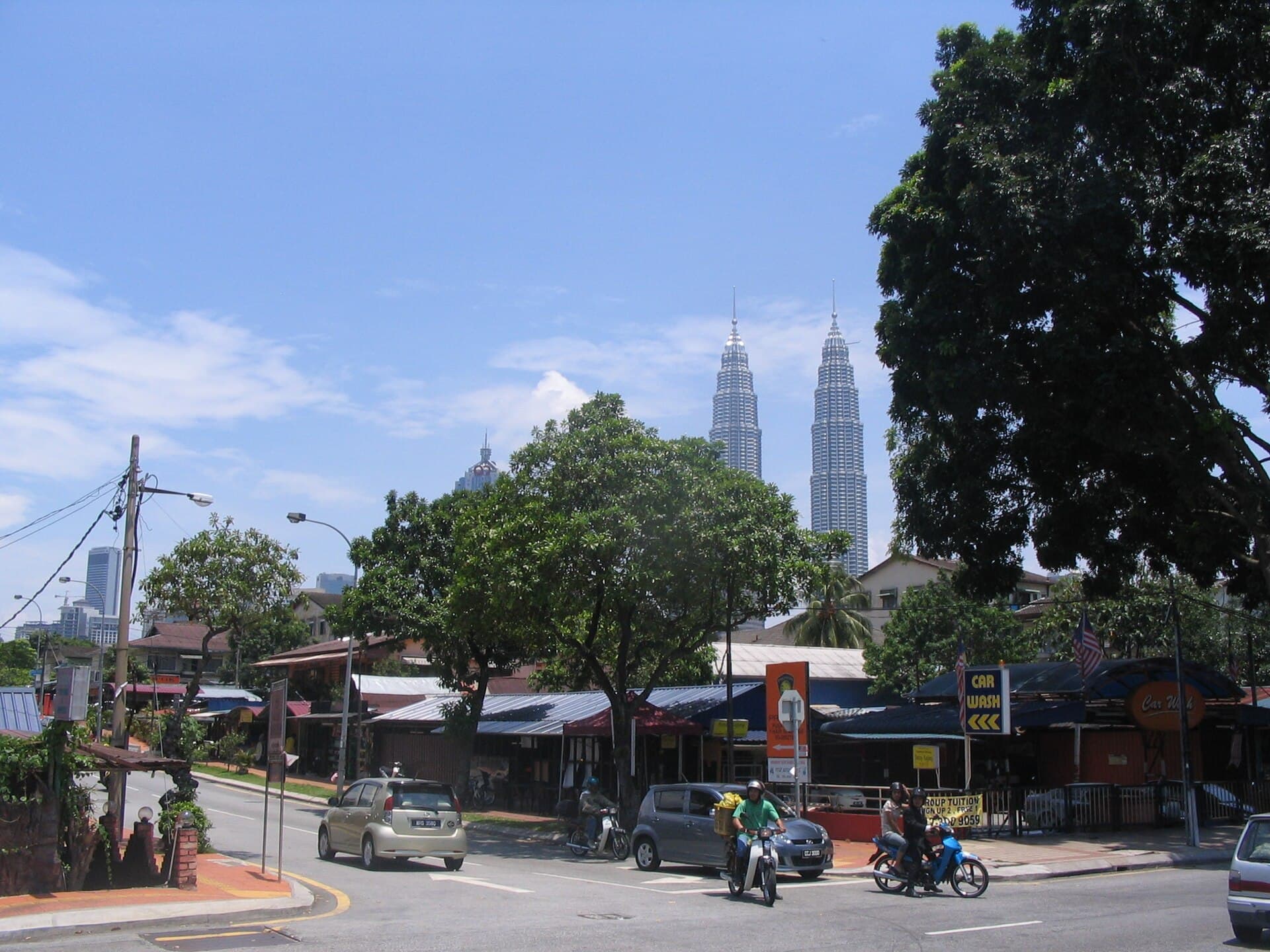 Kampung Baru, the Malay Village in Central Kuala LumpurA genuine Malay village in the heart of the capital, founded in 1899 through a g16 minutes walk
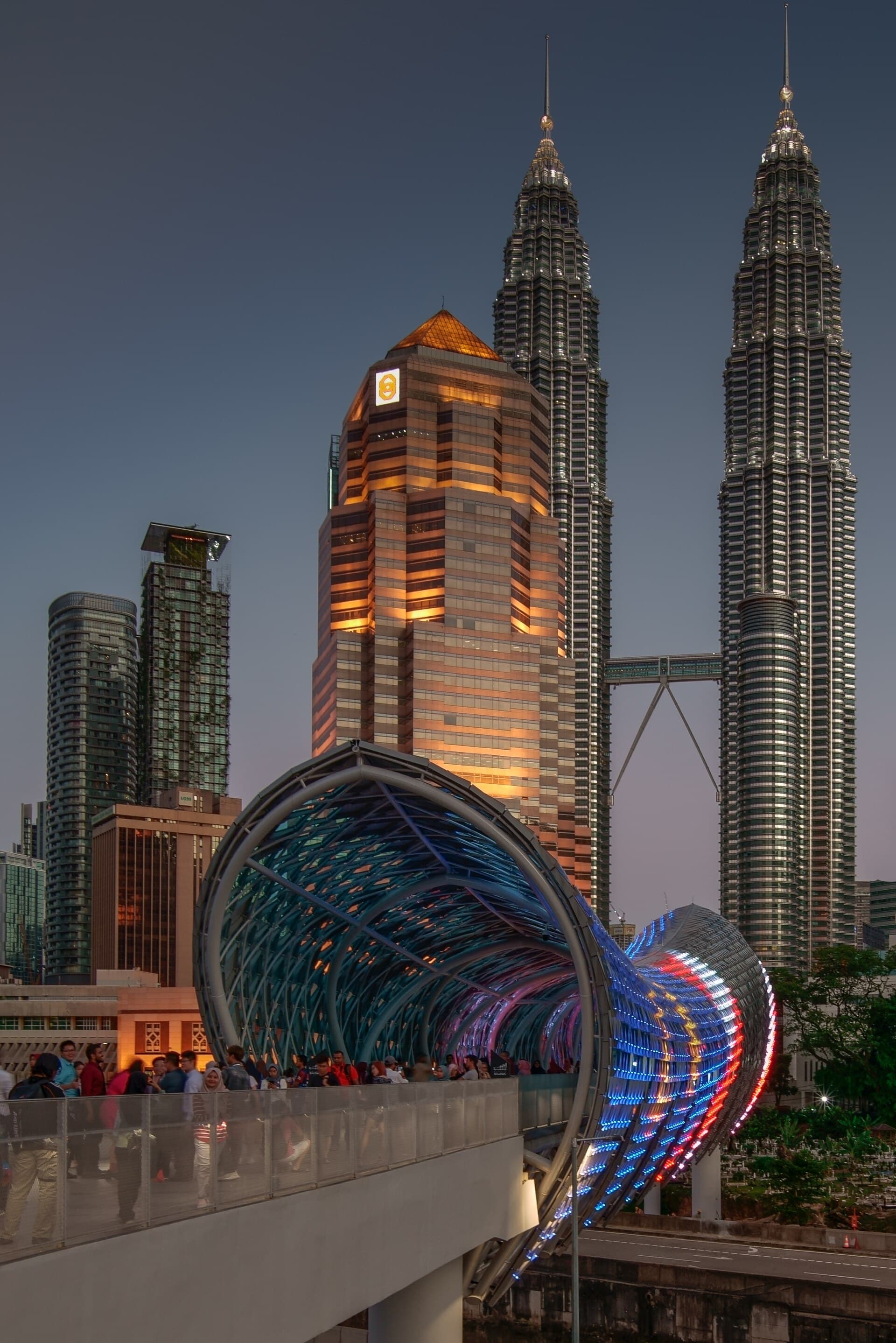 Saloma LinkA 69-metre pedestrian and cycle bridge crossing the Klang River and an expresswa20 minutes walk
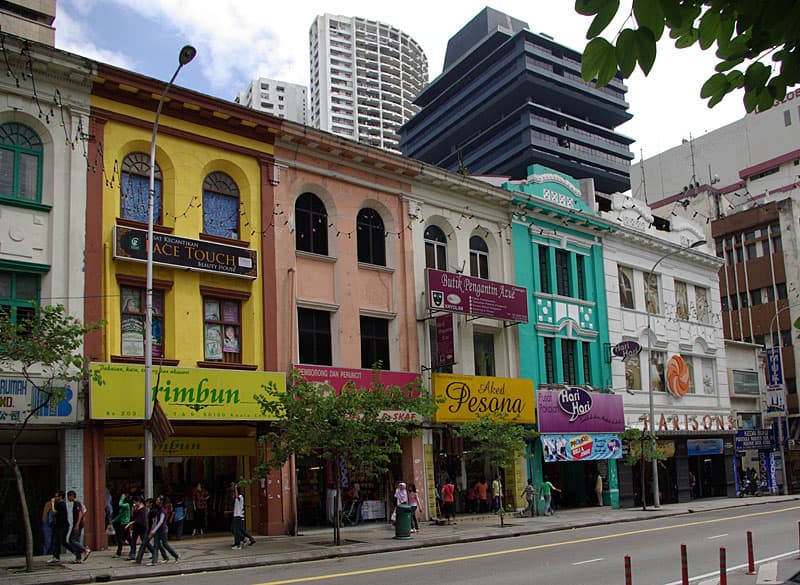 Jalan Tuanku Abdul RahmanOne of Kuala Lumpur's oldest shopping streets, known in British times as Batu Ro23 minutes walk
You can view and photograph the building from outside at any time; the hall itself is generally entered with a show ticket.