
The sculptural composition
Three groups in a single mass: Hus standing, fighters in exile, and a nursing mother — defeat and rebirth together.
Petr Vilgus — CC BY 2.5 · Jakub Hałun — CC BY-SA 4.0 · Ray Swi-hymn from Sijhih-Taipei, Taiwan — CC BY-SA 2.0 · Ray Swi-hymn from Sijhih-Taipei, Taiwan — CC BY-SA 2.0
Right in the middle of the Old Town Square stands a dark bronze mass: the Jan Hus memorial. Hus himself stands upright at the centre, flanked by two groups — defeated Hussite fighters in exile on one side, and a mother nursing her child, symbolising the nation's rebirth, on the other. The work is by the sculptor Ladislav Šaloun, took years to complete, and was unveiled on 6 July 1915, the five hundredth anniversary of Hus being burned. Jan Hus was rector of Charles University and a preacher who attacked church corruption and the sale of indulgences a full century before Martin Luther. Summoned to the Council of Constance under a promise of safe conduct, he was tried and burned alive in 1415. His death set off the Hussite revolution, the first major religious reform movement in Europe. The timing of the unveiling was not innocent: 1915, with the Czechs under Austrian rule, and placing a symbol of Czech resistance in the heart of Prague's most important square was a political statement everyone understood. The memorial is free and permanently in the open, and its surrounding steps have become the square's communal seat — and the best place from which to watch the astronomical clock.
Three groups in a single mass: Hus standing, fighters in exile, and a nursing mother — defeat and rebirth together.
On the base, words attributed to him about holding to the truth — a Czech national motto still quoted today.
The surrounding steps are where everyone sits — the best point from which to take in the square and the clock together.
The memorial is lit in the evening while the square's façades stay gold — the strongest night photograph in the Old Town.
Centre of the Old Town Square, Prague 1
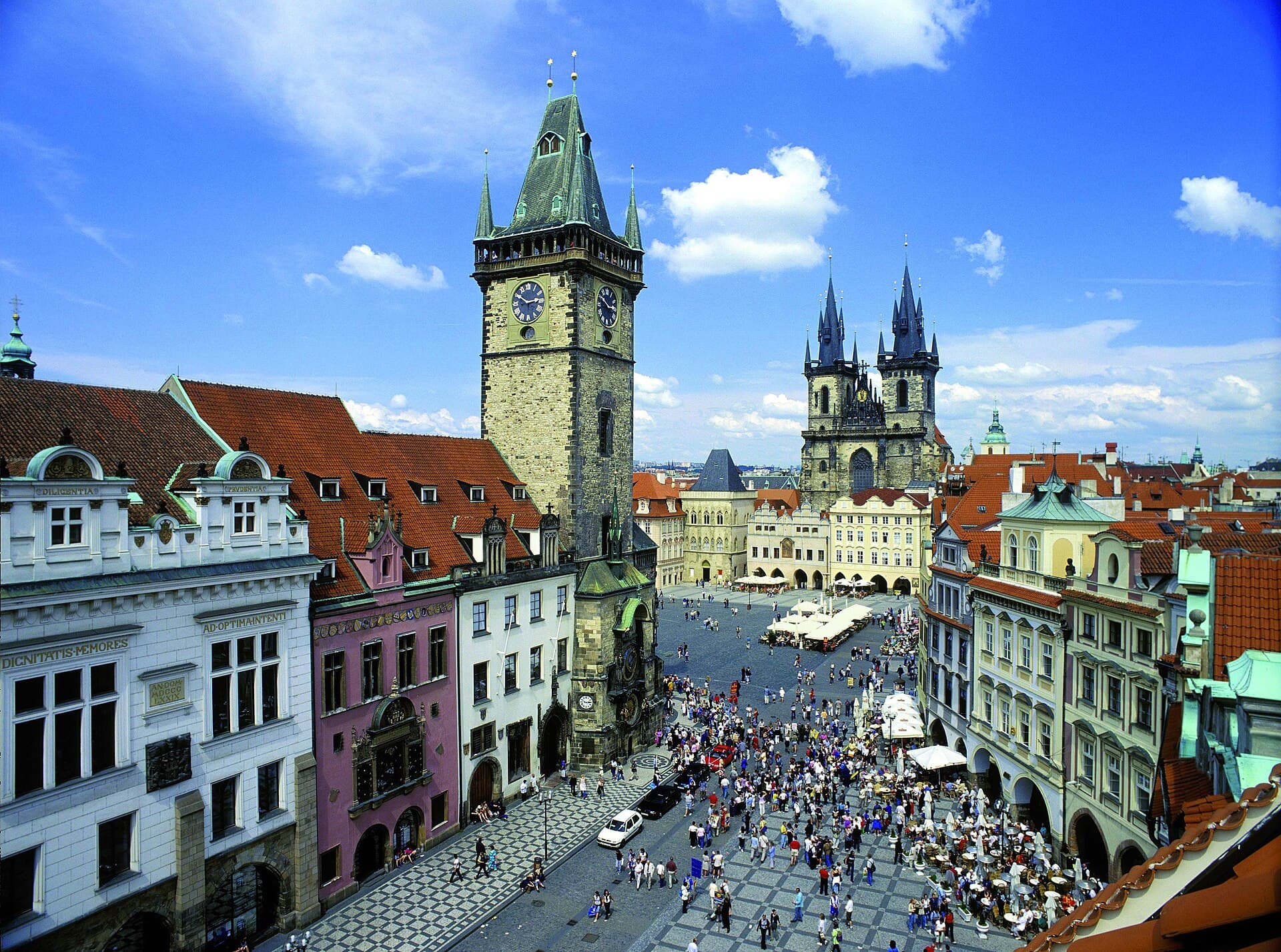 Old Town SquareThe Old Town Square has been Prague's living room since the 12th century: first 1 minute walk4.9
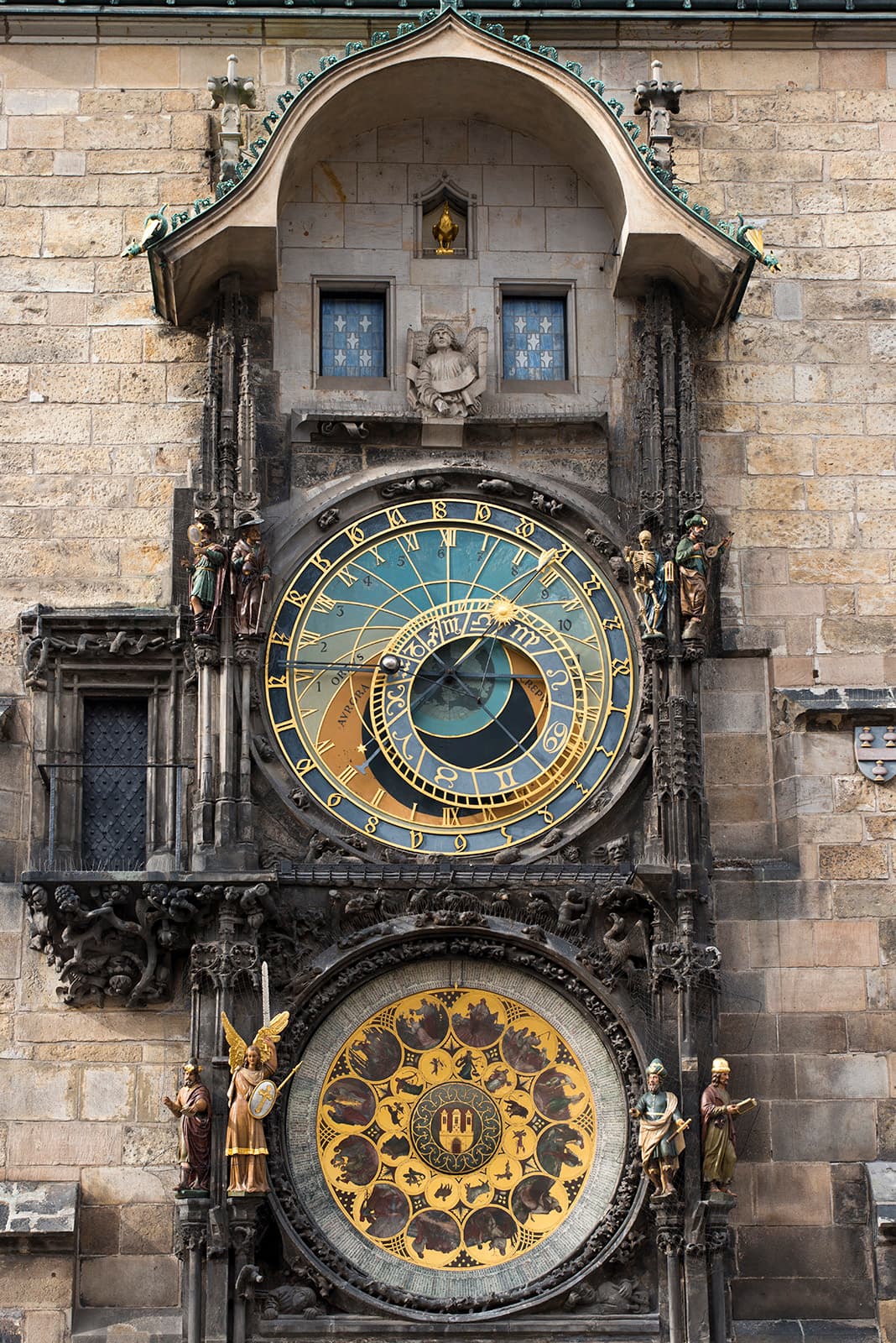 Prague Astronomical ClockPrague's astronomical clock was mounted on the wall of the Old Town Hall in 14101 minute walk4.6
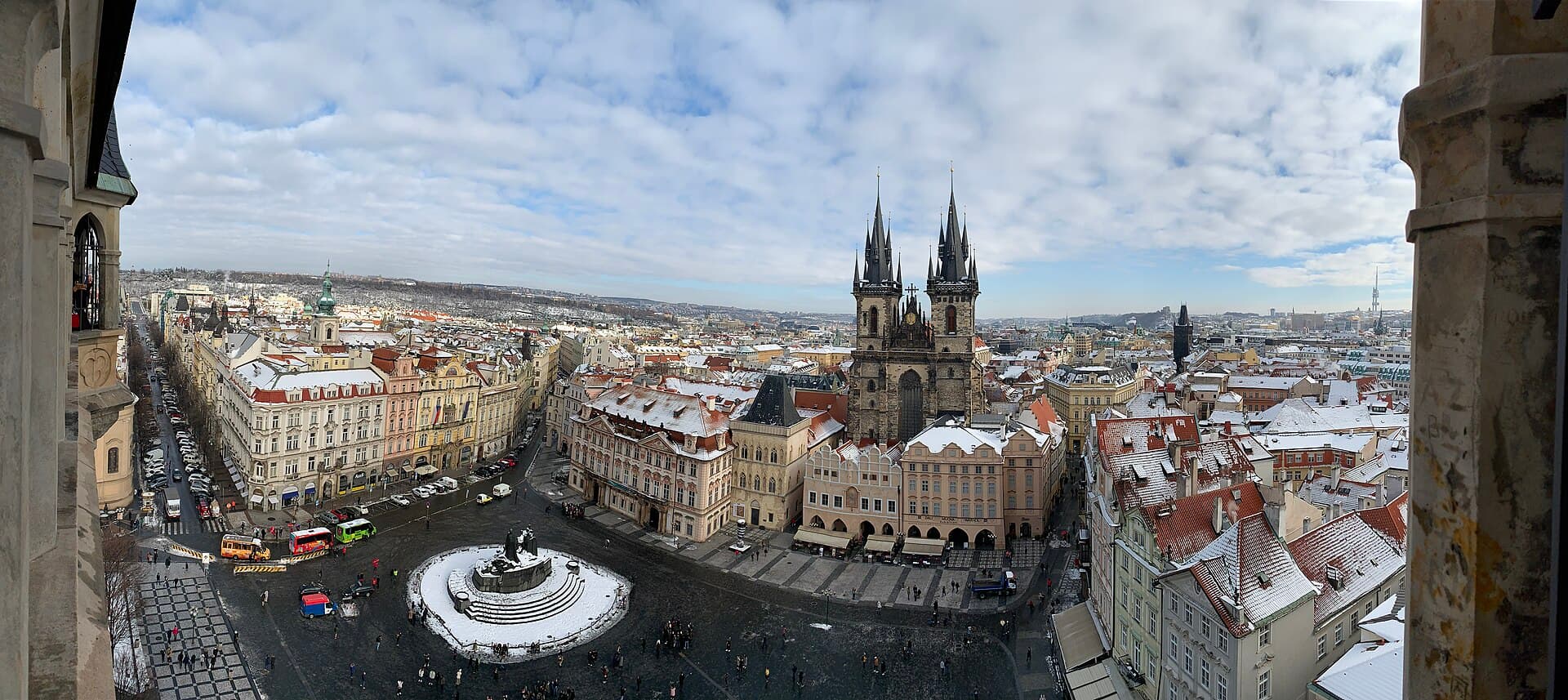 Church of Our Lady before TýnThe two spiked Gothic towers in every photograph of the Old Town Square belong t1 minute walk4.6
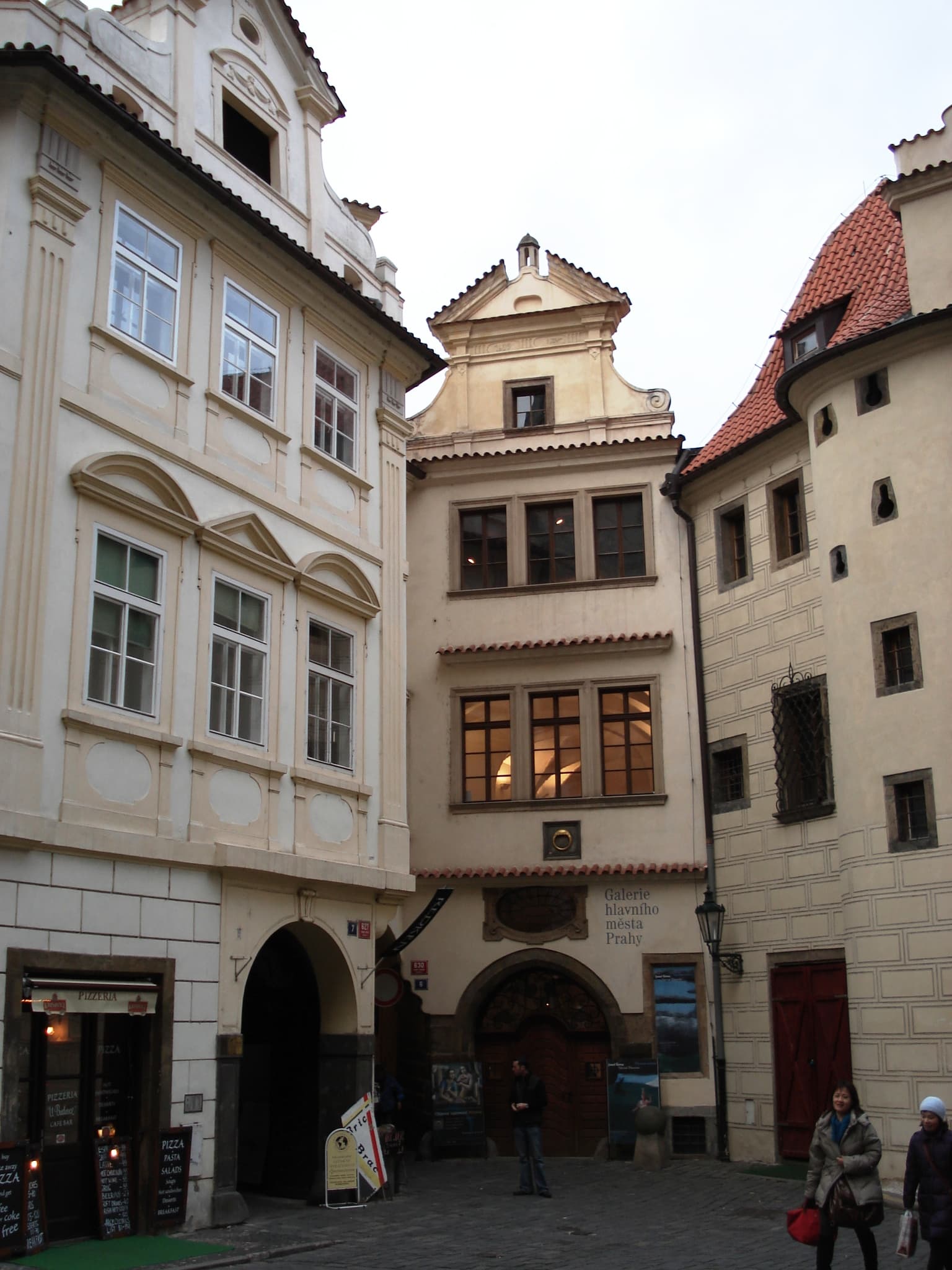 House at the Golden RingA fourteenth-century house directly behind the Church of Our Lady before Týn, on2 minutes walk4.7
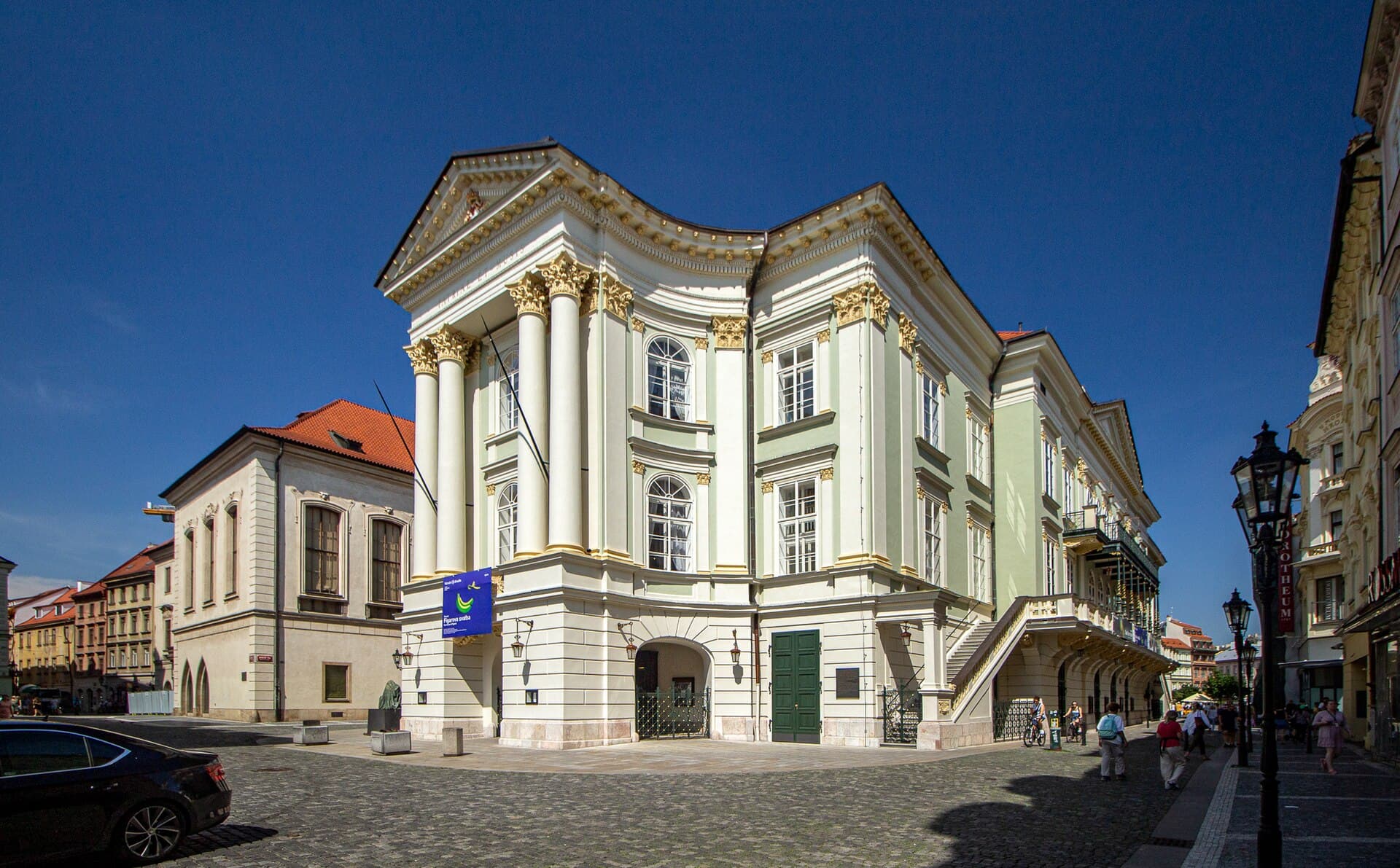 Estates TheatreThe Estates Theatre is a green-and-white classical building in the Old Town, ope3 minutes walk4.6
A 15th-century Czech preacher and academic who attacked church corruption and the sale of indulgences, and was burned alive in 1415. His death set off the Hussite revolution, and his ideas preceded Martin Luther by a century. He is today among the foremost Czech national symbols.
On the five hundredth anniversary of his burning, and at a time when the Czech lands were under Austrian rule. Placing a symbol of national resistance in the heart of Prague was a clear political message, and everyone understood it at the time.
The Týn Church behind it was the Hussites' main stronghold in the 15th century, and the twenty-seven crosses in the pavement nearby mark the execution of Protestant nobles in 1621. The whole square tells one story.
Ten minutes for the memorial itself, though it is the place you keep coming back to during an Old Town day — it is the square's natural meeting point.