
The three stacked orders
Doric below, Ionic in the middle, Corinthian on top: the Colosseum's arrangement turned inward on a ring of homes.
Ad Meskens — CC BY-SA 3.0 · Simon Cobb — CC0 · Simon Cobb — CC0 · Simon Cobb — CC0
The diameter of this ring of stone is, give or take a few feet, that of Stonehenge's outer earthwork, and that is no accident. John Wood the Elder, the architect who gave Georgian Bath its shape, was convinced that ancient Britain had inherited a sacred geometry, so in 1754 he laid out a complete circle of thirty houses split into three identical curved terraces, roughly 97 metres across, and then died less than three months after the first stone was laid. His son of the same name finished it in 1768. The result was the first residential circle in Britain and a square unlike almost any other: no corners, no dominant centrepiece, just a circle closing in on itself and broken only by three narrow entrances. What rewards looking up is the facades. The three storeys carry the three classical orders stacked bottom to top, Doric then Ionic then Corinthian, the Colosseum in Rome turned inside out. Between the ground and first floors runs a carved frieze of 525 small emblems, serpents, anchors, scientific instruments and Masonic devices, which almost nobody notices unless they stop deliberately. Along the parapet sits a row of stone acorns, a nod to the legend of Bath's founding. The thing to know before you arrive: every house is a private home, there is nothing to enter and no ticket desk, and the ring is a public street open around the clock. So this is a short stop, ten to fifteen minutes, and the whole value lies in the standing and the photographing. The light is best early in the morning before Bath fills up, or at dusk when the honey-coloured stone turns to gold. The lawn in the middle is shaded by five enormous plane trees believed to have been planted around 1820, an architectural irony since Wood never meant anything to obscure his facades, but in summer they are the loveliest thing here. In July and August tour groups pile in, yet the place never gets crowded in the sense that matters: there are no queues and no time slots. In the wet winter the stop is shorter still, though damp stone and bare branches make for quieter pictures. Practically: The Circus is a two-minute walk from the Royal Crescent along Brock Street, and fifteen to twenty minutes uphill from Bath Spa station via Gay Street, a genuine climb with a pushchair but on proper pavements. The nearest public car park is Charlotte Street, a few minutes' walk away; the bays in the ring itself are residents-only. Fold it into a single route, The Circus, then the Royal Crescent, then down to the Roman Baths, and you have the best morning Bath offers without buying a single ticket.
Doric below, Ionic in the middle, Corinthian on top: the Colosseum's arrangement turned inward on a ring of homes.
525 small emblems between the ground and first floors, serpents, anchors, instruments and Masonic devices, that most passers-by miss.
Believed planted around 1820 on the central lawn, they hide the facades against Wood's intent but give the summer shade and the best photographs.
The Circus, Bath BA1 2EW
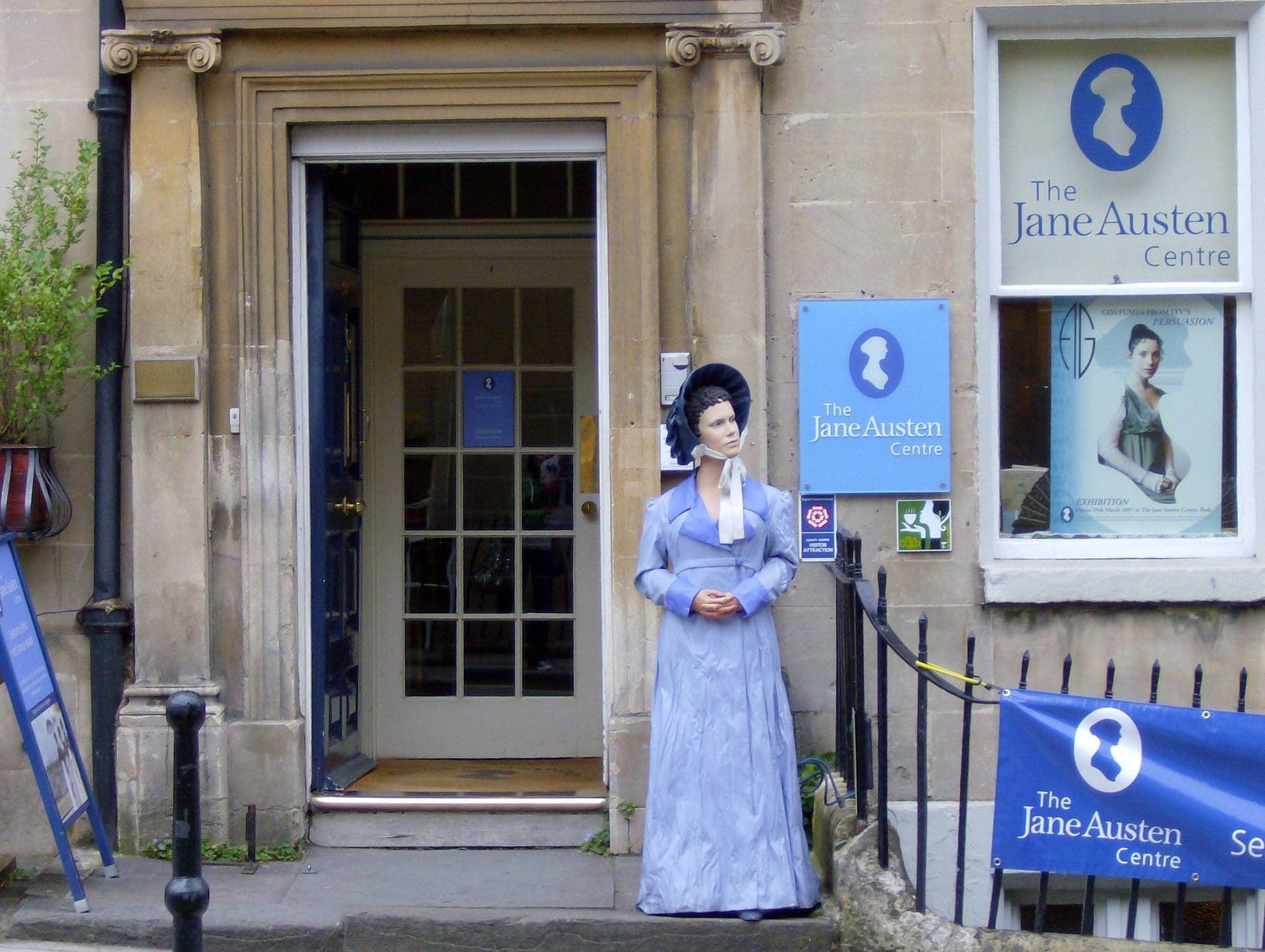 The Jane Austen CentreJane Austen never lived here. She lodged for a few months in 1805 at number 25, 3 minutes walk4.4
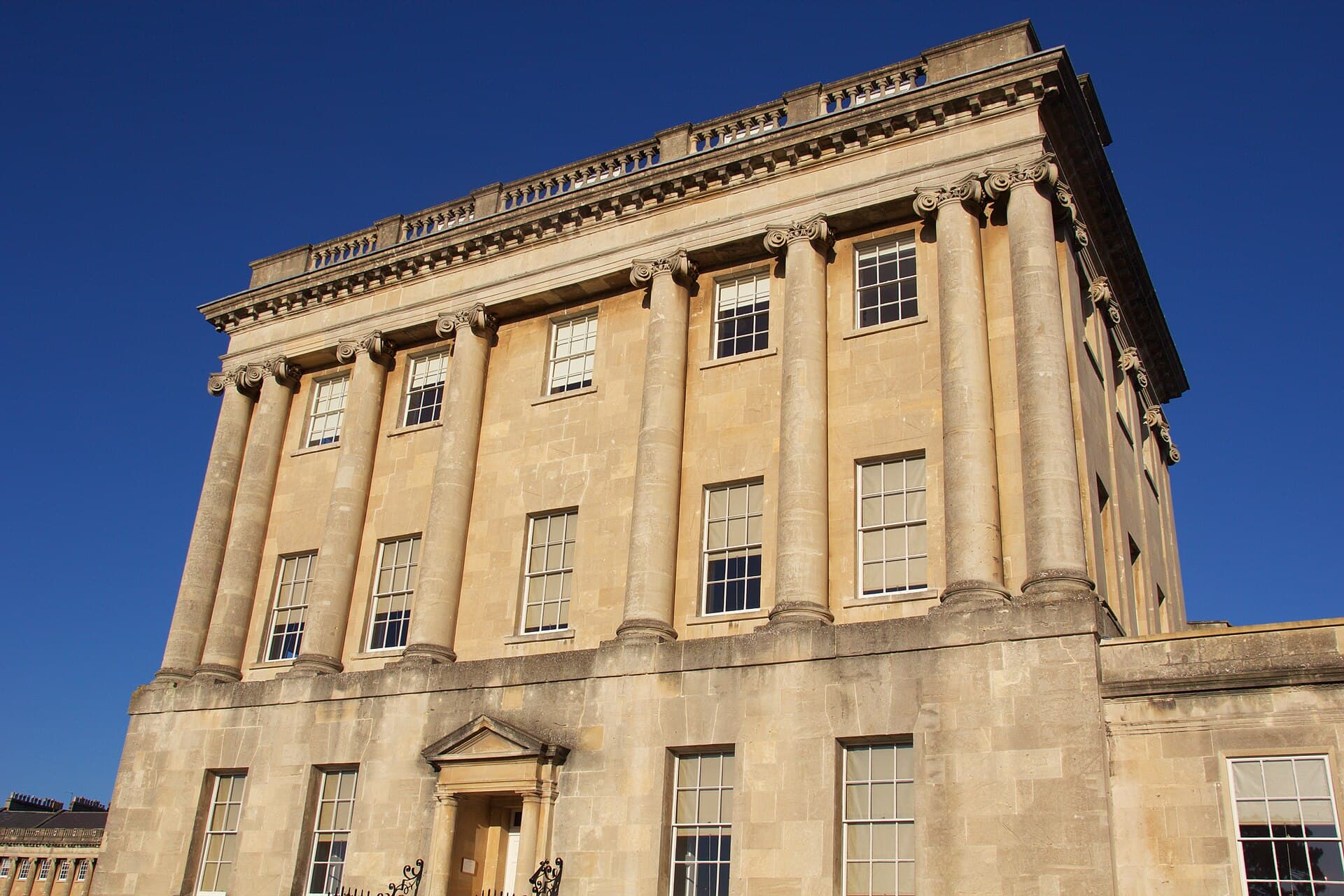 No. 1 Royal CrescentThirty terraced houses in a single sweep of honey-coloured stone above a green l3 minutes walk4.4
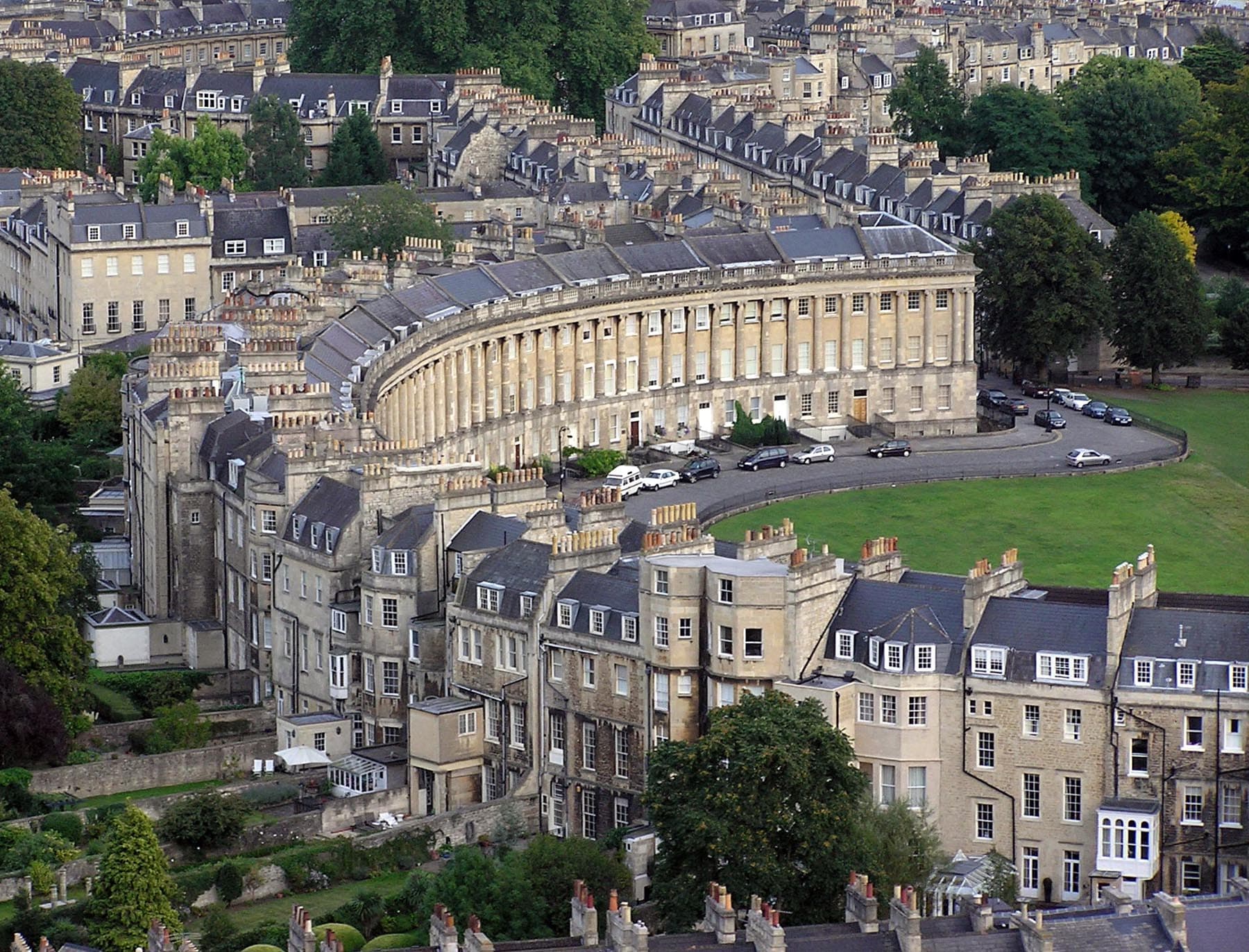 Royal CrescentThirty houses bend into a single arc some 150 metres long, carried on 114 Ionic 4 minutes walk4.5
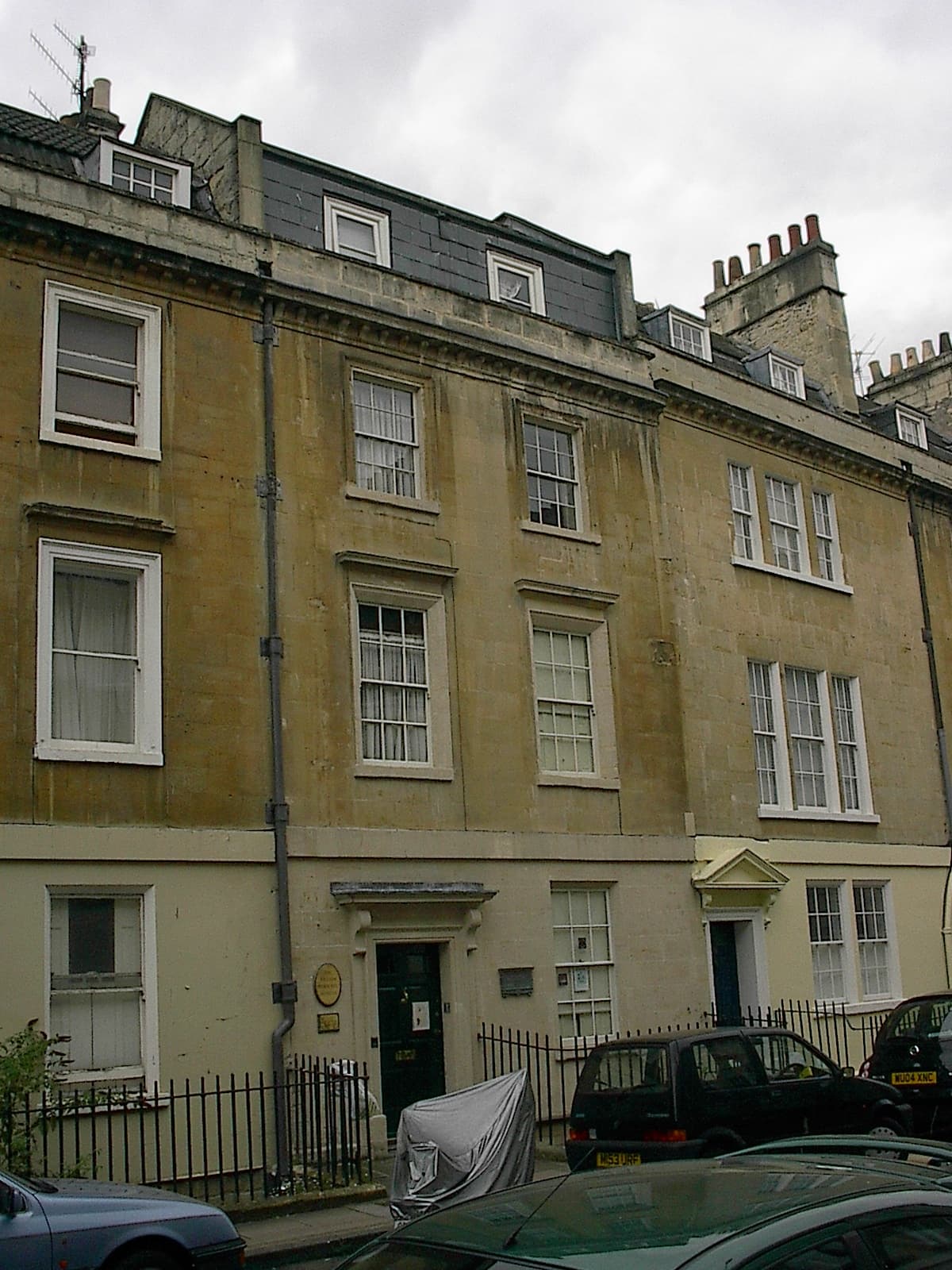 Herschel Museum of AstronomyOn the night of 13 March 1781, in a back garden no bigger than a family living r6 minutes walk4.6
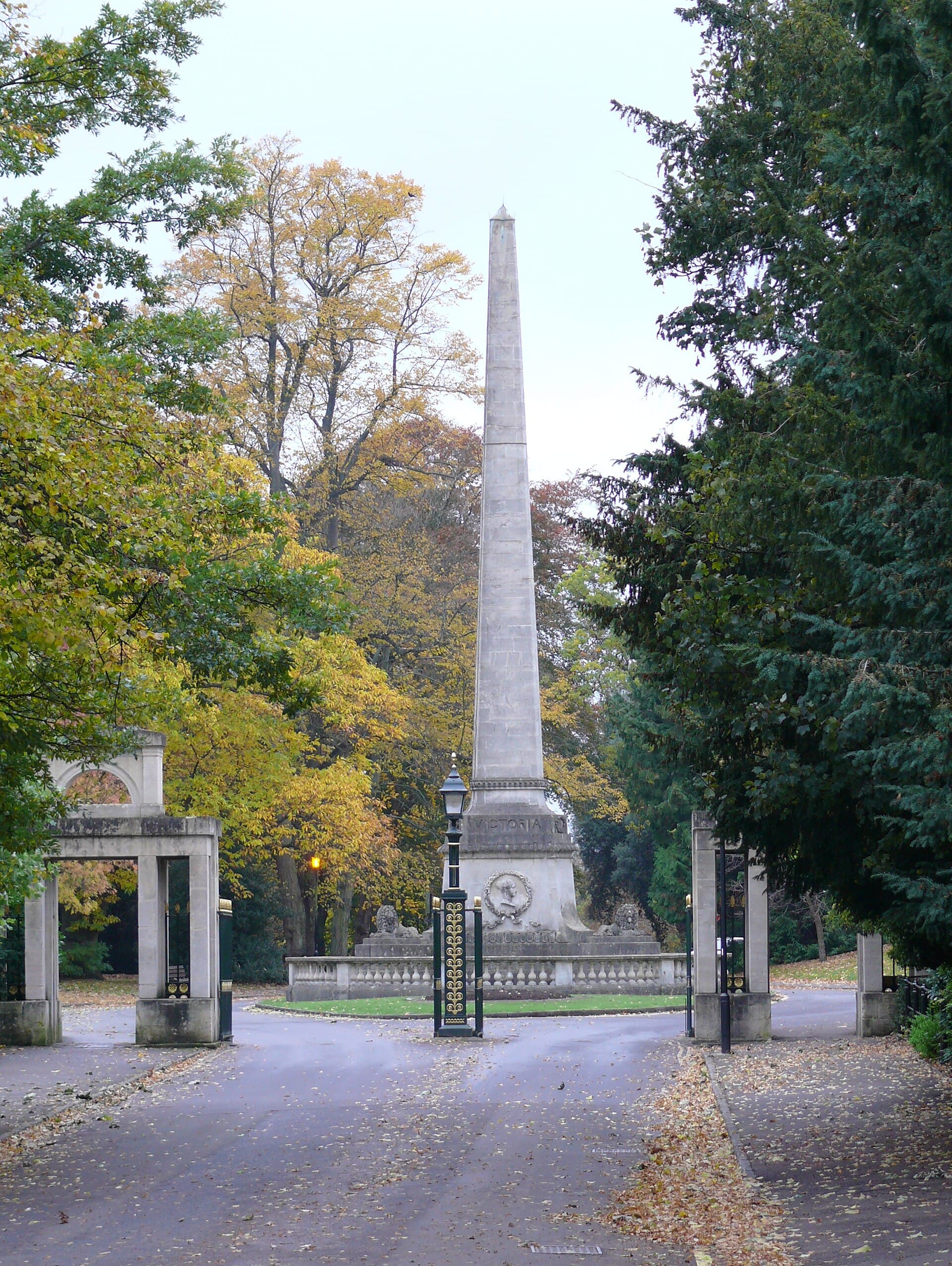 Royal Victoria ParkThe photograph everyone takes of Bath, that long stone arc of the Royal Crescent6 minutes walk4.5
Yes, but not as a separate outing. The two are two minutes apart along Brock Street; the Crescent is grander and more famous, The Circus more finely detailed and more enclosing. Take them in on one walk and give neither more than a quarter of an hour, since there is nothing to enter at either.
The ring itself is flat with good pavements and the central lawn makes a pleasant short breather, but the walk up from the station is a steady fifteen-to-twenty-minute climb. With a pushchair, park at Charlotte Street and walk the few minutes from there, or arrive on the hop-on hop-off bus, which stops nearby.