
A house that talks
Voices, dialogue and projections put family and servants back in the rooms with hardly a label in sight.
Photograph by Mike Peel (www.mikepeel.net). — CC BY-SA 4.0 · Raboe001 — CC BY-SA 3.0 · Raboe001 — CC BY-SA 3.0 · Raboe001 — CC BY-SA 3.0
Thirty terraced houses in a single sweep of honey-coloured stone above a green lawn, and only one of them lets you inside: the house at the very end of the curve. The Royal Crescent is the most famous view in Bath, the image on every guide to Georgian England, and anyone who has watched Bridgerton will recognise it at once as the façade of the Featherington residence. Standing in front of it costs nothing, so why pay £16 to walk through one house? Because the inside tells the story the façade cannot. The Bath Preservation Trust has furnished the house as it would have looked between 1776 and 1796, when a retired Irish MP lived here with his household: dining room and parlour on the ground floor, withdrawing room and bedrooms above with their tea tables and dressing sets, and a cavernous kitchen, servants' hall and housekeeper's room below. There are no glass cases and few labels. Instead the rooms feel freshly abandoned, with voices, footsteps and projected scenes carrying the gossip of the family upstairs and the grumbling of the servants beneath them. That immersive layer is what won the museum VisitEngland's award for England's best small visitor attraction in 2025. It is a short visit, an hour to ninety minutes at most, and that counts in its favour. Children over ten enjoy chasing the sounds from room to room and collecting the stickers on the children's trail; toddlers lose interest quickly. Note that pushchairs cannot enter the house at all, floors are uneven and the back stairs are steep and narrow. A lift reaches the ground floor, basement and the servants' wing, but the kitchen, the two bedrooms and the withdrawing room are stairs-only, covered instead by a virtual tour on a tablet. The museum opens Tuesday to Sunday from 10:00 to 17:30 with last entry at 16:30, closes on Mondays outside school and bank holidays, and shuts from 16 to 28 November 2026 and on 25 and 26 December. Under-18s go free with a paying adult, up to four children per adult, which makes the sum reasonable for a large family. Tickets are sold at the door at the same price, but a timed online booking is advised in July and August. It is a ten-minute uphill walk from the city centre, and Charlotte Street car park is five minutes away. Afterwards, cross to the lawn opposite: the view from there is the free part, and the best.
Voices, dialogue and projections put family and servants back in the rooms with hardly a label in sight.
Lavish reception rooms above and the cavernous servants' kitchen below tell two parallel lives under one roof.
The exterior doubled as the Featherington house in the series, and the view from the lawn opposite is free.
1 Royal Crescent, Bath BA1 2LR
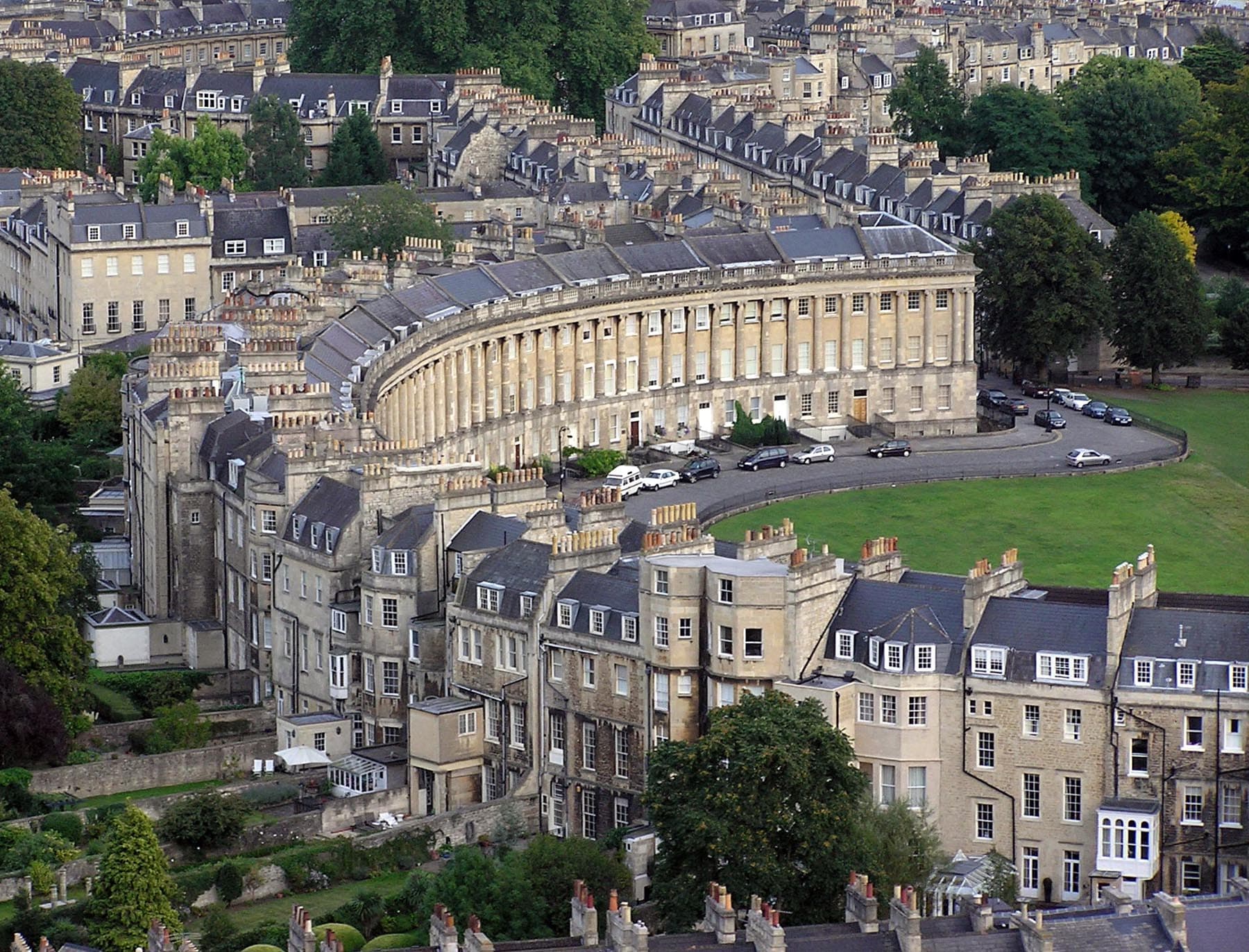 Royal CrescentThirty houses bend into a single arc some 150 metres long, carried on 114 Ionic 1 minute walk4.5
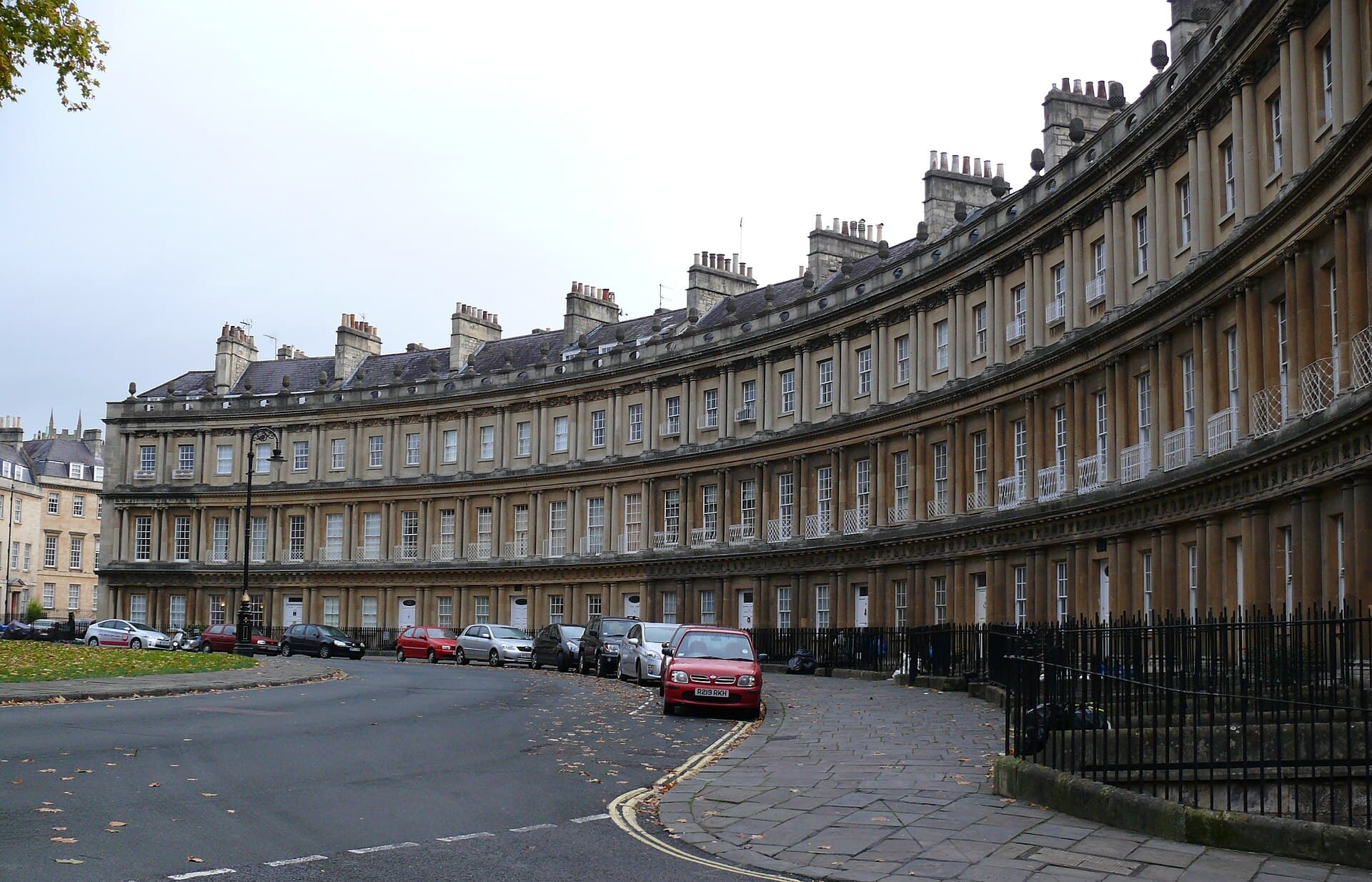 The Circus, BathThe diameter of this ring of stone is, give or take a few feet, that of Stonehen3 minutes walk4.4
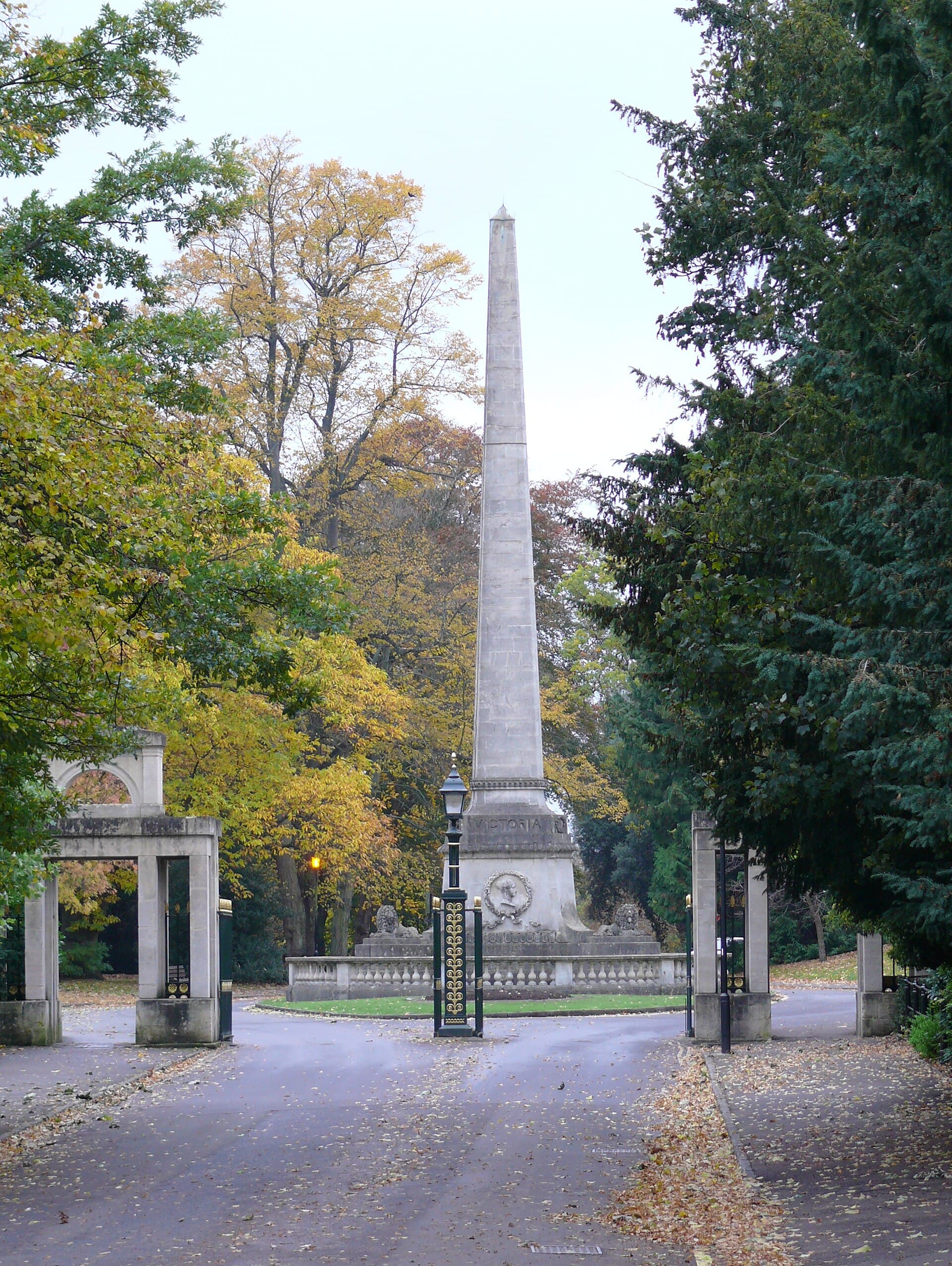 Royal Victoria ParkThe photograph everyone takes of Bath, that long stone arc of the Royal Crescent3 minutes walk4.5
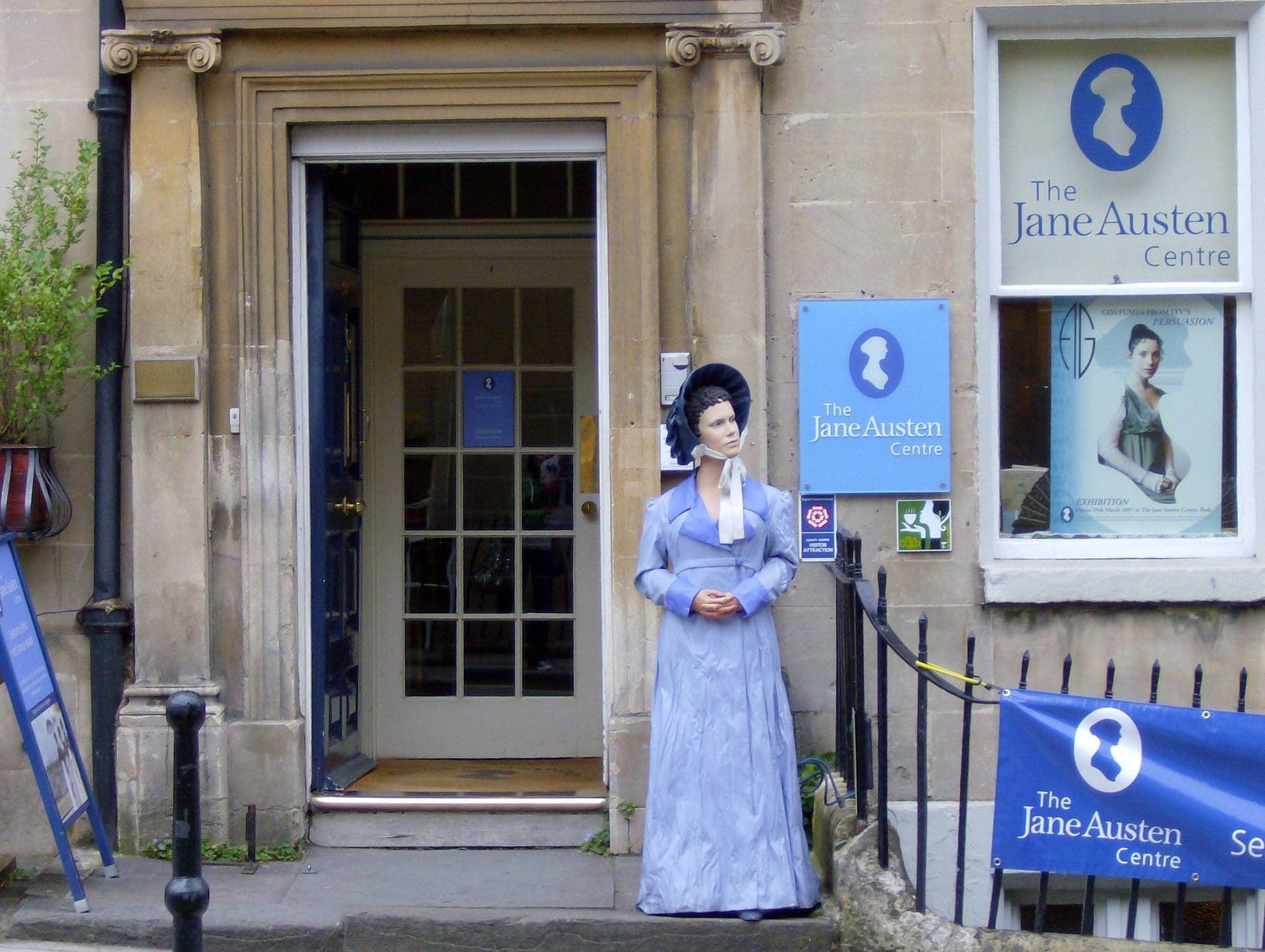 The Jane Austen CentreJane Austen never lived here. She lodged for a few months in 1805 at number 25, 5 minutes walk4.4
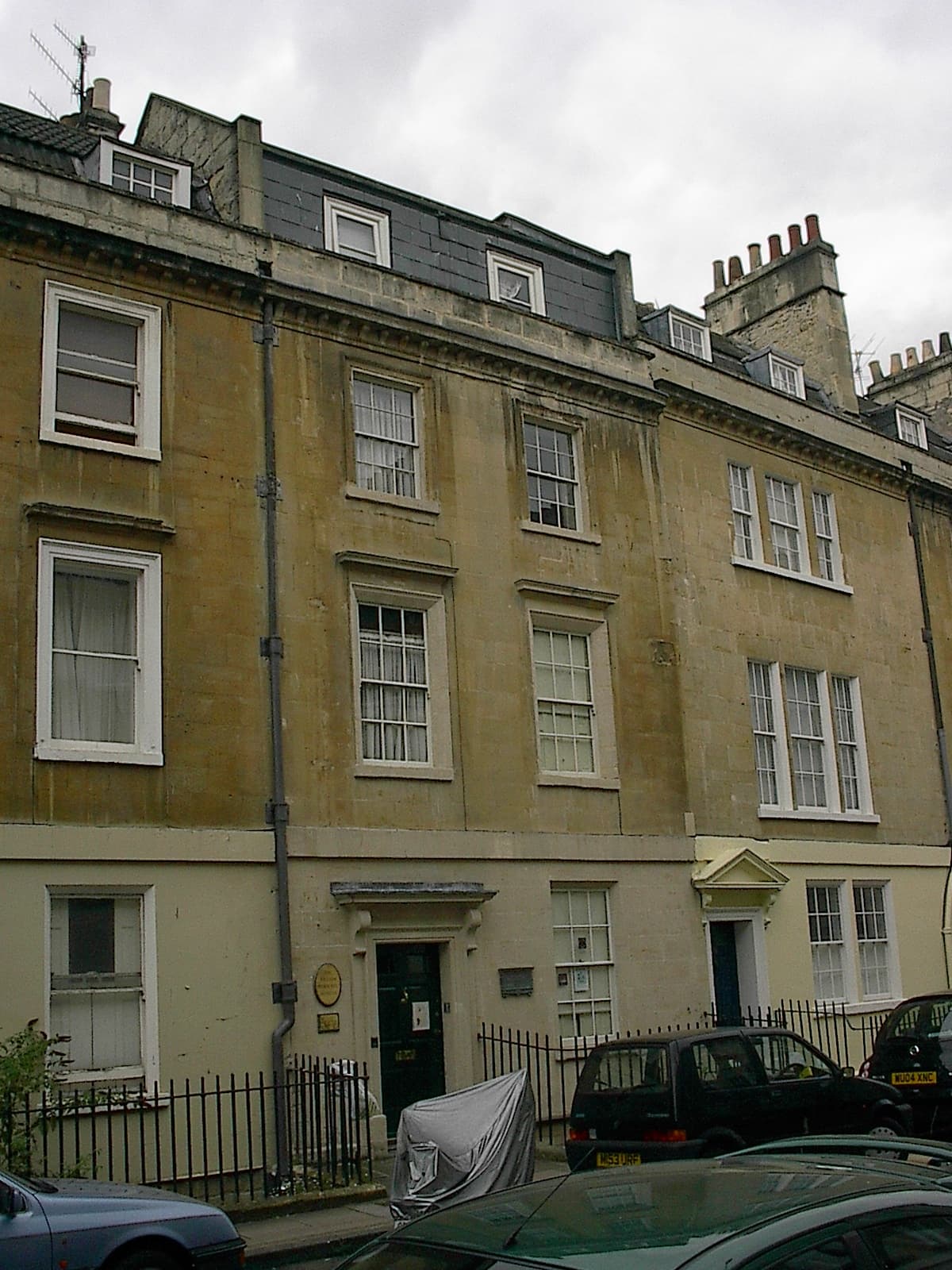 Herschel Museum of AstronomyOn the night of 13 March 1781, in a back garden no bigger than a family living r6 minutes walk4.6
If you have one day in Bath and small children, stay outside: the famous view is free and needs no ticket. If you enjoy historic houses or travel with children over ten, the hour inside is worth it; the sound and projections explain the Georgian era better than any conventional museum, and under-18s enter free.
The Roman Baths come first, no debate: they are Bath's headline sight and take two hours. No. 1 Royal Crescent is the extra hour for the afternoon, a ten-minute uphill walk from the Baths, so treat it as the stop on the way to the lawn and the famous photograph.