
The bank panorama
Dresden's domes from across the river — Germany's most famous city view.
Jörg Blobelt — CC BY-SA 4.0 · Ralf Roletschek — CC BY 3.0 · Ralf Roletschek — CC BY 3.0 · Ralf Roletschek — CC BY 3.0
The Japanese Palace witnesses Europe's eighteenth-century obsession with the Far East: Augustus the Strong built it as his "porcelain palace" — home for his legendary Japanese, Chinese and Meissen collection — giving it curved oriental roofs and columns borne by Chinese figures. The porcelain later moved to the Zwinger, and the building now houses ethnographic museums and rotating exhibitions, many free — a quiet, queue-less Dresden experience. But its certain value is the location: on the new bank directly opposite the old town, its open garden facing Germany's most famous panorama — Dresden's line of domes and towers from across the water, the view once dubbed "Europe's balcony". Walk over the Augustus Bridge, browse whatever show is on, then sit in the garden for sunset, when the baroque skyline catches fire in gold.
Dresden's domes from across the river — Germany's most famous city view.
Curved roofs and Chinese figures bearing columns — the eighteenth century's eastern obsession.
Ethnographic and rotating shows, many free — quiet Dresden.
Palaisplatz 11, 01097 Dresden
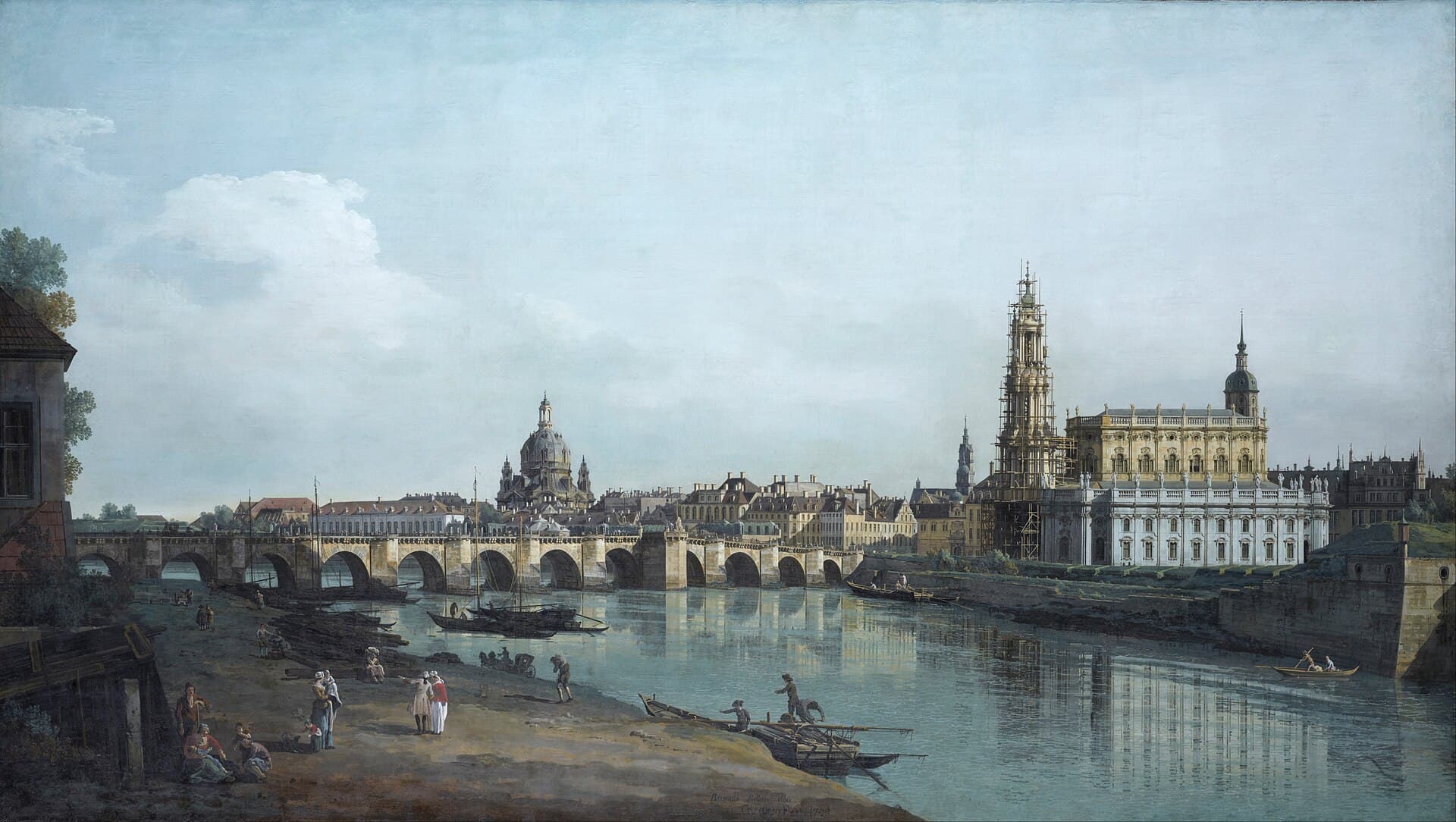 Canaletto ViewThe Canaletto View is not a building but an angle. You stand on the north bank o3 minutes walk4.7
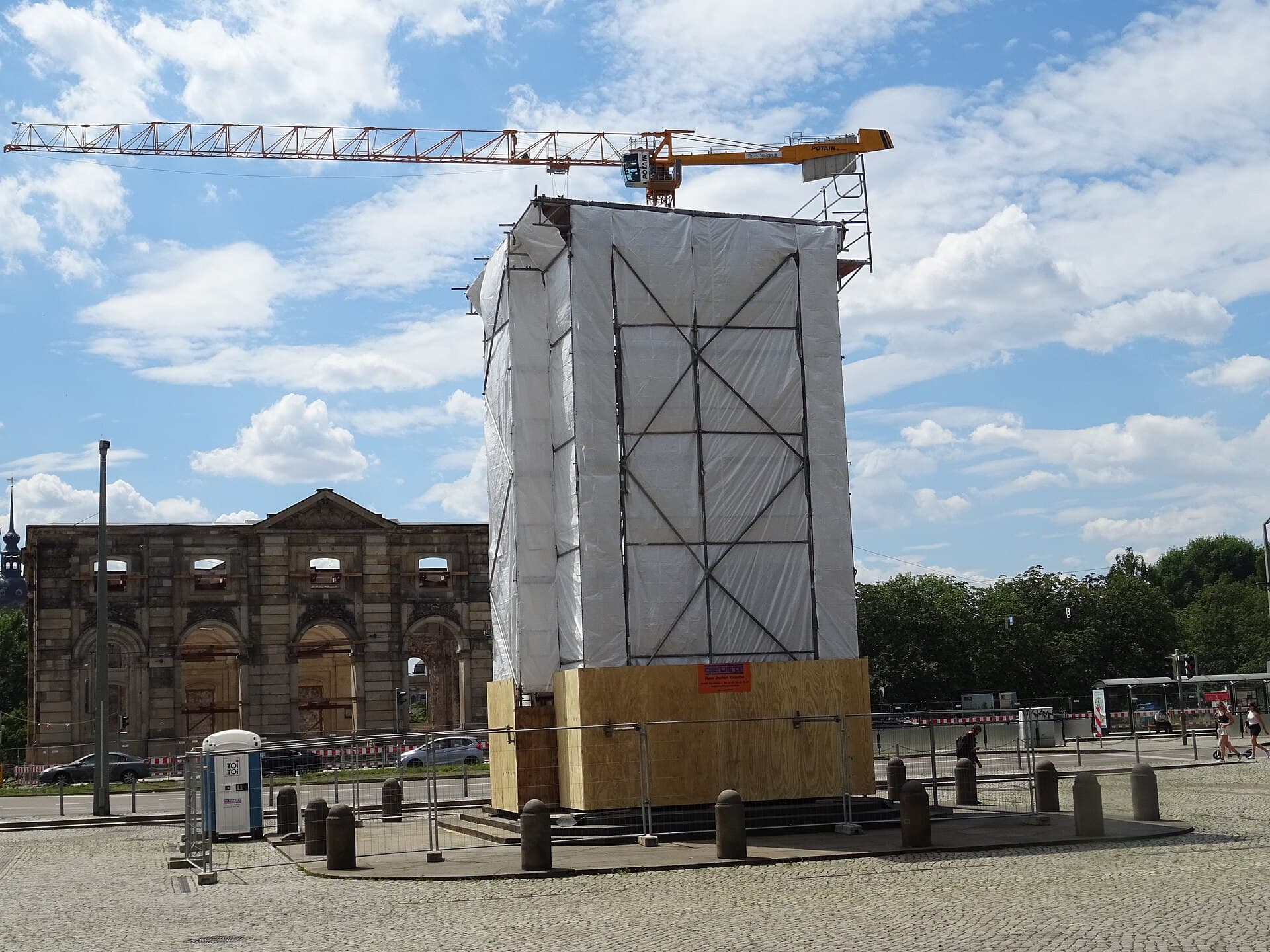 Golden RiderThe Golden Rider is a gilded equestrian statue of Augustus the Strong, ruler of 4 minutes walk4.5
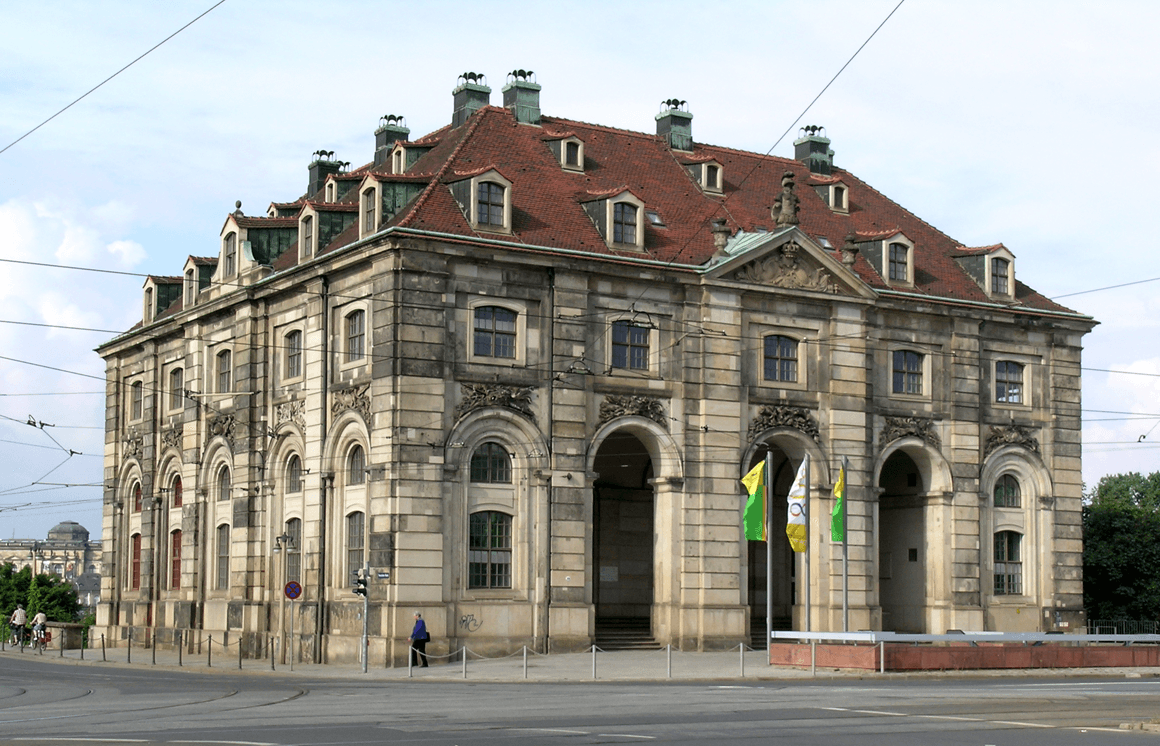 The Archive of the Avant-Gardes at the BlockhausThe Blockhaus is an eighteenth-century baroque guardhouse at the northern end of4 minutes walk4.0
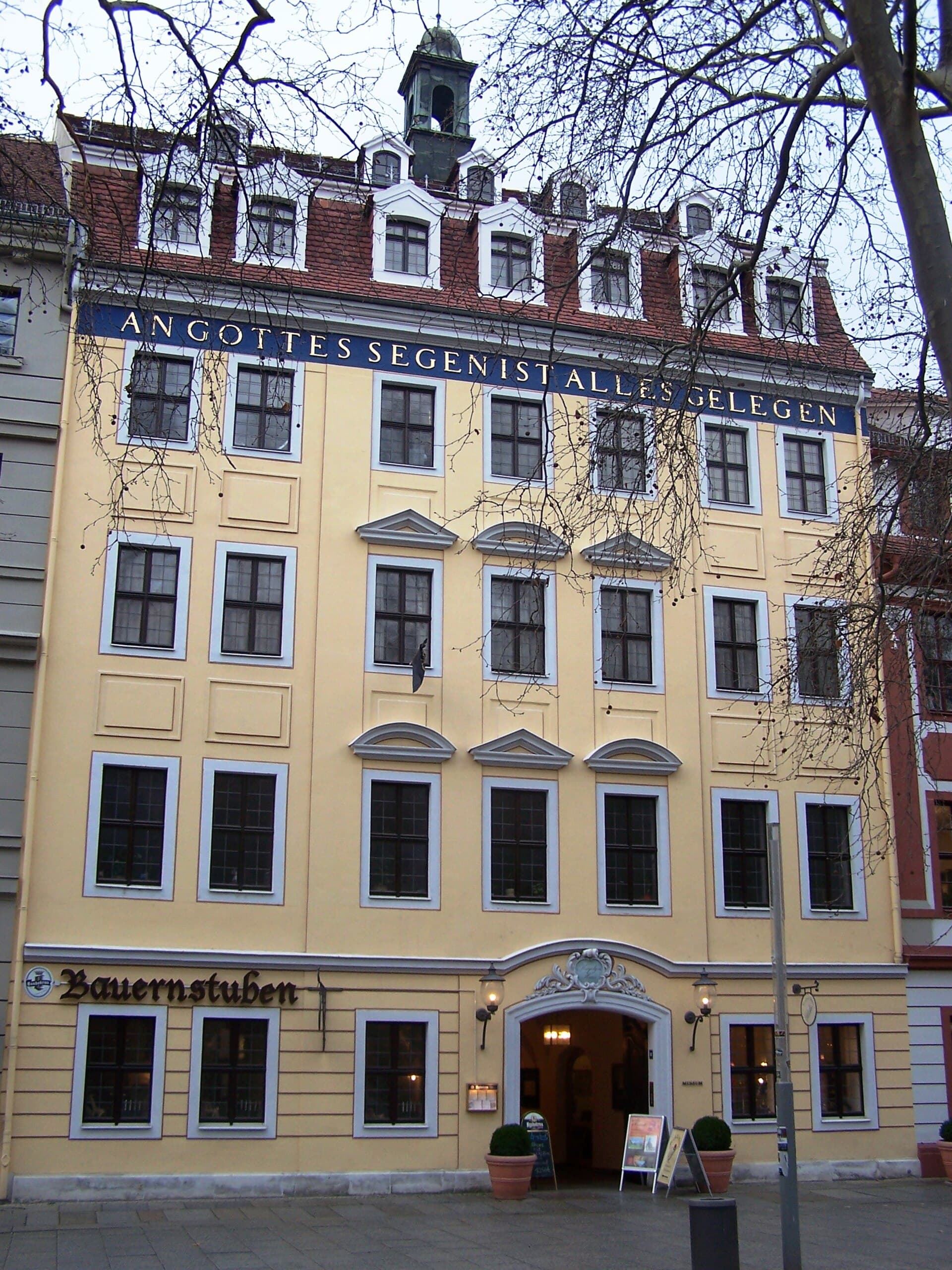 Museum of Dresden RomanticismThe Kügelgenhaus is a baroque merchant's house on the main street of the Neustad5 minutes walk4.5
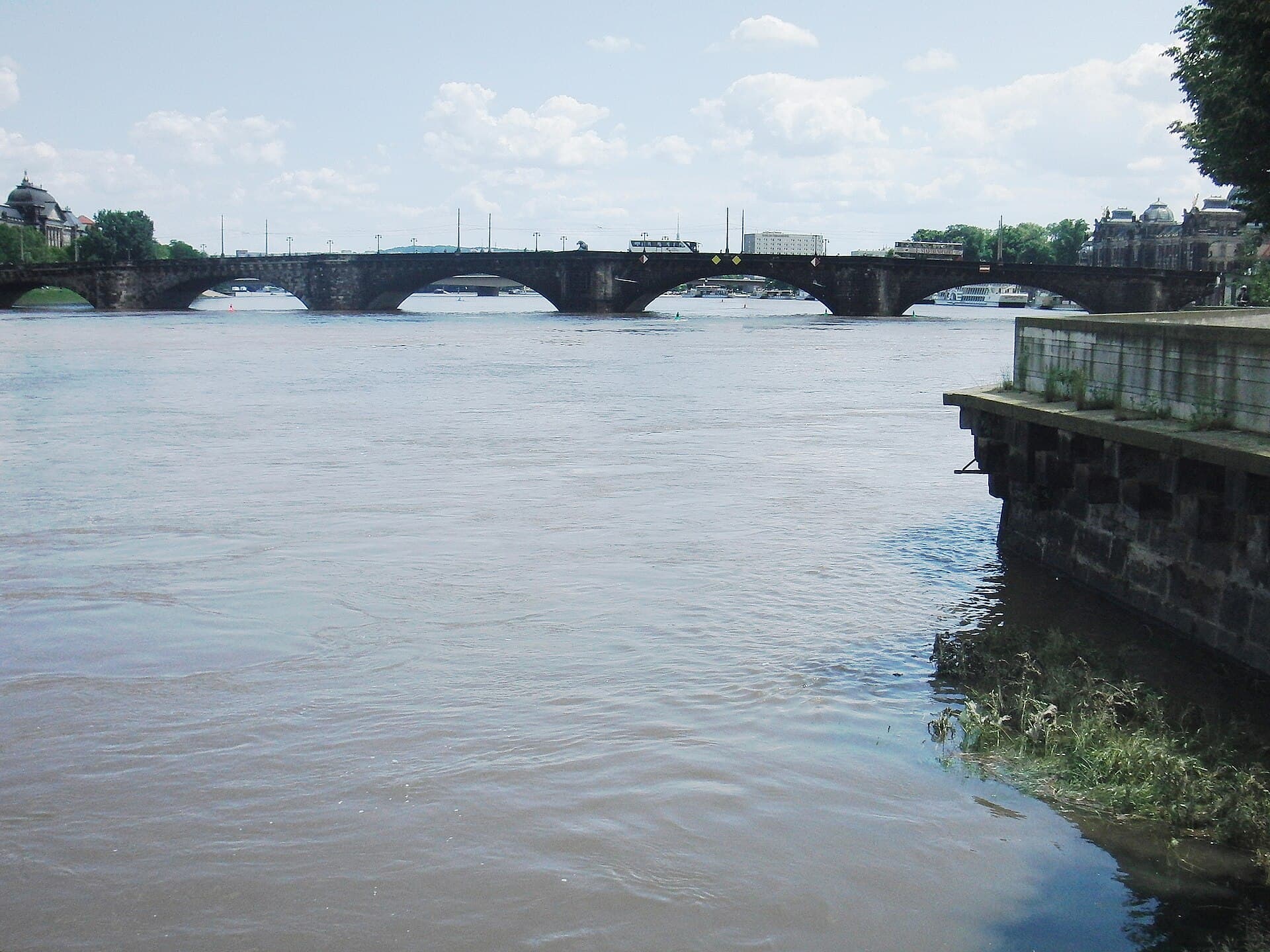 The Neue TerrasseA pedestrian street and group of buildings on Dresden's northern bank, within wh5 minutes walk4.9
Augustus the Strong's legendary collection is shown today in the Zwinger's porcelain wing — among the world's greatest. The Japanese Palace kept the name and architecture; the porcelain is there.
If a current show interests you, enter — often free, sometimes a surprise. Otherwise the garden and panorama alone justify the crossing, especially toward sunset.
Behind it lies the Äussere Neustadt with its alternative lanes, young cafés and the colourful Kunsthofpassage — Dresden's other face after the old bank's baroque. Make them one evening walk.