
Courtyards and arcades
In the university buildings.
Lcsrns — CC BY-SA 3.0 · Albano Azarian — CC BY-SA 3.0 · Bluepsy — CC BY-SA 3.0 · User:Cordobes — CC BY-SA 3.0
The Jesuit Block, the Manzana Jesuítica, is a group of historic buildings in the heart of Córdoba, Argentina, listed by UNESCO in 2000 together with five Jesuit estancias in the province. The Jesuits reached Córdoba in 1599 and in 1613 founded the university that became the National University of Córdoba, one of the oldest in South America; the block also holds the Monserrat secondary school, a church and residence buildings. The province's Jesuit estancias paid for this teaching project by raising cattle and crops, until King Charles III of Spain expelled the Jesuits from his colonies in 1767. Today the block houses the university's historical museum, with old halls, a rare-book library and arcaded courtyards. The buildings are seen with the museum on a self-guided visit with an audioguide or on a guided tour, including English tours booked 24 hours ahead. The museum opens Monday to Friday 09:30-17:30 and Saturdays and holidays 09:30-14:30, with free entry on Wednesdays.
In the university buildings.
In the museum.
Booked ahead.
Obispo Trejo 242, central Córdoba
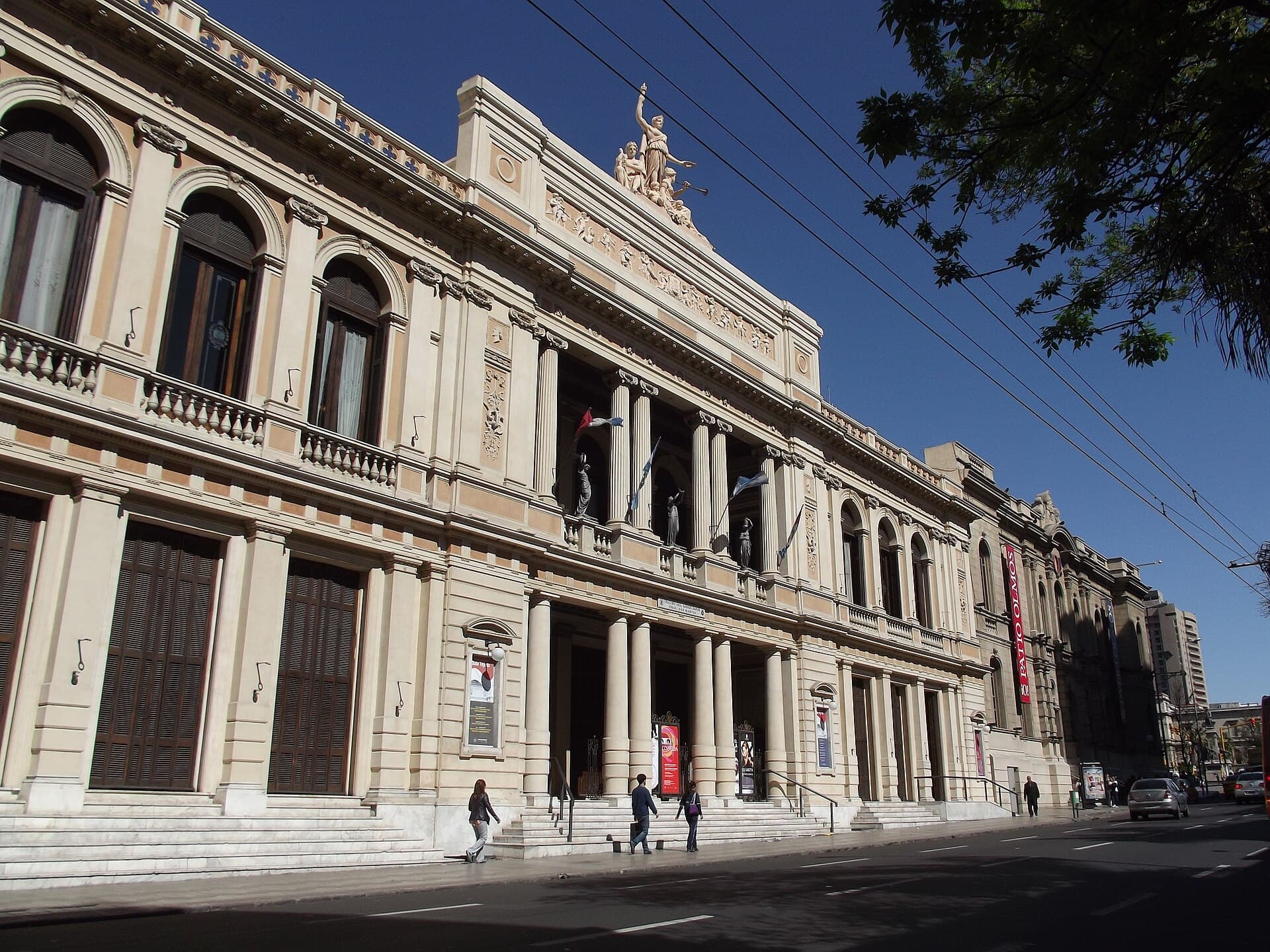 Teatro del Libertador San Martín (Córdoba)The Teatro del Libertador General San Martín, formerly the Teatro Rivera Indarte2 minutes walk
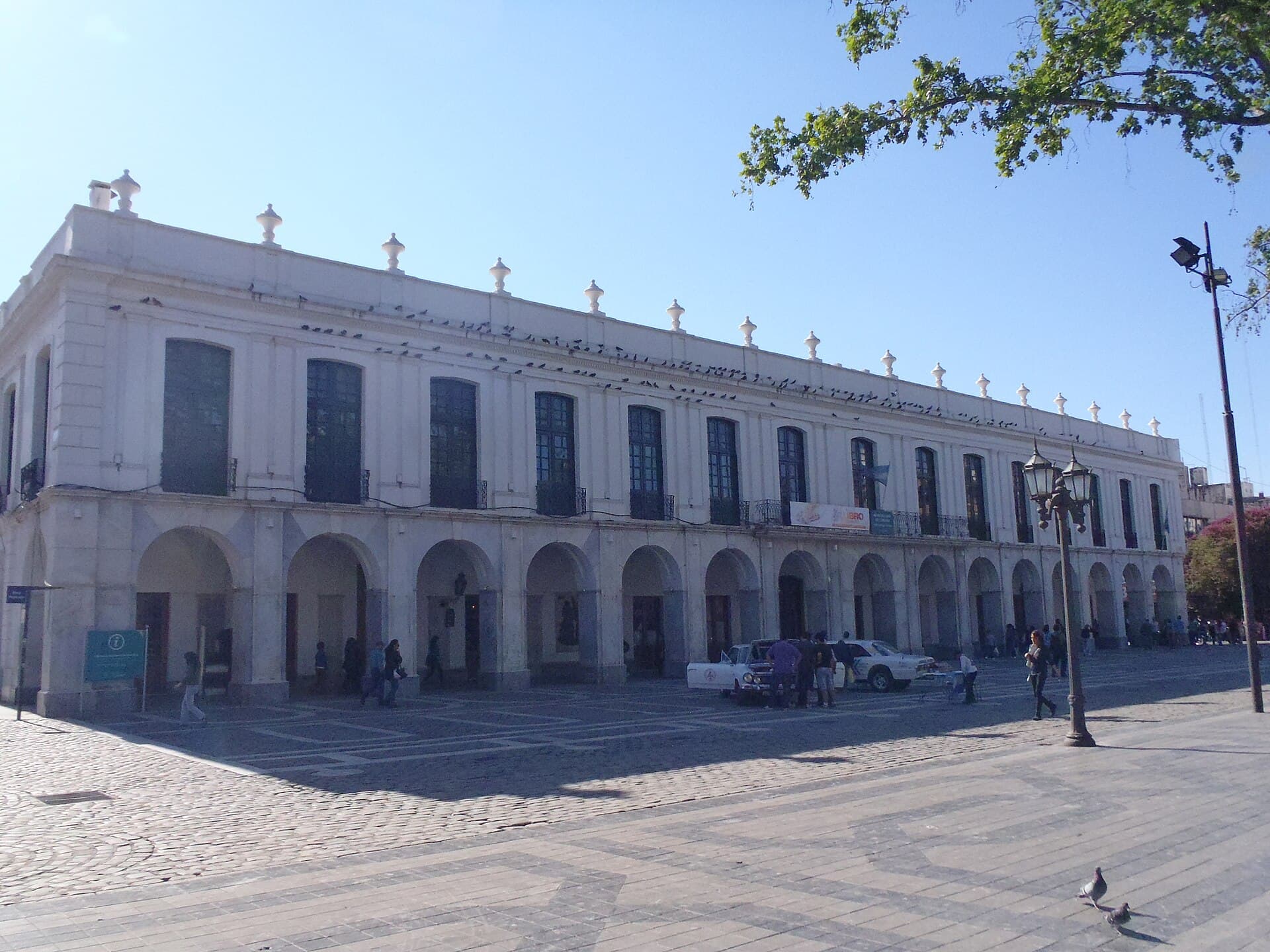 Cabildo de Córdoba (Colonial Town Hall)Córdoba's Cabildo, the town council house of Spanish times, is one of the last c4 minutes walk
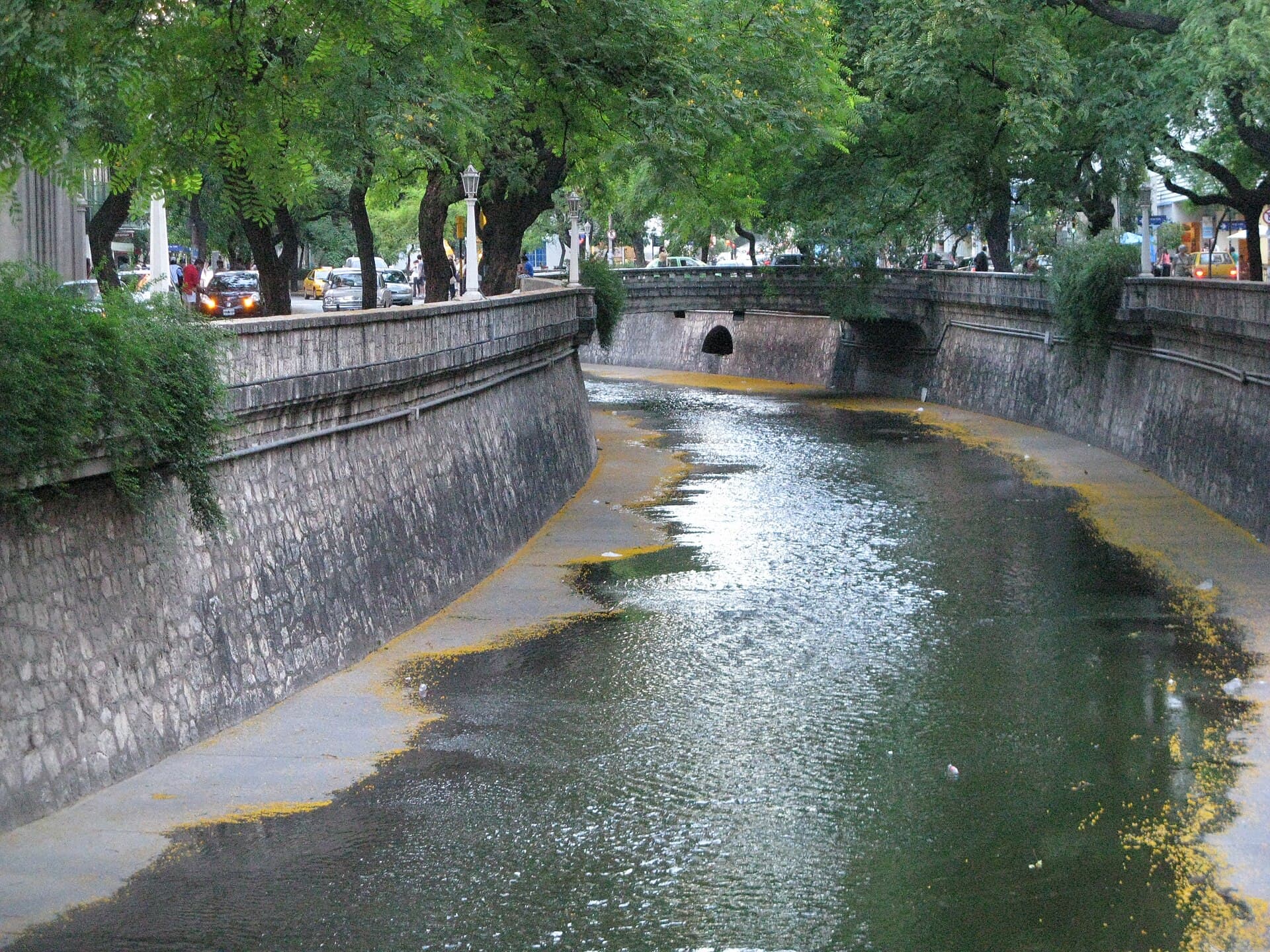 La Cañada (Córdoba)La Cañada is a stream that crosses the Argentine city of Córdoba from southwest 7 minutes walk
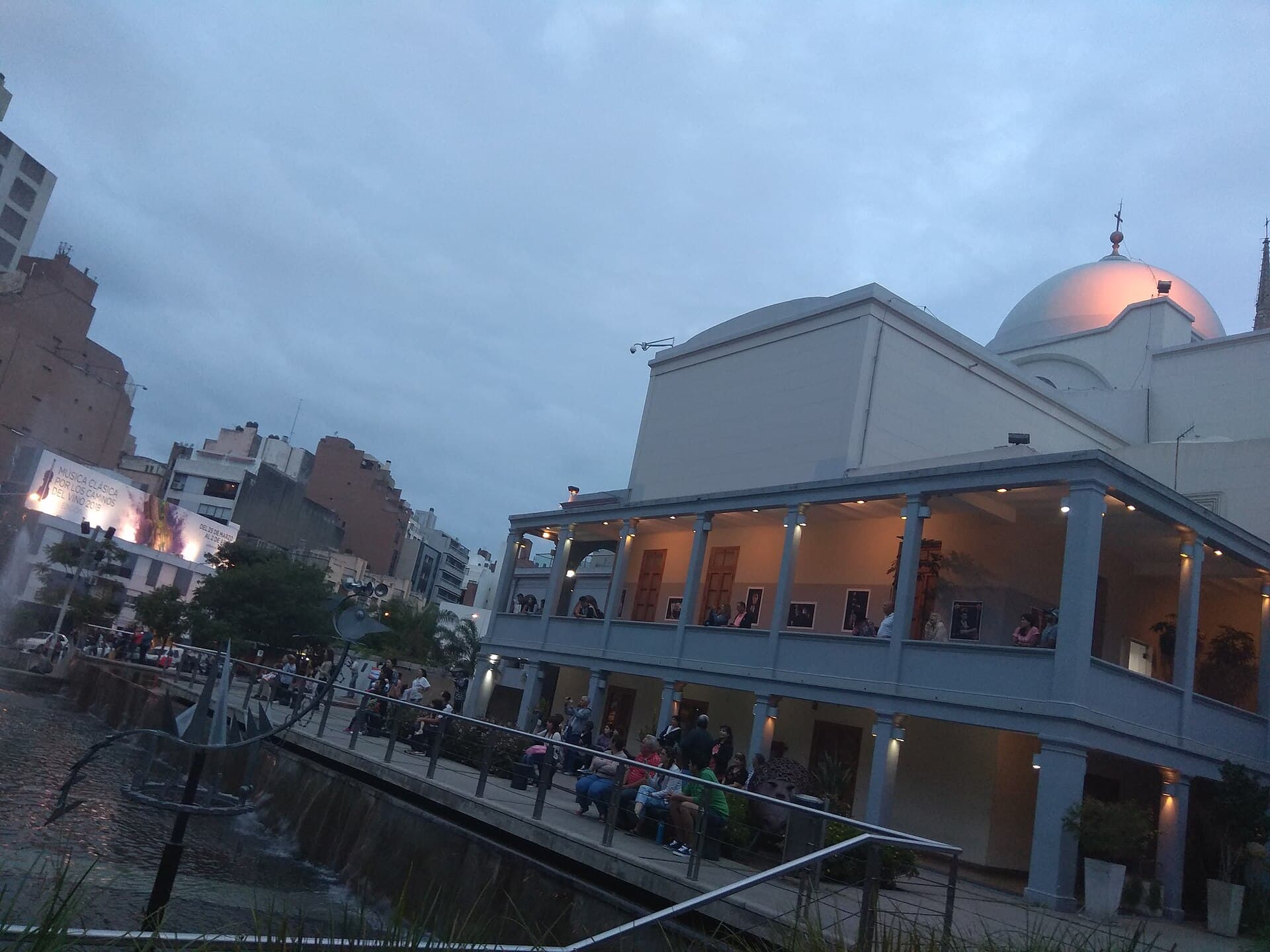 Paseo del Buen PastorThe Paseo del Buen Pastor is a cultural and leisure complex in Nueva Córdoba, se9 minutes walk4.6
 Palacio Ferreyra (Evita Fine Arts Museum)Palacio Ferreyra is one of Córdoba's most beautiful buildings, designed by the F14 minutes walk
Yes, at 10:00 Monday to Saturday, booked at least 24 hours ahead; a guided tour costs ARS 7,000 for non-residents.