
Czech Cubism
A unique movement that extended into architecture and furniture, without parallel in Europe.
Mister No — CC BY 3.0 · Zorka Sojka — CC BY-SA 4.0 · Zorka Sojka — CC BY-SA 4.0 · Zorka Sojka — CC BY-SA 4.0
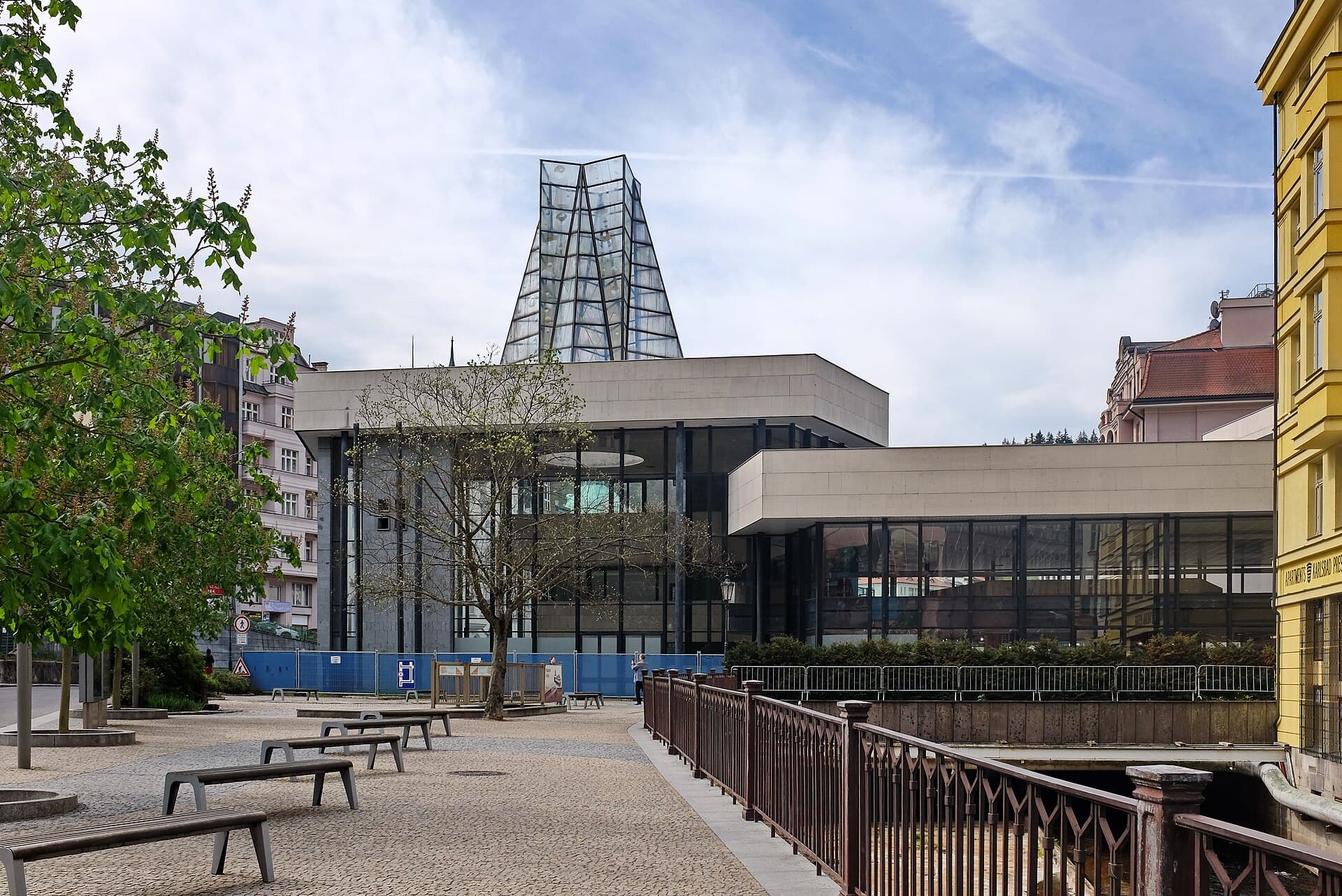
An art gallery in a 1950s building south of central Karlovy Vary, showing Czech art of the twentieth century. The collection concentrates on a period rarely shown outside the Czech Republic: Czech art between the wars, under communist rule and after. That takes in Czech Cubism, a local movement that existed in this form in no other country, and work from the normalisation period after 1968. That makes the visit useful for anyone wanting to understand the Czech twentieth century visually: the art here reflects sharp political turns, from a democratic republic to Nazi occupation to communist rule to liberation. The gallery is small with limited hours, and it sits within walking distance of the colonnades along the river. Add it if you are staying in the town, rather than as a reason to come.
A unique movement that extended into architecture and furniture, without parallel in Europe.
The art reflects the passage from republic to occupation to communist rule to liberation.
Add it if you are staying in the town, rather than as a reason to come.
Goethova stezka, south of central Karlovy Vary
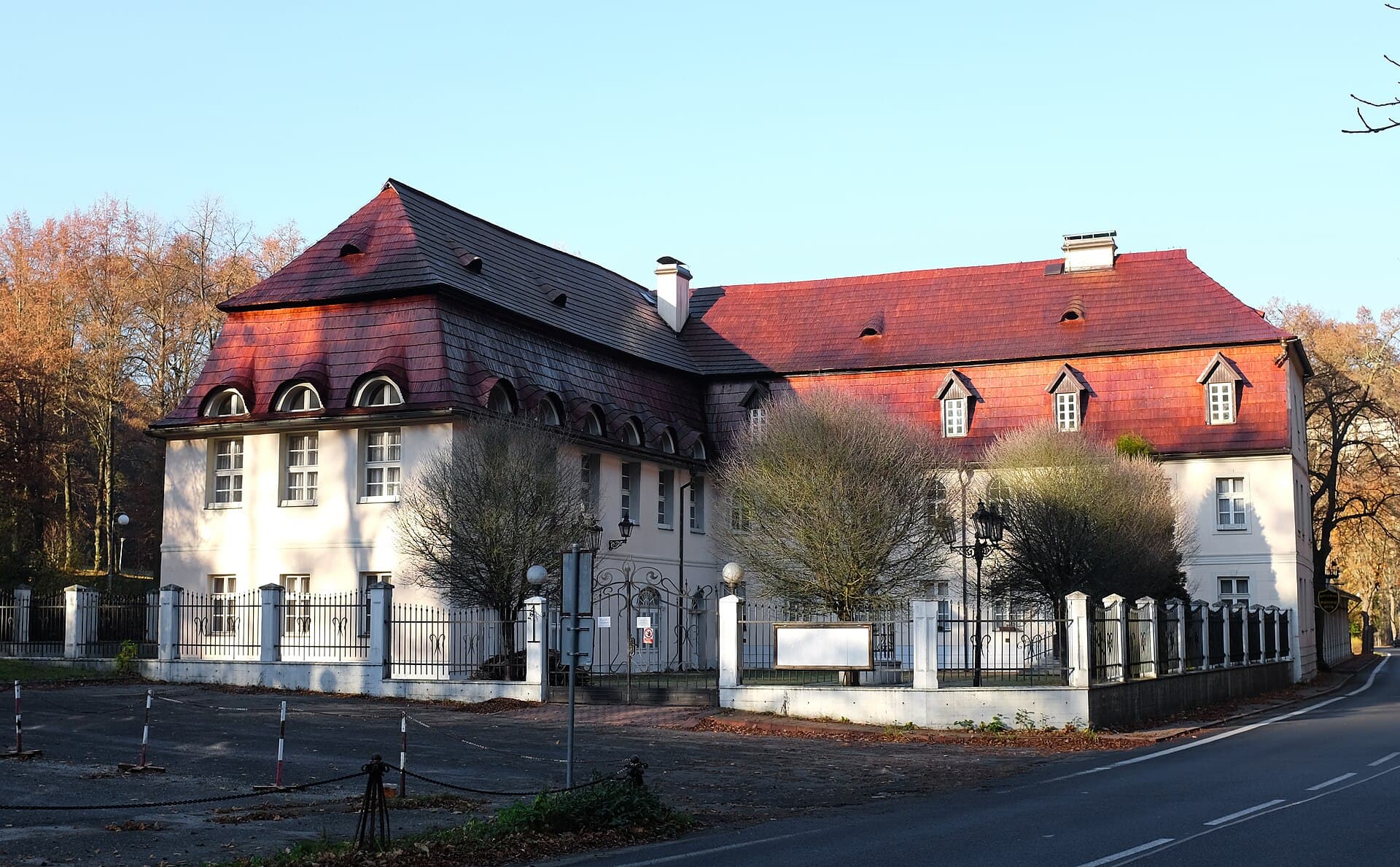 The Post CourtA historic building on the Teplá river south of the spa district in Karlovy Vary5 minutes walk3.9
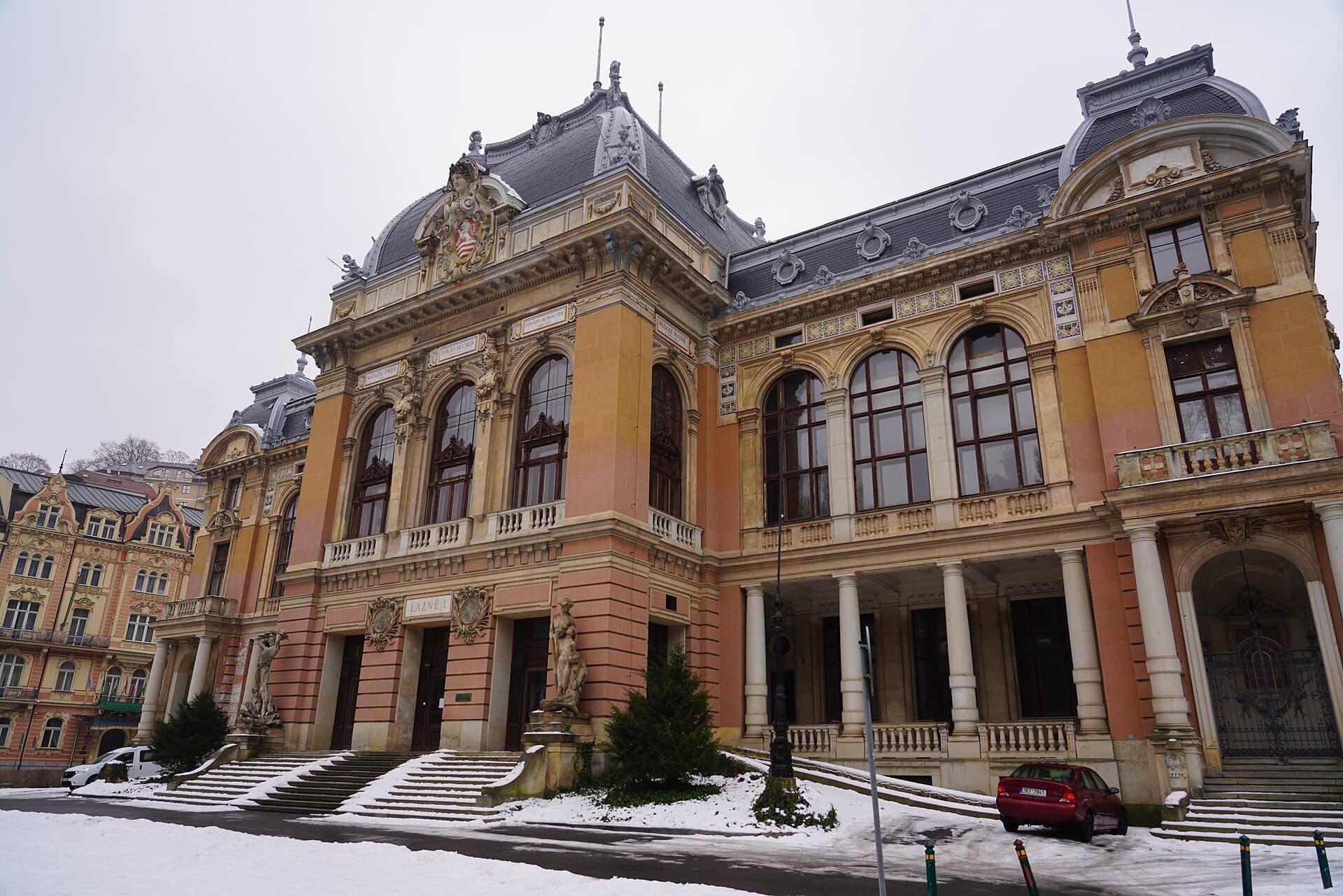 The Imperial BathsThe bathing palace built for an emperor: Lázně I (1895), its French-Renaissance 5 minutes walk4.6
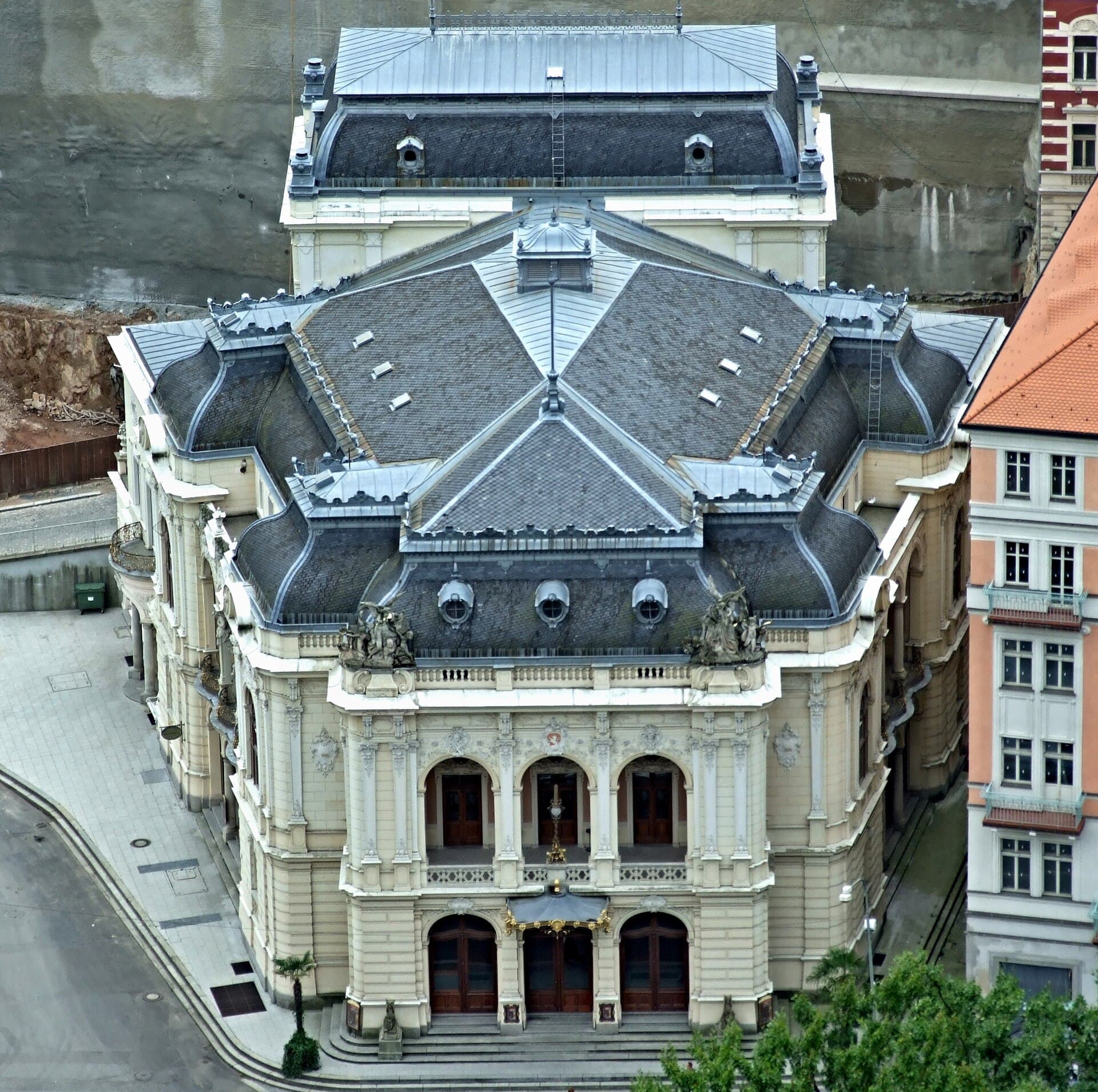 Karlovy Vary City TheatreA theatre of 1886 in central Karlovy Vary, built in the neo-Renaissance manner a7 minutes walk4.7
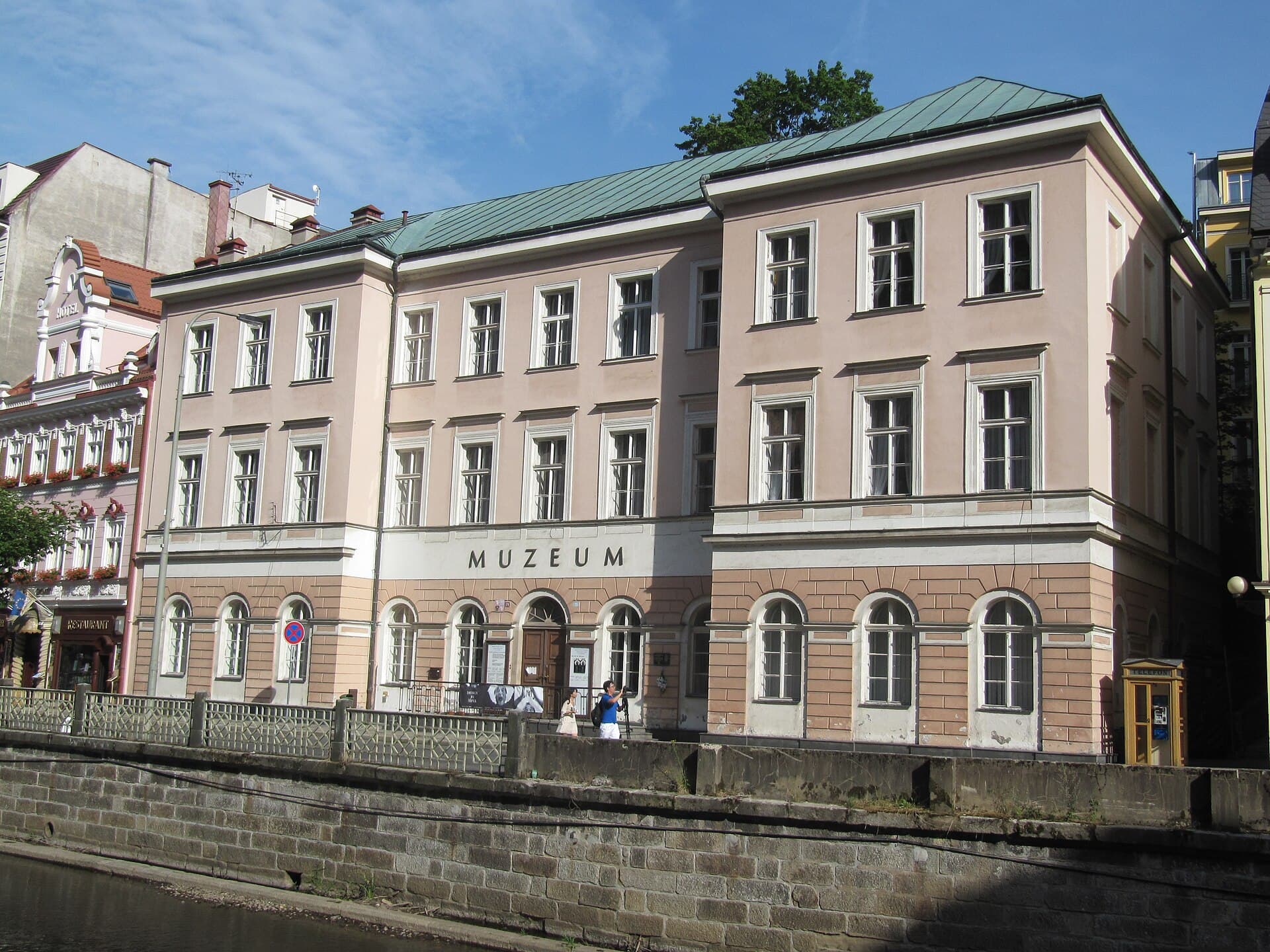 The Karlovy Vary MuseumThe mineral city's story in order: the regional museum on the Nová louka bank, i8 minutes walk4.9
 The Hot Spring ColonnadeThe city's literally beating heart: the Vřídlo mother-spring hurls its 72-degree8 minutes walk4.5
A movement that emerged in Prague around 1911 and extended beyond painting into architecture, furniture and ceramics — which did not happen in France where Cubism originated. Entire Cubist buildings still stand in Prague today, and it is a purely Czech phenomenon.
The town's value is its colonnades, hot springs, architecture and riverside walking, which is what people come for. The gallery is an addition for anyone spending two days or more, or on a wet day, rather than a priority.