
Dvořák conducted here
The Czech composer led an orchestra in the hall in 1879.
Lubor Ferenc — CC BY-SA 4.0 · Lubor Ferenc — CC BY-SA 4.0 · Lubor Ferenc — CC BY-SA 4.0 · Lubor Ferenc — CC BY-SA 4.0
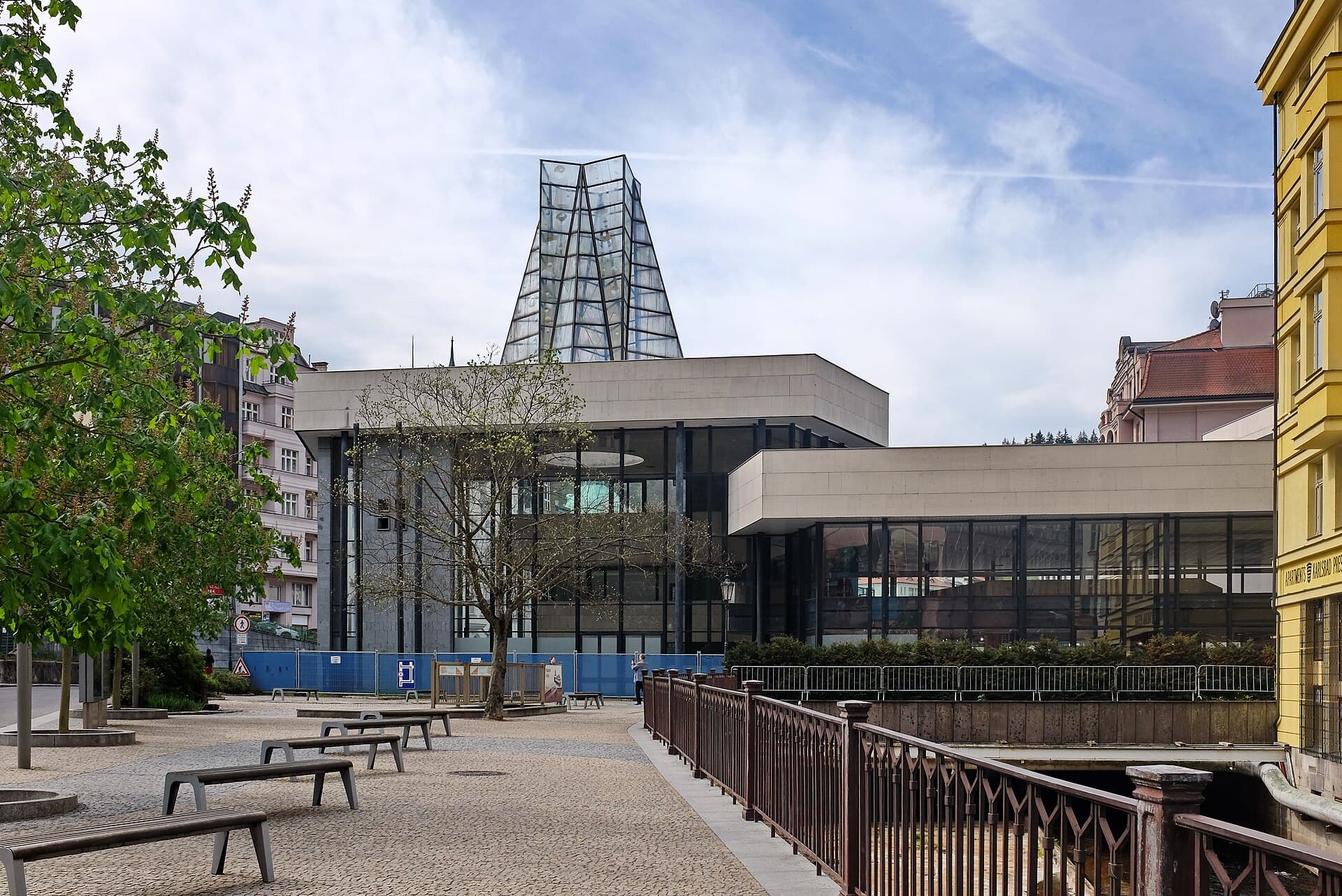
A historic building on the Teplá river south of the spa district in Karlovy Vary, established in the eighteenth century as a postal station and later turned into a concert hall and restaurant. The transformation is typical: postal stations in Europe were stopping points where horses were changed and travellers rested, so restaurants and inns grew around them. As horse transport declined many became places of entertainment, which is what happened here. In the nineteenth century it became a well-known concert venue, and major musicians played here — among them the Czech composer Antonín Dvořák, who conducted an orchestra at it in 1879. The building, with its classical facade and its garden on the riverbank, stands at the end of the southern spa promenade, a quiet walk away from the crowds of the colonnades. It still works as a restaurant and events hall, and the garden and facade are free to see.
The Czech composer led an orchestra in the hall in 1879.
A typical transformation for European postal stations.
At the end of the quiet southern riverside promenade.
On the Teplá river south of the spa district
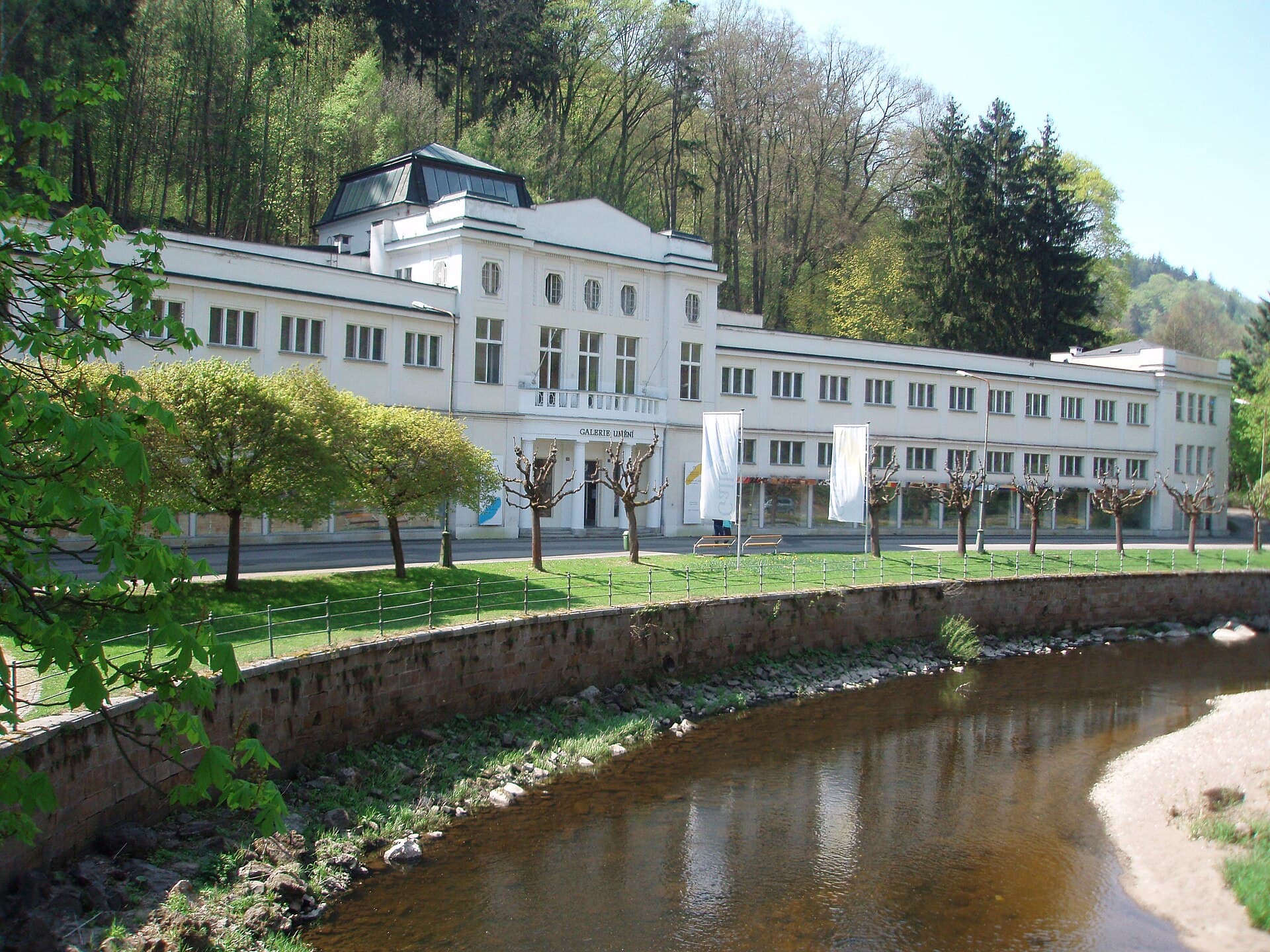 Karlovy Vary Art GalleryAn art gallery in a 1950s building south of central Karlovy Vary, showing Czech 5 minutes walk4.6
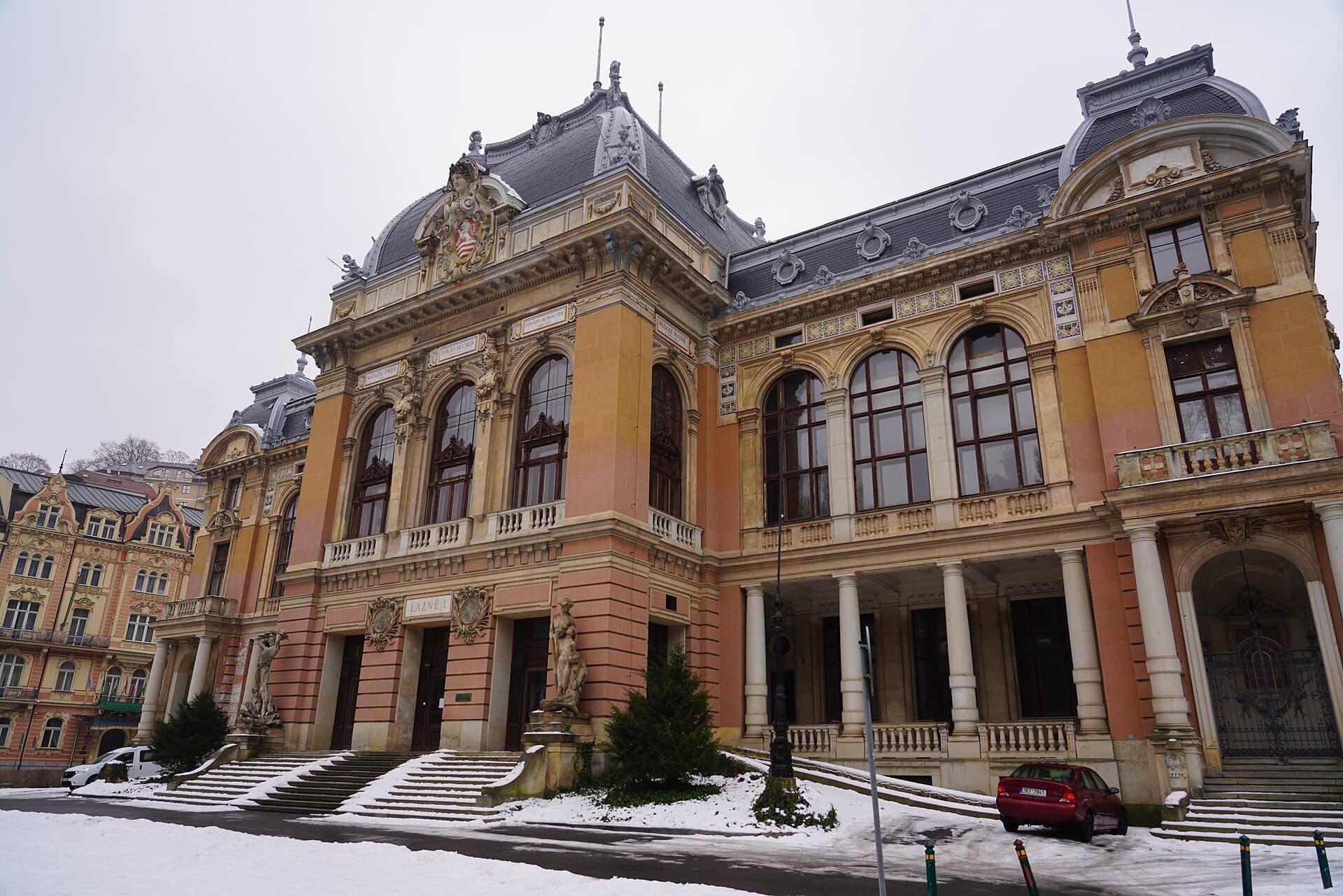 The Imperial BathsThe bathing palace built for an emperor: Lázně I (1895), its French-Renaissance 10 minutes walk4.6
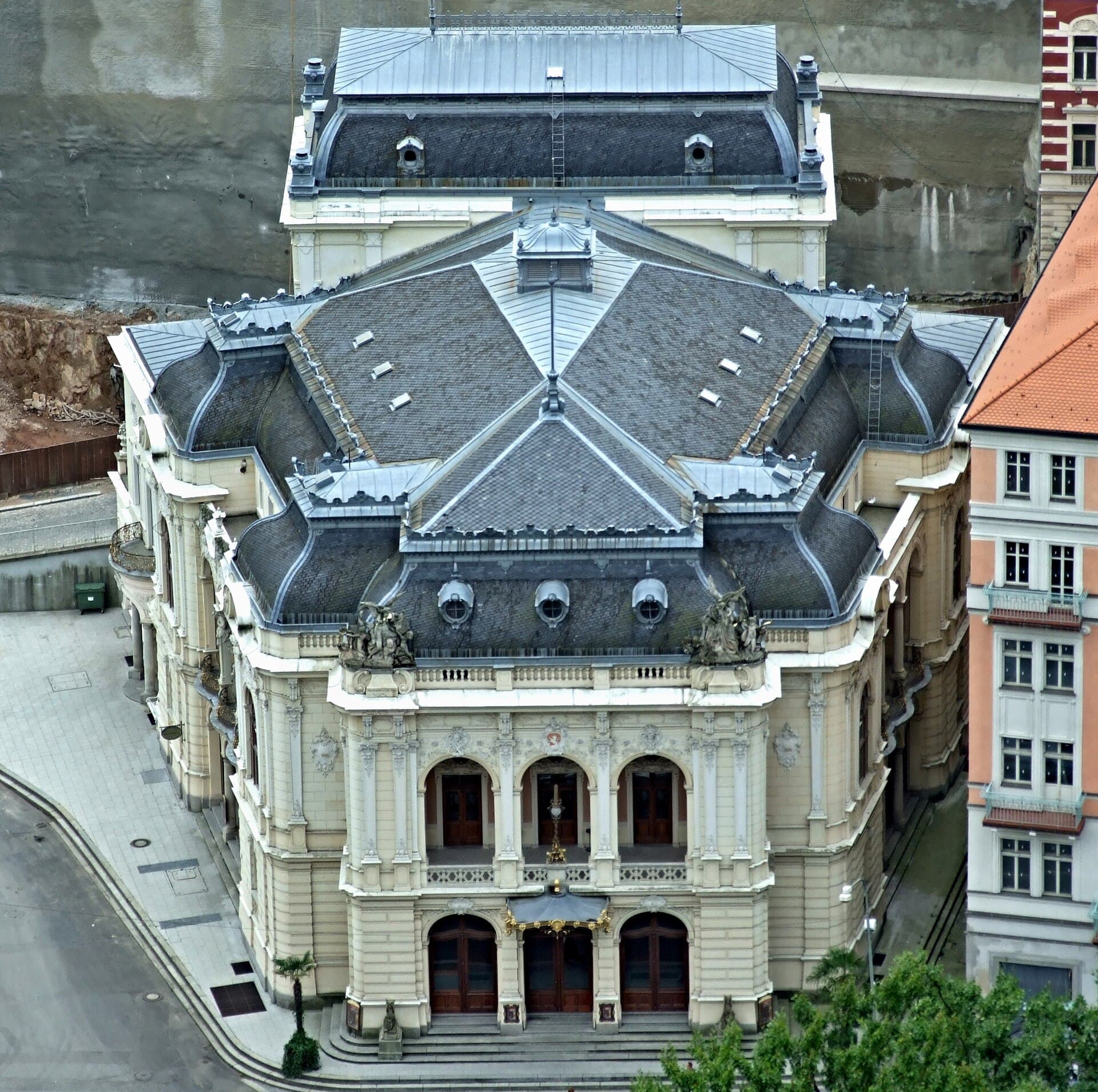 Karlovy Vary City TheatreA theatre of 1886 in central Karlovy Vary, built in the neo-Renaissance manner a12 minutes walk4.7
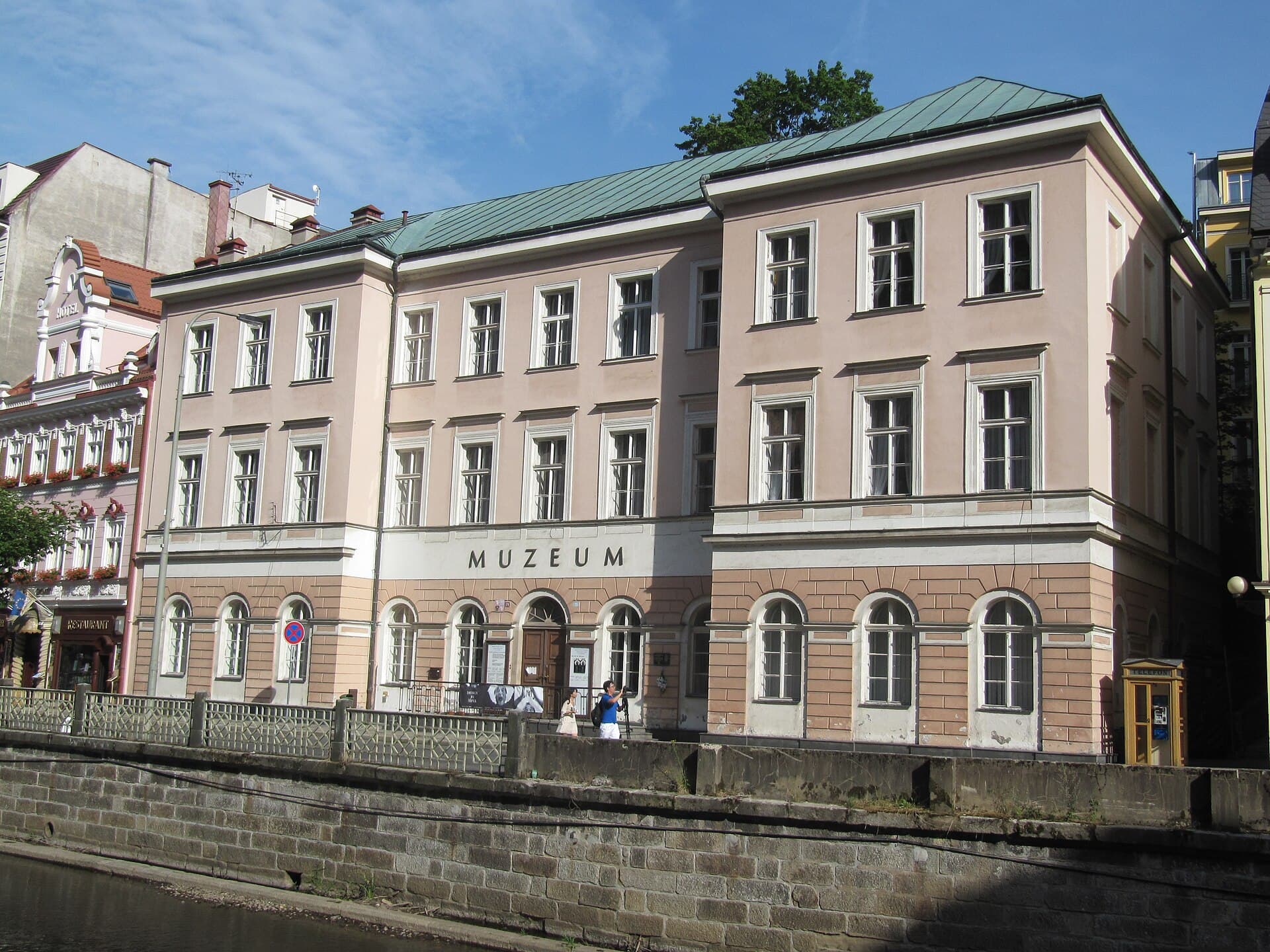 The Karlovy Vary MuseumThe mineral city's story in order: the regional museum on the Nová louka bank, i13 minutes walk4.9
 The Hot Spring ColonnadeThe city's literally beating heart: the Vřídlo mother-spring hurls its 72-degree13 minutes walk4.5
A network of stopping points on Europe's postal roads, spaced at a distance a horse could cover without exhaustion — about twenty to thirty kilometres. At each, horses were changed and driver and passengers rested. This network was the infrastructure of communication and travel before the railways, and the word post in several European languages goes back to the stations themselves rather than to letters. Their function vanished in the nineteenth century with the trains.
A route following the Teplá river south from the colonnades towards the wooded valley, past historic hotels, nineteenth-century villas and gardens. It is far quieter than the central district and much less crowded, reaching the Post Court and then the forest paths. Walking it there and back takes about an hour, and it is among the best things to do in the town in the morning.