
The arcaded court
Italy's Renaissance in Poland's heart.
Stanislau 93 — CC BY-SA 3.0 pl · Radek Kucharski from Warsaw, Poland — CC BY 2.0 · BugWarp — CC BY-SA 4.0 · BugWarp — CC BY-SA 4.0
Wawel is Poland's national sanctum: the kings' hill over the Vistula where dynasties ruled five centuries, monarchs were crowned and buried — a Renaissance castle around a solemn Italian arcaded court, and a gold-domed cathedral that is Poland's Westminster: the nation's crowns, saints and poets beneath its floor, the ten-tonne Sigismund bell tolling the country's greatest occasions. Inside, tickets run by chosen routes: the State Rooms with the famous Flemish Arras tapestries (140 pieces miraculously returned from Canadian exile), the Royal Apartments, the treasury and armoury with the Szczerbiec coronation sword — the cathedral on its own ticket: domes, tombs and the bell tower climb. And beneath the hill, the legend: the Dragon's Den descends by stair to the river where the dragon statue breathes real fire every few minutes — the children's eternal rite. The hill itself climbs free for courts and view regardless — and book routes online: its windows queue in earnest.
Italy's Renaissance in Poland's heart.
140 pieces back from Canadian exile.
Ten tonnes tolling the nation's feasts.
The legend by stair to the river's fire.
Wawel 5, 31-001 Krakow
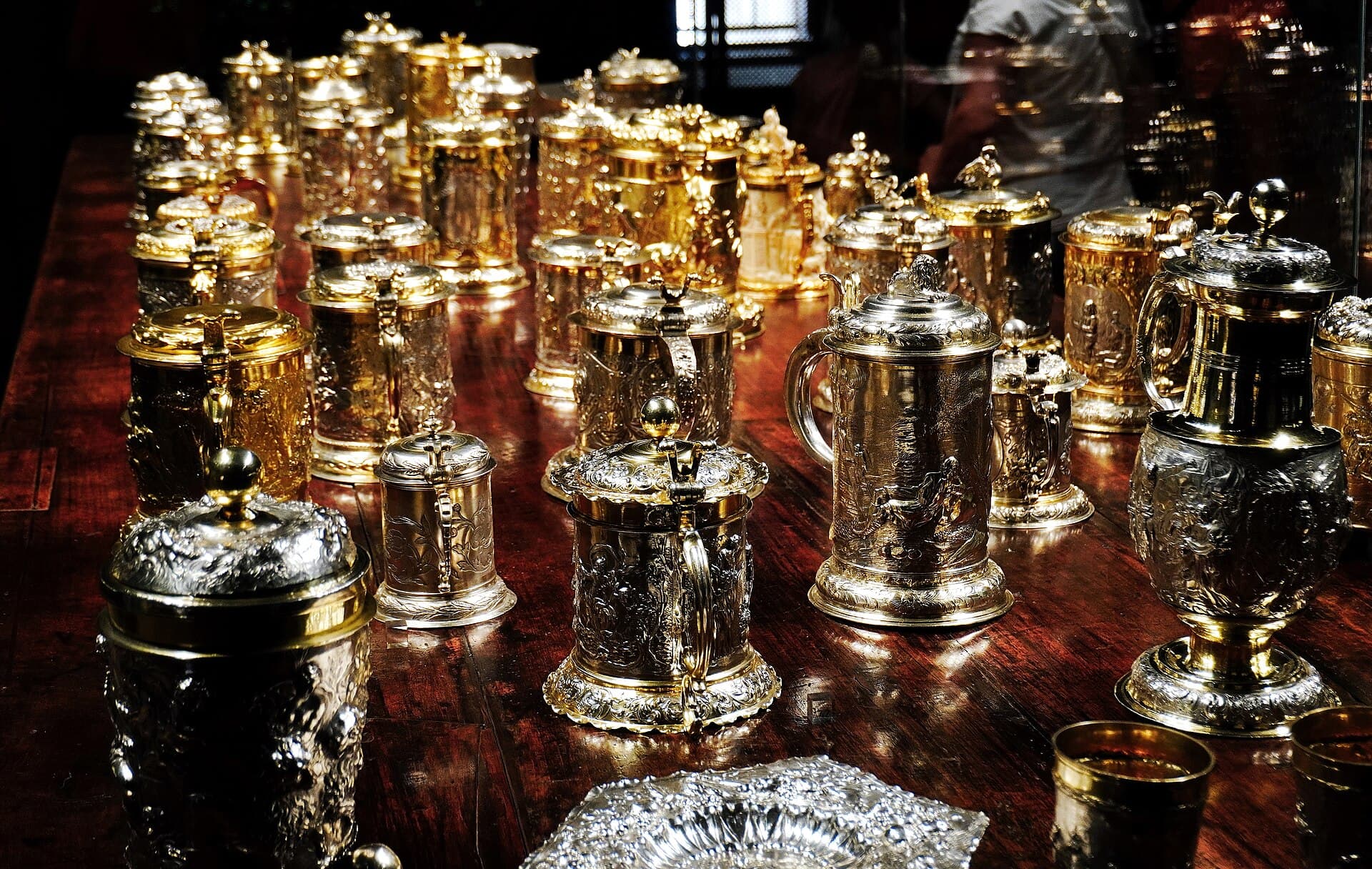 Wawel Crown TreasuryThe royal treasury and armoury halls of Wawel Castle, holding what survives of t1 minute walk4.7
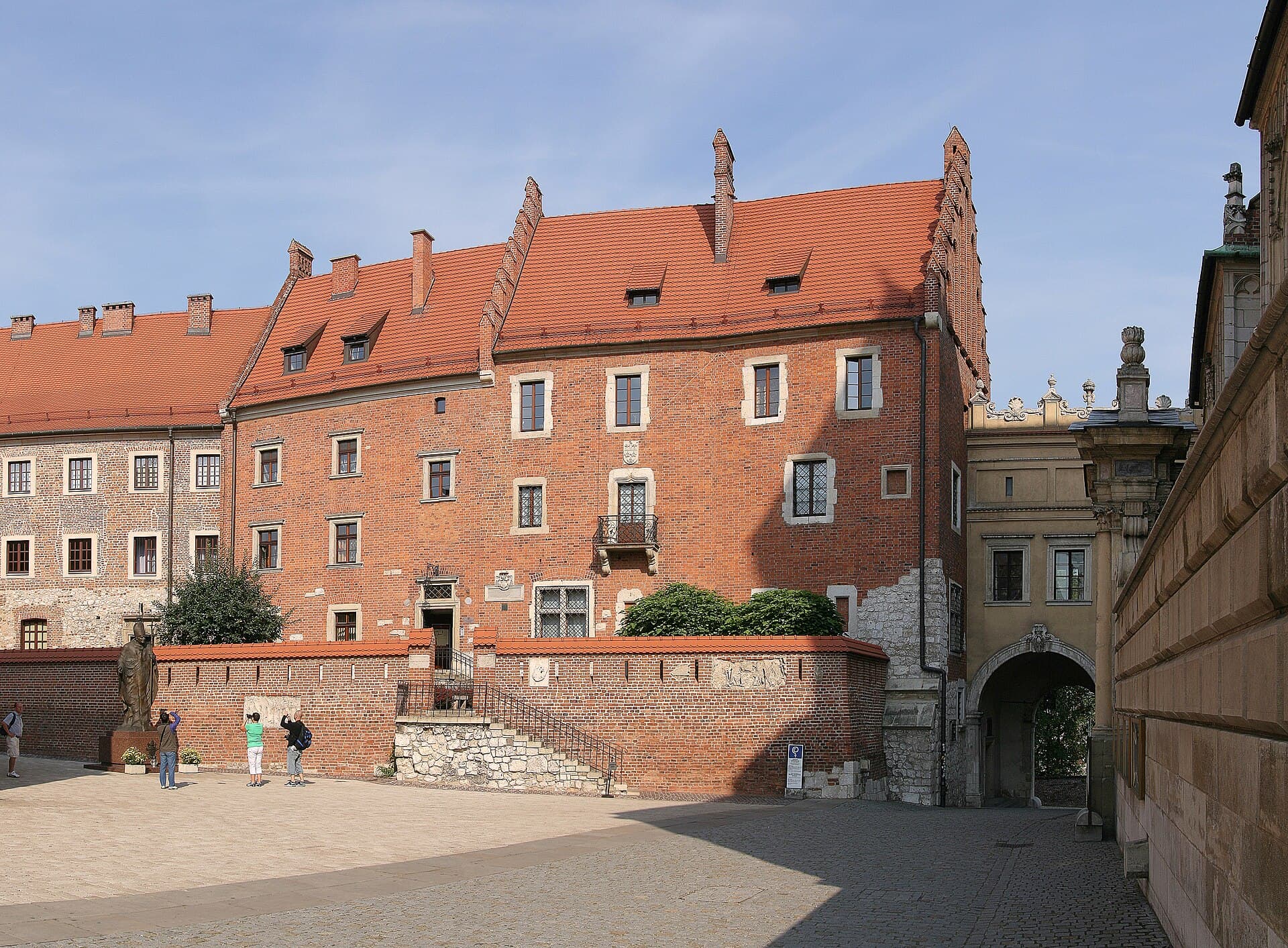 Wawel Cathedral MuseumA museum of the treasures of Wawel Cathedral, in a building adjoining the cathed2 minutes walk4.5
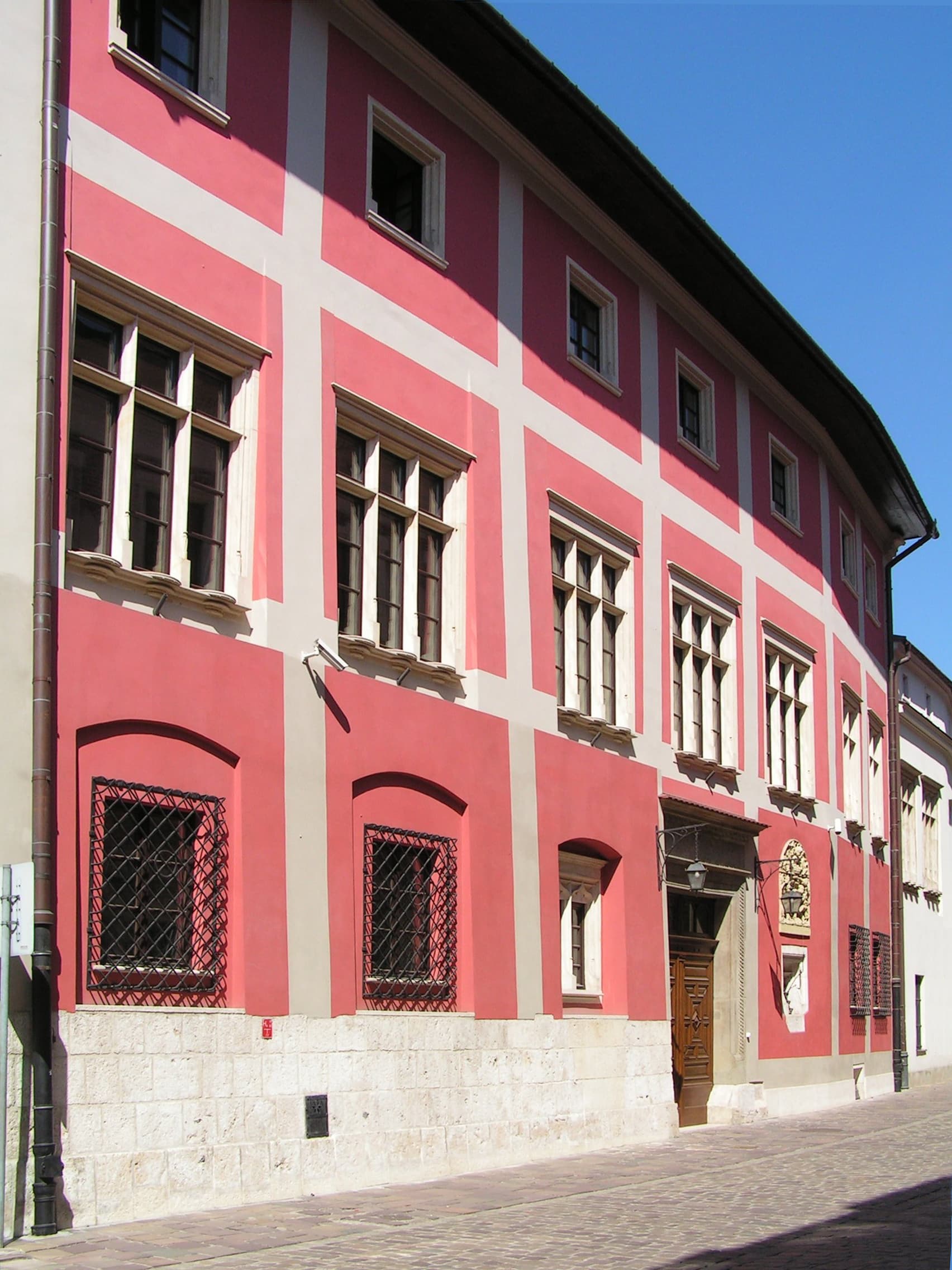 Bishop Erazm Ciołek PalaceA Renaissance palace on Kanonicza street directly below Wawel hill, a branch of 3 minutes walk4.6
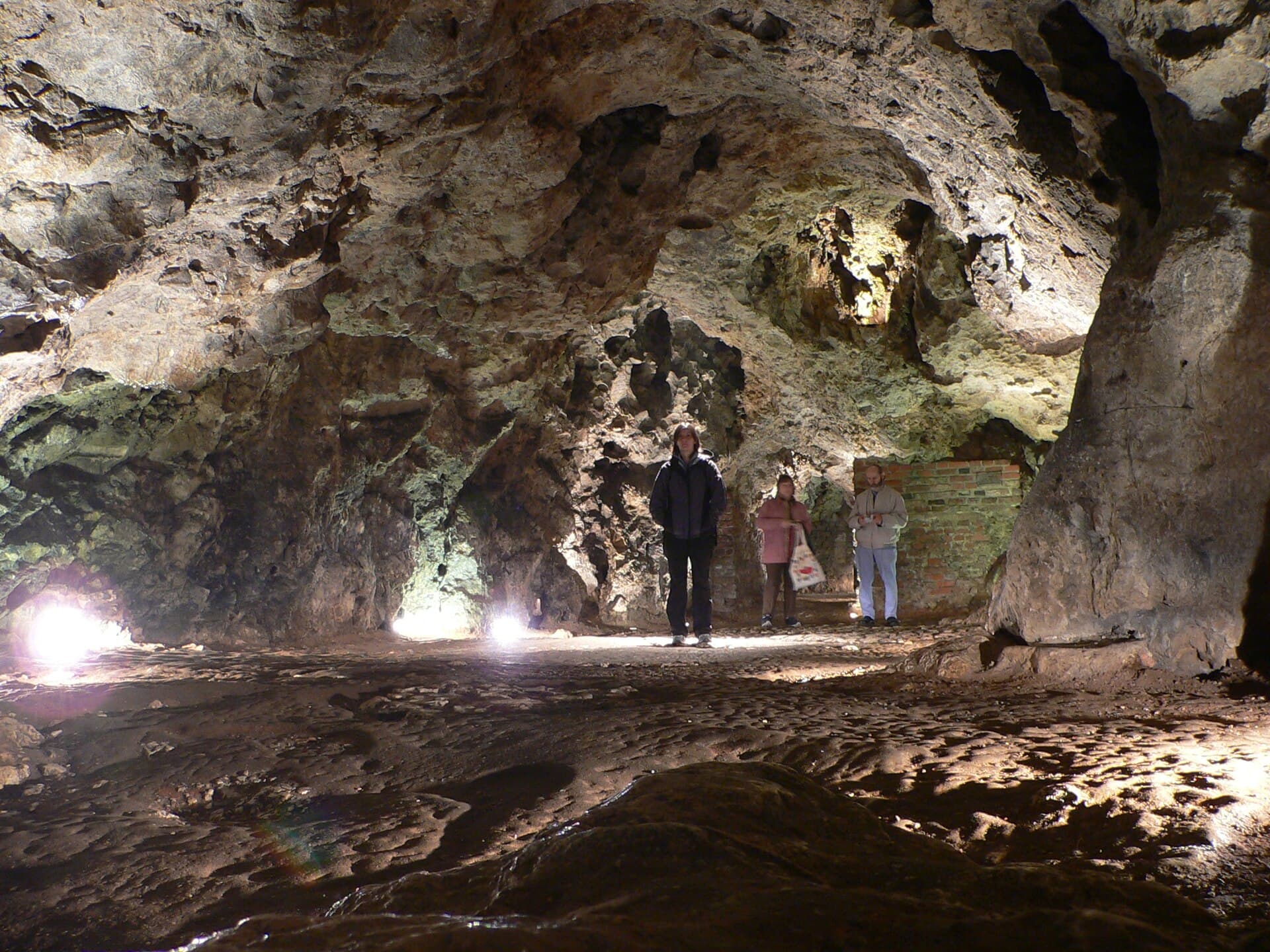 Dragon's DenA limestone cave beneath Wawel hill, entered from inside the castle walls and ex3 minutes walk3.7
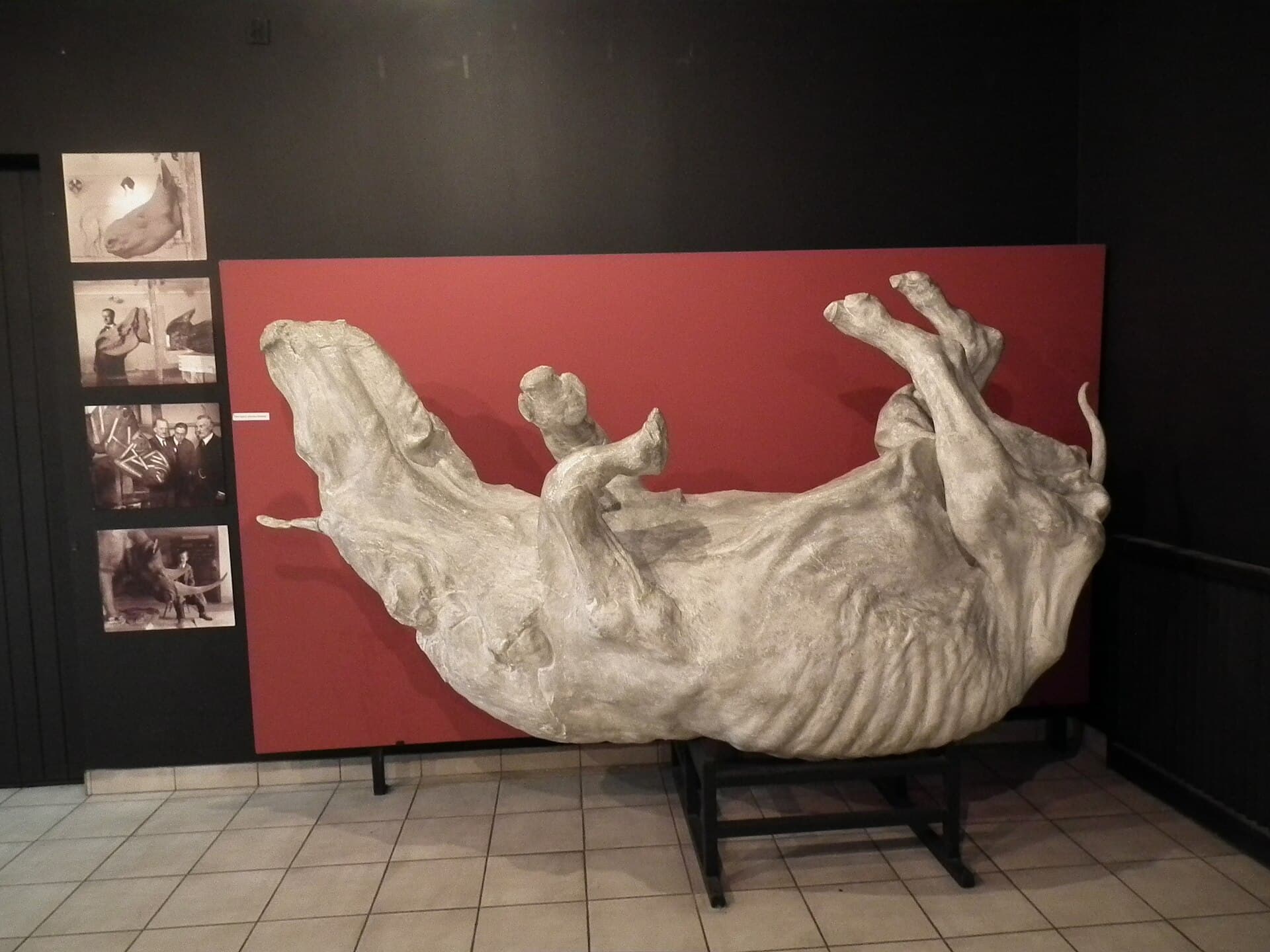 Natural History Museum KrakówA natural history museum of the Polish Academy of Sciences, in central Kraków mi5 minutes walk4.4
Poland's most famous tale: a dragon in the hill's cave devoured flocks and maidens until a young cobbler stuffed a sheep with sulphur — the dragon ate it, drank the river and burst — the cobbler winning the princess. The fire statue (1972) salutes the tale — the city's moral that wit beats strength.