
The woolly rhinoceros
Recovered from tar that preserved soft tissue, not bone alone.
Krzyycho — CC BY 3.0 · Maire — CC BY-SA 4.0 · Maire — CC BY-SA 4.0 · Krzyycho — CC BY-SA 4.0
A natural history museum of the Polish Academy of Sciences, in central Kraków minutes from the main square. Its best-known exhibit is a woolly rhinoceros, an animal extinct for some fourteen thousand years. The specimen here was recovered from a tar pit in southern Poland, and that kind of preservation is very rare because the tar preserved soft tissue rather than bone alone. It is one of few woolly rhinoceros specimens preserved this way anywhere. Alongside it are collections of insects, birds, mammals and shells, with displays on the animals of Poland and the Tatra mountains. This is a research museum in origin — attached to the Institute of Systematics and Evolution of Animals — rather than a science entertainment centre, so the presentation is conventional and closer to precision than to spectacle. It is small, an hour covers it, and its central position makes it an easy addition. Useful with children on a wet day, and Kraków gets serious rain.
Recovered from tar that preserved soft tissue, not bone alone.
Sections on the animals of the southern Polish mountains you may visit.
Central and indoors — useful with children, and Kraków gets real rain.
Sławkowska street, central Kraków
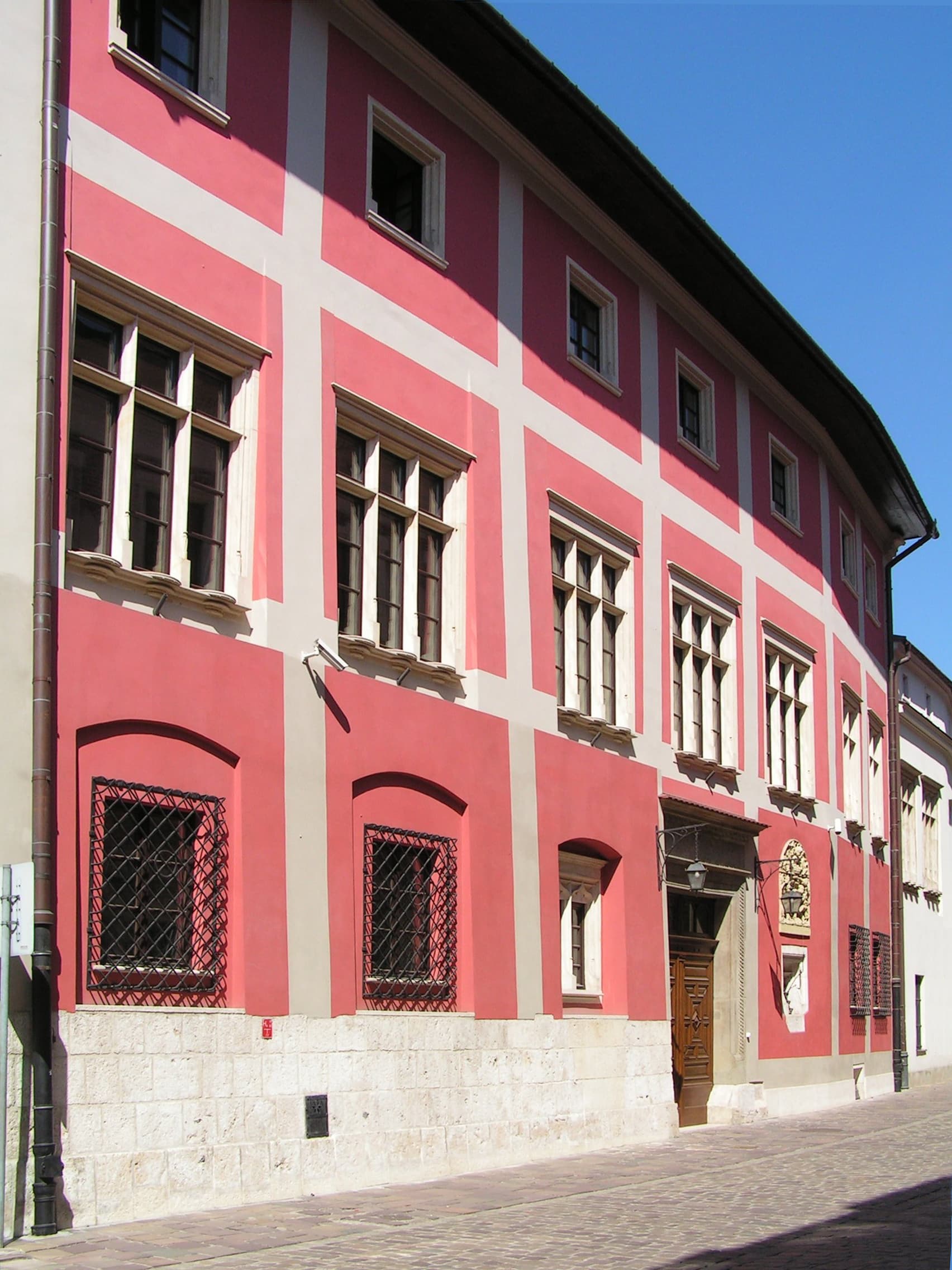 Bishop Erazm Ciołek PalaceA Renaissance palace on Kanonicza street directly below Wawel hill, a branch of 4 minutes walk4.6
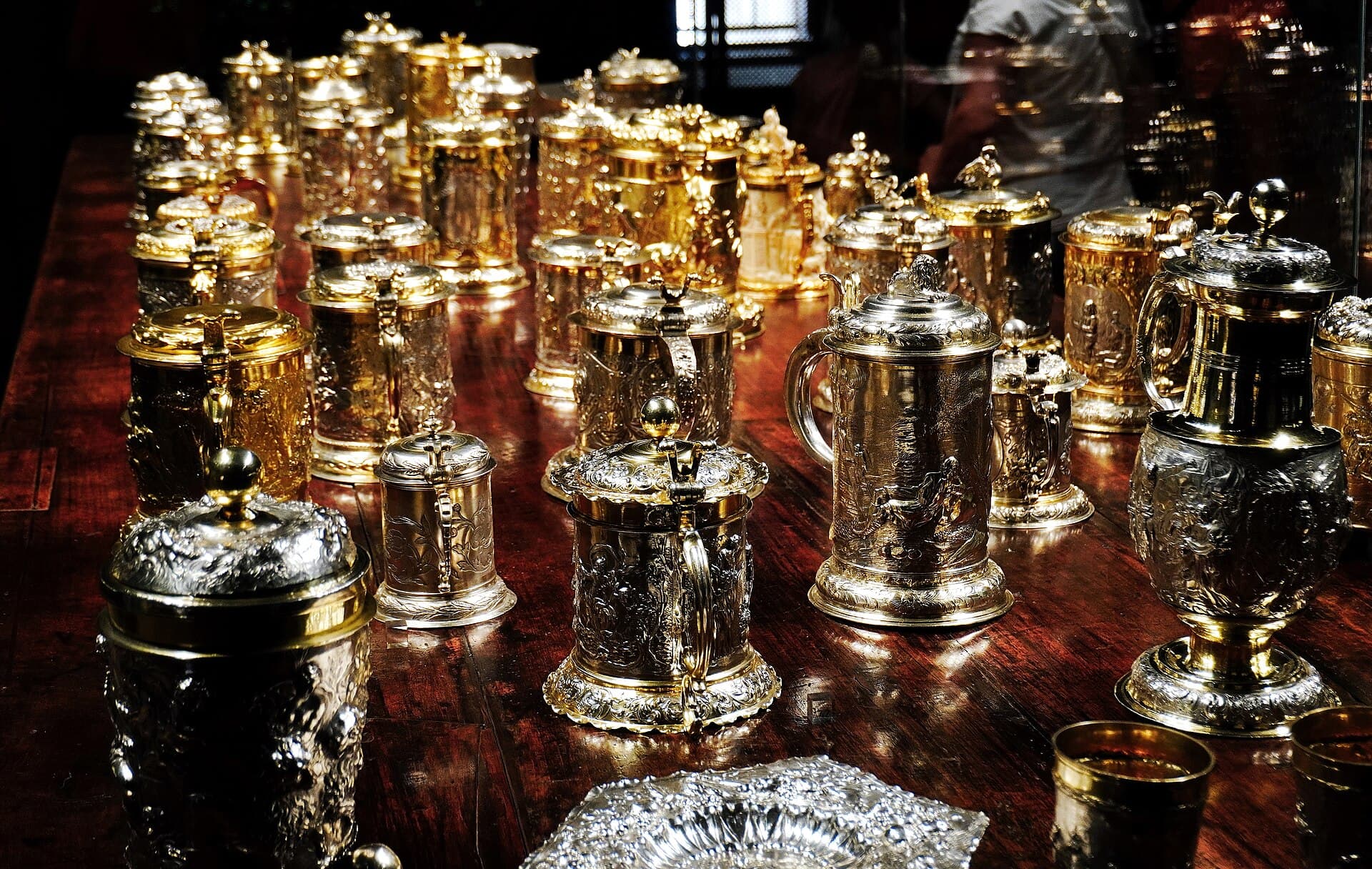 Wawel Crown TreasuryThe royal treasury and armoury halls of Wawel Castle, holding what survives of t5 minutes walk4.7
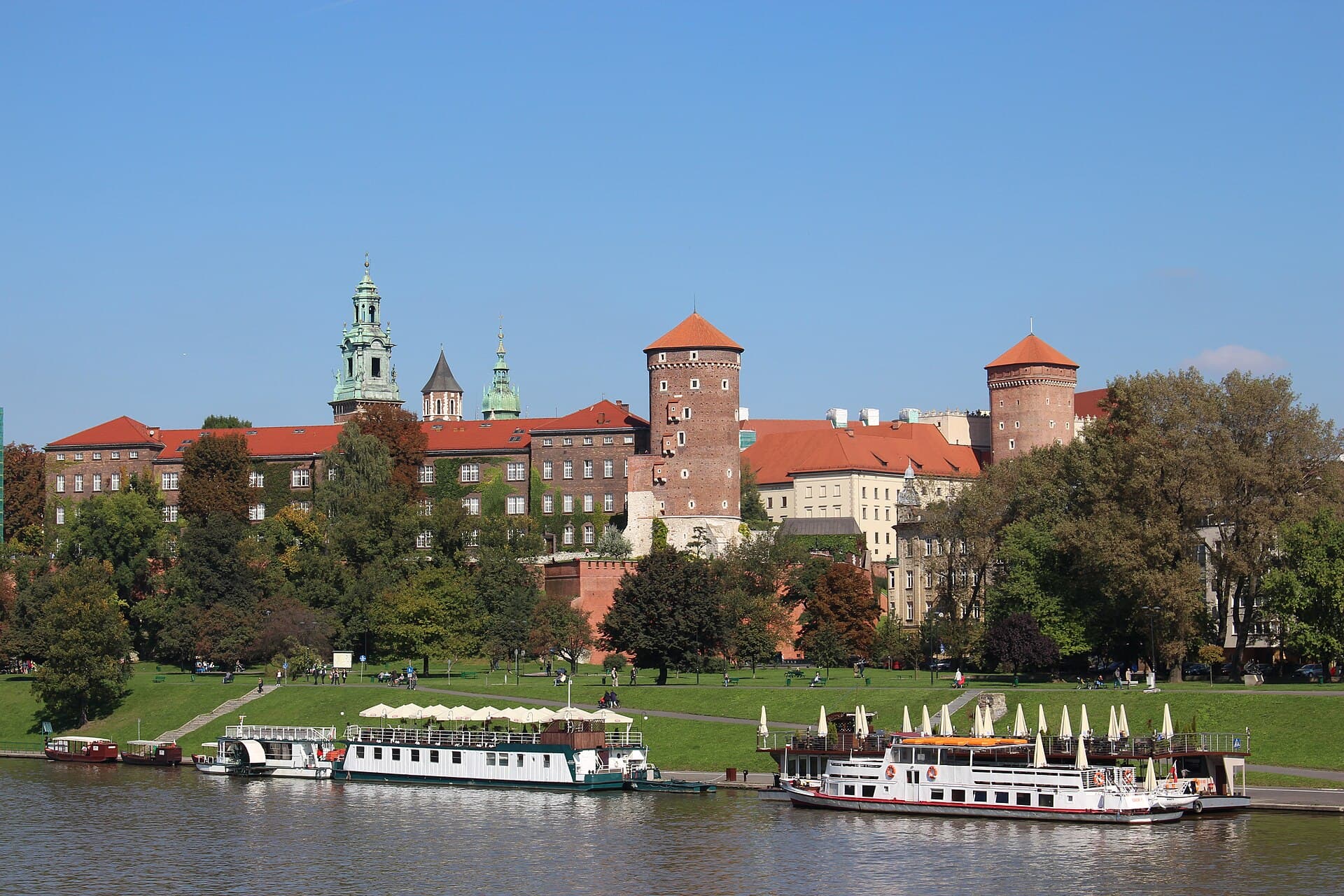 Wawel Royal Castle & CathedralWawel is Poland's national sanctum: the kings' hill over the Vistula where dynas5 minutes walk4.8
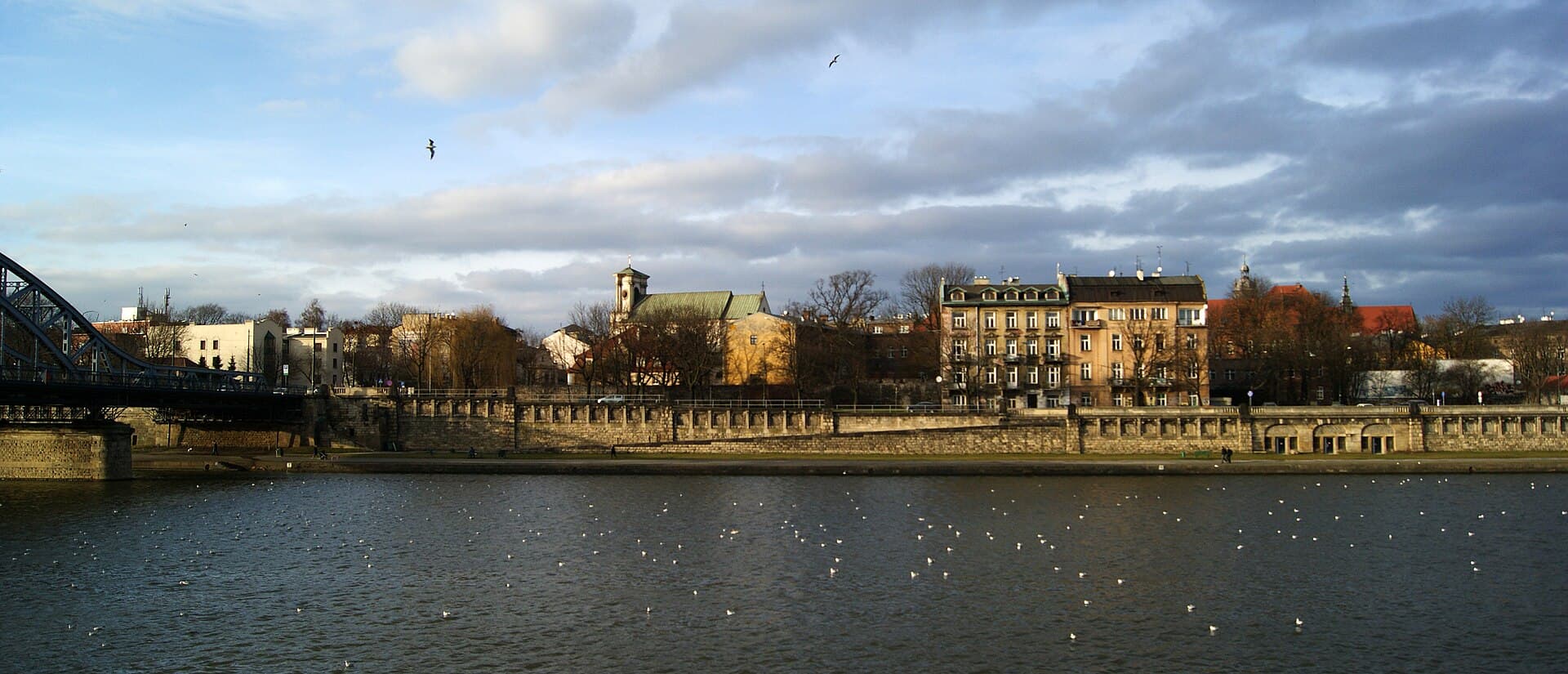 The Kazimierz QuarterKazimierz is Krakow's second soul: King Casimir's independent town (1335) that b6 minutes walk
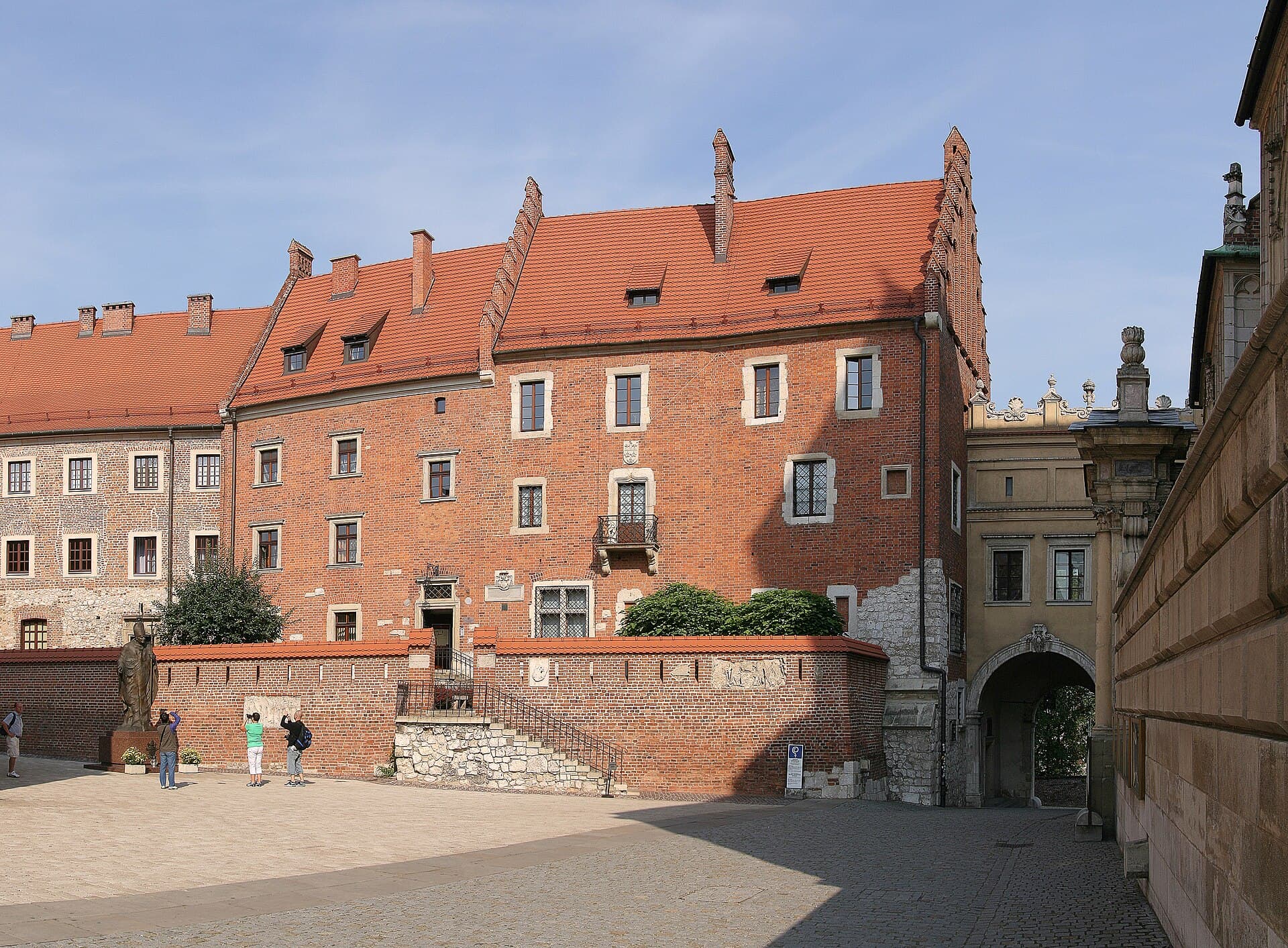 Wawel Cathedral MuseumA museum of the treasures of Wawel Cathedral, in a building adjoining the cathed6 minutes walk4.5
As a short addition yes, particularly on a wet day or with children. But Kraków's priorities are clear: the main square, Wawel castle and the Kazimierz Jewish quarter, with the Wieliczka salt mine and Auschwitz outside the city. This museum comes after all of those.
Genuinely rare. Most of what we know about extinct animals comes from bone, as soft tissue decays. Tar pits prevent that, so specimens recovered from them yield information about skin, hair and muscle. Very few woolly rhinoceroses have been found this way anywhere.